Site Preparation Secrets: How to Build a Rock-Solid Foundation for Your Home
Sinking foundations, drainage issues, structural damage, and expensive repairs often begin long before a home is finished. These problems usually trace back to one overlooked stage of the building process. The first phase of construction sets the direction for everything that follows, yet many homeowners and even some builders fail to treat it with the attention it deserves.
The strength and stability of any structure depend on thoughtful and thorough site preparation. Rushed work leads to delays, unexpected costs, and ongoing frustration for homeowners who must deal with the consequences years later.
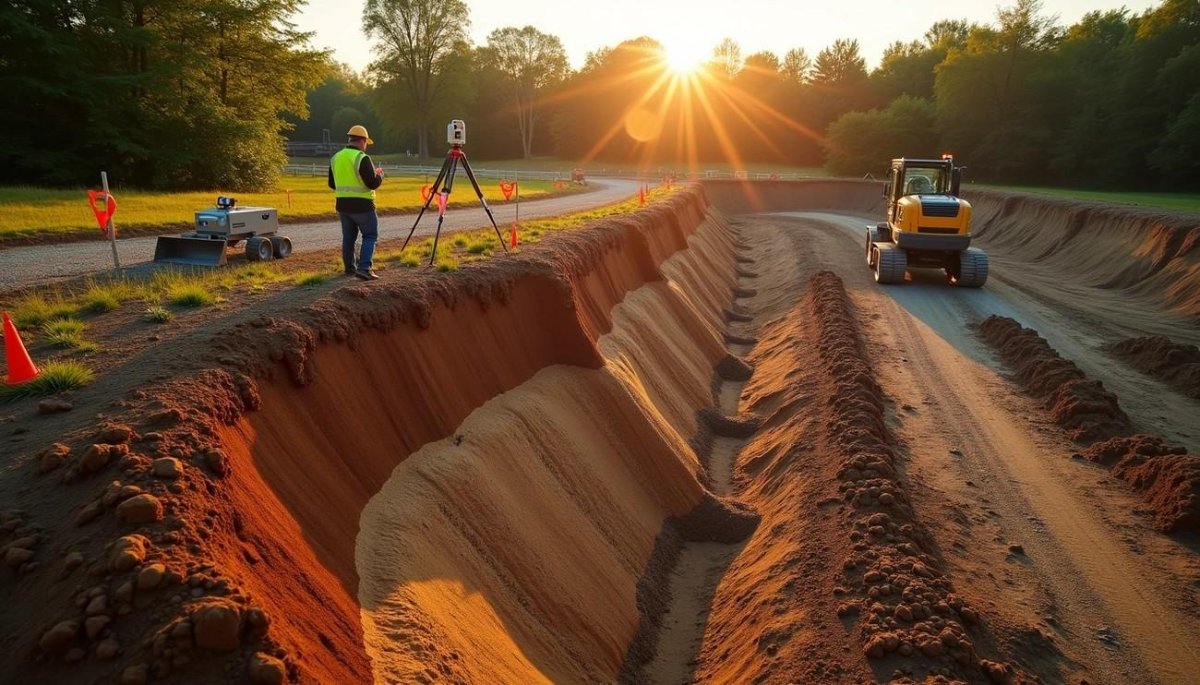
Site preparation involves far more steps than most people expect. The process includes clearing the land, surveying the area, testing the soil, creating a site plan, excavating, grading, compacting the soil, and installing the necessary utilities such as stormwater systems.
When this stage is handled correctly, it saves money, keeps the timeline on track, and forms a foundation that can stand strong for decades. Understanding the essentials helps you protect your investment and approach your build with confidence.
This article walks you through the key principles of effective site preparation and explains how to set the right groundwork for a home that is built to last.
Laying the Groundwork: What Happens Before Building Starts
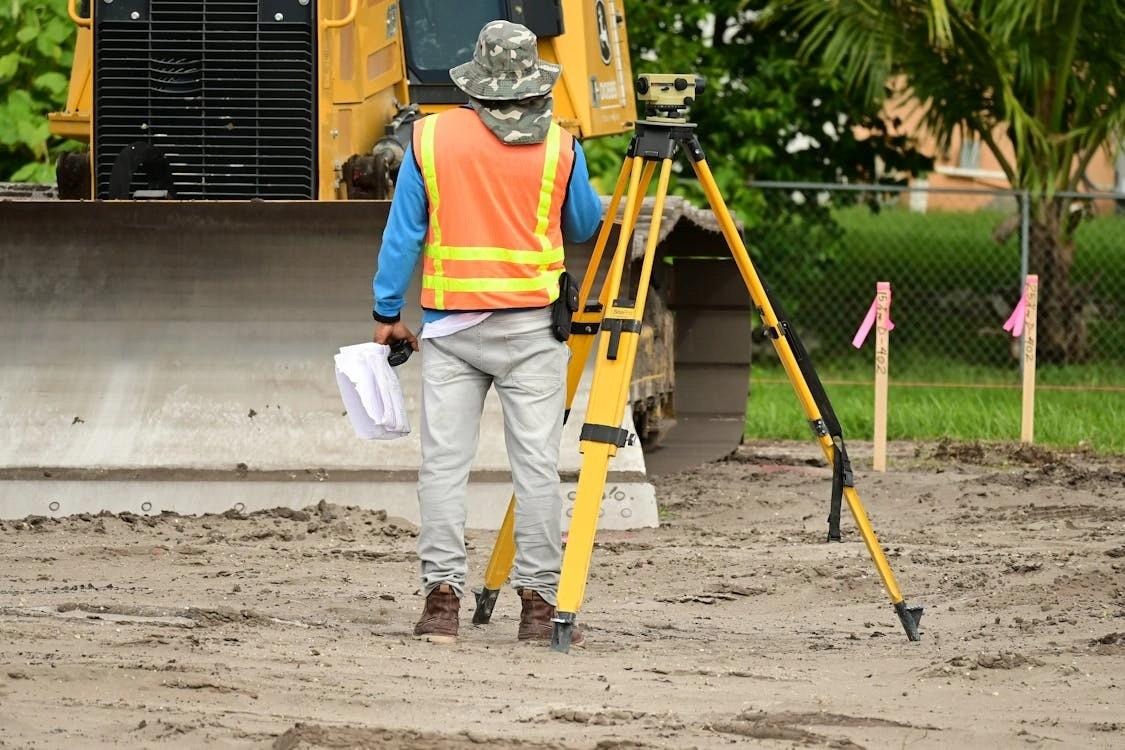
Image Source: True Built Home
Your building site holds secrets beneath the surface that you need to know about before breaking ground. What lies underground will affect your construction process and your home's future stability by a lot.
Understanding your land's natural features
Your property's natural characteristics shape your home's foundation design and structural integrity. These include slope, elevation, and soil type. Building on slopes might need extra grading or retaining walls, but you could get benefits like walkout basements or amazing views. The soil type will affect how water drains and how stable your foundation will be, so you need to assess it before you finalize your building plans.
Professional surveys give you the full picture of property lines, existing structures, and land layout. This information helps you spot potential issues like steep slopes, wetlands, or underground utilities that could affect your project. You'll also learn if the land suits your needs, what the soil is made of, and if there are existing structures to think about.
The local environment and weather patterns need careful attention to make sure your home stays strong. Your design choices should take into account the common winds, local plants, and typical weather. This becomes even more important in areas that face extreme weather, where picking the right materials really matters.
Why site prep is more than just clearing trees
Many people think getting a site ready just means clearing visible plants. But proper preparation includes much more than surface work. Land clearing takes care of trees, shrubs, and surface obstacles. Site grubbing removes roots, stumps, and buried organic matter to ensure long-term stability.
If you skip removing underground organic materials, you could face serious foundation issues later. These materials will naturally break down over time and create unstable ground. This can damage your home's structure and get pricey to fix.
On top of that, a complete site preparation helps you:
-
Figure out drainage needs and stop water damage
-
Get required permits and approvals
-
Follow all regulations
-
Make the work site safe
-
Put proper safety measures in place
The time you spend on thorough site preparation does more than just get you ready to build - it sets up your home's entire future.
The 6 Essential Steps to Prepare Your Site
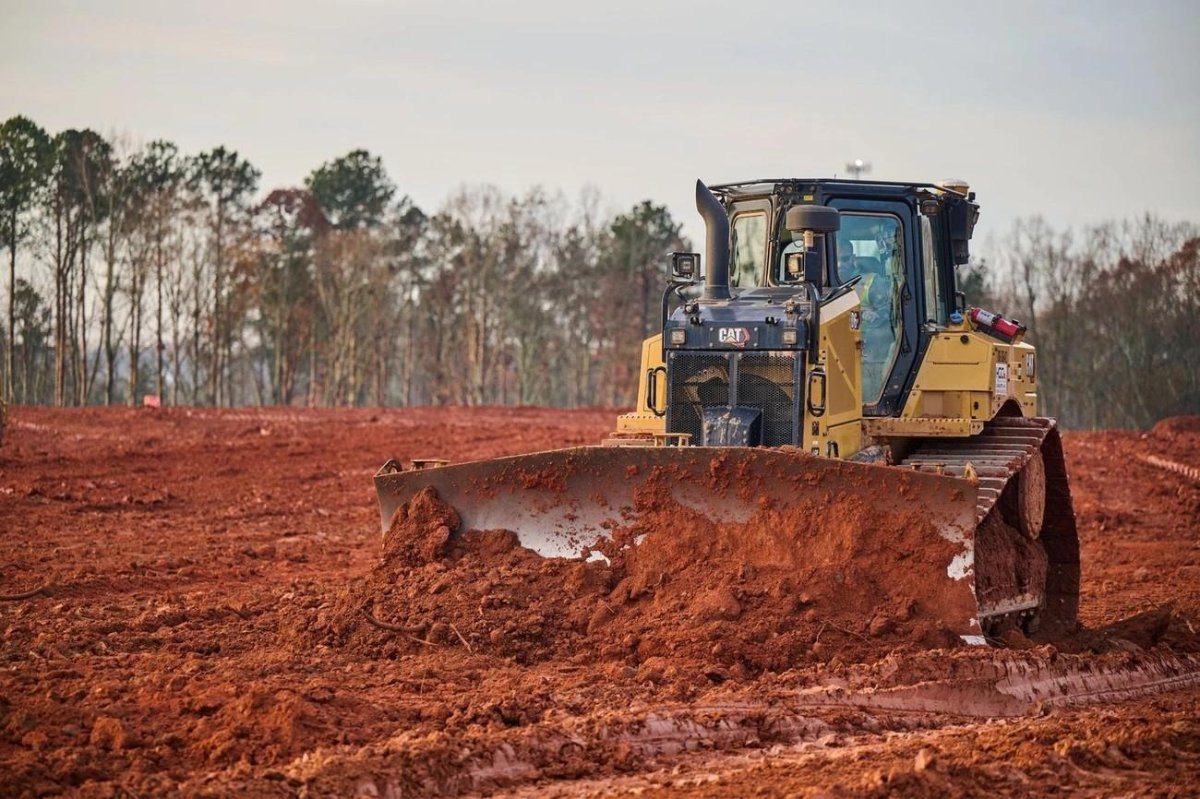
Image Source: Hoopaugh Grading
Proper site preparation creates the foundation your home depends on. Each part of the process contributes to a stable, long lasting structure. The following steps outline what every homeowner should expect during this critical stage:
-
Conduct a professional site survey
Surveyors identify property lines, note important land features, and locate existing structures or utilities. This stage often includes calling specialists who provide utility locating services in San Antonio to ensure underground lines are identified before any digging begins. Their measurements show elevation changes and natural elements that may affect construction. -
Perform soil testing and drainage checks
Soil tests uncover the land’s strength, moisture levels, and any potential risks. Geotechnical engineers analyze samples to assess stability and drainage patterns. Their findings guide decisions about foundation depth and help prevent costly adjustments later. -
Clear and level the land
Trees, shrubs, stumps, and debris must be removed to create a clean building area. Proper clearing includes removing underground roots and organic material that could decompose and cause uneven settling. This stage also allows you to preserve any natural features you want to keep. -
Install temporary access and utilities
Construction crews require clear access routes, reliable power sources, and water availability. Temporary roads, electrical hookups, and water connections support worker safety and keep progress steady throughout the project. -
Grade the land for water flow
Grading shapes the site so water drains away from the future foundation. A gentle slope directs moisture away and protects against rot, mold, and structural damage. Proper grading also prepares level zones for construction. -
Compact the soil for stability
Compaction strengthens the ground and reduces the risk of settling. The process compresses soil particles to create a firm, supportive base. Moisture levels must be balanced so the soil holds its shape without being too loose or too wet.
How Site Preparation Affects Your Home’s Long-Term Health
Your home's structural health depends on site preparation quality and affects it for decades after construction. Foundation problems from poor site work need major, expensive repairs, unlike cosmetic issues that you can fix easily.
Foundation strength and soil movement
Soil reacts differently under pressure based on its preparation. A stable platform that resists movement comes from properly compacted soil, even during seasonal changes that cause soil expansion and contraction. Poorly prepared sites cause differential settlement—foundation sections sinking at different rates—which leads to wall cracks, uneven floors, and doors that stick.
Each soil type creates its own challenges. Clay soils need special preparation techniques because they expand significantly when wet and shrink when dry. Quick-draining sandy soils might lack stability, while loamy soils provide better support. Professional soil testing during preparation reveals these characteristics and helps make appropriate foundation design decisions.
Water damage prevention through grading
Site preparation must establish proper water flow patterns to protect your home long-term. A gentle slope away from foundations prevents moisture infiltration that could cause mold, rot, and structural damage.
The complete site preparation plan considers drainage beyond the foundation area. French drains, swales, or retention areas might be needed to handle heavy rainfall. These systems protect against water damage throughout your home's lifetime when installed during construction, which preserves structural integrity and property value.
Smart Planning Tips for Homeowners
Your construction project begins long before the first shovel touches the ground. Smart planning during the early stages of site preparation helps you avoid costly setbacks and keeps the entire process moving smoothly.
Consider the following guidance as you prepare:
-
Make permits a top priority. Building, zoning, and utility approvals often require more time than expected, so handling them early helps prevent delays.
-
Arrange for a professional survey. Accurate property lines reduce the risk of disputes with neighbors and ensure the project stays within legal boundaries.
-
Understand how site preparation costs vary. Factors include location, terrain, accessibility, and county requirements. Your budget should account for materials, labor, permits, and a cushion for unexpected expenses.
-
Review your utility needs. Some sites require public utility connections while others rely on private systems such as wells and septic tanks. Properties located more than two hundred fifty feet from a power source may need transformers or underground conduit.
-
Pay attention to seasonal and weather factors. Farmland and rural areas sometimes require coordination with crop cycles or periods of heavy rain that can affect grading and excavation.
-
Plan access and storage areas. Construction vehicles need clear routes, and materials and equipment should be staged in designated locations to protect the rest of the property and maintain efficiency.
-
Rely on your contractor’s expertise. Their knowledge of soil conditions, terrain, and local regulations helps you make informed decisions that protect your long term investment.
A Final Look at What Sets a Strong Build Apart
A successful home begins long before the walls rise. Every choice made during site preparation shapes the strength, stability, and long term comfort of the place you will live in. Careful evaluation of soil conditions, thoughtful grading, proper utility planning, and steady coordination with skilled professionals create a foundation that supports both your structure and your peace of mind.
When each step receives the attention it deserves, the building process becomes far more predictable. Projects stay on schedule, budgets stay in line, and the finished home stands on ground that supports it through changing seasons and shifting conditions. The effort invested at this stage gives you the confidence that your property can meet the demands of time.
A home built on well prepared land offers more than structural soundness. It brings lasting security and a sense of assurance that every part of the process was handled with intention. With the right preparation, your home becomes a place that holds its strength and value for many years ahead.
Keep reading
More from the blog
Gas Line Installation: What Homeowners Need to Know First
Roof Timeline Guide for Buying an Older Utah Home

How to Choose Windows for a Utah Home With a Mountain View