The sound environment: silence and acoustics
The spaces we inhabit and work in are determined not just by what’s to be seen, but also by what can be heard — or not heard. Noise can disturb sleep, focus and happiness; considerate acoustics can comfort and inspire. As many as 4 in 10 city dwellers say they are annoyed by noise, a statistic that indicates sound literacy could be improved.
The spaces we inhabit and work in are determined not just by what’s to be seen, but also by what can be heard — or not heard. Noise can disturb sleep, focus and happiness; considerate acoustics can comfort and inspire. As many as 4 in 10 city dwellers say they are annoyed by noise, a statistic that indicates sound literacy could be improved.
Knowing how sound works, the worth of silence and practical ways to deal with noise can transform any landscape. For homeowners who plan renovations or upgrades, learn more about LBC Mortgage also provides a way to read about financing that will permit them access to soundproofing and acoustic enhancements. This is an article about the science and solutions to silence and acoustics, providing you with actionable advice for your home, office, or public space.
Understanding Indoor Acoustics: How Sound Moves in Your Home
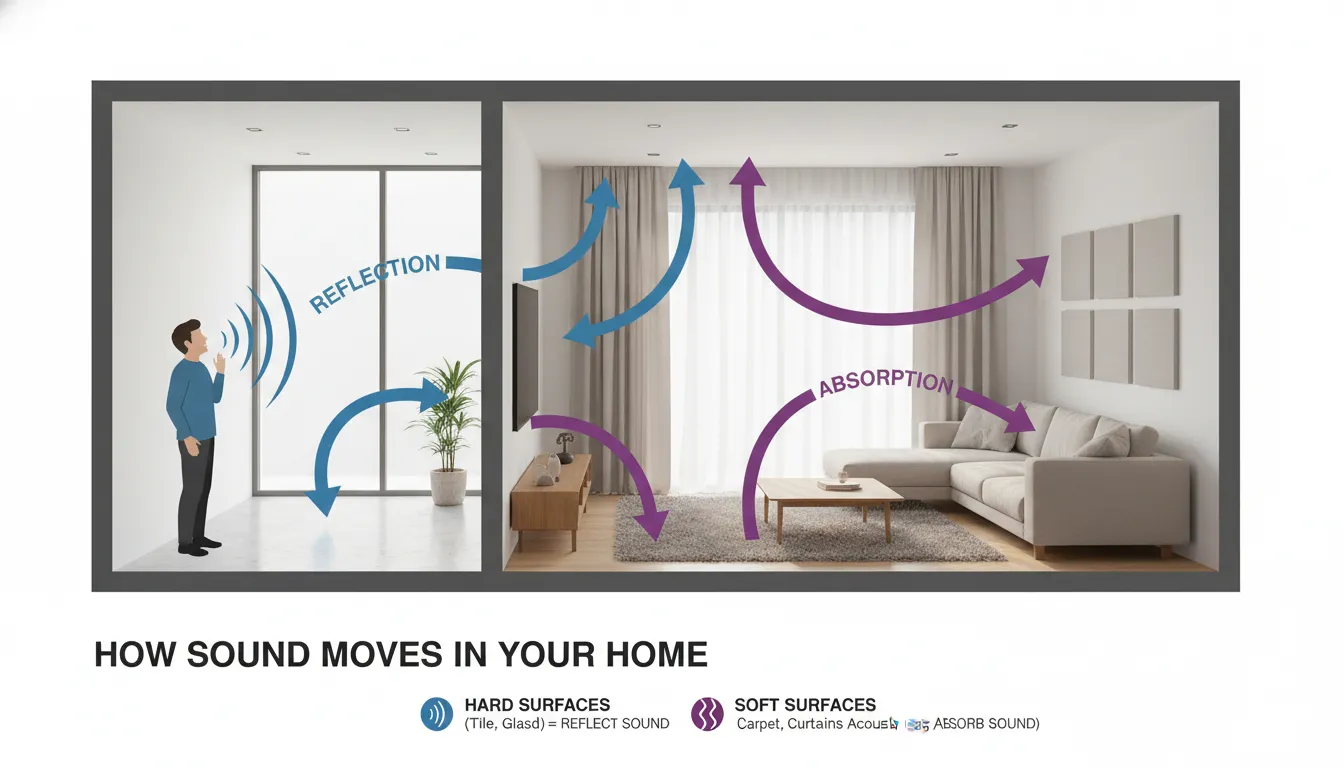
Sound doesn’t just travel directly from the source inside a room. It bounces off walls, ceilings and floors — echoing and reverberating. Hard materials like tile or glass reflect noise, while softer ones like carpet, curtains and acoustic panels absorb it.
The U.S. research suggests that rooms with mostly hard surfaces can have such reverberation times in excess of 1.5 seconds, but adding some absorption can nearly halve the figure or more. Understanding how materials affect sound can help homeowners and designers design spaces that feel inviting, rather than harsh.
The form and magnitude of a room influences the way sound radiates to other points inside. A rectangular room with a pair of parallel walls, for example, can generate standing waves; there will be areas where the sound is loud and other areas where it is soft.
Homes that are more open plan can often carry sound further than we anticipate, which is why you can overhear conversations from kitchen to office and beyond. Knowing the effects can inform where you position furniture and what kind of construction materials you use to manage against unwanted sound transmission.
Everyday indoor sound are produced from heating and air conditioning systems, appliances, electronics, human activity. Each contribution affects the total acoustic scene in a different way. If you have your reasons, however, consider placing the devices inside insulated boxes or cigarettein-sized acoustic panels that block and reduce harmful noise.
The Role of Silence: Why Quiet Spaces Matter for Health and Productivity
Long-term exposure to noise has demonstrable impacts on the health of the body and mind. According to the U.S. Centers for Disease Control and Prevention (CDC), longer-term exposure to noise is associated with elevated blood pressure, sleep disturbance and higher stress levels. It can go a long way toward mitigating these risks by carving out quiet zones, in bedrooms and in places of work.
Silence improves focus and productivity. The American Psychological Association found that background noise, even the kind you tune out of when you work on a coffee shop computer, can cause reading comprehension and task performance to drop by as much as 20 percent. Offices, libraries and study areas are among the places where having a quiet environment is most crucial to maintaining focus.
Designing for Quiet
Designing for silence is not the same as eliminating all sound. It combines ambient noise like conversations with more sound-restricted areas. Door soundproofing, incorporating soft materials and separating noisy activities from quiet areas are some of the practical solutions homeowners and office managers can employ to provide a better acoustic environment. There are several key principles regarding sound control:
-
Installing soundproof doors and windows to block unwanted external noise and reduce disturbance indoors.
-
Acoustic treatment with soft furniture, carpets, curtains and acoustical panels to absorb sound and treat room acoustics.
-
Establishing quiet zones by placing high-traffic or loud areas away from work, study, or relaxation spaces.
-
Employing white noise machines or background sound masking to maintain calm in open or shared spaces.
Acoustic Treatments: Practical Solutions for Everyday Spaces
Acoustic panels can cut down on echo and sound reflection in rooms with lots of hard surfaces. U.S. manufacturers claim a reduction of reverberation between 40 and 60% when panels covering 20–30% of the wall are used. Panelling is available in different component materials or forms including, Veneers which are the most expensive solid wood as they can be completely smooth and uniform.
Carpets, drapes, upholstered furniture and even bookshelves aid in the absorption. By scattering sound, these everyday items cut the harshness of reflections and make spaces feel more peaceful. Opting for thicker or denser fabric in general tends to yield success.
Noise can escape or enter a room through openings. The exterior noise you experience is turned down significantly by solid-core doors, dual-pane windows and insulation of a denser nature. Energy Star-rated windows, available in the US, can block 50% of street noise and also help reduce energy costs – a twofold advantage.
Measuring Sound: Tools and Techniques for a Balanced Environment
Being an accurate measurement, is a key to having a better understanding of your environment. As we can attest, professional sound level meters can give you an accurate idea of decibel levels, but may not be within convenient reach when you need them on hand. Smartphone apps offer very handy estimations for the masses. Average indoor background noise in U.S. houses falls between 35 and 50 dB, with quiet bedrooms at around 30dB.
Not all noise is equal. High-pitched sounds, such as alarms or electronics, tend to be more distracting than low-frequency hums. A frequency profile and RT measurement of a room assist in treatment choice for e.g., bass traps or mid frequency panels.
Enlightened continuity monitoring is all it takes to nudge them back on track. For instance, keeping such a meter in a workstation or bedroom can uncover unexpected noise peaks from appliances or traffic. Regular monitoring ensures that interventions such as panels or soft furnishings will have the desired effect and keeps you on track in building a neutral acoustic over time.
Keep reading
More from the blog

Gas Line Installation: What Homeowners Need to Know First

Roof Timeline Guide for Buying an Older Utah Home
How to Choose Windows for a Utah Home With a Mountain View