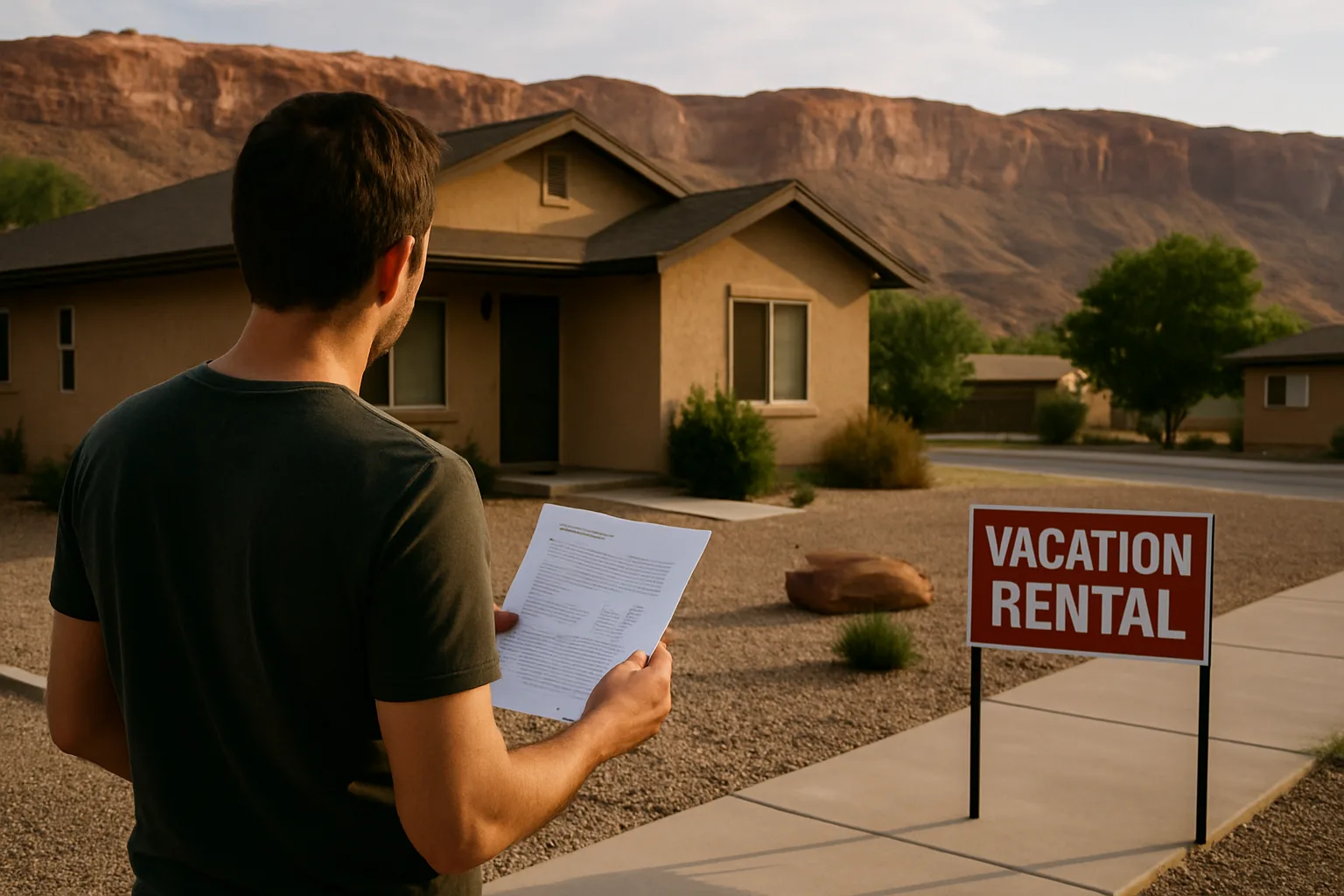
Pros and Cons of living in Sandy, Utah
Living in Sandy, Utah: home prices, TRAX and I-15 commutes, Canyons District schools, safety, weather and canyon access, with the honest trade-offs.
Sandy, Utah is one of the largest suburbs in Salt Lake County, with about 97,000 residents at the 2020 Census. It sits about 13 miles south of downtown Salt Lake City, runs from the Jordan River on the west up onto the slopes of the Wasatch Range on the east, and sits at the doorstep of Little Cottonwood Canyon. To see what is on the market right now, browse homes for sale in Sandy.
Sandy gets a lot right: canyon access, TRAX light rail, strong retail and a long list of parks. It also comes with real trade-offs, from price to canyon traffic to an aging housing stock. This guide walks through both sides so buyers can decide whether Sandy fits the way they actually live.
Who Sandy Is Best For
- Skiers and hikers who want Snowbird and Alta about as close as they get from any Salt Lake Valley suburb
- Commuters heading to downtown Salt Lake City by TRAX, or south toward Lehi and the Silicon Slopes employers on I-15
- Buyers who want established neighborhoods with mature trees, larger lots and finished basements
- Sports and theater fans, with Real Salt Lake and the Hale Centre Theatre both inside city limits
Sandy is a weaker fit for buyers on a tight budget who need a detached home, for anyone who wants new construction close in, and for buyers who want an urban, walkable downtown.
Sandy Home Prices: What Buyers Should Know
Sandy sits in the upper-middle of the Salt Lake County market. Current numbers, updated automatically from MLS data:
- Median sale price (latest month): $679,900
- Median list price of active homes: $659,900
- Median days on market: 32 days
- Sale-to-list ratio: 97.2%
- Active listings: 306
Prices change a lot depending on which side of the city a home is on. West Sandy, closer to I-15 and the Jordan River, has more ramblers, split-levels, condos and townhomes, and it is where most of the city's lower-priced inventory is. Buyers with a firm budget can start with Sandy townhomes for sale. East Sandy climbs toward the mountains, and the higher the bench, the larger the lots and the higher the prices. Buyers shopping the foothills can look at Sandy homes with views, and the top of the market is collected under luxury homes in Sandy.
Neighborhoods to know
Sandy is made up of many small subdivisions rather than a handful of master-planned communities. A few that show up often in the MLS include Pepperwood, Willow Creek Estates and Sandy Heights. Because home ages, lot sizes and views vary from one street to the next, it helps to tour more than one neighborhood before settling on an area.
Why online estimates miss the mark here
Utah is a non-disclosure state, so sale prices are not public record and automated estimates have to guess. In Sandy, the biggest misses tend to be on homes with updated interiors, unobstructed mountain or valley views, or oversized lots on the east bench, all features that algorithms struggle to price.
The Commute Reality
When the commute works
Sandy has four TRAX Blue Line stations: Historic Sandy (9000 South), Sandy Expo (9375 South), Sandy Civic Center (10000 South) and Crescent View (11400 South). For a downtown Salt Lake City job, the train avoids freeway traffic and downtown parking entirely. Drivers have I-15 exits at 9000 South, 10600 South and 11400 South, and the southern end of the city puts Lehi's tech employers within reach over Point of the Mountain.
When it doesn't
East Sandy is a long way from the freeway. Homes near the foothills can add a lot of surface-street driving to every trip before reaching I-15, and the main east-west roads back up at rush hour. Winter powder days create their own traffic, as ski traffic headed for Little Cottonwood Canyon backs up on the roads leading to the canyon mouth.
Schools in Sandy
Sandy is served by the Canyons School District, which began operating in the 2009–10 school year. High schools serving Sandy neighborhoods include Alta, Jordan, Hillcrest, Brighton and Corner Canyon, depending on the address. The district also runs the Canyons Technical Education Center (CTEC) for career and technical programs.
For college classes, Salt Lake Community College's Miller Campus is in Sandy, and the University of Utah also offers continuing education classes in the city. Boundaries shift as enrollment changes, so buyers should confirm school assignments for a specific address with the district before buying.
Is Sandy a Safe Place to Live?
Sandy has its own city police department. As in most suburbs of its size, the bulk of reported crime is property crime, such as vehicle break-ins and shoplifting, rather than violent crime, and conditions vary between busy commercial areas and quiet residential streets. Rather than relying on a single ranking, buyers can review recent incident reports from the Sandy City Police Department for the specific streets they are considering and visit a neighborhood at different times of day.
Little Cottonwood Canyon and the Outdoors
Sandy's signature advantage is its location at the base of the Wasatch Range. Little Cottonwood Canyon starts on the city's southeast edge, and its two resorts, Snowbird and Alta, are known for deep, dry snow and long seasons. In summer the same canyon is used for hiking, climbing and wildflower trips.
Closer to home, Dimple Dell Regional Park runs through the middle of Sandy as a long natural ravine with miles of trails shared by hikers, runners, mountain bikers and horseback riders. Sandy also has many neighborhood parks, and Big Cottonwood Canyon, home to Brighton and Solitude, is a short drive north through Cottonwood Heights.
For more ideas, see these top things to do in Sandy.
Weather in Sandy
Sandy has four distinct seasons: warm, dry summers, colorful falls and snowy winters. Elevation matters here. The city center sits around 4,450 feet, but the east bench climbs well above that, so foothill neighborhoods tend to get more snow and a little more wind than the west side. Winter temperature inversions can trap haze in the valley, though higher east-side homes often sit above the worst of it.
Sports, Theater and Events
Sandy has more big-venue entertainment than most suburbs. America First Field, which opened in 2008, is home to Real Salt Lake and the Utah Royals in professional soccer. The Hale Centre Theatre stages Broadway-style productions in the city center, and the Mountain America Expo Center hosts trade shows, conventions and consumer events throughout the year. The city is also redeveloping its central district, known as The Cairns, around the TRAX line.
Shopping, Dining and Healthcare
Sandy is one of the better-served suburbs in the valley for shopping. The Shops at South Town mall and the big-box retail along State Street, 10600 South and the I-15 corridor cover most everyday needs, and the area around the mall and the Expo Center has a wide range of chain and local restaurants.
For healthcare, Intermountain Health's Alta View Hospital at 9660 South 1300 East has a 24-hour emergency department, with InstaCare and KidsCare urgent care clinics nearby.
The Real Trade-Off
What buyers get:
- Canyon and ski access that few suburbs can match
- Light rail to downtown Salt Lake City and quick freeway access on the west side
- Established neighborhoods, big-league sports, theater and full-service shopping
What buyers give up:
- Affordability, since detached homes cost more than in many valley suburbs to the west
- New construction, because most of the city is built out and much of the housing was built decades ago
- Easy east-side commutes, since foothill homes sit a long way from I-15
A Simple Scorecard for Deciding if Sandy Fits
1. How often will the household use the canyons?
If skiing or hiking is a weekly habit, Sandy's location is worth paying for.
2. Where is the daily commute?
Downtown Salt Lake City by TRAX works well. Long daily drives from the east bench are harder.
3. Is an older home acceptable?
Many Sandy homes need updates, so budget for remodeling or shop for homes already finished.
4. East side or west side?
Views and larger lots cost more on the bench, while the west side has more attainable prices and quicker freeway access.
5. Is the budget realistic for detached housing?
If not, condos and townhomes in west Sandy may be the better route into the city.
Common Mistakes Buyers Make Before Moving to Sandy
- Underestimating east-bench drive times to the freeway at rush hour.
- Touring only in summer and missing how steep, snowy driveways and streets on the bench behave in winter.
- Skipping inspections on older homes, where roofs, furnaces, windows and sewer lines may be due for replacement.
- Assuming a school assignment instead of confirming it with the Canyons School District.
- Forgetting powder-day traffic when buying close to the roads leading into Little Cottonwood Canyon.
- Relying on an online estimate for a home whose value depends on its view or lot.
Is Sandy, Utah a Good Place to Live?
Sandy works well for:
- Skiers, hikers and anyone who wants the mountains close
- Downtown Salt Lake City commuters who want to ride TRAX
- Buyers who want an established suburb with full services
Sandy is less ideal for:
- Budget-first buyers who need a detached home
- Buyers set on brand-new construction
- Anyone who wants a walkable, urban neighborhood
Bottom Line
Sandy offers one of the best combinations of mountain access and everyday convenience in the Salt Lake Valley, and buyers pay for it in price and, on the east bench, in drive time. Buyers who value the canyons and established neighborhoods tend to find the trade worth it. For comparison, look at neighboring Draper to the south, and for a broader look at relocating, see this guide to moving to Utah.
Posted by Kristopher Larson
Frequently asked questions
Is Sandy, Utah a good place to live?
Sandy is a strong choice for buyers who want quick access to Little Cottonwood Canyon, TRAX light rail to downtown Salt Lake City, full-service shopping and established neighborhoods. The main trade-offs are higher prices than many valley suburbs, older housing, and longer drives to I-15 from the east bench.
Is Sandy, Utah a safe place to live?
Sandy has its own police department, and like most suburbs its size, most reported crime is property crime rather than violent crime. Conditions vary by area, so the best approach is to review recent incident reports from the Sandy City Police Department for the specific streets being considered.
How far is Sandy from Salt Lake City?
Sandy is about 13 miles south of downtown Salt Lake City. Four TRAX Blue Line stations in Sandy (Historic Sandy, Sandy Expo, Sandy Civic Center and Crescent View) run straight to downtown, and I-15 has Sandy exits at 9000 South, 10600 South and 11400 South.
What schools serve Sandy, Utah?
Sandy is in the Canyons School District. Depending on the address, high school students attend Alta, Jordan, Hillcrest, Brighton or Corner Canyon high schools. Salt Lake Community College's Miller Campus is also in Sandy. Confirm boundaries for a specific address with the district.
What is the weather like in Sandy, Utah?
Sandy has four seasons, with warm, dry summers and snowy winters. The city center sits around 4,450 feet, and neighborhoods on the east bench are higher, so they tend to see more snow. Winter inversions can bring hazy days to the valley floor.
How much do homes in Sandy, Utah cost?
The latest monthly median sale price in Sandy is $679,900, and active listings have a median asking price of $659,900. Homes are selling in a median of 32 days, with 306 homes currently for sale. Prices generally rise moving east toward the mountains.
Sandy, Utah housing market
A quick read on what homes are doing in Sandy right now — pulled live from the MLS.
Keep reading
More from the blog
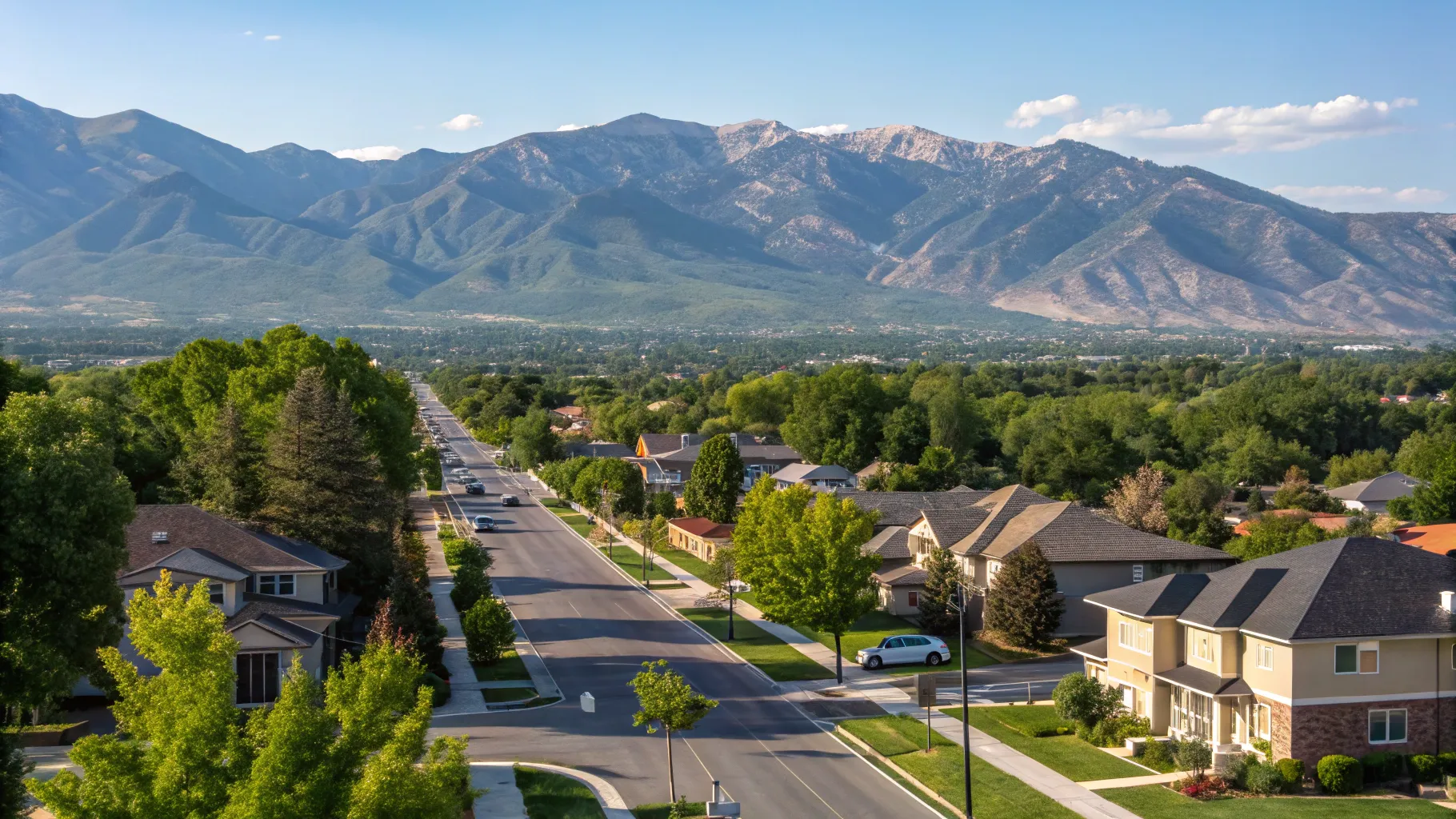
Sandy Utah, Your Guide to Neighborhoods, Homes, and More
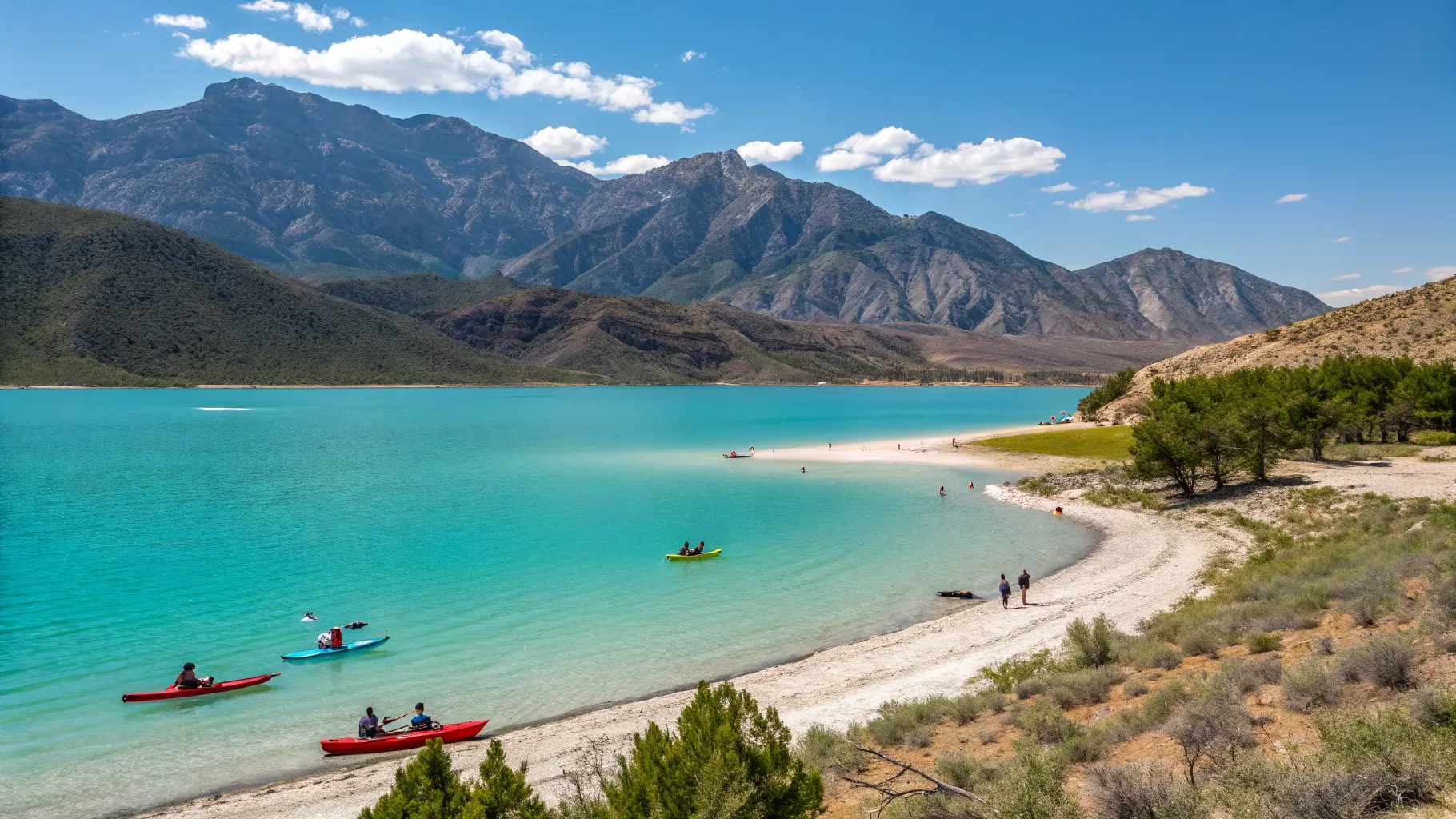
Top 10 Things To Do in Sandy, Utah
Utah ADU Rules in 2026: State Law and City-by-City Limits