
Ogden vs. Layton for Homebuyers: Prices, Housing, Commutes and Schools
Ogden and Layton sit on either side of Hill Air Force Base but offer very different homes. A look at live prices, housing age, commutes, school districts and amenities.
Ogden and Layton are neighbors on I-15, separated by Hill Air Force Base and a county line, and they draw many of the same buyers: households priced out of Salt Lake County, Hill AFB personnel, and people who want quick access to the mountains. The two cities had nearly the same population at the 2020 census, about 87,300 in Ogden and 81,800 in Layton. Their housing, though, comes from very different eras, and that difference drives most of the trade-offs in price, maintenance and neighborhood feel.
This comparison walks through the questions buyers usually weigh when choosing between the two: what kind of home a budget buys, how the commute works, which school district applies, and what daily life looks like in each.
Prices at a Glance
These figures update automatically from MLS data:
Ogden
- Median list price: $364,900
- Median sale price (latest month): $364,990
- Median days on market: 40 days
- Sale-to-list ratio: 98.1%
- Active listings: 438
Layton
- Median list price: $485,000
- Median sale price (latest month): $499,450
- Median days on market: 65 days
- Sale-to-list ratio: 98.0%
- Active listings: 268
In most months Ogden's median sits well below Layton's. The gap is not just about location; it reflects the age and size of the homes changing hands in each city.
Housing Stock: Old Grid vs. Newer Subdivisions
Ogden: character homes and fixer potential
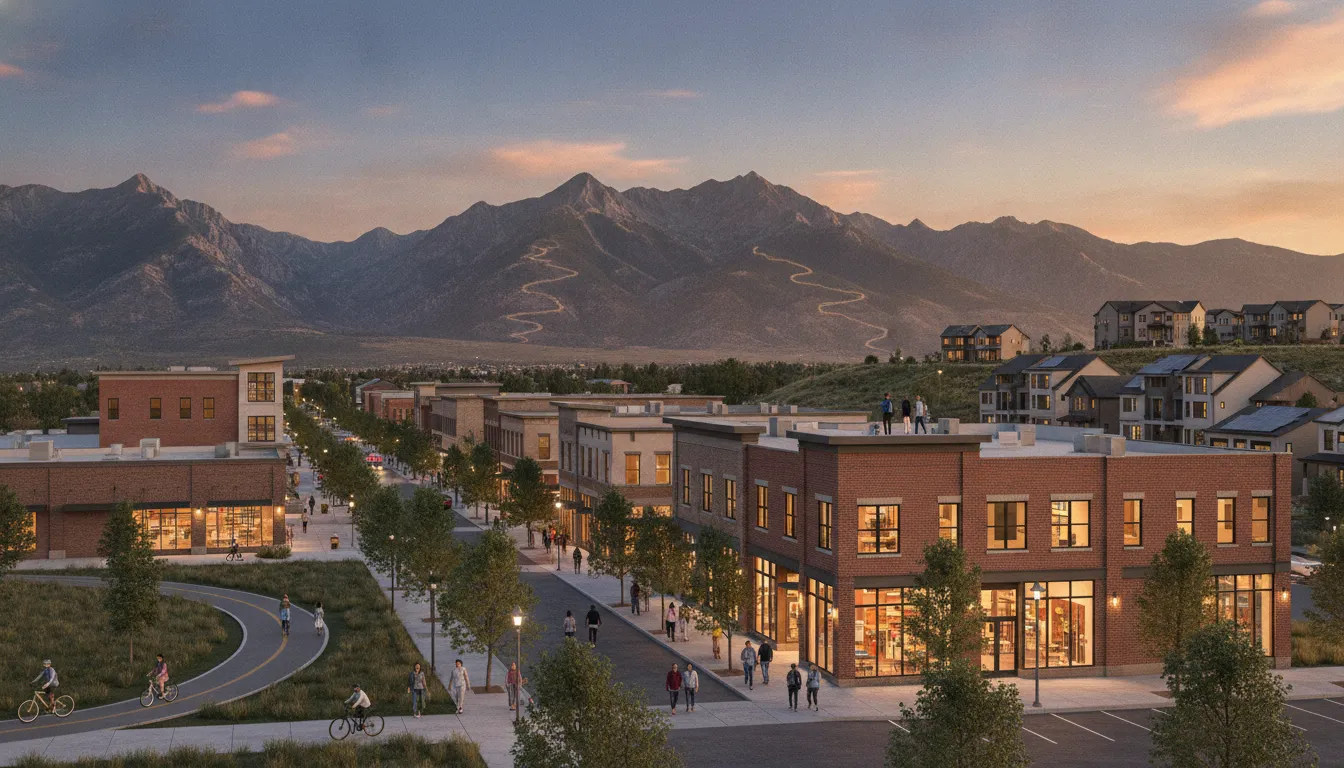
Ogden grew up as a railroad town, and its central neighborhoods are laid out on an older street grid lined with homes built before World War II. In an October 2026 snapshot of active residential listings, the median Ogden listing was built in 1961, and about 37% had been built before 1950. Only about one in three listings carried an HOA fee.
That stock creates two kinds of opportunity. Entry-level buyers can still find Ogden homes under $300,000, a price point that has nearly vanished in much of the Wasatch Front. Buyers with a renovation budget can look at fixer-uppers in established neighborhoods. Either way, older homes call for a careful inspection. Common items to check in pre-1960 houses include:
- Original electrical panels and wiring that may not handle modern loads
- Galvanized or cast-iron plumbing and the sewer lateral to the street (a camera inspection is inexpensive compared with a replacement)
- Unreinforced masonry, which is more vulnerable in an earthquake
- Lead-based paint, which federal disclosure rules address for homes built before 1978
- Basement moisture and foundation cracks
Ogden also has newer construction on its edges and benches, so buyers who like the city but want a younger home are not shut out; they simply have fewer choices.
Layton: suburban and newer
Layton grew mostly after Hill Field opened in 1940, and much of the city was built out in the decades since. The median active Layton listing in the same snapshot was built in 2002, fewer than 2% predated 1950, and close to 40% had been built since 2010. About half carried an HOA fee, mostly in townhome and newer single-family communities.
For buyers, that means less deferred maintenance and more predictable floor plans, but higher prices per home. Buyers comparing builders can browse new construction in Layton.
Commuting: I-15, FrontRunner and Hill AFB
Driving
Both cities sit directly on I-15. Layton is farther south, which shortens the drive to Salt Lake City and the Salt Lake City airport. East Layton also has US-89 along the bench, an alternate north–south route when I-15 is congested. The West Davis Corridor (SR-177), which opened on January 6, 2024, runs about 16 miles from Farmington to West Point through Kaysville, Layton and Syracuse, and it gives west Layton a second route south to Legacy Parkway.
FrontRunner
Both cities have FrontRunner commuter rail stations: Ogden Central Station and Layton Station. FrontRunner currently runs Monday through Saturday, every 30 minutes during weekday peak hours and every 60 minutes at other times, because most of the line is single track. Ogden adds a second transit option: the Ogden Express (OGX) bus rapid transit line, which opened in August 2023 and connects the FrontRunner station with Weber State University and McKay-Dee Hospital.
Hill Air Force Base
Hill AFB sits between the two cities, just south of Ogden and directly north of Layton. The base is home to F-35A fighter wings and the Ogden Air Logistics Complex, and the Utah Department of Workforce Services has ranked it among the largest employers in the state. Buyers who work on base can commute easily from either city; the deciding factor is usually which gate they use and whether they prefer an older home closer to Ogden's amenities or a newer one in Layton.
Schools
The two cities are served by different districts:
- Ogden: Ogden School District, whose boundaries match the city limits. Its traditional high schools are Ogden High and Ben Lomond High.
- Layton: Davis School District, which serves all of Davis County.
Boundaries for individual elementary and junior high schools can split neighborhoods, so buyers should confirm assigned schools for a specific address with the district before making an offer. Utah's open-enrollment rules may allow attendance at a school outside the assigned boundary, subject to space.
Downtown and Amenities
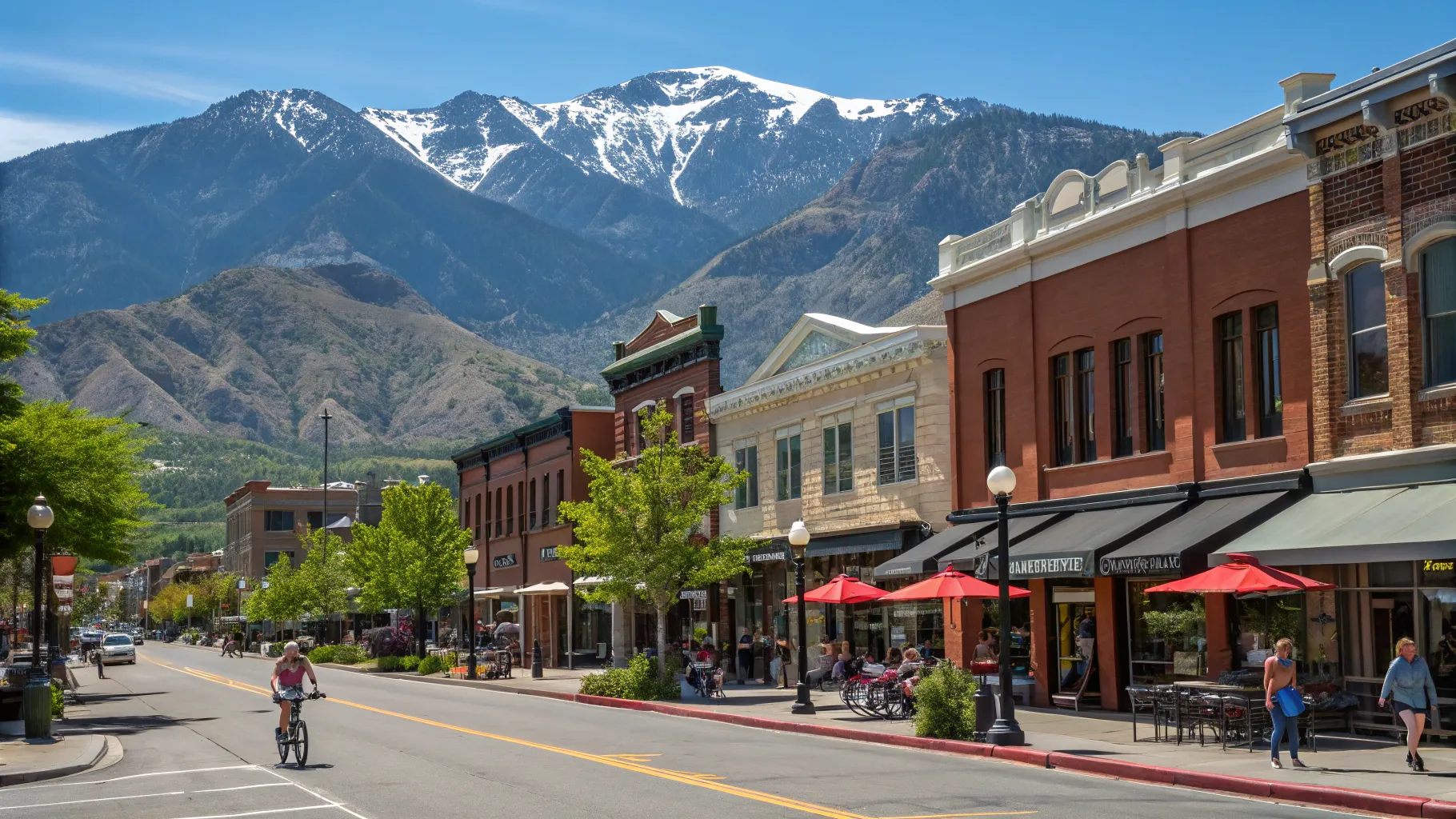
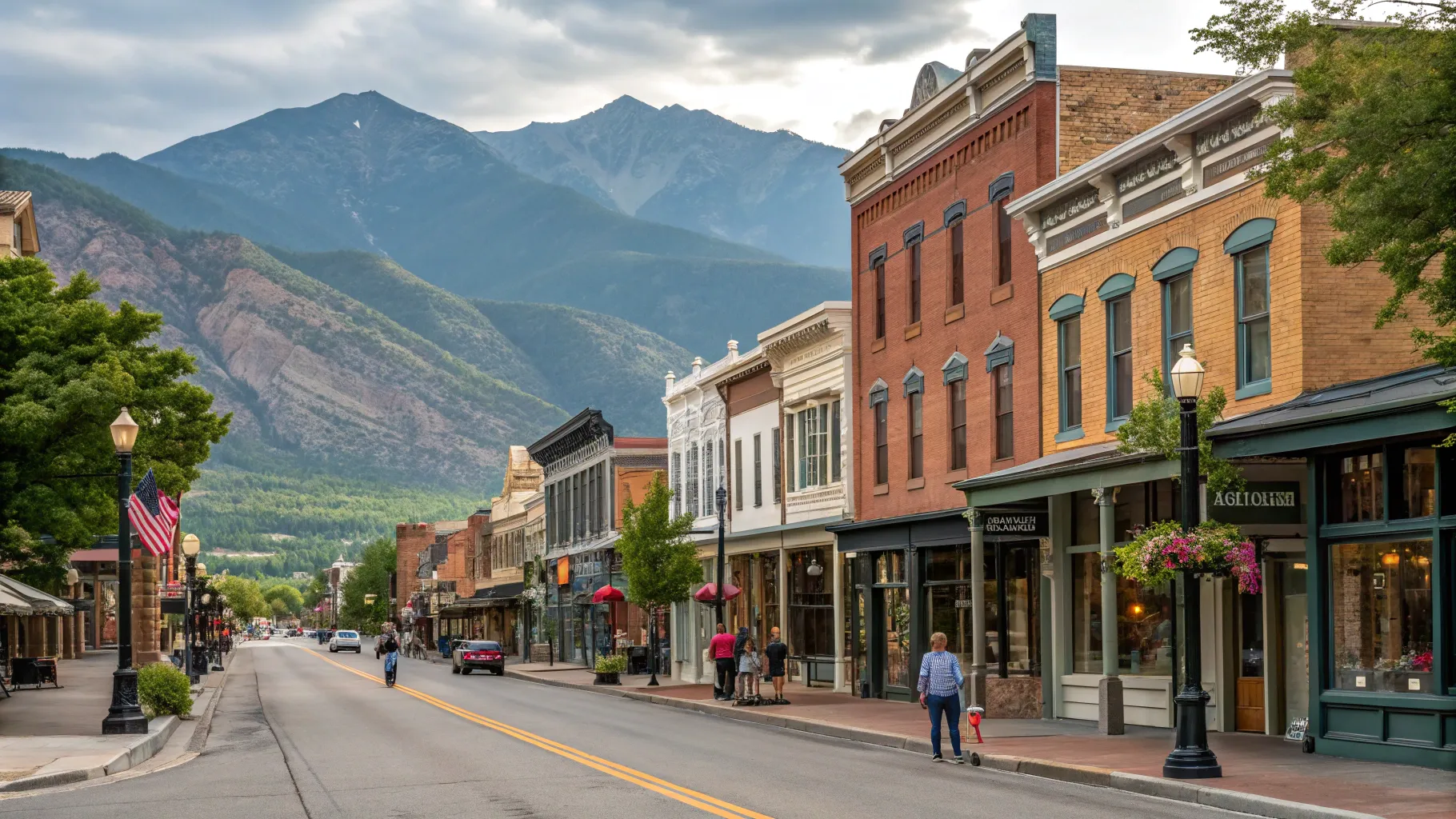
Ogden has the stronger downtown. Historic 25th Street, anchored by Union Station, is lined with restaurants, shops and seasonal events, and Weber State University's main campus adds college athletics and performing arts. The city's health care is centered on McKay-Dee Hospital.
Layton's amenities are spread out and more suburban. Its retail hub surrounds Layton Hills Mall, and the area near city hall includes Layton Commons Park, the Edward A. Kenley Centennial Amphitheater and the Heritage Museum of Layton. Buyers who want to walk to dinner tend to choose Ogden; buyers who prefer big-box convenience and newer shopping centers tend to find Layton easier day to day.
Outdoor Access
Both cities back up to the Wasatch Range, and both have quick trail access.
- Ogden: Ogden Canyon starts at the city's east edge and leads to Pineview Reservoir, about 7 miles east, for boating and swimming in summer. Paved trails follow the Ogden and Weber rivers through town.
- Layton: The Adams Canyon trail, east of US-89 near the end of SR-193, is a popular hike of roughly 3.7 miles round trip. The Kays Creek Parkway and other city trails link parks across town.
Ogden has the edge for buyers whose priority is reaching ski areas and reservoirs quickly, while Layton's foothill trails are close enough for after-work hikes.
A One-Day Plan for Comparing the Two
Because the cities are so close, buyers can test both in a single weekday. A practical sequence:
- Drive the commute at rush hour. Start from a candidate street in each city at the time the workday would begin, and note where traffic slows on I-15, US-89 or the West Davis Corridor.
- Try the train once. Ride FrontRunner from Ogden Central or Layton Station and check how the 30- and 60-minute schedules line up with real work hours.
- Look up assigned schools for each address on the district websites rather than relying on a listing description.
- Visit after dark. Evening traffic, street lighting and noise near I-15 or the base flight line can look very different from a Saturday afternoon showing.
- Compare total monthly cost. A newer Layton home may carry an HOA fee, while an older Ogden home may need a repair fund; both belong in the budget.
Which City Fits Which Buyer
- First-time buyers on a tight budget will usually find more options in Ogden, especially among older single-family homes.
- Buyers who want low maintenance and a newer floor plan will see more of that inventory in Layton.
- Daily Salt Lake City commuters save some drive time in Layton, while FrontRunner riders can work from either.
- Buyers who want a walkable downtown and a university nearby will lean toward Ogden.
Layton's day-to-day strengths and drawbacks are covered in more depth in a separate look at the pros and cons of living in Layton. Current listings in both cities, with the live figures above, are on Best Utah Real Estate.
Frequently asked questions
Is Ogden or Layton cheaper for homebuyers?
Ogden is usually the less expensive of the two. The current median list price is $364,900 in Ogden and $485,000 in Layton. Much of the gap reflects housing age: Ogden's inventory includes many older homes, while Layton's skews toward homes built since the 1990s.
Which school districts serve Ogden and Layton?
Ogden is served by Ogden School District, whose boundaries match the city limits. Layton is part of Davis School District, which covers all of Davis County. Buyers should confirm the assigned schools for a specific address with the district.
Do Ogden and Layton both have FrontRunner stations?
Yes. FrontRunner stops at Ogden Central Station and Layton Station. Trains run Monday through Saturday, about every 30 minutes at weekday peak times and every 60 minutes otherwise. Ogden also has the OGX bus rapid transit line linking the station with Weber State University and McKay-Dee Hospital.
Is Ogden or Layton closer to Hill Air Force Base?
Both are close. Hill AFB sits between them, just south of Ogden and directly north of Layton. For most base employees the better choice depends on which gate they use and the type of home they want.
How old are the homes for sale in Ogden compared with Layton?
In an October 2026 snapshot of active listings, the median Ogden listing was built in 1961 and about 37% predated 1950. The median Layton listing was built in 2002, and close to 40% had been built since 2010.
How fast are homes selling in Ogden and Layton?
The current median time on market is 40 days in Ogden and 65 days in Layton, with sale-to-list ratios of 98.1% and 98.0%. These figures update monthly from MLS closings.
Ogden, Utah housing market
A quick read on what homes are doing in Ogden right now — pulled live from the MLS.
Keep reading