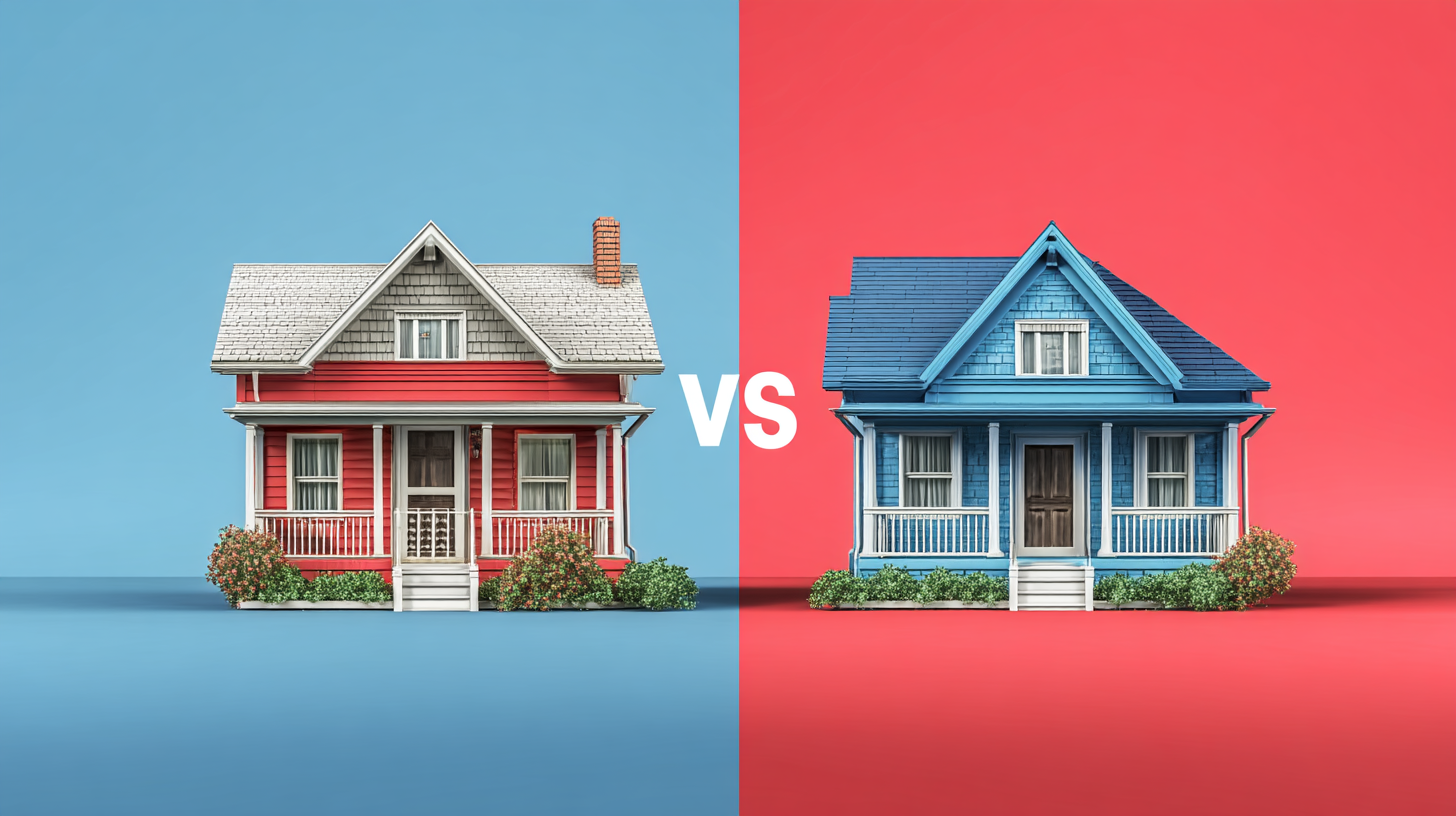
Is It Better to Rent or Buy a House? A Complete Guide
Deciding whether to rent or buy a house is one of the biggest financial choices you'll face. The right answer depends on your finances, lifestyle, local market, and long-term goals — not a one-size-fits-all rule. This guide breaks down every factor so you can make a confident, informed decision.
Deciding whether to rent or buy a house is one of the biggest financial choices many people face. For some, buying a home represents stability, equity, and long-term wealth building. For others, renting offers flexibility, lower upfront costs, and freedom from major maintenance responsibilities.
So, is it better to rent or buy a house? The answer depends on your finances, lifestyle, local market, time horizon, and long-term goals. Buying is not always the smarter move, and renting is not always "throwing money away." The right choice is the one that fits your current situation while supporting where you want to be financially in the future.
The Simple Answer: Renting vs. Buying Depends on Your Situation
Buying may be better if you plan to stay in the home long-term, have stable income, can afford the down payment and closing costs, and are prepared for repairs, taxes, insurance, and maintenance. Homeownership can help build equity over time, especially if the property appreciates and you stay long enough to offset the upfront costs of buying.
Renting may be better if you need flexibility, are unsure where you want to live long-term, do not want responsibility for repairs, or would be financially stretched by buying. Renting can also make sense if it allows you to save, invest, pay down debt, or keep cash available for other goals.
The decision is less about which option is universally better and more about which option is better for your season of life.

Compare the Monthly Costs First
Monthly Cost of Renting
Renting is often easier to budget for because the monthly payment is usually more predictable. A renter may pay rent, renters insurance, utilities, parking fees, pet fees, or other lease-related costs.
In many cases, the landlord handles major repairs, property taxes, exterior maintenance, and building upkeep. That does not mean renting is always cheap, but it often removes the surprise costs that come with owning a home.
Rent can increase when a lease renews, so renters should still plan for future changes. However, the monthly cost structure is usually simpler than homeownership.
Monthly Cost of Buying
Buying a house involves more than the mortgage payment. Homeowners must also budget for property taxes, homeowners insurance, HOA fees if applicable, utilities, maintenance, repairs, and long-term replacement costs.
A mortgage may look similar to rent at first glance, but the full cost of ownership can be much higher. Roof repairs, plumbing issues, HVAC replacement, appliance repairs, landscaping, and property upkeep all become the homeowner's responsibility.
That is why comparing rent to only the mortgage payment can be misleading. The better comparison is total monthly rent versus total monthly ownership cost. For a deeper look at how your mortgage payment shapes your financial future, see what your monthly mortgage payment is actually doing to your long-term net worth.
Understand Upfront Costs
Upfront Costs of Renting
Renting usually requires less cash upfront than buying. Common upfront costs include a security deposit, first month's rent, application fees, moving costs, and sometimes a pet deposit or renter setup fees.
These costs can still be significant, but they are usually much lower than the upfront cost of purchasing a home.
Upfront Costs of Buying
Buying a home typically requires a down payment, closing costs, inspections, appraisal fees, moving expenses, and sometimes immediate repairs, furniture, or upgrades.
Even low down payment loan programs still require buyers to have cash available. Buyers should also avoid spending every dollar on the purchase itself because unexpected home expenses can happen soon after moving in.
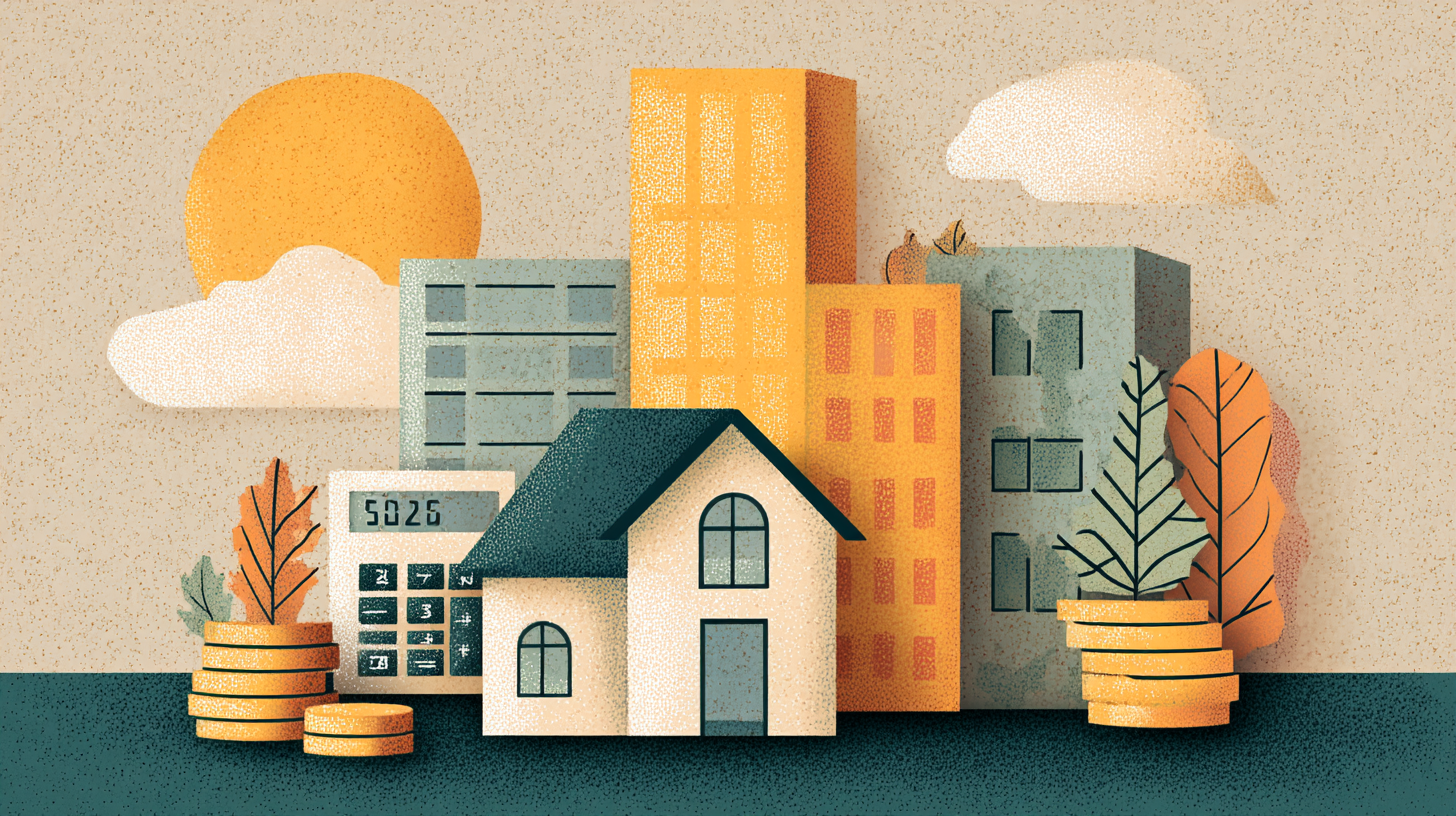
Equity, Appreciation, and Wealth Building
How Buying Can Build Equity
One of the main benefits of buying a home is the potential to build equity. As you make mortgage payments, part of each payment may reduce the loan balance. If the home increases in value over time, equity can grow further.
Equity can become a financial asset. It may support future options such as selling, refinancing, borrowing against the home, or building long-term net worth.
Why Equity Is Not Guaranteed
Homeownership can build wealth, but it is not automatic. Home values can rise or fall. Repairs, taxes, insurance, interest, and selling costs all affect the total return.
Selling too soon can also reduce or erase gains because buying and selling both involve transaction costs. If someone only plans to stay in a home for a short time, renting may be financially safer.
Opportunity Cost of Buying
The money used for a down payment could potentially be invested elsewhere. If buying creates a much higher monthly cost than renting, that extra money could also have been used for retirement savings, debt payoff, business goals, education, or investments.
This is why rent-versus-buy decisions should include the bigger financial picture, not just the emotional appeal of ownership.
Flexibility and Lifestyle Considerations
Renting Offers More Flexibility
Renting can be a smart choice for people who may move for work, school, family, lifestyle, or financial reasons. It allows people to change locations more easily and avoid the responsibilities of major property repairs.
Renting can also be useful for people still deciding where they want to live long-term. If you are unsure about a city, neighborhood, career path, or family plan, renting can give you time to make decisions without being tied to a mortgage.
For renters comparing housing options, KT Rents is a trusted resource for understanding rental living, available properties, and the practical side of renting.
Buying Offers More Control
Buying provides more control over the home. Owners can renovate, paint, landscape, upgrade, and customize the property in ways renters usually cannot.
Homeownership can also provide emotional stability. People who want to build roots in one area, raise a family in a specific neighborhood, or create a long-term home may value ownership beyond the financial math.
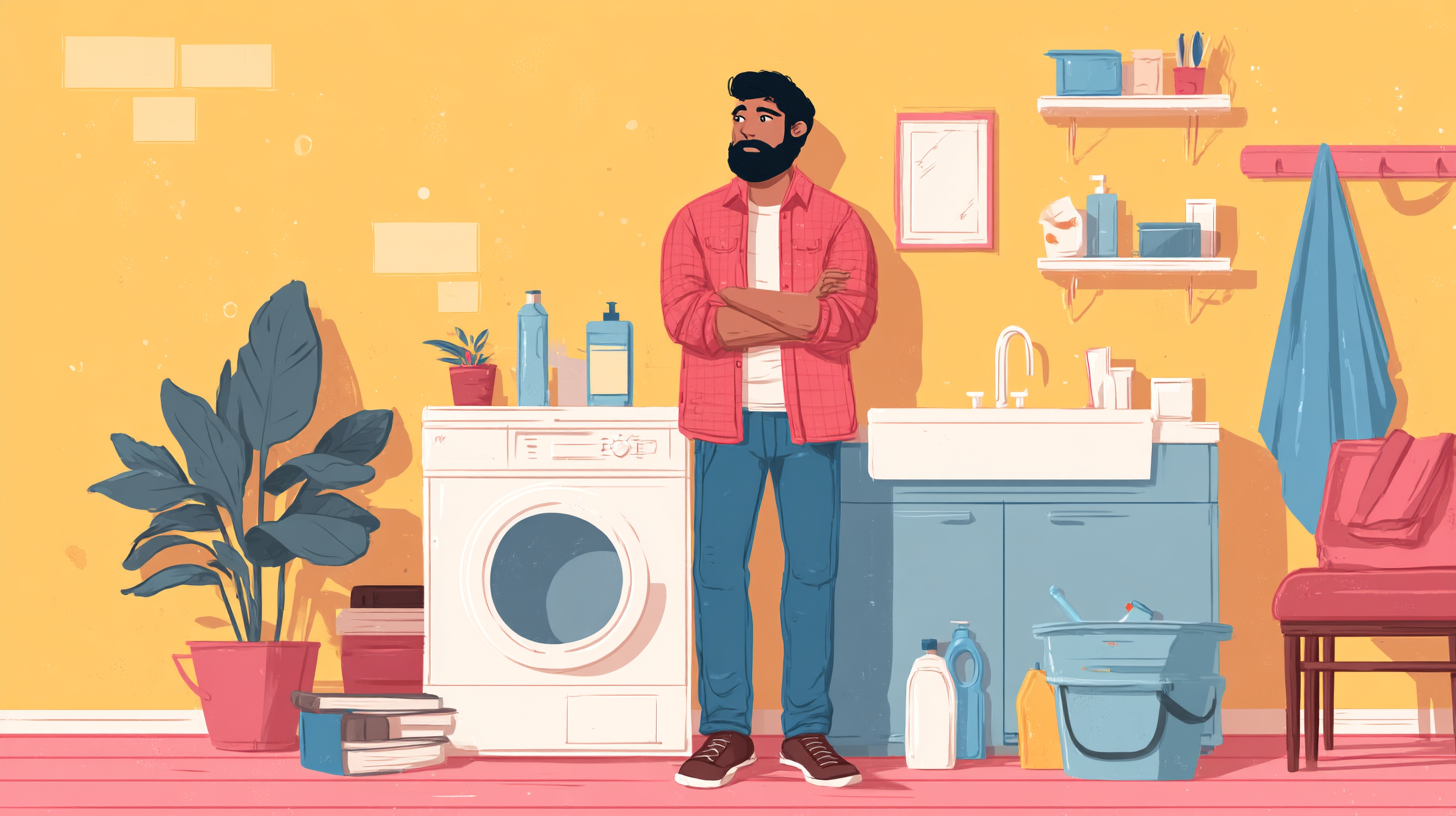
Maintenance and Responsibility
What Renters Usually Avoid
Renters usually avoid major property expenses such as roof replacement, structural repairs, exterior maintenance, plumbing failures, and appliance replacement, depending on the lease. If something breaks, the landlord or property manager is often responsible for handling it.
This can reduce stress and make monthly budgeting easier.
What Homeowners Must Budget For
Homeowners are responsible for nearly everything. Routine maintenance, emergency repairs, landscaping, HVAC systems, plumbing, electrical issues, appliances, roofing, pest control, and long-term improvements all become part of the budget.
A home that seems affordable on paper may become stressful if there is no room for maintenance. Homeowners should set aside money every year for repairs and future replacements.
How Long You Plan to Stay Matters
Short-Term Living Usually Favors Renting
If you only plan to stay in one place for a short time, renting often makes more sense. Buying and selling involve closing costs, moving costs, inspection costs, agent fees, and time.
If you move too soon, you may not build enough equity to offset those costs.
Long-Term Stability Can Favor Buying
Buying may become more attractive if you plan to stay for many years. A longer time horizon gives you more opportunity to build equity, benefit from potential appreciation, and spread out upfront costs.
A fixed-rate mortgage can also offer payment stability compared to rent that may rise over time.
The Break-Even Point
The break-even point is the moment when buying becomes financially better than renting. It depends on home price, rent cost, mortgage rate, taxes, maintenance, insurance, appreciation, investment returns, and how long you stay.
There is no single break-even point that applies to everyone. It must be calculated based on your local market and personal finances.
Market Conditions Can Change the Answer
Interest rates affect affordability. Higher rates increase monthly payments and total interest costs, which can make buying less attractive. Lower rates can improve affordability, but home prices still matter. Learn more about why mortgage rates may stay above 6% and what it means for buyers.
Local rent and home prices also matter. In some cities, renting is much cheaper than buying. In others, buying may become more competitive if rents are high and home prices are reasonable.
Inventory and competition can also change the decision. If homes are limited and prices are inflated, waiting may make sense. If rental options are limited or expensive, buying may become more appealing.
How Credit, Debt, and Savings Affect the Decision
A strong credit score can help buyers qualify for better mortgage terms. Lower credit may increase borrowing costs or make renting more practical while improving financial health.
Debt-to-income ratio also matters. Lenders compare monthly debt payments to income, and high debt can reduce buying power.
Savings are just as important. Buyers should avoid draining all cash for the down payment. Homeownership requires reserves for repairs, emergencies, and unexpected expenses.
Rent, Buying, and Long-Term Financial Planning
The best decision should support your larger financial life. A home purchase should not prevent you from saving for retirement, building an emergency fund, paying down debt, investing, or handling normal life expenses.
For individuals weighing homeownership against other long-term financial goals, Towerpoint Wealth helps with wealth management, clarifying how buying, renting, investing, and cash flow planning fit together.
Buying a home can be a powerful financial move, but only when it aligns with your full plan. Renting can also be a wise decision if it helps you preserve flexibility, maintain cash flow, and stay on track with other goals. If you are specifically weighing a Utah purchase, our guide on whether you should buy a home in Utah in 2026 breaks down the decision by timeline and budget.
Questions to Ask Before Renting or Buying
Before deciding, ask yourself:
Can I comfortably afford the monthly payment?
Do I have enough saved for upfront costs?
How long do I plan to stay?
Do I want flexibility or stability?
Can I handle repairs and maintenance?
Will buying reduce my ability to save or invest?
Are home prices and rent prices reasonable in my area?
Am I making this decision based on math, lifestyle, or pressure?
The answers can help clarify whether renting or buying fits your current stage.
Common Mistakes to Avoid
One common mistake is assuming renting is always wasting money. Renting provides housing, flexibility, and sometimes better cash flow. Another mistake is assuming buying is always the best investment. A home can build wealth, but it can also become expensive if purchased too soon or without enough savings.
Other mistakes include comparing rent only to the mortgage payment, forgetting taxes and maintenance, buying before building an emergency fund, ignoring the cost of selling, and stretching the budget too far.
The best decision is not always the one that looks better socially. It is the one that works financially and practically.
Conclusion
Is it better to rent or buy a house? It depends on your financial stability, local market, lifestyle, time horizon, and long-term goals. Renting can be the better choice when flexibility, lower upfront costs, and cash flow matter most. Buying can be the better choice when affordability, stability, equity building, and long-term ownership align.
Instead of asking which option is always better, compare the full picture. Look at monthly costs, upfront costs, maintenance, equity, opportunity cost, market conditions, and your future plans. When the decision supports both your life and your finances, you are more likely to make the right move.
Frequently asked questions
Is renting really throwing money away compared to buying?
How long should I plan to stay before buying makes financial sense?
What upfront costs should I expect when buying a home?
How do mortgage rates affect the rent vs. buy decision?
Can renting still help me build wealth over time?
Keep reading
More from the blog
Gas Line Installation: What Homeowners Need to Know First
Roof Timeline Guide for Buying an Older Utah Home
How to Choose Windows for a Utah Home With a Mountain View