Should a Utah Seller Accept an FHA or VA Offer? What the Loan Addendum Commits Each Side To
An FHA or VA offer in Utah comes with a state addendum that changes the appraisal rules, caps the seller's repair bill and can require a pest report. Here is what each side is agreeing to and how to compare it with a conventional offer.
Two offers arrive on the same Utah home at the same price. One buyer has a conventional loan. The other is using an FHA or VA loan. Many sellers assume the conventional offer is safer without knowing exactly why, and many FHA and VA buyers do not know what their loan type asks of the seller.
The difference is spelled out in one two-page document, the FHA/VA Loan Addendum to Utah's Real Estate Purchase Contract. The state updated it on Nov. 1, 2026. This article goes through what the addendum says, what it adds to a seller's obligations, and how both sides can use it well.
General information about the state form, not legal or lending advice.
Why There Is a Separate Addendum
FHA loans are insured by the Federal Housing Administration, and VA loans are guaranteed by the Department of Veterans Affairs. Both programs have their own appraisal rules and require certain protections for the borrower to be written into the purchase agreement. Utah handles that with a state-approved addendum.
The main contract makes the point directly: a buyer may check boxes for a conventional, FHA, VA or USDA loan, and the form states that only if the buyer and seller agree to the FHA/VA Loan Addendum will the buyer be able to obtain an FHA or VA loan. A seller who signs the contract but refuses the addendum has, in effect, declined that financing.
What the Addendum Says, Section by Section
| Section | What it does |
|---|---|
| 1 | The buyer states an intent to live in the home as a primary residence |
| 2 | The buyer marks whether the loan is FHA or VA |
| 3 | If the price is above the FHA or VA appraised value, the buyer does not have to complete the purchase and does not lose the earnest money |
| 4 | The seller agrees to make repairs the appraisal requires, up to a dollar limit written in the blank |
| 5 | If FHA or VA rules require it, the seller provides a pest report and pays to treat termites and repair damage, up to a second dollar limit |
| 6 | For FHA loans, both sides certify that the contract shows the whole deal |
| 7 | Where the contract conflicts with FHA or VA law, that law controls |
The Appraisal Protection Is Stronger Than Usual
In a conventional sale, a buyer who wants protection against a low appraisal checks the appraisal condition and has to cancel by the Appraisal Deadline. Miss the date and the protection is gone.
Section 3 of the addendum works differently. It applies "notwithstanding the Appraisal Deadline." If the purchase price is higher than the value set by the VA appraisal, or higher than the FHA appraised value, the buyer is not obligated to complete the purchase and does not forfeit the earnest money. The buyer may still choose to go ahead and pay the difference in cash.
For a seller, that means a low FHA or VA appraisal leads to one of three outcomes:
- The seller lowers the price to the appraised value.
- The buyer brings extra cash to cover the gap, or the two sides split it.
- The sale ends and the buyer's deposit is returned.
Pricing the home in line with recent sales is the best defense. The addendum also notes that neither agency warrants the value or condition of the property and that an FHA or VA appraisal is not a home inspection. Buyers still need their own inspection during due diligence.
Required Repairs and the Seller's Cap
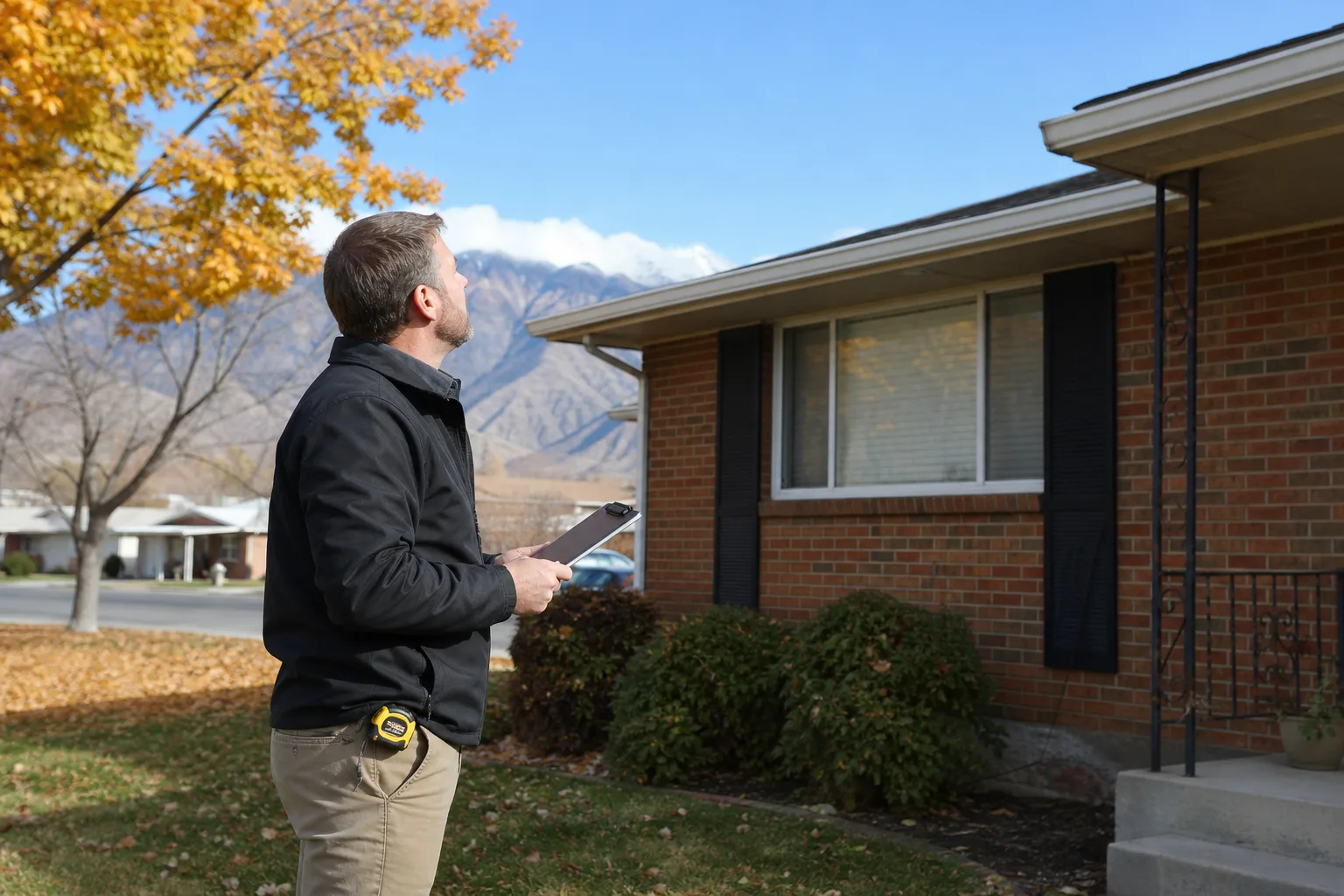
FHA and VA appraisers look at more than value. They also check that the home meets the program's basic standards for safety, soundness and sanitation, and they can call for repairs before the loan will close. Commonly flagged items include peeling paint on homes built before 1978, missing handrails, a roof near the end of its life, broken windows, exposed wiring, and utilities that are not working at the time of the visit.
Section 4 puts a number on the seller's exposure. The seller agrees to make all repairs the appraisal requires, provided the cost does not exceed the amount written in the blank. That blank is the most important negotiation in the document:
- If the blank is zero or very low, the seller has promised little, and any required repair above that amount gives the buyer the right to cancel.
- If the blank is generous, the buyer's loan is safer, and the seller has taken on a real obligation.
The current version of the form is explicit about what happens when repairs cost more than the cap. The buyer is not obligated to complete the purchase and may cancel in writing by the Appraisal Deadline, with the earnest money returned. In practice the two sides usually talk first: the seller can agree to a higher amount, the buyer can pay for part of the work where the lender allows it, or the price can change.
One practical limit: required repairs normally have to be finished before closing, and the appraiser or lender confirms them. A seller cannot simply give a credit for a lender-required repair and leave the work undone, so timing matters as much as cost.
The Pest Report
Section 5 applies only when FHA or VA rules call for it on the particular property. In that case the seller furnishes a current pest control report showing the home free of termite infestation. If termites are found, the seller pays to eradicate them and repair the damage, up to a separate dollar limit written in that section. The form says this amount is in addition to the repair cap in Section 4. The buyer's lender can say early in the transaction whether a report will be required.
What Stays the Same
Everything in the main contract that the addendum does not change still applies. The buyer still has a due diligence period for inspections, the seller still provides the same disclosures, and the earnest money rules for the financing condition are the same. The seller also agrees to sign lender-required documents that do not substantially deviate from the contract. Background on the main form is in what changed in Utah's new Real Estate Purchase Contract.
Seller Contributions Have Program Limits
FHA and VA buyers often ask the seller to help with closing costs, since these loans are popular with buyers who have smaller down payments. The programs allow it within limits. HUD guidance permits a seller to contribute up to 6% of the sales price toward an FHA buyer's closing costs, prepaid items and related charges. The Department of Veterans Affairs does not cap ordinary closing cost credits but limits seller concessions, such as paying the VA funding fee, to 4% of the home's reasonable value. The buyer's lender confirms the limit for the specific loan. How these credits fit into the whole picture is covered in who pays which closing costs in Utah.
How Sellers Should Compare an FHA or VA Offer
A government-backed loan is not a weaker offer by definition. FHA and VA buyers are approved by the same lenders and close every day. What changes is where the risk sits. A fair comparison looks at:
- The home's condition. A well-maintained house is unlikely to draw repair requirements. A home with deferred maintenance is more likely to, and the same issues would probably come up in any buyer's inspection.
- The price against recent sales. If the price is supported by comparable sales, the appraisal protection rarely comes into play.
- The repair cap being requested. A modest, specific number is easier to accept than an open-ended one.
- The buyer's approval. A full underwriting approval is stronger than a short prequalification letter, whatever the loan type.
- Net proceeds. Compare what each offer leaves after requested credits, not just the headline price.
- Timeline. Ask the lender how long its FHA or VA appraisals are taking and set the deadlines to match.
Sellers should also remember who the VA buyer is. The program serves service members, veterans and eligible surviving spouses, and Utah has a large military community around Hill Air Force Base in Davis and Weber counties. Turning down those offers by habit shrinks the pool of buyers in places like Layton, Clearfield and Ogden.
How Buyers Can Make an FHA or VA Offer Stronger
- Get fully approved first and include the lender's letter with the offer.
- Look at the house the way the appraiser will. Peeling paint, missing rails and a worn roof are worth raising before the offer, not after.
- Ask for a realistic repair cap. A reasonable number shows the seller the limit of the commitment.
- Keep the requested credit within what the loan allows and what the monthly budget needs.
- Offer a solid earnest money deposit. It signals commitment; the rules are in how earnest money works in Utah.
- Have the lender call the listing agent. A direct conversation about the approval answers many of a seller's worries.
- Consider taking over an existing loan. FHA and VA loans can be assumed by a qualified buyer, sometimes at a much lower rate. See how VA loan assumptions work for Utah buyers and current Utah homes with assumable loans.
More on the loans themselves is in FHA loan requirements explained and VA loan pre-approval in Utah.
Bottom Line
The FHA/VA addendum gives the buyer firmer protection on value and gives the seller a defined, capped duty on repairs. A seller with a sound house and a realistic price gives up very little by accepting it. A seller with a home that needs work should decide on a repair number in advance. Buyers and sellers can find homes and market data for every Utah city on Best Utah Real Estate.
Posted by Kristopher Larson
Frequently asked questions
Does a Utah seller have to accept an FHA or VA offer?
No seller is required to accept any particular offer. An FHA or VA purchase needs the seller to agree to the state's FHA/VA Loan Addendum, and the main contract says the buyer can obtain that loan only if both sides agree to it.
What happens if an FHA or VA appraisal comes in below the purchase price?
Under the addendum the buyer does not have to complete the purchase and does not lose the earnest money. The seller can lower the price, the buyer can pay the difference in cash, the two can split it, or the sale ends.
Does the seller have to make repairs for an FHA or VA loan?
The seller agrees to make repairs the appraisal requires up to the dollar limit written in the addendum. If required repairs cost more than that limit, the buyer may cancel by the Appraisal Deadline and get the earnest money back, unless the two sides agree on a new arrangement.
Is a termite inspection required for FHA or VA loans in Utah?
Only when FHA or VA rules require one for the property. If it is required, the seller provides a current pest control report and pays for treatment and damage repair up to a separate limit set in the addendum.
How much can a seller contribute to an FHA or VA buyer's costs?
HUD guidance allows up to 6% of the sales price toward an FHA buyer's closing costs and prepaid items. The VA does not limit ordinary closing cost credits but caps seller concessions at 4% of the home's reasonable value. The lender confirms the limit for the loan.
Is an FHA or VA appraisal the same as a home inspection?
No. The addendum states that an FHA or VA appraisal is not a property inspection and that neither agency warrants the home's value or condition. Buyers should still hire their own inspector during due diligence.
Keep reading
More from the blog
PCS Orders to Utah: Home Search Checklist for Military Families

How Bridge Design Improves Mixed-Use Development Connectivity

Smart Bedroom Upgrades That Add Comfort and Home Value