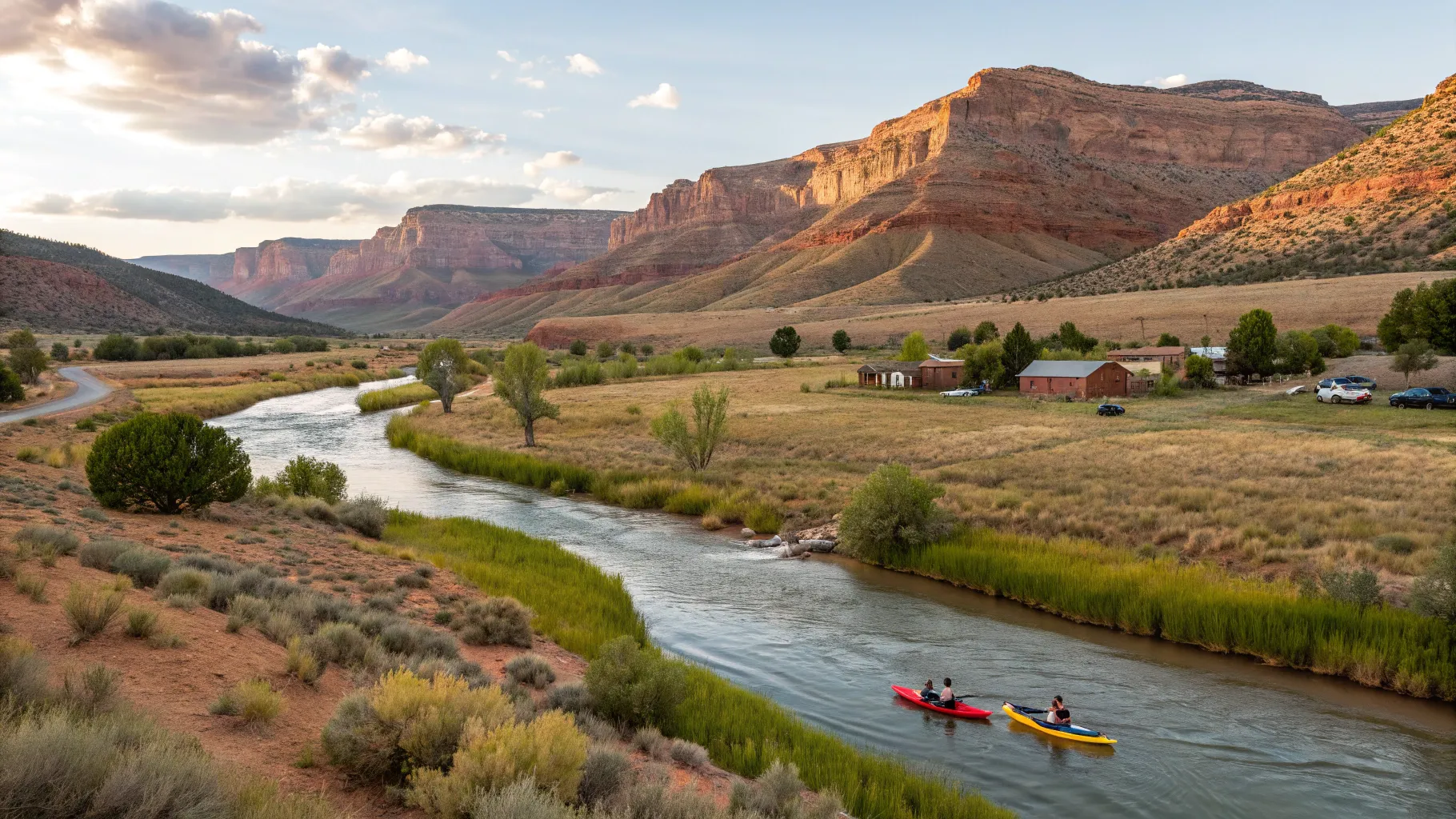
Things to do in Altamont
Explore Altamont, Utah — a basecamp for High Uintas hikes, boating at Starvation State Park, scenic drives and family-friendly camping. Visitor tips and real estate insights.
Altamont, Utah, sits at the crossroads of wide-open high desert, river valleys, and high mountain country. The small town serves as an accessible basecamp for a surprising variety of outdoor recreation, cultural points of interest, and scenic drives that are ideal for families, solo adventurers, and investors seeking lifestyle-oriented properties. This guide examines the best things to do in and around Altamont — from hiking and water sports to archaeological sites and nearby state and national recreation areas — and provides practical tips for planning visits, assessing real estate opportunities, and safely enjoying the region.
Overview: Why Altamont is an outdoor and lifestyle destination
Altamont’s geographic position in northeastern Utah places it within reach of mountain forests, reservoirs, and desert landscapes. The proximity to the High Uintas Wilderness Area, Ashley National Forest, and multiple state parks creates year-round options for recreation. The locale is especially attractive to buyers and visitors who prioritize access to nature over high-density urban amenities. For families, the area offers safe, accessible outdoor activities and a quiet community setting; for investors, seasonal tourism and nearby recreation help support short-term rental demand and lifestyle-driven appreciation.
For those exploring market options or beginning a property search near Altamont, the portal provides listings and local market overviews that can help identify homes or land that combine quiet rural living with easy access to outdoor amenities.
Top outdoor activities around Altamont
Altamont’s outdoor recreation is varied and accessible. The following subheadings cover hiking and camping, water activities, scenic drives and off-roading, and other active pursuits.
Hiking and camping — trails for all levels
The High Uintas Wilderness Area is the headline attraction within easy driving distance of Altamont. This nationally designated wilderness offers alpine lakes, sustained ridgelines, and classic high-elevation backpacking routes. Hikers seeking established day routes and family-friendly options can begin on lower-elevation trails that offer tree cover and gradual gradients, while seasoned backpackers can push to remote lakes and passes above 11,000 feet for true wilderness solitude.
Closer to town, shorter routes such as the Red Reef Trail network provide scenic canyon hikes and accessible nature walks. These trails are suitable for families and casual hikers, and they offer opportunities to experience local geology and riparian plant communities without committing to extended backcountry travel.
Camping opportunities range from front-country campgrounds in national forests to dispersed camping in Bureau of Land Management (BLM) areas. For those seeking a more comfortable outdoor experience, glamping options such as Hope Acres Glampground in nearby regions provide tent platforms, amenities, and a controlled-stay environment that appeals to visitors who prefer fewer logistics and more comfort.
Water activities — reservoirs and state parks
Water recreation in the Altamont area centers on reservoirs and state parks that combine fishing, boating, and swimming. Starvation State Park is a regional favorite for water-based activities; the park’s reservoir accommodates boating, wakeboarding, paddleboarding, and shoreline fishing. Starvation and nearby Big Sand Wash Reservoir are viable summer escapes for families and boating enthusiasts.
Smaller reservoirs and controlled-access lakes in the region generally limit motorized traffic on certain bodies of water, which makes them ideal for paddling, kayaking, and relaxed swimming. When swimming or cliff jumping — common at some reservoirs — careful depth and hazard checks are essential. Water levels and submerged hazards fluctuate seasonally and after storms, so local conditions should be verified before attempting jumps or deep-water swims.
Scenic drives — geology and quiet vistas
Scenic drives form a vital part of Altamont’s recreational appeal, especially for visitors who prefer exploration from the comfort of a car or truck. The Dinosaur Diamond Scenic Byway is a longer regional route that connects paleontological sites, canyons, and colorful badlands; this itinerary is ideal for multi-day explorations. Closer to Altamont, the Sheep Creek Geological Loop and several BLM roads provide dramatic geology and easily accessible viewpoints that are especially striking at sunrise and sunset.
Factory Butte and surrounding badlands present otherworldly formations and sweeping vistas that photograph exceptionally well. These routes often require higher-clearance vehicles, and many access roads are unpaved. Travelers should prepare for variable driving conditions and consider weather impacts when planning visits.
Off-roading and UTV trails
The area around Altamont features numerous UTV and ATV trails, ranging from flat, easy routes for newcomers to steep, technical sections for experienced riders. Off-road recreation is concentrated on public lands with established routes; riders should respect seasonal closures, dust restrictions, and responsible use guidelines. Many land managers require vehicles to be street-legal or registered for certain routes, so checking the latest BLM and forest service guidance is essential.
Cultural and historical sites worth visiting
Beyond outdoor adventure, Altamont’s surrounding communities feature cultural and historical points of interest that provide context for the region’s human and natural history.
Ancient ruins and McConkie Ranch
McConkie Ranch is a local archaeological site where visitors can see remnants of past inhabitants and ancient structures. These ruins illustrate long-term human interaction with the landscape and offer a window into indigenous and early settler lifeways. When visiting archaeological sites, responsible behavior is crucial: avoid touching artifacts, do not remove materials, and follow posted interpretive signage.
Duchesne County Veterans Memorial and local monuments
The Duchesne County Veterans Memorial provides a place for reflection and civic remembrance. Local monuments and memorials foster community identity and often serve as gathering points for commemorations and regional events. These sites can be part of a short driving tour through nearby communities for those interested in local history and civic landmarks.
Local shops and markets
Small-town charm shines through local shops such as community flea markets and carry-all stores. Establishments like “Junk in the Trunk” and similar local markets offer unique finds, antiques, and regional crafts that reflect the area’s culture. These retail stops are ideal for visitors who appreciate locally produced goods and one-of-a-kind souvenirs.
Nearby towns and day-trip destinations
Altamont’s location provides convenient access to a series of nearby towns and recreational hubs. Short drives can deliver golf courses, parks, and municipal amenities.
Roosevelt
Approximately 15 miles from Altamont, Roosevelt offers municipal amenities such as the Roosevelt Municipal Golf Course and Constitution Park. Roosevelt’s compact downtown area includes dining options and services that complement an outdoor-focused itinerary.
Ashley National Forest and the High Uintas
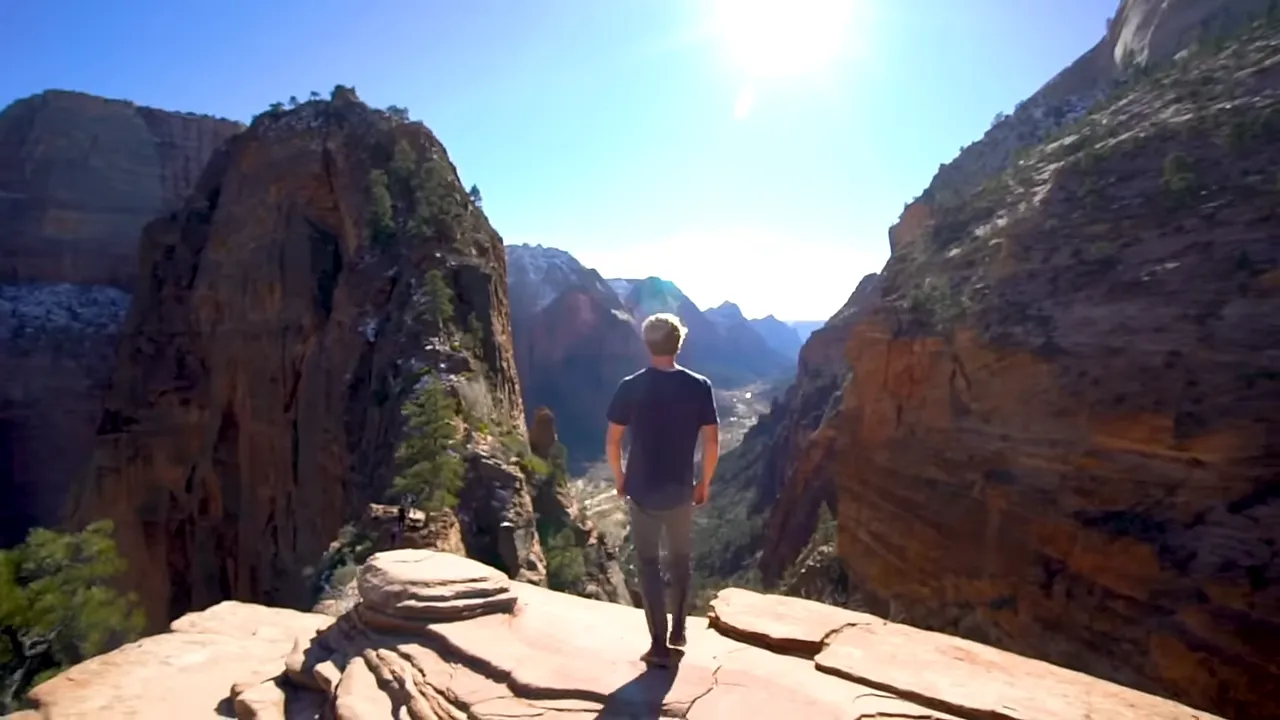
For mountain scenery and forest recreation, a drive into Ashley National Forest and the High Uintas is recommended. These destinations expand the recreational palette, offering alpine fly-fishing, backcountry skiing in winter, and long-distance hiking in summer. Wilderness permits and trailhead parking practices are enforced for overnight stays; consulting forest service communications ensures compliance with regulations and helps protect fragile alpine ecosystems.
Specialty experiences and unique landscapes
Within a reasonable day-trip distance, an array of unique geological and artistic locations create memorable outings.
Geologic oddities and desert sculptures
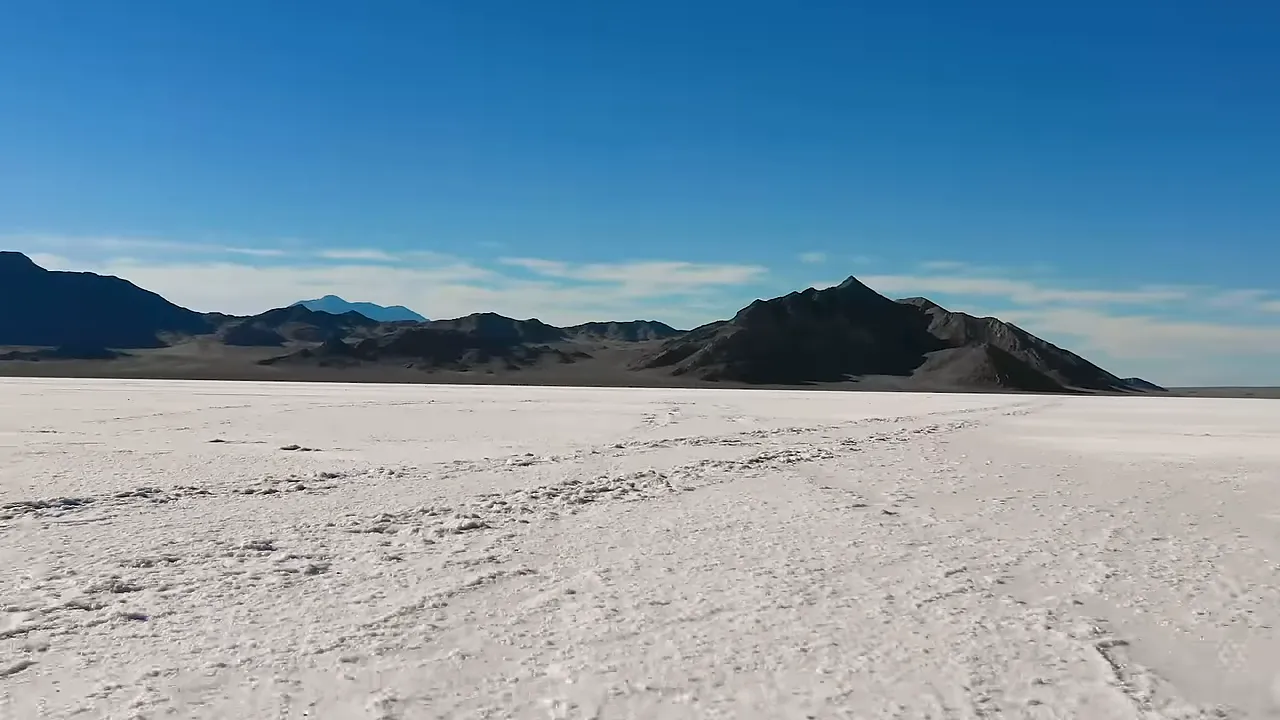
Iconic formations and human-altered landscapes nearby provide striking photo opportunities and contemplative spaces. Locations such as the Spiral Jetty — an earthen artwork built into the Great Salt Lake — and Factory Butte’s jagged hoodoos and mudflats are examples of places where geology and human expression overlap. For visitors, these sites reward patience and timing: tides, salinity-driven algal blooms, and seasonal lighting dramatically change the character and color of these sites.
Thermal springs and unique swimming experiences
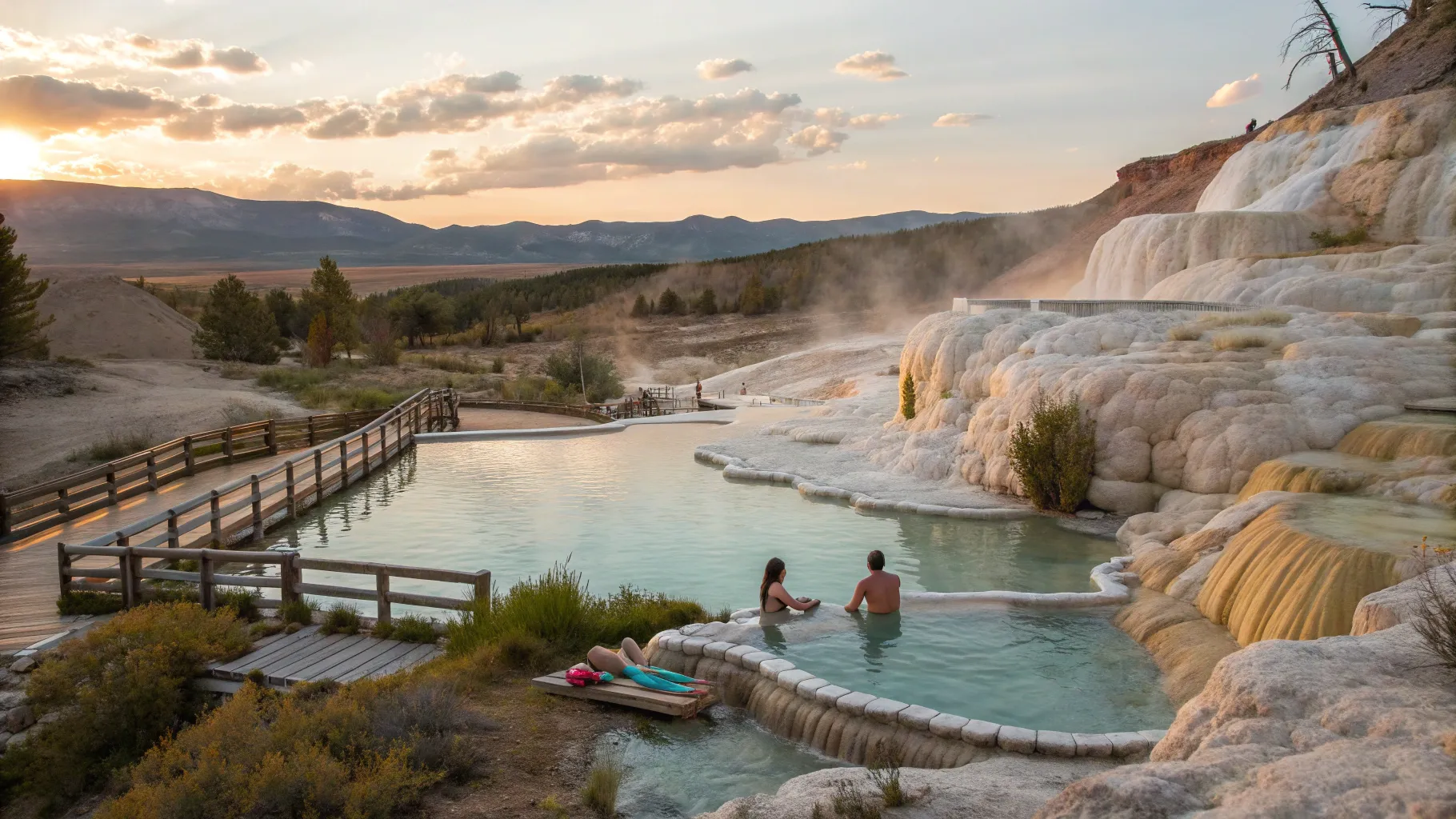
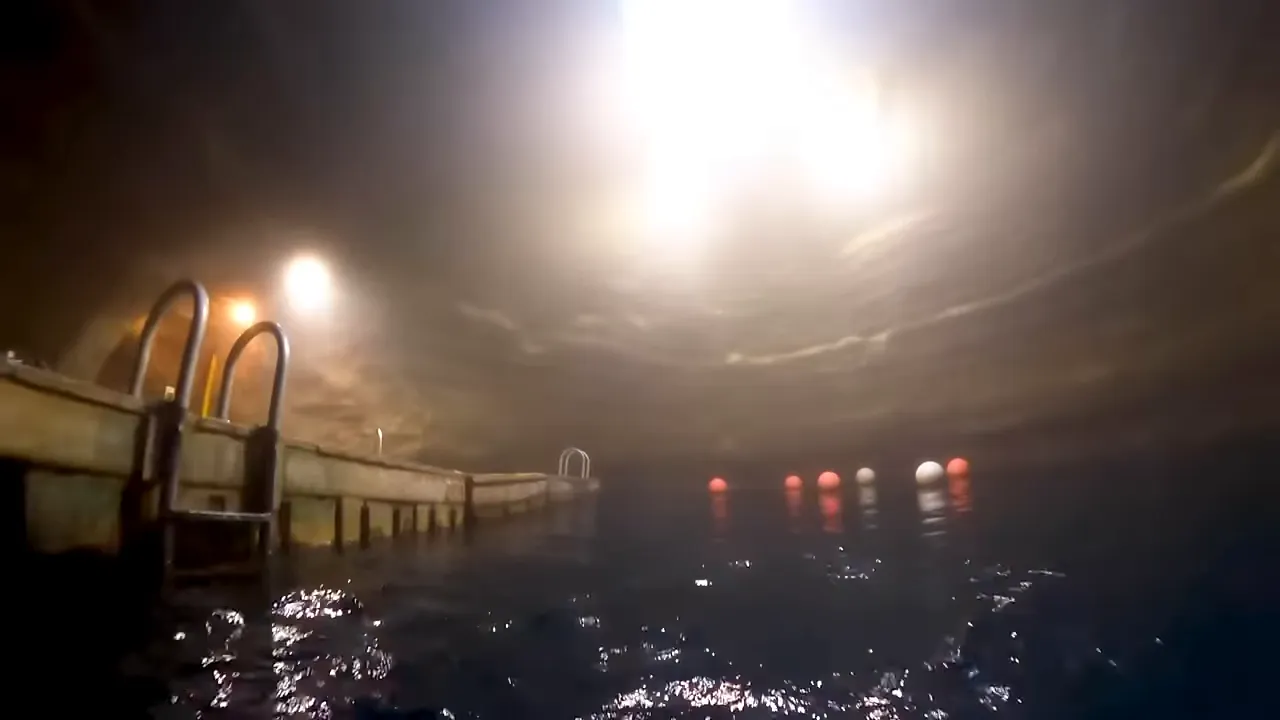
Thermal springs and geothermal features offer another dimension to water recreation. Enclosed hot springs and mineral domes in the region create warm-water swimming experiences year-round and provide low-impact relaxation after long hikes or drives. Many of these features have entry fees and seasonal hours, so advance planning and ticketing checks are recommended.
Practical planning and safety tips
Altamont and its surrounding landscapes range from high-elevation alpine routes to exposed desert flats. Safe, enjoyable exploration depends on a few consistent practices.
- Seasonal timing: High-elevation areas in the High Uintas become snowbound during winter months, while desert locales can be exceptionally hot in mid-summer. Spring and fall often provide the best balance for hiking, fishing, and scenic driving.
- Water and sun protection: Pack adequate water, sun protection, and clothing layers. Even short hikes can become hazardous without proper hydration and sun protection in high-desert conditions.
- Vehicle preparedness: Unpaved roads, sand, and mud require appropriate vehicle choices. High-clearance and four-wheel-drive vehicles are recommended for remote access; emergency supplies and basic recovery gear reduce the risk of being stranded.
- Check conditions and closures: Road conditions, reservoir levels, and trail closures can change rapidly. Consulting the Bureau of Land Management (BLM) or local forest service updates before travel minimizes surprises.
- Respect private land and archaeological sites: Many trails traverse a mix of public and private lands. Stay on designated routes, respect posted signage, and leave artifacts undisturbed to help preserve sites for future generations.
- Jumping and swimming safety: When encountering cliffs and natural jump points, always verify depth, check for submerged hazards, and err on the side of caution. Local water levels can hide rocks or debris, and conditions change seasonally.
Altamont real estate and lifestyle considerations
Altamont’s appeal for buyers and investors lies in lifestyle access and relative affordability compared with recreation-driven markets deeper in Utah’s resort corridors. The area attracts a mix of locals seeking quiet residential living and buyers pursuing second homes or vacation rentals that capitalize on seasonal tourism. Several considerations should guide the real estate decision-making process in the Altamont area.
Market characteristics and buyer profiles
Properties near Altamont typically appeal to buyers who prioritize land, privacy, and direct access to outdoor amenities. Single-family homes on larger lots, hobby farms, and parcels suitable for recreational cabins are common. Investors evaluating short-term rental potential should assess seasonality, local ordinances, and occupancy patterns to estimate revenue reliably.
Community infrastructure and services
Community amenities in the Altamont area are serviceable and oriented toward rural living. Municipal services, schools, and commercial offerings are often concentrated in nearby population centers like Roosevelt, which is convenient for grocery shopping, dining, and healthcare. Buyers considering relocation should weigh commute times, winter-weather accessibility, and local service levels against the lifestyle benefits afforded by rural properties.
Renovation and home-improvement tips specific to Utah homes
Homes in and around Altamont often require climate-appropriate renovation strategies. Insulation upgrades, high-efficiency heating systems, and attention to roof snow-load ratings are important for high-elevation and seasonal-use properties. Water management — including gutters, foundation drainage, and frost protection for water lines — is essential in an area with both alpine and seasonal freeze-thaw cycles. For owners planning to convert properties to rentals, creating robust, low-maintenance interior finishes while preserving rustic charm increases guest satisfaction and reduces turnover costs.
Investment considerations and ROI
Investment decisions should incorporate occupancy seasonality, access to nearby tourist draws (e.g., Starvation State Park or the High Uintas), and marketing plans that highlight proximity to outdoor activities. Properties that combine attractive outdoor access with reliable utilities and year-round access typically command higher values and experience more consistent rental demand. For data-driven buyers, referencing regional metrics from authoritative sources such as nar.realtor and state housing reports helps ground projections in current market trends.
Suggested itineraries
Short itineraries help visitors and prospective buyers visualize what a typical stay might look like and identify what parts of the region align best with their interests.
Weekend family escape (2–3 days)
Day 1: Drive to Starvation State Park for swimming, boating, and a picnic. Camp or stay in a nearby cabin.
Day 2: Morning hike on a family-friendly trail (like the Red Reef Trail), followed by an afternoon visit to local historical sites such as McConkie Ranch and the Duchesne County Veterans Memorial. Finish with a sunset drive along the Sheep Creek Geological Loop.
Adventure-focused long weekend (3–4 days)
Day 1: Arrive, stage gear, and scout local UTV trails. Evening relax at a glamping site.
Day 2: Full day in the High Uintas for a high-elevation hike or fishing trip; mountain lakes and alpine ridgelines provide the backdrop.
Day 3: Explore Factory Butte and Factory Butte mudflats; photograph landscapes and watch for desert wildlife. Add a detour to a nearby thermal spring for evening soaking if available.
Frequently asked questions
What are the best months to visit Altamont for outdoor activities?
Late spring through early fall typically offers the best weather for a broad range of activities. Spring brings wildflowers and rising reservoir levels for boating, while summer provides warm temperatures for swimming and camping. Early fall presents cooler hiking conditions and exceptional foliage at higher elevations. Winter opens opportunities for snow-based recreation in nearby mountain zones but imposes harsher travel conditions on many unpaved access roads.
Are permits required for backcountry camping in the High Uintas?
Yes, overnight backcountry camping in designated wilderness often requires permits, and some trailheads use quota systems during high season. Checking the U.S. Forest Service or Ashley National Forest pages on utah.gov for permit specifics before travel is recommended. Proper permit acquisition helps protect natural resources and ensures compliance with local regulations.
Can visitors rent boats and equipment at nearby reservoirs?
Yes, many regional reservoirs and state parks offer onsite or nearby rental options for boats, paddleboards, and fishing gear. Availability varies by season, and advanced reservations are advisable during peak summer months. For specific equipment rental options and current rules, contacting state park management or local outfitters provides the most up-to-date information.
What safety measures should be taken when cliff jumping or swimming in reservoirs?
Always verify water depth and scan for submerged rocks or debris before jumping. Avoid jumping after heavy rains when water flow and visibility change rapidly. Use the buddy system and wear a life jacket if conditions are uncertain. When in doubt, choose shallow-entry access points for safer water entry and follow posted warnings at recreation sites.
Is Altamont a good place to invest in a vacation rental property?
Altamont can be attractive to investors focused on outdoor recreation demand and rural lifestyle rentals. Key factors influencing returns include proximity to major attractions (reservoirs, trailheads, mountain access), property accessibility in all seasons, and local rental regulations. A careful analysis of seasonal occupancy trends and operating costs will provide a realistic assessment of potential ROI. Reference materials from nar.realtor and state housing reports can supplement localized market understanding.
Final considerations and next steps
Altamont presents a balanced combination of rural living and abundant outdoor access. Whether targeting a family-oriented relocation, a second-home purchase, or an investment for short-term rentals, the region offers experiences that range from alpine solitude to desert spectacle. Prospective visitors and buyers should incorporate seasonal planning, vehicle preparedness, safety practices, and awareness of regulatory requirements into their itineraries and investment analyses.
For property searches and up-to-date listings serving Altamont and surrounding areas, the portal provides a centralized starting point for locating homes, land, and local market information.
Altamont’s combination of lakes, trails, dramatic geological features, and nearby mountain wilderness creates a strong case for those who want a lifestyle rooted in the outdoors. Thoughtful planning, respect for natural and cultural sites, and informed real estate decision-making allow residents and visitors alike to enjoy the best this region offers while preserving it for future generations.
Keep reading
More from the blog
Gas Line Installation: What Homeowners Need to Know First
Roof Timeline Guide for Buying an Older Utah Home
How to Choose Windows for a Utah Home With a Mountain View