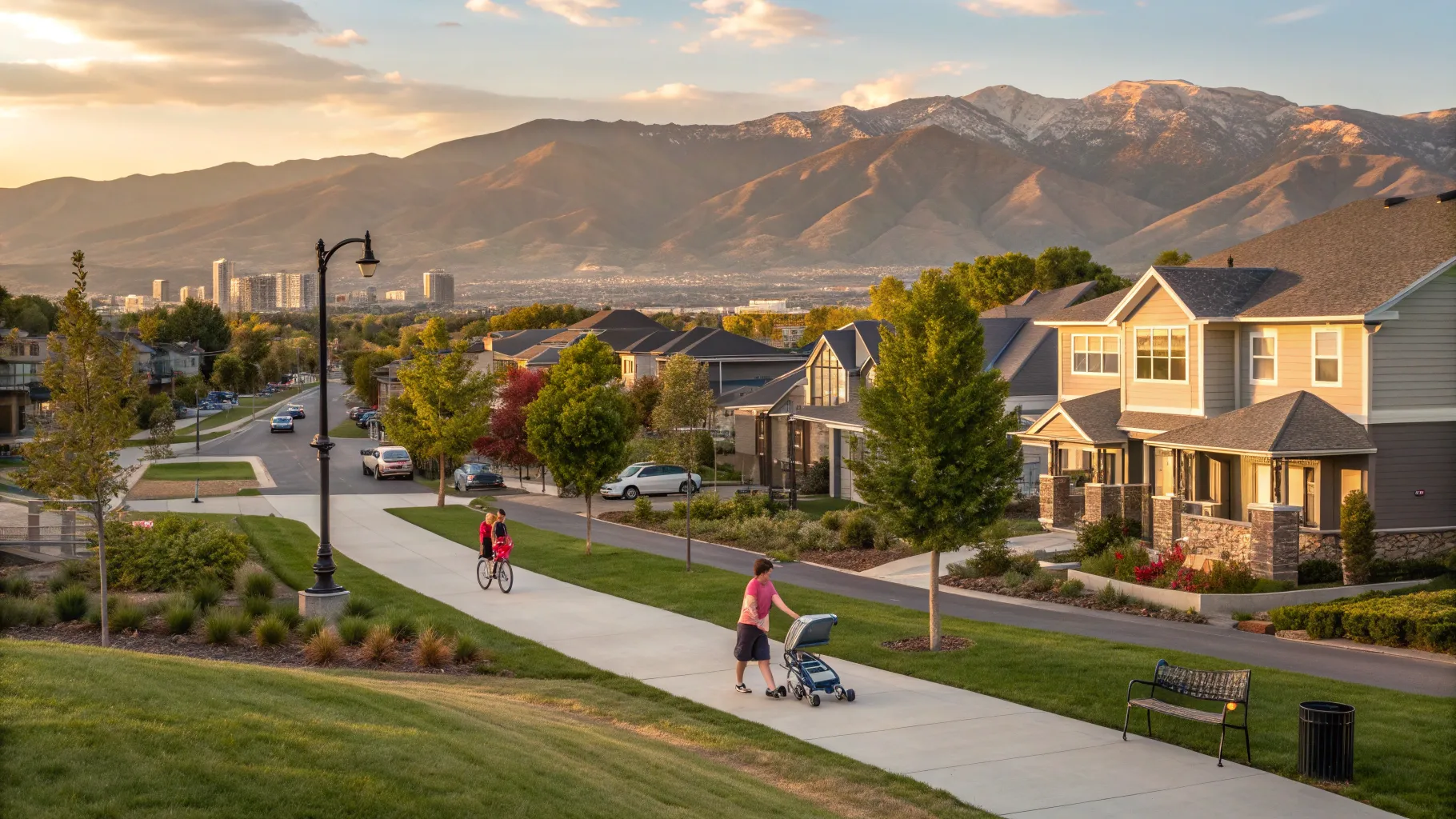
West Valley City offers a compelling blend of cultural institutions, recreational spaces, and convenient transportation hubs that shape both daily life and local real estate dynamics. For buyers, investors, and families considering a move to the Salt Lake Valley, the city's attractions are more than places to visit—they are amenities that influence neighborhood desirability, rental demand, and long-term value. This overview highlights the leading places to visit in West Valley City, explains why each destination matters for quality of life and property decisions, and provides actionable guidance for anyone evaluating the area as a place to live or invest. You can also explore every West Valley City home for sale to see what fits your budget.
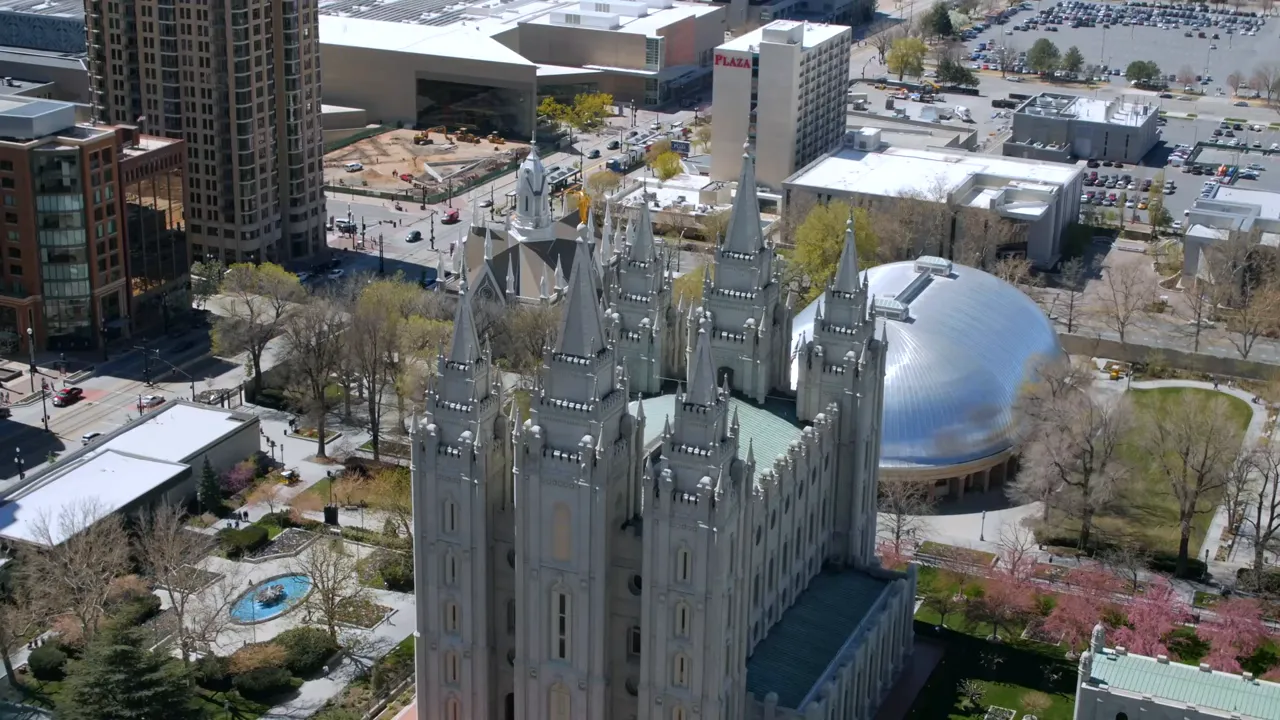
West Valley Performing Arts Center
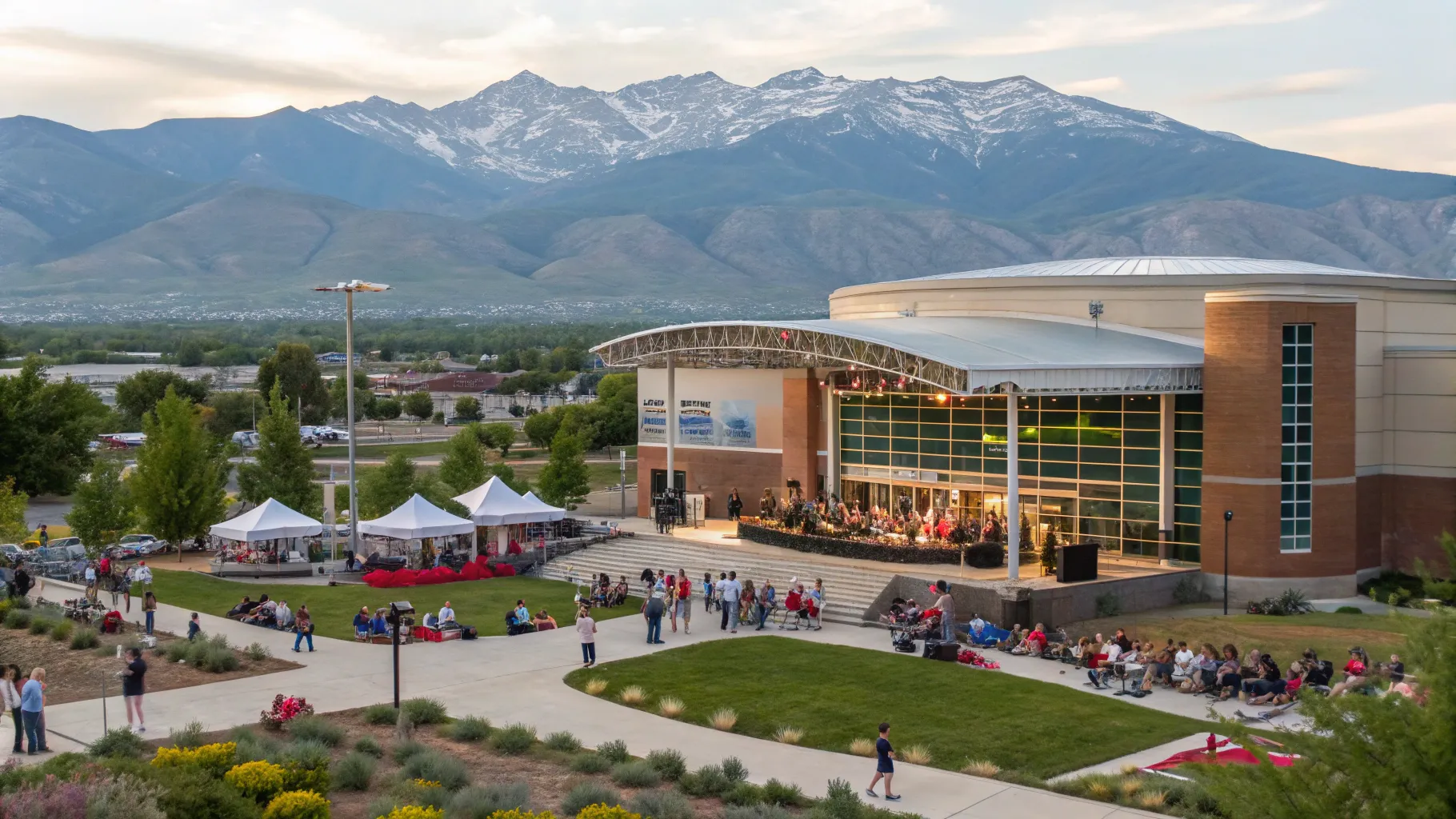
The West Valley Performing Arts Center stands as a cultural anchor, hosting theater productions, concerts, and community events that draw audiences across the region. From a real estate perspective, proximity to performing arts venues often correlates with higher foot traffic, stronger local retail demand, and an uptick in short-term rental interest during event seasons. Families and professionals who prioritize cultural access will find neighborhoods near the center particularly appealing, as evening and weekend programming contributes to a lively street-level experience. For investors, properties within a short drive or walk of the venue can command premium rents during ticketed-event periods, increasing annualized returns if managed with event-aware pricing strategies.
Maverik Center
The Maverik Center is a major arena that hosts concerts, ice events, and regional sports competitions. Large venues change the character of surrounding neighborhoods by concentrating hospitality, dining, and transportation services. Buyers should consider the trade-off between convenience and episodic noise or traffic: while event nights can be busy, the persistent economic activity they generate supports local businesses and can stabilize commercial leases nearby. For developers and investors, mixed-use projects that capture pre- and post-event spending—restaurants, bars, short-stay accommodations—typically perform well in close-in locations, creating diverse income streams beyond conventional long-term leases.
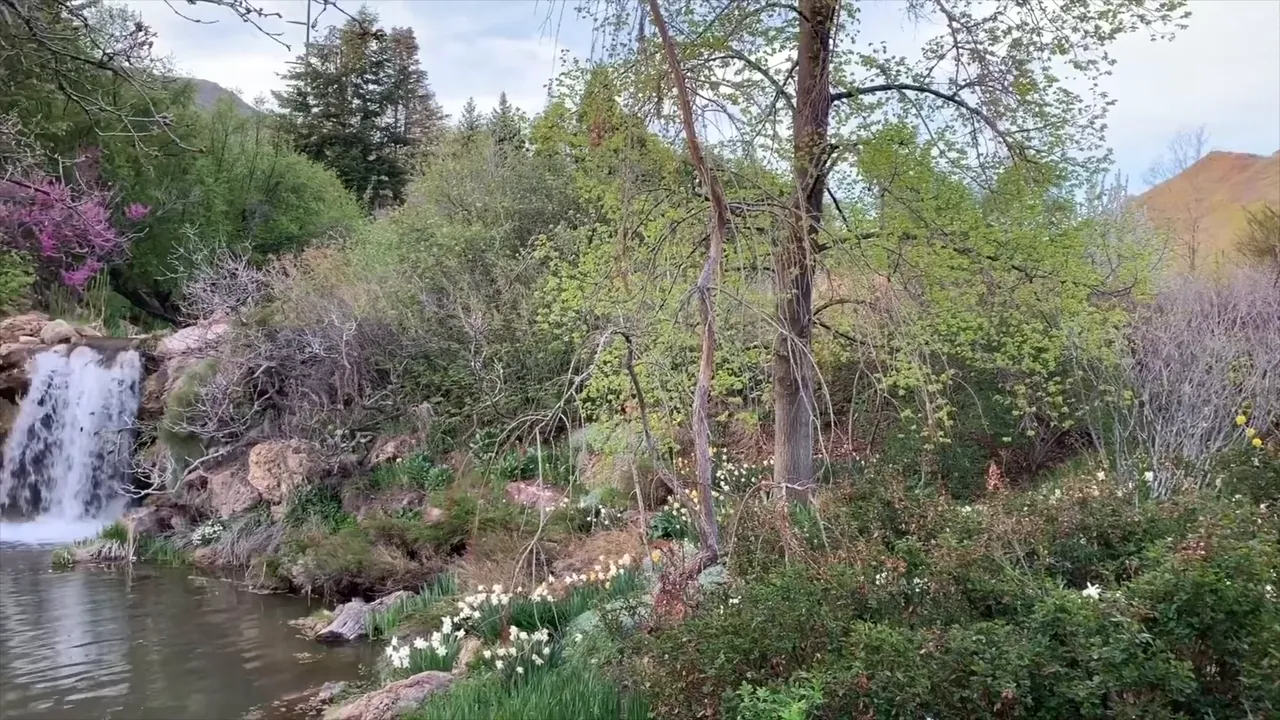
Utah Cultural Celebration Center
The Utah Cultural Celebration Center acts as a community crossroads for multicultural festivals, exhibitions, and educational programs. Its presence strengthens neighborhood cohesion and adds to civic identity, particularly for households seeking culturally engaged environments. Neighborhoods that host or neighbor such civic centers tend to attract families and older buyers who value accessible programming and well-maintained public spaces. From a market perspective, homes near active cultural centers often experience stable demand because the amenities appeal to a broad demographic—multigenerational families, professionals seeking weekend enrichment, and community-oriented renters.
Fairbourne Station
Fairbourne Station is a transit-oriented development and mobility hub that integrates light rail, retail, and office spaces. Transportation access is a cornerstone of modern real estate valuation: properties located within walkable distance to transit nodes typically enjoy reduced vacancy cycles and broader tenant pools. For young professionals, transit connectivity to major employment centers in the valley is a primary motivator when selecting a home. Investors should review local zoning and infill opportunities around Fairbourne Station, since increased demand for compact, walkable housing is likely to support higher density redevelopment and adaptive reuse projects over time.
Valley Fair Mall
Valley Fair Mall provides mid-market retail and service options that support daily life for many residents. While large malls have evolved since their peak years, those that successfully integrate entertainment, dining, and experiential tenants remain important for neighborhood convenience. Proximity to a mall like Valley Fair can enhance rental appeal for families and single professionals who value easy access to shops and services. Sellers considering market timing should note that retail anchors influence walkability scores and can be persuasive in marketing campaigns focused on convenience and lifestyle.
Decker Lake Park
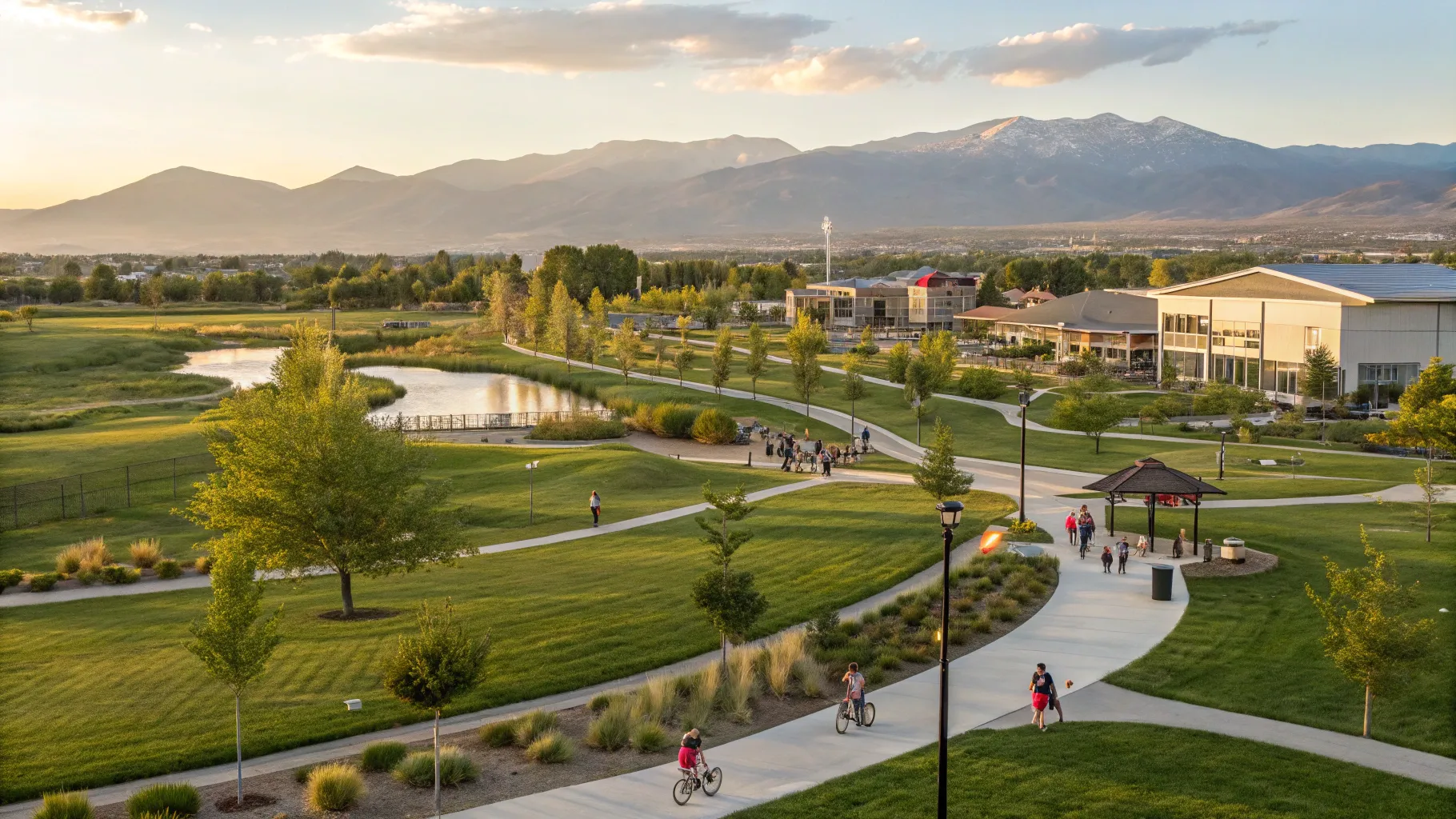
Decker Lake Park is a valuable green amenity for outdoor recreation, offering walking paths, water features, and open space for family activities. Parks are often cited among the most influential features for residential choice; buyers with children place a premium on safe, well-maintained parks and nearby recreational programming. From an investment standpoint, properties that offer direct access or views to expansive parks typically achieve stronger resale pricing and attract long-term tenants seeking a balanced urban-suburban lifestyle. Consideration should be given to seasonal programming at Decker Lake Park—regular events can reinforce neighborhood cohesion and sustain local commerce.
Waterpocket Distillery
Waterpocket Distillery represents the growing niche of craft beverage producers that contribute to local culinary scenes and tourism. Distilleries and craft producers often become informal community hubs offering tours, tastings, and event space. Their presence indicates a developing food-and-beverage cluster, which is attractive to amenity-driven buyers and renters. For small-scale investors, opportunities exist in adjacent commercial properties—tasting rooms and boutique retail spaces can benefit from the spillover traffic generated by tasting events and weekend tourism.
Bridle Farms Park
Bridle Farms Park highlights the city's neighborhood-level green infrastructure, including playgrounds, walking trails, and open lawns. As a microcosm of community life, such parks support day-to-day living needs for families with school-age children and contribute to the perceived safety and walkability of surrounding streets. When evaluating homes, buyers should weigh park proximity against potential noise and parking demands. Long-term property value tends to favor locations that balance access to green space with convenient access to retail and transit.
How Attractions Shape Neighborhood Choice and Property Strategy
Attractions in West Valley City create a layered profile of livability that appeals to distinct buyer segments. Cultural and entertainment venues attract lifestyle-oriented buyers and renters who prioritize evening and weekend activities. Transit hubs like Fairbourne Station appeal to commuting professionals who trade longer commute times for lower housing costs. Parks and family-friendly amenities drive demand among households prioritizing school convenience and outdoor recreation. Investors should align acquisition strategies with the dominant demand drivers in each micro-market: near the Maverik Center and Fairbourne Station, short-term event-driven income strategies and multifamily developments may prevail; near parks and cultural centers, single-family rentals and owner-occupier markets often show resilience.
Practical Step-by-Step Guide for Buyers Considering West Valley City
- Define priorities: Identify the most important features—transit access, cultural venues, parks, or retail convenience. Prioritization clarifies neighborhood selection and budget allocation.
- Assess commute and transit: Evaluate proximity to Fairbourne Station and transit routes relevant to employment centers. Commute times strongly influence long-term satisfaction and resale appeal.
- Review zoning and future projects: Investigate municipal plans for redevelopment around Maverik Center, Fairbourne Station, and other anchor sites. Planned public investment can materially affect appreciation potential.
- Analyze rental demand: For investors, examine historical occupancy and seasonal variation linked to event calendars at the Maverik Center and Performing Arts Center.
- Balance costs and benefits: Weigh the premium for proximity to attractions against noise, traffic patterns, and parking considerations; perform scenario modeling on rental yields versus potential appreciation.
Neighborhood & Community Overview
West Valley City occupies a strategic position in the Salt Lake Valley, offering relatively affordable housing compared to some neighboring municipalities. Neighborhoods near the cultural and transit nodes present diverse housing stock—single-family homes, townhomes, and apartment complexes—creating options across price points. Investors should target areas where public and private investment intersects with community amenities, as these corridors often yield consistent demand and lower downside risk. Prospective owners seeking schools, green space, and a suburban feel will find pockets of stability near Decker Lake Park and Bridle Farms Park, while those seeking urban convenience should investigate the Fairbourne Station corridor.
Market Considerations and Investment Opportunities
Real estate in West Valley City benefits from the city's role as a cultural and transit hub within the valley. Investors targeting multifamily and mixed-use redevelopment projects should prioritize parcels within walking distance of Fairbourne Station and entertainment venues. Adaptive reuse of underutilized commercial properties near Maverik Center can capture event-driven revenue. Meanwhile, single-family homes near parks and schools are well-suited for long-term rental strategies aimed at families. Risk assessment should include potential short-term disturbances from event schedules and the lifecycle of retail tenants within the Valley Fair Mall and surrounding retail strips.
Resources and Further Reading
For those researching local regulations and community data, official sources such as utah.gov and census.gov provide municipal planning documents and demographic statistics. To explore property listings, neighborhood snapshots, and market trends across Utah, visit the resource:
Frequently Asked Questions
What are the most family-friendly attractions in West Valley City?
Family-friendly attractions include Decker Lake Park and Bridle Farms Park, both of which provide playgrounds, open lawns, and safe walking paths suitable for children and family gatherings. The West Valley Performing Arts Center and Utah Cultural Celebration Center host daytime and weekend programming that appeals to families seeking educational and entertainment options, while the Maverik Center occasionally offers family-oriented events. These destinations contribute to a neighborhood environment that emphasizes outdoor activity, civic engagement, and accessible programming—criteria often prioritized by families evaluating school districts and community safety.
Is West Valley City a good option for homebuyers looking for affordability near Salt Lake City?
West Valley City frequently represents a more affordable entry point into the Salt Lake Valley relative to some adjacent municipalities. The city's mix of single-family homes, townhomes, and apartment complexes provides a range of price points. Homebuyers prioritizing savings without sacrificing access to cultural and transit amenities will find compelling options, particularly in neighborhoods that balance proximity to Fairbourne Station and local parks. As with any market, buyers should perform due diligence on neighborhood trends, school performance, and planned public investments that could influence future values.
How do local attractions affect rental demand and property values?
Local attractions increase walkability, entertainment options, and perceived lifestyle value, which together raise demand among renters and owner-occupiers. Transit access from Fairbourne Station expands the tenant pool by offering convenient commuting alternatives. Event venues like the Maverik Center and performing arts spaces generate episodic demand that can be monetized by short-term rentals and hospitality-adjacent businesses. Over time, consistent cultural programming and improved connectivity tend to lift nearby property values, though investors should account for possible noise, parking, and traffic trade-offs when underwriting potential returns.
Which neighborhoods near Fairbourne Station offer the best long-term appreciation potential?
Neighborhoods near Fairbourne Station show potential due to transit-oriented development, mixed-use opportunities, and municipal focus on walkable infrastructure. Long-term appreciation often correlates with walkability, access to transit, and the presence of steady commercial activity. Investors and buyers should evaluate zoning allowances, planned infrastructure projects, and current vacancy rates, as these factors provide leading indicators of appreciation potential. Engaging with municipal planning documents and local community organizations can clarify the timing and scope of future developments that will influence value.