Utah Landlord-Tenant Law: A Guide for Owners and Renters
What Utah landlord-tenant law says about leases, security deposits, repairs, landlord entry, notices to vacate, evictions, late fees and rent increases, with the Utah Code section for each rule.

Utah landlord-tenant law comes mainly from three parts of the Utah Code: the Utah Fit Premises Act (Title 57, Chapter 22) for repairs, entry and move-in rules; the Residential Renters' Deposits law (Title 57, Chapter 17) for security deposits; and the Forcible Entry and Detainer statute (Title 78B, Chapter 6, Part 8) for notices and evictions. The owner keeps the home fit to live in, accounts for the deposit within 30 days, gives 24 hours' notice before entering unless the lease says otherwise, and goes through court to remove a renter. The renter pays on time, keeps the place clean and follows the lease.
Each rule below cites its section so you can check it on le.utah.gov.
This is general information, not legal advice. I'm a real estate agent, not an attorney. Laws change, so check the current code and talk with a Utah-licensed lawyer about any dispute or eviction.
Who Does Utah Landlord-Tenant Law Cover?
The Fit Premises Act covers a "residential rental unit," which the law defines as the renter's principal place of residence (Utah Code 57-22-2). It excludes boarding and rooming houses, mobile home lots and recreational property rented occasionally, so a nightly cabin rental falls under city short-term rental rules instead. Weighing the two? See our Airbnb vs. long-term rental comparison and the Utah short-term rental rules by city.
What Does a Utah Lease Agreement Have to Include?
Utah doesn't require a written lease; an agreement can be "written or oral" (57-22-2). What the law does require is a set of disclosures and documents at specific points (57-22-4):
- Before taking an application fee or any payment: a written good-faith estimate of rent and fixed non-rent charges, the type of each use-based charge (utilities, for example), the move-in date, the screening criteria (criminal history, credit, income, employment, rental history) and how the applicant can get money back.
- If the lease doesn't match that estimate: an applicant who hasn't signed or moved in can demand a written refund within five business days of getting the lease; the owner repays within five business days.
- Before signing: one of three things: a written condition inventory, a condition form the renter fills out after moving in, or a walkthrough.
- By move-in: the owner's or manager's name, address and phone number, a signed copy of a written lease, and any community rules.
Any non-refundable part of a deposit must be stated in writing when the deposit is taken (57-17-2). An owner's missed disclosure can't be used as a reason to stop paying rent or to sue the owner (57-22-4(9)).
Utah Security Deposit Law: How Long Does a Landlord Have to Return It?
The owner has 30 days after the renter moves out and hands back possession to mail, deliver or email (by a method the renter provided) the deposit balance, any prepaid rent and, if anything was deducted, a written list that itemizes and explains each deduction (57-17-3). Allowed deductions are unpaid rent, damage beyond reasonable wear and tear, cleaning and other fees the lease provides for. The statute sets no maximum deposit.
If 30 days pass, the renter can serve a "Tenant's Notice to Provide Deposit Disposition" (the form is written into 57-17-3). The owner then has five business days to comply. If they don't, the renter can recover the full deposit, the full prepaid rent and a $100 civil penalty, and in a lawsuit the court awards costs and attorney fees to the winning side if the other side acted in bad faith (57-17-5). The renter has to serve that notice first to get those remedies.
Repairs and Habitability: What Must a Utah Landlord Fix?
Every unit must have electrical, heating, plumbing, and hot and cold water, and meet local ordinances and health rules (57-22-3). The owner also keeps common areas safe and sanitary, any air conditioning working, appliances the lease includes maintained, and garbage service in buildings with more than two units unless agreed otherwise (57-22-4). The law doesn't reach breakage that doesn't materially affect health or safety, and the parties can shift a duty to the other side only by an explicit written agreement both sign.
For a problem the renter didn't cause, the renter serves a written notice of "deficient condition" that describes it, names the remedy chosen and lets the owner enter to fix it. The owner then has a corrective period to take substantial action: 3 calendar days for a habitability problem, 10 calendar days for something the lease requires (57-22-6). For a dangerous condition that risks life or serious harm, the renter can notify the owner by any reasonable means, and the owner must start fixing it within 24 hours and see it through. That quick notice alone doesn't trigger the remedies below.
If the owner doesn't take substantial action in time, the renter gets the remedy named in the notice:
- Rent abatement: rent stops as of the notice date, the lease ends, the owner refunds the whole deposit and prorated prepaid rent, and the renter moves out within 10 calendar days.
- Repair and deduct: the renter fixes it and deducts the cost from future rent, up to two months' rent, keeping receipts.
A renter who isn't meeting their own duties, including being current on payments, can't use either remedy. Those duties (57-22-5): keep the unit clean and safe, use appliances reasonably, don't add occupants beyond the lease without written OK, and don't refuse the owner reasonable access for repairs. Tenant upgrades are a lease question; see should landlords allow tenants to make improvements.
Can a Landlord Enter Without Notice in Utah?
Unless the lease says otherwise, the owner must give the renter at least 24 hours' notice before entering (57-22-4(2)). Read the lease's entry clause before you sign.
Utah Notice to Vacate: How Much Notice Is Required?
Day counts start the day after the notice is served; business days skip weekends and court holidays, calendar days don't (Utah Courts self-help).
| Situation | Notice period | Utah Code |
|---|---|---|
| Unpaid rent | 3 business days to pay or move out | 78B-6-802(1)(c) |
| Other lease violation | 3 calendar days to fix it or move out | 78B-6-802(1)(h) |
| Nuisance, criminal act on the premises, illegal business, waste, or unapproved subletting | 3 calendar days to move out | 78B-6-802(1)(d)-(g) |
| Ending a month-to-month tenancy (no reason required) | Served at least 15 calendar days before the end of the rental period | 78B-6-802(1)(b)(i) |
| Tenancy at will (no rental agreement) | 5 calendar days | 78B-6-802(1)(b)(ii) |
| Fixed-term lease reaches its end date | None required by statute (check the lease) | 78B-6-802(1)(a) |
| "Covered property" under the federal CARES Act (a federal housing program, or a federally backed mortgage such as an FHA, VA, Fannie Mae or Freddie Mac loan) | A 30-day federal notice to vacate may apply; Utah's statute reads it narrowly, so ask an attorney | 15 U.S.C. 9058(c); 78B-6-802(5) |
| Renter ending a lease as a domestic violence victim (written notice plus a qualifying court order or police report; not after an eviction notice is served) | Move out within 15 days of the notice; termination fee of one month's rent | 57-22-5.1 |
Notices can be served in person, by registered or certified mail (or an equivalent), by leaving a copy with someone of suitable age at the home, or, if no one is there, by posting it in a conspicuous place on the property (78B-6-805).
What Are the Steps of the Utah Eviction Process?
- Notice. The owner serves the right notice from the table above. Nothing is filed until the notice period runs out.
- Complaint and summons. The owner files an unlawful detainer case. The summons gives the renter 3 business days after service to respond, unless the court allows more time (78B-6-807).
- Occupancy hearing. Either side can ask for an evidentiary hearing, which the court holds within 10 business days after the renter answers, to decide who stays during the case. If the renter stays, trial begins within 60 days of service unless the parties agree otherwise (78B-6-810).
- Order of restitution. If the owner wins, the order usually gives the renter 3 calendar days after service to leave (78B-6-812). Only a sheriff or constable can enforce it.
- Judgment. The judgment covers the rent owed plus three times the damages the court assesses, such as the rental value of days the renter held over, and the court awards costs and reasonable attorney fees to the winning side (78B-6-811). Either party can appeal within 10 days (78B-6-813).
An owner can't change the locks, shut off utilities or otherwise lock a renter out without a court order (78B-6-814). Abandoned homes have their own narrow steps (78B-6-815). Thinking of selling a rental with a hard tenant? See deciding whether to sell or keep a rental, and talk with an attorney before you serve anything (see our Utah real estate attorney guide).
Utah Rent Increase Law: Is There a Limit?
No. Utah cities and counties can't adopt rent control without the Legislature's express approval (Utah Code 57-20-1), and the state doesn't cap rent increases. During a fixed-term lease, rent follows the lease. The law does limit two things (57-22-4(5)):
- Late fees: no more than the greater of 10% of the monthly rent or $75.
- Other fees: no fee higher than the lease allows, and no fee the lease doesn't list, unless the tenancy is month-to-month and the owner gives 15 days' notice of the new charge.
More on increases: raising rents the right way.
What Fair Housing Rules Apply to Utah Rentals?
The Utah Fair Housing Act (57-21-5) makes it illegal to refuse to rent, set different terms, or advertise a preference based on race, color, religion, sex, national origin, familial status, source of income, disability, sexual orientation or gender identity. "Source of income" covers government assistance, including rental assistance (57-21-2). Owners must also make reasonable accommodations in rules and allow reasonable modifications, at the renter's expense, for a renter with a disability. Complaints go to the Utah Division of Antidiscrimination and Labor or to HUD. Some small owners renting a single-family home or a room in their own home are exempt from parts of the state act (57-21-3), but not from the ban on discriminatory ads, and using a real estate agent ends the single-family exemption. Write down your screening criteria and apply them the same way to every applicant.
An owner can't bar a renter from calling police, fire or medical help, or penalize or evict them for making reasonable requests for that help (57-22-5.1(10)).
Renting Out a Utah Home: Next Steps
Buying a home to rent out? Start with the numbers and the management plan. Our property management cost breakdown covers what a manager charges, and you can browse Utah investment properties and multi-family homes for sale in Utah. More buying, selling and property-law guides are in our Utah real estate guide.
Free home valuation
What's your home really worth?
Skip the algorithm. A local agent hand-pulls the comps on your block and sends real numbers back — usually within one business day.
Find out fast and freeNo fee · No obligation · Takes about a minute
Posted by Kristopher Larson
Frequently asked questions
How much notice does a landlord have to give a tenant to move out in Utah?
For a month-to-month tenancy, the owner must serve notice at least 15 calendar days before the end of the rental period, and the statute doesn't require a reason (Utah Code 78B-6-802). A tenancy at will needs 5 calendar days. A fixed-term lease ends on its end date without notice unless the lease requires one. If the property has a federally backed mortgage or is in a federal housing program, a federal 30-day notice rule may also apply (15 U.S.C. 9058), so check with an attorney.
How long does a landlord have to return a security deposit in Utah?
30 days after the renter moves out and returns possession. The owner must send the deposit balance, any prepaid rent and, if anything was kept, a written list explaining each deduction (Utah Code 57-17-3). If that doesn't happen, the renter can serve a written notice; the owner then has five business days, or owes the full deposit, prepaid rent and a $100 penalty (57-17-5).
Can a landlord enter without notice in Utah?
Not unless the lease allows it. Utah Code 57-22-4 requires at least 24 hours' notice before the owner enters, except as the rental agreement provides otherwise. Renters also can't unreasonably refuse entry for repairs (57-22-5).
How does the eviction process work in Utah?
The owner serves the correct notice (3 business days for unpaid rent, 3 calendar days for most other violations), then files an unlawful detainer case. The renter has 3 business days after service of the summons to respond. Either side can request a hearing on who stays during the case, held within 10 business days of the answer. If the owner wins, the order of restitution gives the renter 3 calendar days to leave, and only a sheriff or constable can enforce it. A lockout without a court order is illegal (78B-6-814).
Is there a limit on how much a landlord can raise rent in Utah?
No. Utah has no state cap on rent increases, and cities and counties can't adopt rent control without the Legislature's approval (Utah Code 57-20-1). During a fixed-term lease, rent follows the lease.
What is the maximum late fee a landlord can charge in Utah?
The greater of 10% of the monthly rent or $75 (Utah Code 57-22-4(5)). Owners also can't charge a fee the lease doesn't include, unless the tenancy is month-to-month and they give 15 days' notice of the new charge.
Kristopher Larson
Realtor® since 2011 · Licensed in Utah & Nevada · Real Broker, LLC
Kris has sold Utah real estate since 2011 and been part of more than 350 transactions. He writes this site's guides from MLS data and public records, and says where every number comes from.
Keep reading
More from the blog
Utah Zoning Explained: Zones, Variances, ADUs and Grandfathered Uses
Utah Eminent Domain Law: A Homeowner's Guide to Just Compensation
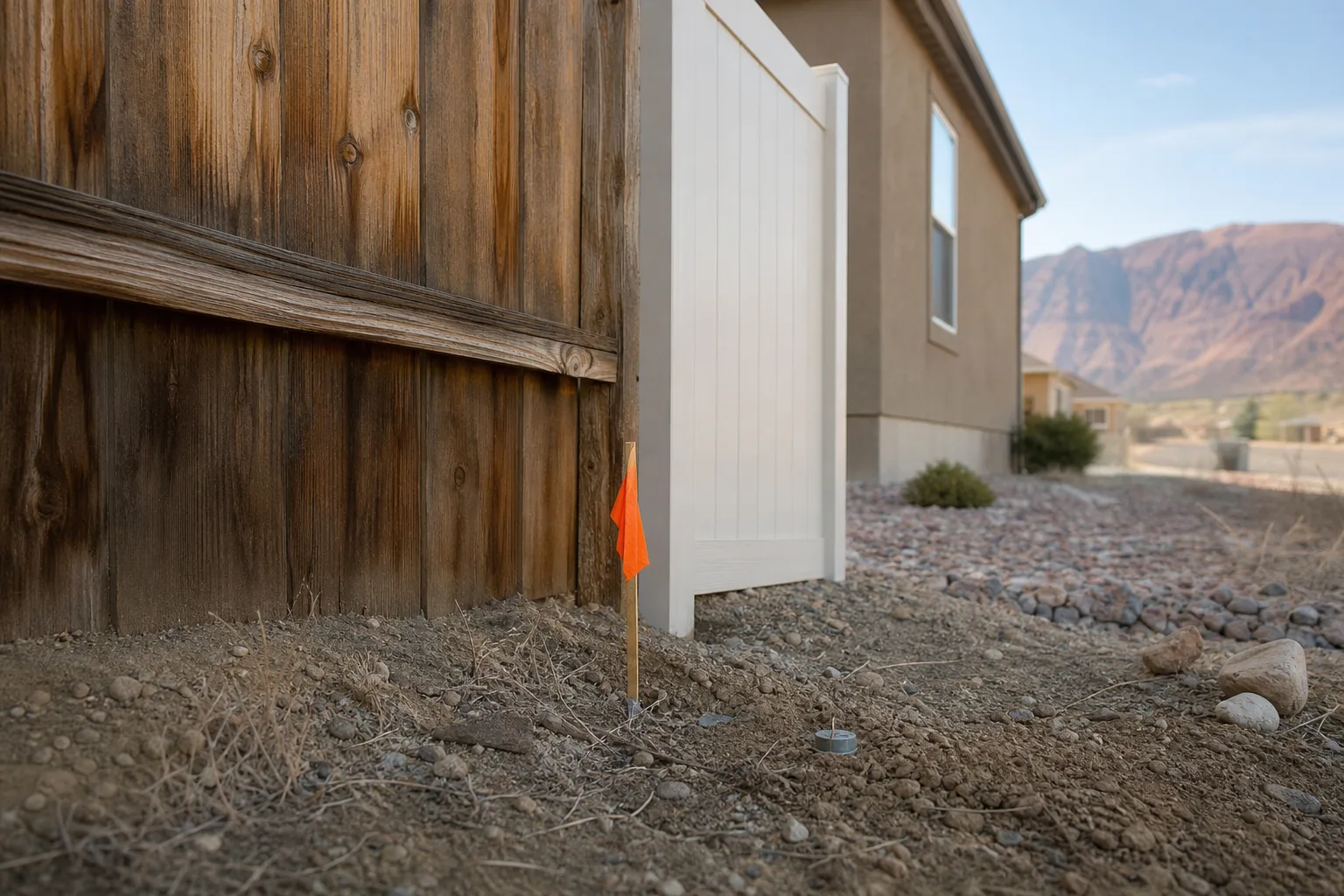
Utah Property Lines, Encroachments, Boundary Disputes and Adverse Possession