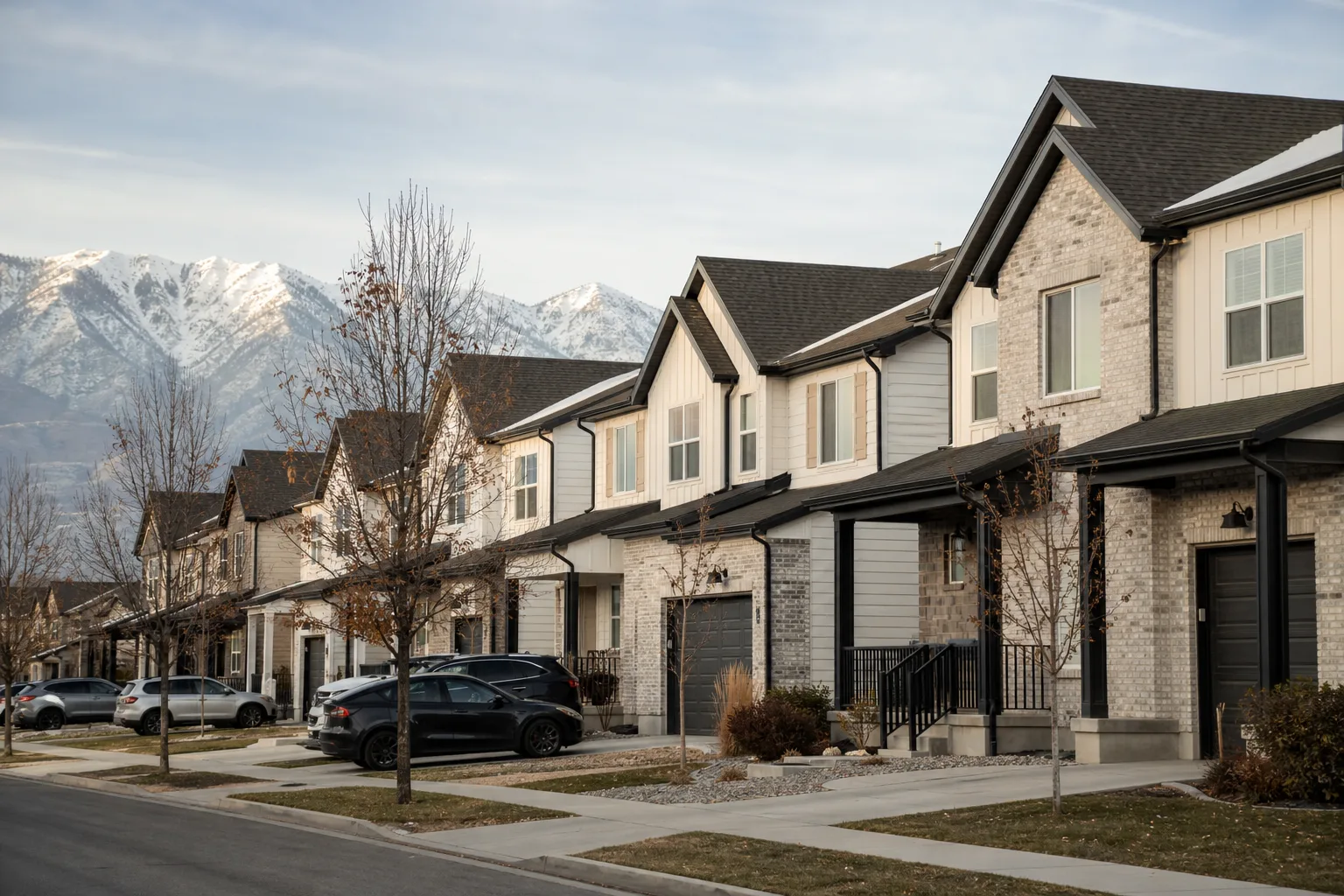

Utah First Time Home Buyers Guide: Grants, Process, & Tips
Utah first-time buyer programs explained: Utah Housing FirstHome, down payment assistance, the $20,000 new-construction loan, grants and income limits.
Most first-time buyers in Utah have the same two questions: how much cash is really needed, and is there any help available? There is real help, but almost all of it runs through one agency, Utah Housing Corporation (UHC), and most of it comes as a loan rather than free money. Knowing which program fits, and what each one asks in return, saves a lot of wasted applications.
This guide covers who counts as a first-time buyer, the UHC loan programs that are open right now, the state's $20,000 new-construction program, the small number of true grants, and the steps from saving to closing.
Who Counts as a First-Time Home Buyer in Utah?
For UHC's programs, "first-time" does not mean someone who has never owned a home. It follows the federal tax-code definition: a buyer who has not owned a principal residence in the past three years. UHC's definition also covers a single parent who owned a home with a former spouse during that period and no longer owns or lives in it.
That means a renter who sold a home four years ago can usually qualify again. Buyers who own a home today, even a rental, should ask a lender before assuming they are eligible.
Utah Housing Corporation Loan Programs
UHC is the state's housing finance agency. It does not lend directly to the public. Buyers apply through a UHC-approved participating lender, and UHC then buys and services the loan. Three first-mortgage programs were open as of October 2026:
- FirstHome – for first-time buyers with a credit score of 660 or higher whose household income and purchase price are under UHC's posted limits. It typically carries UHC's lowest interest rate.
- FHA/VA Mortgage – for buyers with a 620 or higher score, including repeat buyers and first-time buyers who do not qualify for FirstHome. It follows FHA loan limits and has an income limit based on qualifying income.
- Freddie Mac HFA Advantage – for buyers with a 680 or higher score. The rate can be higher, but mortgage insurance usually costs less, which can make the monthly payment lower.
UHC lists three older programs, HomeAgain, NoMI and Score, as temporarily suspended. Some older articles still describe them as available, so it is worth checking UHC's site before planning around one of them.
FirstHome income and price limits
FirstHome limits vary by county and household size. The figures UHC posted as of October 2026 include:
- Salt Lake County – income up to $126,100 (1–2 people) or $145,000 (3 or more); purchase price up to $666,600
- Utah and Juab counties – income up to $143,000 or $165,200; price up to $769,100
- Davis, Weber, Morgan, Summit and Wasatch counties – income up to $141,400 or $164,600; price up to $778,500
- Washington County – income up to $118,000 or $135,700; price up to $635,300
- Iron County (grouped with several rural counties) – income up to $141,600 or $165,200; price up to $692,200
The FHA/VA and Freddie Mac HFA Advantage programs use a single statewide qualifying-income limit, posted at $165,200, with no separate purchase price cap beyond the usual loan limits. UHC updates these numbers, so a lender should confirm them before a buyer starts shopping.
Utah Housing Down Payment Assistance
UHC's down payment assistance is a second mortgage that can be paired with any of its first-mortgage programs. A buyer may be able to borrow the full minimum down payment plus some or all of the closing costs on a 30-year fixed-rate second loan. The catch is that the help has to be repaid: it adds a second monthly payment, and the buyer starts with less equity.
UHC also now advertises a deferred down payment assistance option. Terms change with market conditions, so buyers should ask a participating lender to compare the payment with and without assistance. Skipping the second mortgage can sometimes earn a lower rate on the first one.
The $20,000 First-Time Homebuyer Assistance Program (New Construction Only)
The Utah Legislature created this program in 2023 (SB240), and UHC runs it. According to UHC's program FAQ (updated July 2026), the legislature has appropriated $80 million since the program started, enough for about 3,900 buyers. The key terms:
- Up to $20,000 for down payment, closing costs and/or a permanent rate buydown
- A 0% interest loan with no monthly payment, not a grant
- The home must be new construction or newly built and never lived in, and owner-occupied within 60 days
- Maximum purchase price of $450,000 (UHC says limits may be adjusted by location or home type)
- The buyer must be a first-time buyer, have lived in Utah for at least the previous 12 months, and use a UHC first mortgage through a participating lender
- Eligible homes include detached houses, townhomes, condos, an owner-occupied unit in a duplex, and manufactured or modular homes on a permanent foundation
When the home is sold or refinanced, the buyer repays the lesser of the assistance received or 50% of the home equity. Funds can be reserved for 90 days, even before a specific home is chosen, which helps buyers who are waiting on a builder.
The $450,000 cap is the hard part. With the median sale price in Salt Lake City at $590,000 and Eagle Mountain asking prices around $530,450, most new single-family homes on the Wasatch Front sit above it. New townhomes and condos are where this program usually fits. Buyers can browse new construction in Eagle Mountain or new construction in St. George to see what is priced under the cap, and the guide to buying a new construction home in Utah explains builder contracts and incentives.
Are There Grants for First-Time Home Buyers in Utah?
A few, and they are aimed at specific groups. Both are run by UHC:
- Utah Homebuyer Veteran Grant – up to $2,500 in cash at purchase for military members or veterans who separated in the last five years and are first-time Utah buyers. It does not have to be repaid.
- Utah First-Time Homebuyer Law Enforcement Grant – up to $25,000 for Utah law enforcement and correctional officers. It is interest-free and forgiven a portion at a time over five years of continued employment in Utah, and it can be used for the down payment, closing costs, a rate buydown or prepaid mortgage insurance. It cannot be combined with the $20,000 new-construction program.
Most other "grants" that show up in searches are really forgivable or deferred loans, or seller and builder credits toward closing costs. Some cities and nonprofits run their own programs with income limits, and funding comes and goes, so it is worth asking the city housing office where the home is located.
Loan Options Outside the State Programs
Plenty of first-time buyers in Utah never use a UHC loan. The common alternatives:
- FHA loans – 3.5% down with a 580 or higher credit score; mortgage insurance applies. The FHA loan requirements guide covers credit, debt ratios and current Utah loan limits.
- Conventional loans – some first-time buyer options allow as little as 3% down; private mortgage insurance can be removed once enough equity builds.
- VA loans – no down payment for eligible veterans and service members. See VA loan pre-approval in Utah.
- USDA loans – no down payment for homes in eligible rural areas, with income limits.
Steps to Buying a First Home in Utah
1. Check credit and set a budget
The credit score decides which programs are open: 580 for a basic FHA loan, 620 for UHC's FHA/VA program, 660 for FirstHome. Pull a credit report early so there is time to fix errors. A budget should cover the full monthly payment, including property taxes, insurance and any HOA dues, not just the loan.
2. Save for more than the down payment
Closing costs, the inspection, the appraisal and moving add up quickly, and a cash cushion after closing matters. The list of unexpected expenses that catch first-time buyers is a good reality check, and Utah's system of property taxes for first-time buyers is worth understanding before choosing a price range.
3. Get pre-approved with a UHC participating lender
A buyer who wants any UHC program, including the $20,000 assistance, has to use one of UHC's participating lenders. Comparing at least two or three lenders on rate, fees and assistance options is worth the effort. A pre-approval letter also makes an offer stronger.
4. Take homebuyer education if required
Some programs require a homebuyer education course. UHC does not run the classes itself; its site points to Freddie Mac's free CreditSmart course (about 4–6 hours) and to HUD-approved counseling agencies.
5. Shop within the program limits
Price caps narrow the search, so it helps to start where the numbers work. Ogden asking prices run around $369,800 and West Valley City around $475,000, compared with a Salt Lake City median sale price of $590,000. A search for Ogden homes under $300K shows how far a modest budget goes.
6. Make an offer, inspect and close
Utah purchase contracts set deadlines for due diligence, financing and appraisal. Buyers should schedule the inspection right away, keep paperwork moving to the lender, and avoid new credit or job changes until after closing.
Common First-Time Buyer Mistakes in Utah
- Treating assistance as free money. UHC's second mortgage adds a payment, and the $20,000 program is repaid when the home is sold or refinanced.
- Relying on old program lists. HomeAgain, NoMI and Score are suspended, and limits change.
- Shopping above the program cap. A new home priced even slightly above the program cap (generally $450,000) does not qualify.
- Using a lender that is not UHC-approved. Only participating lenders can offer UHC loans and assistance.
- Draining all savings at closing. Furnace repairs, water heaters and HOA assessments do not wait.
Bottom Line
Utah's first-time buyer help is real but specific. FirstHome and UHC's down payment loan help buyers with modest incomes get in with little cash, the $20,000 program helps buyers of lower-priced new homes, and the true grants are limited to veterans and officers. Start with a credit check and a UHC participating lender, confirm the current limits for the county, and then shop where the numbers fit.
Posted by Kristopher Larson
Frequently asked questions
Are there grants for first-time home buyers in Utah?
Only a few true grants exist, and they target specific groups. The Utah Homebuyer Veteran Grant pays up to $2,500 that does not have to be repaid, and the Utah First-Time Homebuyer Law Enforcement Grant provides up to $25,000 that is forgiven over five years of continued service. Most other help, including Utah Housing's down payment assistance and the $20,000 new-construction program, is a loan.
What is the best first-time home buyer program in Utah?
For buyers with a 660 or higher credit score and income under the county limit, Utah Housing's FirstHome loan typically has the lowest rate of the state programs. Buyers purchasing a newly built home for $450,000 or less can add up to $20,000 from the First-Time Homebuyer Assistance Program. Buyers with lower scores often compare UHC's FHA/VA program with a standard FHA loan.
How does the Utah $20,000 first-time homebuyer program work?
It provides up to $20,000 as a 0% interest loan with no monthly payment for down payment, closing costs or a rate buydown. The home must be new construction priced at $450,000 or less, the buyer must have lived in Utah for 12 months and must use a Utah Housing first mortgage. When the home is sold or refinanced, the buyer repays the lesser of the assistance or 50% of the equity.
What are the Utah Housing FirstHome income limits?
They vary by county and household size. As posted by Utah Housing in October 2026, Salt Lake County's limits were $126,100 for one or two people and $145,000 for three or more, with a $666,600 purchase price cap; Utah County's were $143,000 and $165,200 with a $769,100 cap. Limits change, so a participating lender should confirm the current figures.
Who qualifies as a first-time home buyer in Utah?
For Utah Housing programs, a first-time buyer is someone who has not owned a principal residence in the past three years. A single parent who owned a home with a former spouse during that period, and no longer owns or lives in it, can also qualify.
How much down payment does a first-time buyer need in Utah?
It depends on the loan: FHA loans need 3.5% down with a 580 or higher score, some conventional loans allow 3%, and VA and USDA loans can require nothing down. Utah Housing's down payment assistance second mortgage can cover the minimum down payment and part of the closing costs, but it is repaid like any other loan.
Keep reading
More from the blog
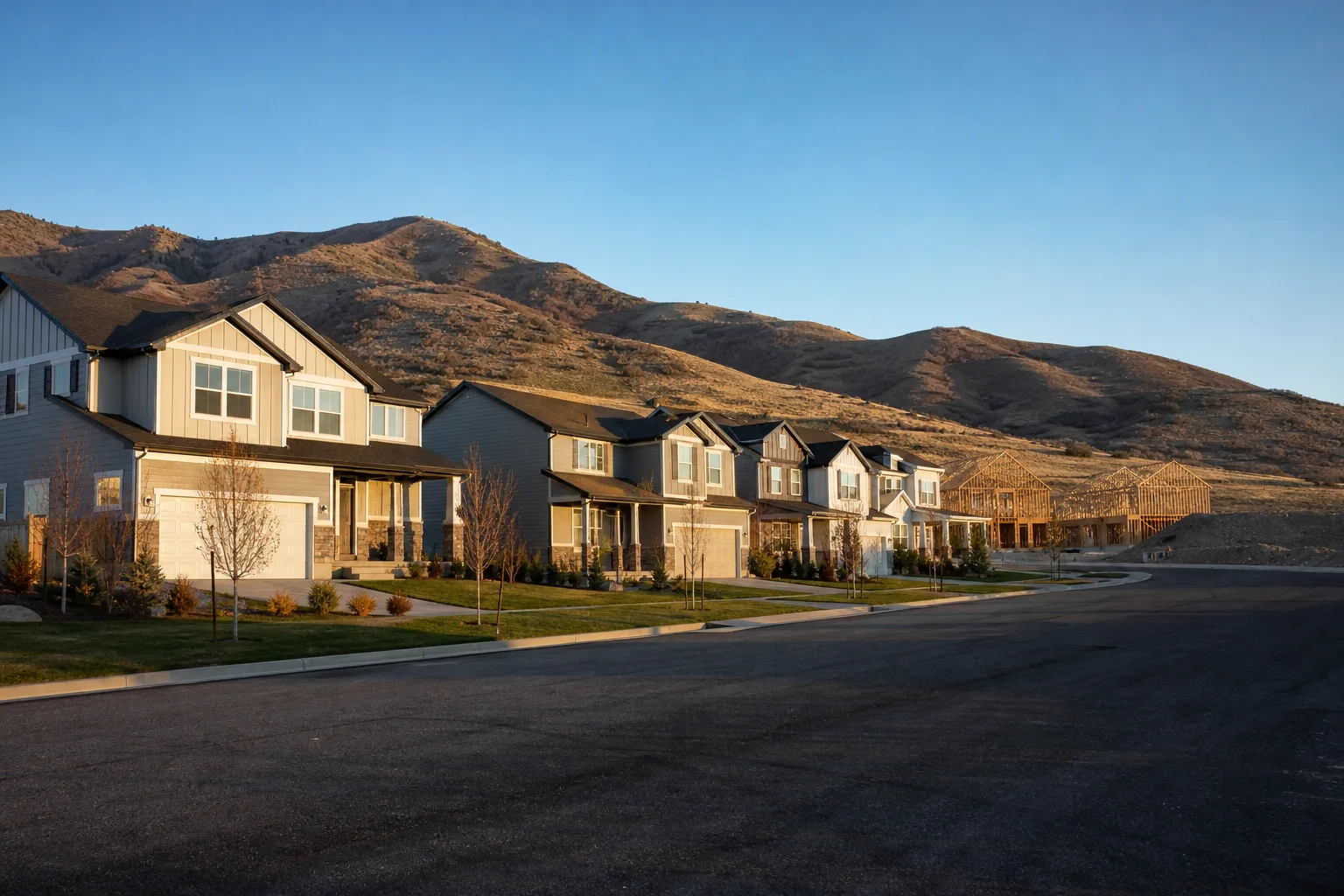
Utah County Housing Market 2026: Prices Hold While Sellers and Buyers Both Step Back

Utah Property Taxes Are Due Nov. 30, 2026: How to Pay, What Late Costs and What 2026 Buyers Should Check
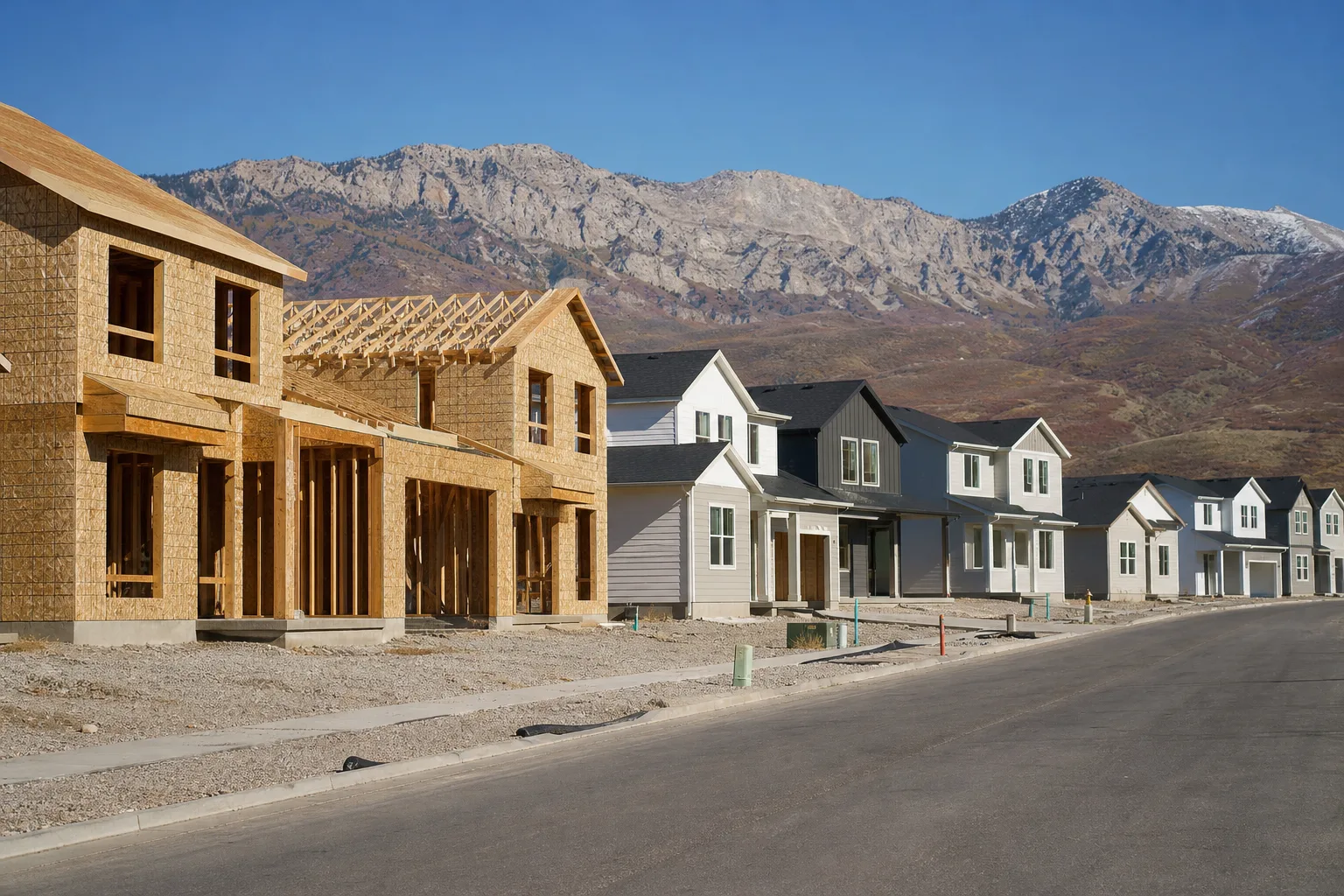
Utah's 35,000 Starter Home Goal Is a Quarter Done: What First-Time Buyers Can Use in 2026