The Silent Equity Killer: How Rapid Water Extraction Saves Property Value
Water damage often looks like a simple mess that needs a mop. Many owners think a few fans can solve the issue over a weekend. Real property value depends on what happens deep inside the walls during the first few hours.
Water damage often looks like a simple mess that needs a mop. Many owners think a few fans can solve the issue over a weekend. Real property value depends on what happens deep inside the walls during the first few hours. Standing water is a quiet thief that takes away equity piece by piece. Taking fast action keeps a small leak from turning into a massive financial loss for the owner.
Hidden Threats to Property Equity
Standing water moves into materials that seem solid to the eye. Wood and drywall act like sponges that suck up moisture and keep it trapped inside. This process starts to weaken the foundation of the building right away.
When the moisture stays there, it creates problems that are hard to fix later. Keeping an asset in great shape means stopping the clock on water absorption before it spreads too far. Small drips behind a wall can lead to big structural failures if they are left alone for too long.
The Financial Risk of Delayed Response
Moving fast is the best way to protect your money after a flood. High-quality commercial water damage restoration prevents the long-term decay of structural parts. This work happens before the bills for repair get out of control.
Owners who wait find the price of neglect is much higher than the cost of a quick fix. Savings come from stopping damage before it becomes a permanent part of the building. Protecting the bottom line requires a team that can extract water before it ruins the subfloor.
Collateral Damage and Loan Stability
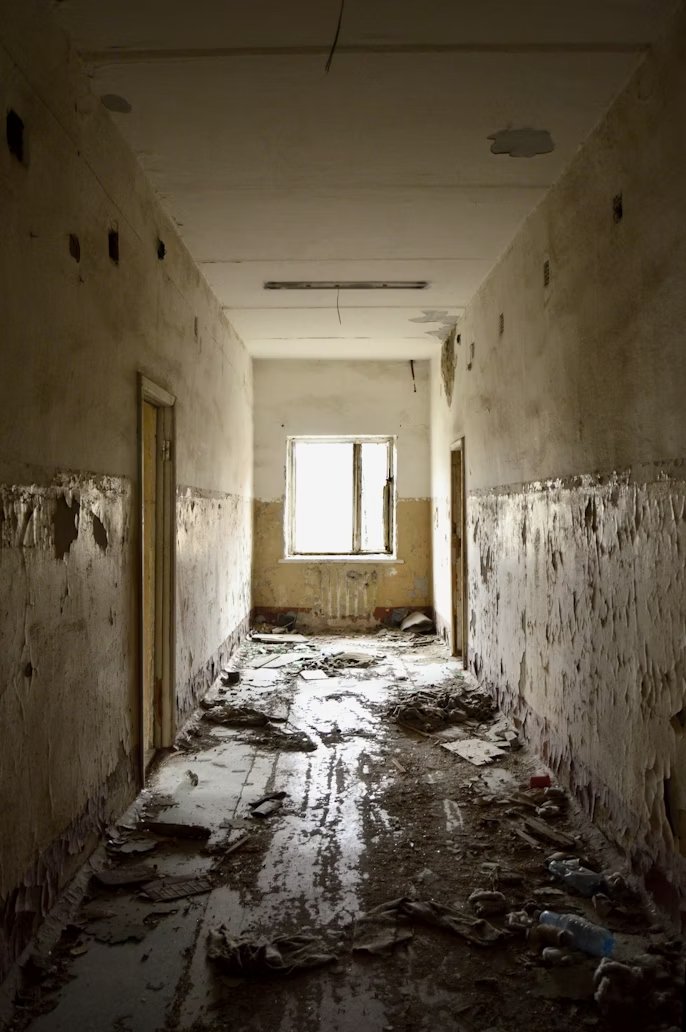
Lenders look at the health of a property as a key part of their security. A recent article on global real estate trends noted that climate-related hazards increase the risk of loan delinquency by weakening collateral values. When a building loses its physical strength, the financial risk grows for everyone involved.
Investors need to keep their buildings in top condition to keep their credit scores high. Every day of delay adds more risk to the financial profile of the property. Maintaining the physical integrity of the site keeps the bank happy and the investment safe.
Managing Recovery Through Home Equity
Getting back to normal after a flood relies on having the right funds ready. A study on mortgage borrowing explained that about 32% of borrowers who faced floods did not have enough income or collateral to finance repairs using home equity. This lack of cash makes it hard to fix the damage correctly.
Without fast extraction, the equity people count on for repairs can simply vanish. Protecting your equity means acting before the market price takes a huge hit. Real estate professionals know that a dry building is a valuable building.
Structural Integrity and Long-Term Value
- Rapid removal of water saves the subflooring from rot.
- Keeping moisture levels low prevents the warping of wooden frames.
- Fast drying keeps insulation from losing its ability to save energy.
- Quick response times lower the chances of long-term structural failure.
Building materials fail when they stay wet for too many hours. Moisture trapped behind walls leads to rot that is hard to see during a regular walk-through. This unseen decay cuts the building's life short and lowers its final sale price.
Buyers stay away from properties that have a history of major water issues. Professional extraction makes sure the building remains a safe and profitable investment for the future. You want to show proof that the property was dried to the highest standards.
Modern Standards for Drying Success
Industry groups have set tough rules to make sure buildings dry out the right way. These steps help teams find moisture that a basic fan would never reach. Following these rules protects the building and the people who work inside it.
Good records of the drying process help create a paper trail of property care. This proof is very useful when it comes time to value or sell the building. Appraisers look for signs of past damage that was not handled correctly.
The Hidden Cost of Damp Materials
Damp materials do more than just look bad. They change the way a building handles the weight of its own roof. When studs and joists stay wet, they can bend or shift under pressure.
This shifting creates cracks in the ceiling and walls that are expensive to patch. Fixing these issues later requires opening up the walls and replacing structural wood. Owners who act fast avoid these deep structural headaches.
The path to recovery starts with a fast response. Protecting property value is a race against the clock every single time. Taking the right steps early makes sure that equity stays in the owner's hands. Water does not wait for a good time to cause trouble. A little effort today saves a big headache and much higher costs later.
Keep reading
More from the blog
Gas Line Installation: What Homeowners Need to Know First
Roof Timeline Guide for Buying an Older Utah Home
How to Choose Windows for a Utah Home With a Mountain View