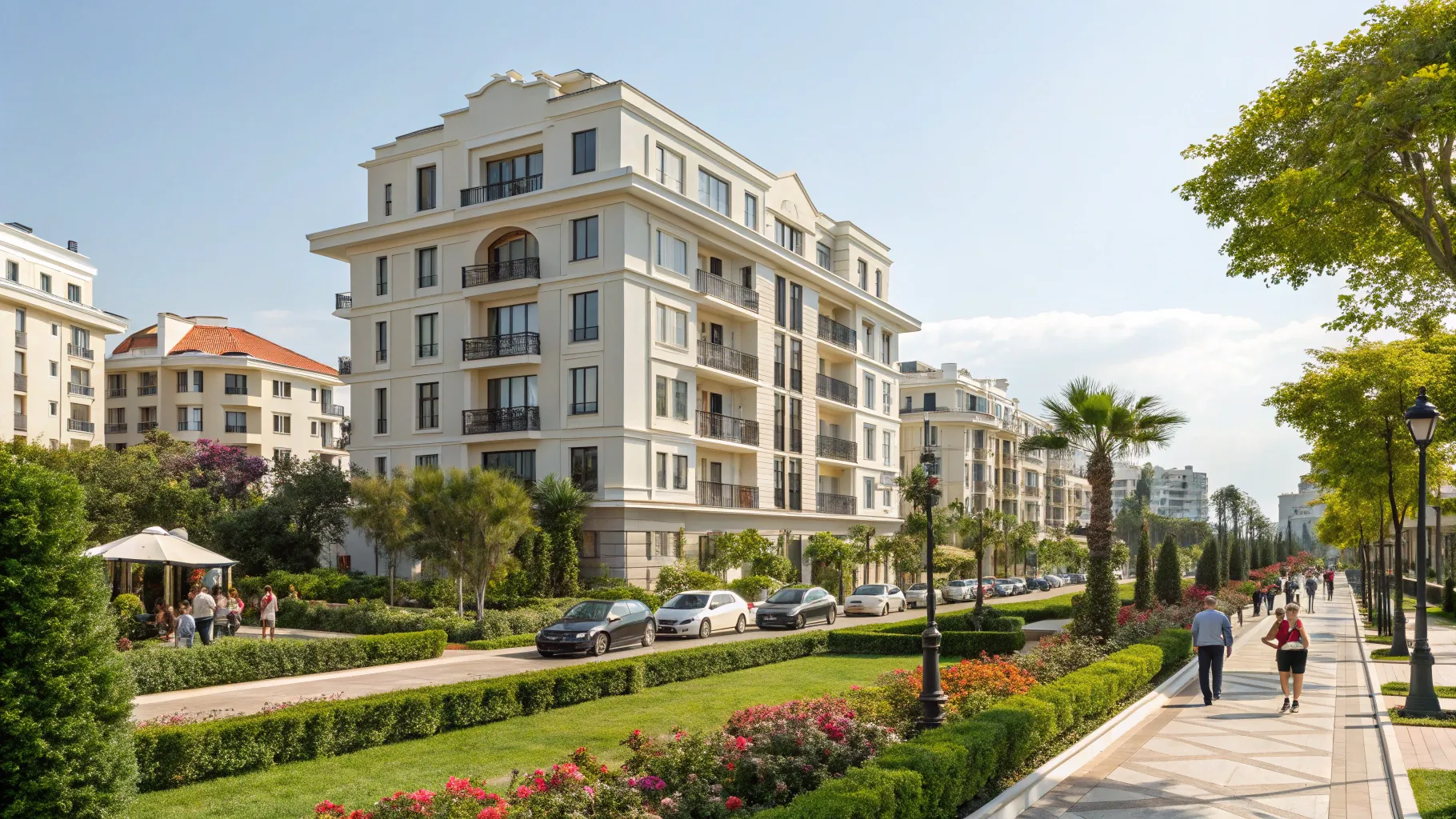
Smart Strategies for Managing Properties in High-Demand Neighborhoods
Managing properties in Utah’s most popular neighborhoods requires both organization and an understanding of local housing trends. These areas attract residents who expect clean, well-maintained homes and responsive communication.
Managing properties in Utah’s most popular neighborhoods requires both organization and an understanding of local housing trends. These areas attract residents who expect clean, well-maintained homes and responsive communication. Many owners now rely on digital tools, and even systems such as the best janitorial software help streamline field tasks for platforms focused on Field management Construction. When this type of support is matched with strong local awareness, property owners can manage their homes more confidently and keep them competitive as demand grows.
Communities such as Salt Lake City, Provo, and Park City continue to expand as more people move for jobs, lifestyle, and outdoor access. With this growth comes higher expectations, making it important for owners to stay ahead of maintenance needs and understand what residents value most. A thoughtful, proactive approach helps create stability and keeps properties appealing as neighborhoods evolve.
Understanding Market Conditions in High-Demand Areas
Before making decisions about maintenance or upgrades, it helps to understand what drives demand in competitive neighborhoods. Locations like Sugar House, Lehi, and Daybreak remain popular thanks to easy commuting, nearby amenities, and strong community planning. Each area has its own expectations, local regulations, and standards that influence how properties should be managed.
Owners who track city announcements or planning updates stay better prepared for changes that may affect property value. New parks, transit adjustments, commercial development, or school expansions can all influence the long-term appeal of a neighborhood.
Tracking Housing Trends
Demand often shifts with job growth, interest rates, and seasonal movement. Watching housing reports helps owners understand when to renew leases, adjust pricing, or plan renovations. Market data from the Kem C. Gardner Policy Institute or state real estate associations provides helpful insights without requiring deep analysis.
Understanding Community Expectations
Residents in high-demand areas tend to value clean outdoor spaces, good parking organization, and reliable upkeep. Even small details such as clean sidewalks or well-maintained lighting can influence tenant satisfaction and overall neighborhood strength.
Strengthening Property Maintenance and Year-Round Upkeep
Local climate conditions bring unique challenges throughout the year, from hot summers to heavy snow. Staying ahead of seasonal needs keeps homes safe, prevents unexpected repair costs, and helps maintain resident comfort. A consistent maintenance schedule also reduces the chance of emergencies.
Seasonal Inspection Planning
Owners in areas like Sandy or Bountiful benefit from structured seasonal plans. Routine checks help prevent costly repairs. A simple inspection cycle usually includes:
• HVAC checks before temperature extremes
• Roof and gutter inspections after storms
• Exterior sealing or paint maintenance
• Winterizing irrigation systems and plumbing
These steps protect the property, extend system life, and keep residents comfortable.
Working with Skilled Contractors
Reliable contractors make a major difference in how quickly repairs can be handled. Establishing relationships with experienced professionals ensures issues are addressed promptly. Contractors familiar with local building materials and regional weather patterns can also recommend smarter long-term solutions.
Building Strong Communication Habits with Residents
Clear communication helps residents feel respected and informed. Many competitive neighborhoods attract people from different backgrounds, and expectations can vary. A simple, predictable communication style prevents misunderstandings and builds trust.
Setting Clear Expectations Early
Guidelines related to noise, parking, pets, or waste disposal should be explained clearly at move-in. When expectations are understood from the start, daily living goes smoothly for both the resident and the property owner.
Choosing Convenient Communication Channels
Responding quickly through email, messaging apps, or tenant portals helps ensure nothing gets overlooked. Regular updates about maintenance schedules, neighborhood notes, or service interruptions also contribute to a positive resident experience.
Aligning Property Features with Changing Housing Needs
Growth has brought new lifestyle preferences. Some residents want walkable areas, while others look for extra storage or space for remote work. Understanding these differences helps owners prepare their properties to meet long-term expectations.
Many new arrivals eventually dream of constructing your new Utah home, but while planning for the future, they often seek rentals that offer flexibility and comfort. Homes that provide simple conveniences tend to attract these residents more easily.
Updating Homes with Practical Enhancements
Not all improvements need to be extensive. Small updates can create meaningful improvements. Popular features include:
• Smart thermostats for shifting temperatures
• Additional storage for outdoor gear
• Energy-efficient fixtures and windows
• Improved exterior or interior lighting
These upgrades increase comfort and help homes stand out in competitive neighborhoods.
Investing in Long-Term Property Improvements
A long-term view helps owners protect their investments and avoid unnecessary costs. Improvements should be selected based on durability, practicality, and relevance to neighborhood demand.
Balancing Aesthetic and Structural Upgrades
Structural upgrades, like roof improvements or insulation updates, raise long-term resilience. Aesthetic adjustments, such as modern fixtures or new exterior finishes, support curb appeal and rental interest.
Following Local Development Plans
City and county plans often reveal upcoming changes that can influence property values. Transportation adjustments, school expansions, or commercial growth can shape long-term demand. Staying aware of these trends helps owners make better investment decisions.
Managing Different Housing Types Across Local Communities
Many neighborhoods include a mix of condos, townhomes, single-family homes, and multi-family rental units. Each appeals to a different audience and requires slightly different management approaches.
Meeting the Needs of Different Resident Profiles
Single-family homes often draw long-term renters who value privacy. Condos attract those who enjoy amenities without heavy maintenance responsibilities. Multi-unit properties appeal to residents who prefer flexibility or affordability.
Recognizing these differences helps owners communicate more effectively and tailor amenities to match resident lifestyles.
Supporting Community Relationships and Neighborhood Stability
Community engagement builds stronger neighborhoods. When residents feel connected to where they live, retention improves and property conditions tend to remain stable.
Joining Neighborhood Conversations
Attending local meetings or community planning sessions offers insights into upcoming changes. These gatherings often highlight concerns or improvements related to safety, traffic, public spaces, or zoning changes.
Encouraging a Sense of Belonging
Owners who stay visible in the community, help maintain shared areas, or support local initiatives contribute to neighborhood stability. Residents appreciate knowing their area is well cared for, which encourages longer tenancy.
Preparing for Future Growth in Expanding Cities
Cities along the Wasatch Front continue to grow, which influences property demand. Areas such as Lehi, Herriman, and Syracuse attract ongoing development. Owners who stay informed about these changes can make better decisions about upgrades or expansion.
Evaluating Expansion Opportunities
Growth may present opportunities for additional investment, whether through adding units, updating older homes, or exploring nearby neighborhoods. Long-term planning ensures investments remain aligned with shifting housing patterns.
Remaining Flexible as Neighborhoods Evolve
As communities grow, they may experience new traffic patterns, changing school boundaries, or commercial expansion. Owners who adapt their strategies stay competitive regardless of how the neighborhood changes.
Conclusion
Managing property in high-demand neighborhoods requires a blend of strong planning, reliable communication, proactive maintenance, and long-term thinking. By staying informed, listening to residents, and choosing practical improvements, owners can keep their properties appealing and long-lasting while supporting the stability of the surrounding community.
Keep reading
More from the blog

Gas Line Installation: What Homeowners Need to Know First
Roof Timeline Guide for Buying an Older Utah Home
How to Choose Windows for a Utah Home With a Mountain View