The Cost of Living in Salt Lake City, Utah in 2026
What does it really cost to live in Salt Lake City in 2026? A clear breakdown of housing and rent, utilities, groceries, transportation, Utah's flat income tax, and the lifestyle costs that move an SLC budget.
Heading into 2026, the cost of living in Salt Lake City keeps shifting — inflation, housing demand, and the post-pandemic insurance market are all moving prices. This guide pulls the current numbers for housing, utilities, transportation, taxes, and the lifestyle costs (skiing, dining, concerts) that actually move a household budget in SLC. In this guide, we'll explore various aspects of living in Salt Lake City, from transportation and utilities to housing costs and entertainment. You can also explore every Salt Lake City home for sale to see what fits your budget.
The Impact of Inflation on Cost of Living
As we move through 2026, the lingering effects of inflation continue to shape the economic landscape in Salt Lake City. Rising prices have become a familiar challenge for residents, impacting everything from groceries to housing. The pandemic-induced inflation has left many grappling with tighter budgets and the need to adapt to fluctuating costs.
For buyers relocating from California, the East Coast, or Texas, Utah's overall cost of living still runs about 5-7% below the national average per recent BLS data — and meaningfully cheaper than San Francisco, Seattle, Denver, or Boston. But inflation has narrowed that gap. Worth budgeting carefully if you're moving from a lower-cost-of-living state.
Transportation Costs: Gas Prices and Public Transit
Transportation is often one of the largest expenses in a household budget, and gas prices in Salt Lake City present a mixed bag. Currently, prices hover around $3 to $3.50 per gallon, which is relatively affordable compared to many other states. However, these prices can fluctuate based on various factors, including seasonal demand and global oil prices.
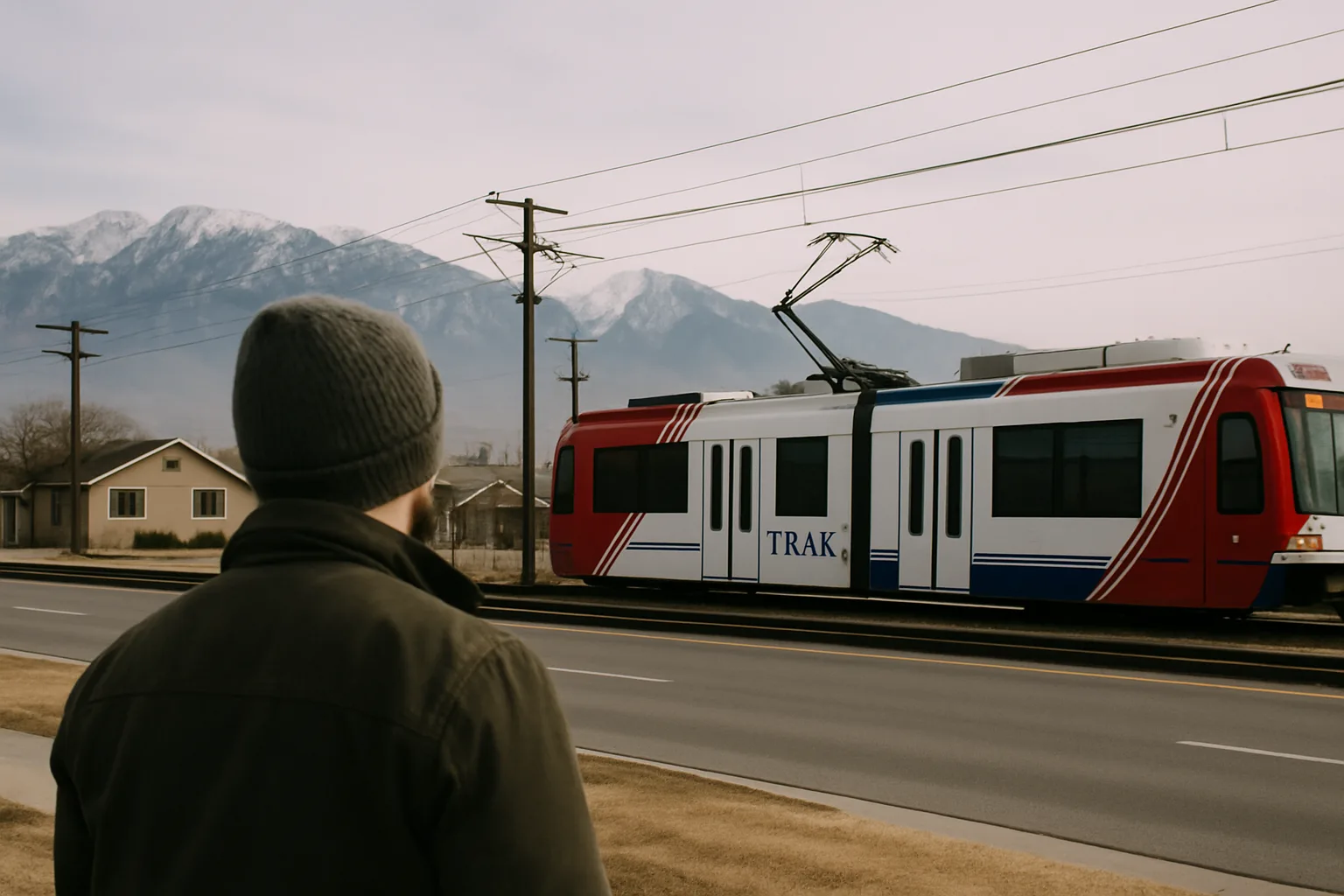
In addition to driving, public transit options like the TRAX light rail and FrontRunner train are available, offering a cost-effective alternative for commuters. Daily passes are affordable, typically costing just a few dollars, while monthly passes range from $50 to $100. The growing focus on public transportation has led to increased housing developments near transit stations, making it a viable option for many residents.
Utilities: A Comprehensive Overview
Utilities in Salt Lake City are generally more affordable than in many urban areas across the country. For a typical home, electricity and cooling costs can range from $150 to $250 per month during the hot summer months. In winter, heating costs remain similar, making it budget-friendly compared to states with harsher climates.
Water and sewer services are also reasonably priced, with average bills around $15 to $20 each month. Internet services vary, with plans typically costing between $35 and $100, depending on speed and provider. Google Fiber is a popular choice for those seeking high-speed internet, often at competitive rates.
Groceries: What to Expect in Salt Lake City
Grocery prices in Salt Lake City tend to be slightly below the national average, making it a favorable place for family shopping. The cost will depend on where you shop; stores like WinCo offer bulk purchasing options at lower prices, while upscale markets like Harmon's may charge a premium for a more curated shopping experience.
On average, residents can expect grocery costs to be around 2% less than the national average. This means smart shopping can yield significant savings, particularly for families or those on a budget.
Housing Costs: Renting vs. Buying
Housing remains the largest expense for most residents in Salt Lake City. Rental prices vary significantly based on location and property type. For a one-bedroom apartment, expect to pay between $1,200 and $1,600 monthly, while two-bedroom units can range from $1,400 to $1,800. Downtown areas typically command higher rents, often exceeding these averages.
Home prices have climbed dramatically over the last five years. The median single-family home in Salt Lake City now sits in the high $500s to mid-$600s — currently about $520,000 — while condos generally run $300K-$400K, and townhomes $400K-$500K. For live numbers and how the market is moving month-to-month, see the Salt Lake City market stats page (median sale, days on market, sale-to-list ratio, updated monthly). Where you buy inside the city matters a lot for price — east-bench neighborhoods (Federal Heights, Yalecrest, the Upper Avenues) command meaningful premiums vs. west-side or downtown condos.
Understanding Property Taxes in Utah
Property taxes in Utah are relatively low compared to other states, averaging about 0.5% of the property's assessed value. For a $1 million home, this translates to roughly $5,000 annually. However, tax rates can vary by city and may increase incrementally each year, reflecting changes in market value.
It's essential for potential homeowners to factor in these costs when budgeting for a property purchase. While property taxes in Utah are generally favorable, they can still represent a significant portion of your overall housing expenses.
Insurance Costs: What You Need to Know
When considering the cost of living in Salt Lake City, insurance is a significant factor that often goes overlooked. Homeowners insurance in Utah tends to be more affordable compared to many other states, largely due to the absence of frequent natural disasters. The average annual premium for a standard homeowners policy ranges between $1,200 and $1,600. This pricing can vary based on the size and value of the home, as well as the coverage options selected.
It's important to note that while standard policies cover typical risks, earthquake insurance is a separate consideration for homeowners in Utah. Given the state's seismic activity, many residents opt to purchase additional earthquake coverage, which can increase overall insurance costs. This additional policy typically costs between $200 and $500 annually, depending on the property's location and assessed risk.
Income Tax Structure: Benefits of Moving to Utah
Utah's income tax structure is one of the cleanest financial perks of moving here. The flat rate is 4.45% as of 2026 (down from 4.5% in 2025 and 4.85% in 2022 — the legislature has cut it six years running). For a $100,000 household income, that's $4,450 in state tax — versus $9,300+ in California or $6,850 in New York for the same income. This simplicity and low rate can be a significant financial advantage, especially for those relocating from states with higher tax rates, such as California.
For families and individuals considering a move, the potential savings on state income taxes can be substantial. This benefit, combined with Utah's overall lower cost of living, makes it an attractive option for many. In fact, many newcomers find that they save thousands of dollars annually by moving to Utah, allowing for a more comfortable lifestyle.
Entertainment and Recreation: Rising Costs
As the costs of living continue to change, entertainment and recreational activities in Salt Lake City have not been immune to price increases. Concerts, sporting events, and outdoor activities have all seen a rise in ticket prices, making it more expensive for families to enjoy leisure time together. For instance, attending a concert by a popular artist can easily set a family back $400 or more.
Outdoor activities, such as skiing, have also become pricier. Day passes at popular ski resorts now range from $220 to $300, a significant increase compared to previous years. To make skiing more affordable, many opt for season passes or multi-resort passes, which can help mitigate costs. Despite these rising prices, numerous free or low-cost outdoor options remain available, such as hiking and mountain biking, which continue to attract residents and visitors alike.

Affordable Outdoor Activities: Exploring Nature
While some recreational activities have gotten more expensive, the canyons next to the city are free. Big and Little Cottonwood, Mill Creek, and Parley's Canyon all sit within a 15-30 minute drive of downtown — trail networks ranging from family-friendly (Bell Canyon waterfall) to demanding (Mount Olympus, Lone Peak). Antelope Island State Park is 45 minutes north for bison, brine flies, and lake views.
For ski-day pricing context: Alta, Snowbird, Brighton, and Solitude all sit 30-45 minutes from downtown. Day tickets in recent seasons run $190-$280 walk-up; the Ikon Pass (Alta, Snowbird, Solitude, Brighton, Deer Valley, Park City) prices in the $1,100-$1,400 range and pays back fast for anyone skiing 6+ days. The Cottonwood Heights / Sandy / Holladay neighborhoods are the closest residential bases for ski commuters.
Final Thoughts on Living in Salt Lake City
Living in Salt Lake City is a tradeoff like any major metro. Housing has gotten meaningfully more expensive over the last five years, but utilities, insurance, and the flat 4.45% income tax keep the overall picture appealing compared to higher-cost Western metros. Salaries in tech (Silicon Slopes), healthcare (Intermountain, U of U Health), and finance have risen alongside housing — but lower-wage households feel the squeeze more sharply.
For most buyers, the Salt Lake City math still works — east-bench access to the canyons and Wasatch, walkable urban downtown, the Silicon Slopes job market 20-25 minutes south, and a tax structure that beats most coastal alternatives. The trick is matching neighborhood to budget, which is where a local agent earns their keep.
Considering a move to Salt Lake City?
Three quick next steps if SLC is on your shortlist:
- Salt Lake City market stats — median sale price, days on market, sale-to-list ratio, updated monthly.
- Get a free home valuation on your current home so you know what to expect on the sell side.
- Reach out to Best Utah Real Estate — our agents have walked every SLC neighborhood and can tell you what fits your budget + commute.
For more on specific neighborhoods, see our SLC neighborhood-by-neighborhood guide.
Posted by Kristopher Larson
Frequently asked questions
What is the average cost of living in Salt Lake City, Utah?
Salt Lake City's cost of living runs about 5-7% below the U.S. average per recent BLS data, with the main savings in utilities, taxes, and insurance. Housing is the biggest line item — the median single-family home sits in the high $500s to mid-$600s as of 2026 (currently about $520,000). Utah's flat 4.45% income tax adds meaningful savings versus high-tax states like California (up to 13.3%) or New York (up to 10.9%).
How does Utah's income tax compare to other states?
Utah uses a flat 4.45% income tax rate as of 2026 (down from 4.5% in 2025 and 4.85% in 2022 — six straight years of cuts). On a $100,000 household income that's $4,450 in state tax, compared to roughly $9,300 in California or $6,850 in New York. The flat rate also means no marginal bracket creep as income rises.
How much do utilities typically cost in Salt Lake City?
Utilities in SLC are modest by U.S. metro standards. Electricity plus cooling typically lands between $150-$250/month in peak summer; heating runs similar in winter. Water and sewer average $15-$20/month. Internet via Google Fiber, Xfinity, or CenturyLink runs $35-$100/month. Total household utilities for a typical 2,000 sq ft home usually fall in the $250-$400/month range.
Are outdoor activities expensive in Salt Lake City?
Mixed. Skiing has gotten pricey — Alta, Snowbird, Brighton, and Solitude day tickets run roughly $190-$280 walk-up, and the Ikon Pass pays for itself at about 6+ days. But hiking and mountain biking in Big Cottonwood, Little Cottonwood, Mill Creek, and Parley's Canyon are free, with trailheads 15-30 minutes from downtown. Antelope Island State Park is about $15/vehicle.
How much should I budget for housing in Salt Lake City?
Rent runs about $1,200-$1,600/month for a one-bedroom and $1,400-$1,800 for a two-bedroom; downtown commands a premium. For buyers, the median single-family home is in the high $500s to mid-$600s (currently about $520,000), condos $300K-$400K, and townhomes $400K-$500K. East-bench neighborhoods carry premiums vs. west-side or downtown condos. See our SLC market stats page for current numbers.
Is Salt Lake City worth the cost of living?
For most relocators, yes. SLC pairs a low-tax structure (4.45% flat income tax, roughly 0.5-0.7% effective property tax), a four-season climate, and 15-30-minute access to world-class skiing, hiking, and national parks. The Silicon Slopes tech corridor 20-25 minutes south keeps wage growth strong. The main caveat is rapid housing appreciation, so matching neighborhood to budget matters.
Salt Lake City, Utah housing market
A quick read on what homes are doing in Salt Lake City right now — pulled live from the MLS.
Keep reading
More from the blog
Moving to South Salt Lake, Utah: The 2026 Guide
Moving to Salt Lake City: How to Choose the Right Utah Area
Living in Salt Lake City, Utah: What to Know Before Moving