Best places to visit to in Salt Lake City, Utah
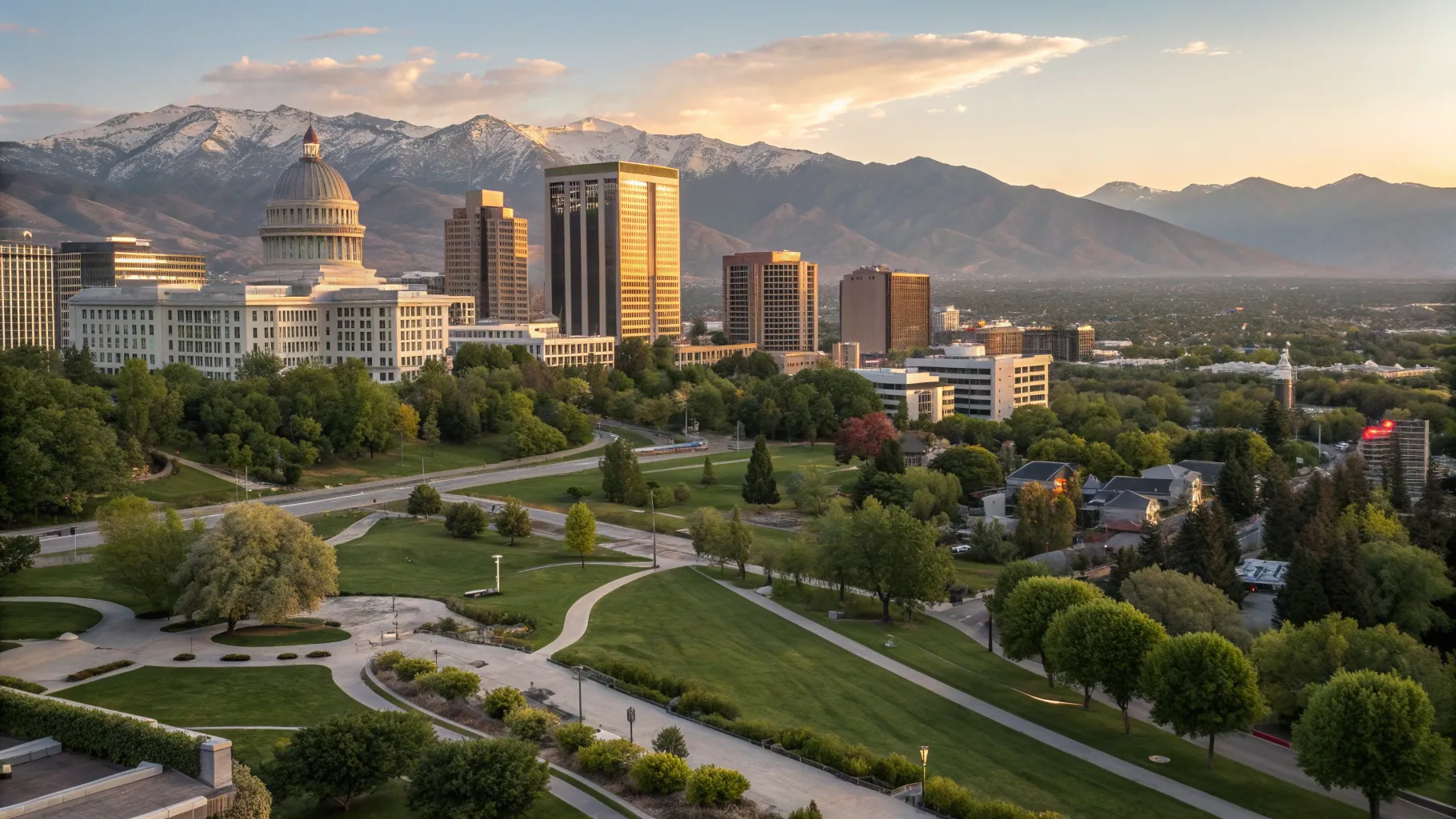
Explore 9 top Salt Lake City attractions—from Temple Square and the Utah State Capitol to Big Cottonwood Canyon and Bonneville Salt Flats—and discover how each shapes neighborhoods, lifestyle, and housing demand.
Salt Lake City blends urban convenience with immediate access to dramatic mountain landscapes, making it a compelling destination for visitors and a strategic market for real estate buyers and investors. This guide profiles nine standout places to visit across the city and its near surroundings, then connects each location to neighborhood character, lifestyle considerations, and housing implications. The objective is to help prospective residents, investors, and families understand not only where to go for recreation and culture, but also what these attractions reveal about local neighborhoods, property values, and long-term quality of life in Salt Lake City.
Outline
- Temple Square — historic and civic heart
- Utah State Capitol Building — civic architecture and Capitol Hill living
- Red Butte Garden and Arboretum — green space and nearby neighborhoods
- Natural History Museum of Utah — education and cultural anchors
- Big Cottonwood Canyon — mountain recreation and second-home demand
- Hogle Zoo — family amenities and nearby housing
- Great Salt Lake & Antelope Island — natural amenity and regional appeal
- The Leonardo Museum — innovation, tourism, and downtown vitality
- Bonneville Salt Flats — unique landscape and weekend getaways
Introduction: Why these places matter for visitors and buyers
Salt Lake City's most recognizable sites do more than draw tourists; they shape neighborhood identities, inform local amenities, and influence real estate dynamics. Areas with cultural institutions, parks, and easy access to outdoor recreation typically attract families and professionals seeking a balanced lifestyle. Conversely, proximity to unique natural features can drive demand for vacation homes and short-term rentals. Readers will find practical details about when to visit, what to expect on site, and how each attraction correlates with residential patterns and investment opportunity in the city.
1. Temple Square — Historic core and transit-oriented living
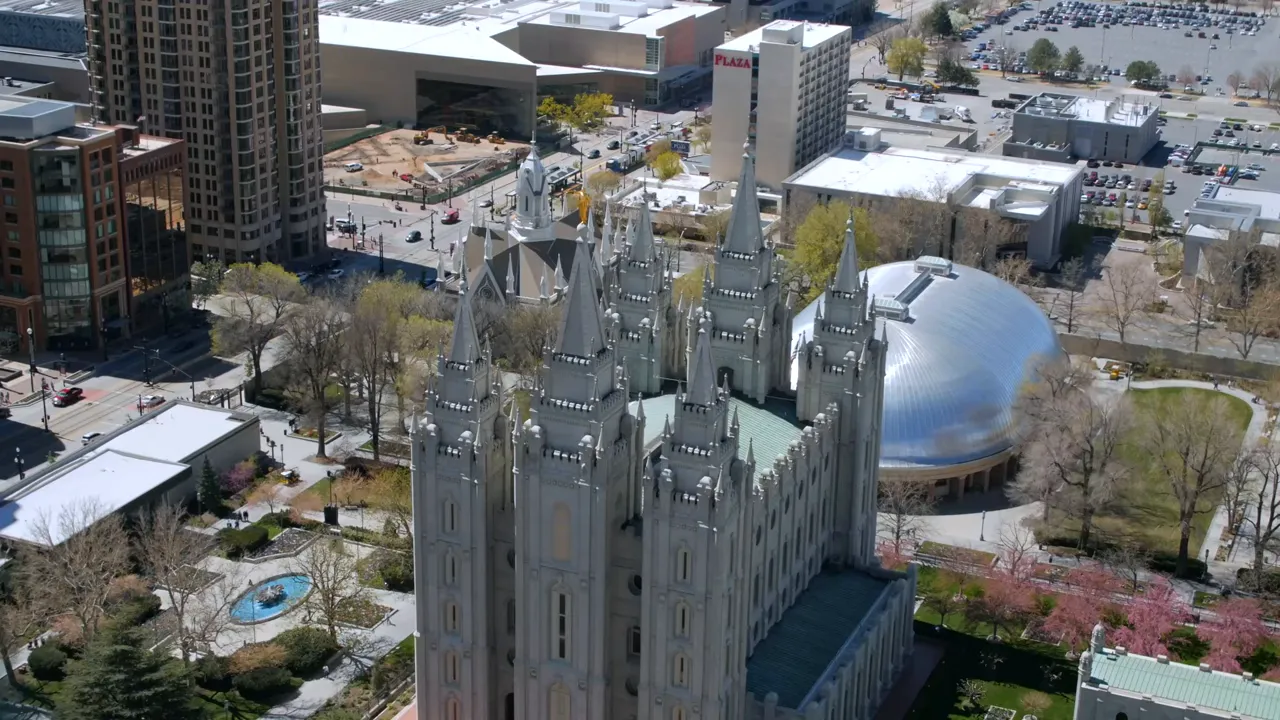
Temple Square occupies a ten-acre complex in the central city and functions as a defining landmark of Salt Lake City. The complex includes the striking Salt Lake Temple, historic buildings, carefully maintained gardens, and pedestrian-friendly plazas. While the temple itself is undergoing renovation with a projected finish toward the end of 2026, the surrounding grounds continue to function as a major civic green and gathering space.
From a real estate perspective, neighborhoods contiguous to Temple Square are typically characterized by older, well-preserved housing stock, a higher density of multifamily units, and excellent access to public transit. Commuters value proximity to downtown employment centers and cultural venues. For investors, central city rental demand remains steady due to the university presence, nearby hospitals, and municipal employers.
Visiting tips:
- Expect pedestrian crowds during events and holidays; public transportation is often the best way to approach the area.
- Guided walking tours and seasonal displays enhance understanding of the site's history.
- Nearby neighborhoods like Central City and Warehouse District offer short-term rental opportunities but check local zoning and HOA rules before investing.
2. Utah State Capitol Building — Capitol Hill, views, and civic amenities
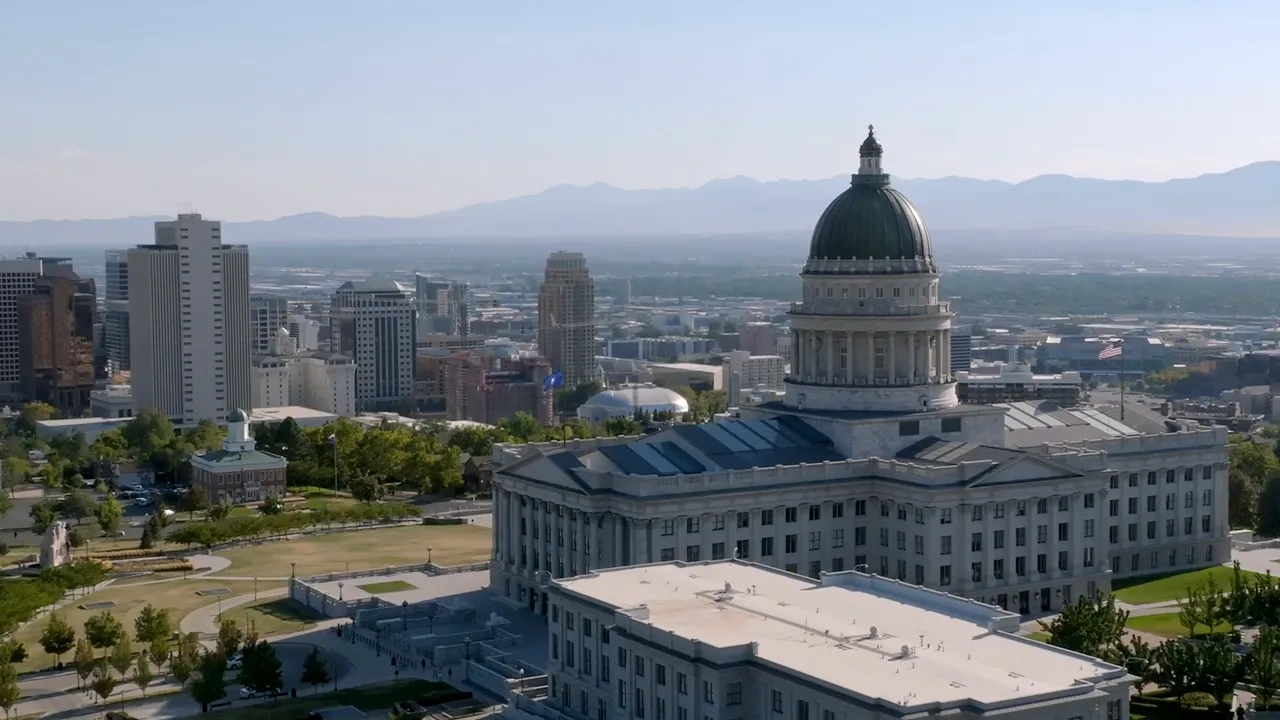
Perched on Capitol Hill, the Utah State Capitol is an impressive neoclassical structure offering sweeping views of the city and the Wasatch Range. The building's formal gardens and walking trails create a tranquil enclave within the urban grid, while interior exhibits introduce visitors to state history and government functions. This area attracts residents who value scenic outlooks, formal landscaping, and a stately neighborhood ambiance.
Capitol Hill and adjacent neighborhoods often command premium prices relative to other central-city areas due to views, architectural character, and proximity to downtown. Residential building types include historic single-family homes, townhouses, and select condominiums that appeal to professionals and empty-nesters. For buyers prioritizing walkability and civic engagement, properties near the Capitol provide a blend of urban access and residential serenity.
Real estate considerations:
- Topography creates unique lot layouts and potential for multi-level home designs; buyers should budget for foundation and retaining-wall maintenance where applicable.
- Zoning near the Capitol tends to preserve the historic feel, which can limit large-scale redevelopment but help maintain long-term neighborhood stability.
- Proximity to downtown services supports strong long-term resale potential.
3. Red Butte Garden and Arboretum — Botanical amenity and adjacent housing markets
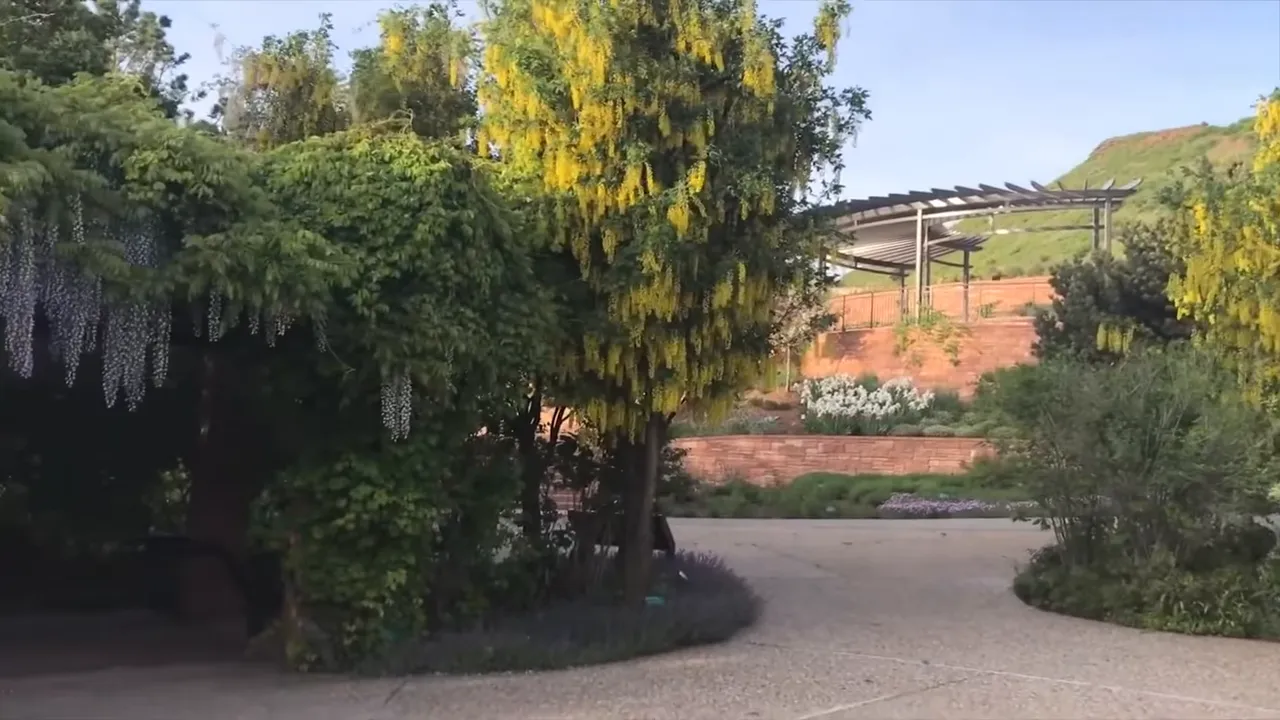
Red Butte Garden and Arboretum is an expansive botanical garden featuring themed plant collections, meandering walking trails, and excellent mountain views. The garden also functions as an outdoor concert venue and educational hub, hosting seasonal programming that draws families and enthusiasts alike. Such cultural green spaces significantly enhance nearby residential demand by providing daily recreational options and year-round programming.
Neighborhoods near Red Butte Garden, including East Bench and the Foothill area, are prized for access to open space, reputable public and private schools, and family-friendly streets. Housing types range from mid-century single-family homes to newer infill constructions, with prices reflecting the premium associated with views and proximity to green space. For families and professionals who prioritize outdoor access and a quieter urban edge, this sector of Salt Lake City presents strong appeal.
Investment and renovation notes:
- Properties with landscaped yards that transition into natural open spaces tend to outperform similar homes without direct green access.
- Consideration of snow management and seasonal maintenance is important for homes edging arboretums and hillside lots.
4. Natural History Museum of Utah — Educational anchor and family-oriented neighborhoods
The Natural History Museum of Utah offers a deep dive into regional geology, paleontology, and Indigenous cultures. Exhibits include dinosaur fossils, Native American artifacts, and interactive displays that interpret the state's unique geological story. Cultural institutions like this function as educational anchors and increase the attractiveness of adjacent neighborhoods to families and educators.
Areas proximate to the museum include university-adjacent neighborhoods and residential sectors that serve faculty and staff, students, and families. These neighborhoods benefit from a steady stream of cultural activity, weekend foot traffic, and public programming that supports local businesses. For buyers focused on family life, proximity to museums and educational attractions often correlates with access to strong school districts, library services, and community centers—components that support stable home values over time.
Home-buying considerations:
- Properties near the museum are suitable for long-term holding and for landlords targeting student and academic renters.
- Parking and transit access matter—consider how local parking regulations and public transit routes will affect rental occupancy or guest access.
5. Big Cottonwood Canyon — Mountain recreation, second homes, and seasonal demand
Big Cottonwood Canyon sits a short drive from the city center and represents one of Salt Lake's most accessible mountain playgrounds. Summer brings alpine meadows and wildflower hikes, while winter delivers world-class skiing and snowboarding options at multiple resorts. The canyon's proximity to the metro area fuels demand for both primary residences with easy weekend access and second-home buyers seeking mountain retreats.
Real estate dynamics tied to Big Cottonwood Canyon:
- Properties in towns and communities that provide quick canyon access—such as those along the Wasatch Front—often command premium prices during peak season.
- Short-term rental demand spikes in winter months; licensing and HOA rules will affect rental viability. Investors should evaluate local ordinances before committing to short-term strategies.
- Search for residences with mudrooms, ample storage for gear, and durable finishes favored by outdoor enthusiasts.
Seasonal advice:
- Visit in both summer and winter to understand year-round traffic and access conditions.
- During winter, snow removal and safe driveway access are critical considerations for buyers—factor these recurring costs into budgeting and inspections.
6. Hogle Zoo — Family attraction and suburban connectivity
Hogle Zoo is a major family destination within Salt Lake City, featuring diverse animal exhibits (including African elephants and big cats) and a rainforest-themed area that emphasizes conservation and education. Zoos function as important community assets that support family-oriented programming, school partnerships, and seasonal events—elements that boost neighborhood desirability.
Residential implications:
- Neighborhoods near the zoo offer a blend of family-sized single-family homes, access to parks, and services tailored to households with children.
- Developers and municipal planners often prioritize pedestrian connections and traffic-calming measures near such attractions, which can improve long-term livability for residents.
- For families, proximity to attractions like the zoo complements school choice and after-school programming opportunities.
7. Great Salt Lake and Antelope Island — Regional natural amenity and wildlife viewing
The Great Salt Lake is a massive saltwater body and a defining natural landmark of the region, known for dramatic sunsets and unique ecological habitats. Antelope Island State Park sits within the lake and provides chances to encounter bison, hike scenic trails, and observe migratory birds. Such expansive natural amenities contribute to Salt Lake City's regional brand as a destination for outdoor lifestyle and nature-based tourism.
For residents and investors:
- Proximity to the Great Salt Lake and islands like Antelope often correlates with lifestyle-driven purchases—buyers seeking open vistas and regular access to wildlife viewing.
- Environmental factors such as lake level variability and local air quality considerations (linked at times to lake evaporation) should be part of due diligence for long-term buyers and developers.
- Regional tourism around the lake supports lodging and service economy jobs, which can underpin rental demand and local retail activity in nearby towns.
Practical notes:
- Antelope Island is accessible for day trips; visitors should plan for limited facilities and variable weather conditions.
- Wildlife viewing is best during early morning and late afternoon—bring binoculars and check seasonal advisories.
8. The Leonardo Museum — Interdisciplinary creativity and downtown activation
The Leonardo Museum blends science, technology, engineering, art, and math into hands-on exhibits that invite curiosity and creative thinking. Institutions that foster STEAM programming not only enrich community culture but also act as vitality drivers for downtown real estate markets. Cultural anchors like the Leonardo increase foot traffic to nearby restaurants, retail, and entertainment venues, strengthening demand for urban housing and mixed-use development.
Urban and investment takeaways:
- Proximity to museums and cultural centers typically supports walkable neighborhoods with a strong supply of apartments and condos; these areas appeal to young professionals and empty nesters seeking cultural amenities within walking distance.
- Long-term appreciation can be supported by municipal investments in placemaking, public transit, and streetscape improvements around cultural anchors.
9. Bonneville Salt Flats — A surreal landscape for photography and day trips
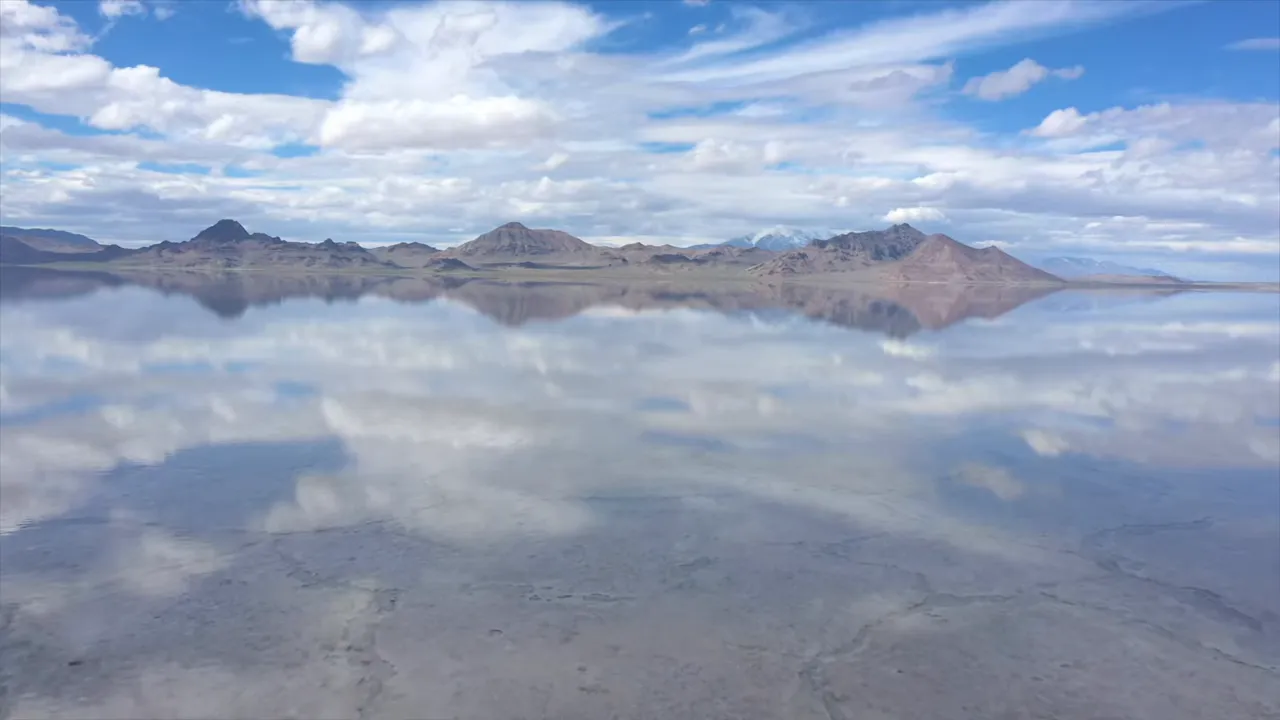
The Bonneville Salt Flats lie just west of Salt Lake City and extend across tens of thousands of acres, creating one of the planet's most otherworldly landscapes. Renowned for their stark white surface and dramatic reflections after rain, the flats attract photographers, motorsport enthusiasts, and day-trippers. While not within the immediate urban core, the flats contribute to the region's tourism ecosystem and weekend getaway appeal.
Housing and planning perspectives:
- Communities that serve as staging points for Salt Flats excursions often benefit from short-term visitor spending but may also face seasonal traffic spikes tied to events and weather windows.
- Long drives to unique landscapes like the Bonneville Salt Flats are frequently part of the lifestyle decision for buyers seeking both city amenities and rapid access to remote recreation.
How these attractions shape neighborhoods and market trends
Each attraction profiled above functions as a microeconomic driver that influences surrounding land use, service offerings, and housing demand. Cultural and natural amenities attract certain buyer profiles—families, outdoor enthusiasts, cultural consumers, and investors—and those preferences ripple through neighborhood retail, school enrollment, and transport planning. For instance, proximity to Red Butte Garden and Big Cottonwood Canyon tends to appeal to families and nature-oriented buyers, while central attractions like Temple Square and The Leonardo align with buyers prioritizing walkability and downtown cultural life.
Market snapshot:
- Salt Lake City's diverse housing stock includes historic single-family homes, mid-century neighborhoods, modern infill, and high-rise downtown condominiums.
Practical tips for visitors who are also prospective buyers
Combining a visit with a property search can be efficient if planning anticipates both the tourism schedule and real estate logistics. The following considerations can streamline both experiences.
- Timing: Visit attractions during off-peak hours to assess daily life without festival or event congestion. For example, early weekday mornings provide a clearer sense of neighborhood routines.
- Transportation: The city's transit connections make central attractions accessible without depending on a car. For canyon or Bonneville trips, a vehicle is necessary—factor in travel time when scheduling showings.
- Seasonal inspections: Check properties in both summer and winter when possible, to evaluate snow clearance, road access, and seasonal noise associated with tourism or events.
- Neighborhood walks: Walk surrounding streets of potential purchases to evaluate schools, parks, local retail, and transit stops—amenities that influence day-to-day living and long-term resale value.
- Regulatory due diligence: Short-term rental rules, HOA covenants, and local zoning can materially affect investment strategies—verify with city planning departments or trusted advisors.
Step-by-step approach for evaluating properties while visiting Salt Lake City
1. Identify preferred lifestyle anchors (e.g., proximity to Red Butte Garden or access to Big Cottonwood Canyon).
2. Schedule property viewings clustered by neighborhood to maximize time and reduce travel across the valley.
3. Visit local amenities at different times of day—mornings for noise levels, afternoons for retail activity, evenings for dining and transit frequency.
4. Ask for utility and maintenance histories for properties with hillside lots or older foundations—slope and drainage can influence maintenance costs.
5. Consult municipal resources regarding future infrastructure projects that may affect property values and neighborhood character.
Data-driven considerations and authoritative resources
Demographic, economic, and planning data are indispensable to buyers and investors. For authoritative information on population trends and demographic profiles, consult the U.S. Census Bureau at https://www.census.gov. For state-level resources including park, recreation, and planning information, refer to https://utah.gov. These resources help quantify growth trends, school enrollment shifts, and infrastructure projects that will influence future housing demand.
Neighborhood highlights tied to each attraction
For quick reference, the following neighborhood summaries connect each attraction to nearby residential markets and lifestyle implications.
- Temple Square: Central City, Warehouse District — higher-density housing, strong transit, tourist-driven retail.
- Utah State Capitol: Capitol Hill — historic architecture, elevated views, stable single-family neighborhoods.
- Red Butte Garden: East Bench, Foothill — family-friendly, strong school access, close to open space.
- Natural History Museum: University-area neighborhoods — academic renter market, cultural vibrancy.
- Big Cottonwood Canyon: Wasatch foothill communities — second-home market, seasonal demand spikes.
- Hogle Zoo: Parks and family neighborhoods — supportive of young families, local programming.
- Great Salt Lake / Antelope Island: Western valley communities and island staging towns — lifestyle-driven purchases, outdoor focus.
- The Leonardo Museum: Downtown core — condos, walkable amenities, strong support for small businesses.
- Bonneville Salt Flats: Western access towns — weekend visitor economy, event-driven traffic.
Balancing lifestyle preferences with investment goals
Buyers should match lifestyle priorities to housing product types. For example, those seeking minimal maintenance and dense urban amenities may prefer downtown condos near The Leonardo and Temple Square. Families looking for yard space, schools, and outdoor access might prioritize neighborhoods near Red Butte Garden or the East Bench. Investors targeting rental yield should evaluate areas with consistent demand drivers—universities, hospitals, and cultural institutions provide steady renter pools—while second-home buyers should weigh seasonal variability and operating costs tied to mountain properties.
Long-term investors will benefit from monitoring local planning efforts, transit expansions, and park investments, which can meaningfully alter neighborhood desirability and capital appreciation over a multi-year horizon.
One resource to bookmark
For localized market listings and property-search tools, see the Salt Lake City listings page and the market stats dashboard. The SLC neighborhood guide pairs the attractions in this post with the current crime + market data for each area.
Conclusion
Salt Lake City's combination of cultural attractions, natural landmarks, and year-round outdoor recreation creates a distinctive real estate market. Each featured place—from Temple Square's historic center to the Bonneville Salt Flats' surreal expanse—offers a window into neighborhood character and market dynamics. Prospective buyers, families, and investors who pair attraction-focused visits with practical real estate due diligence will be positioned to choose properties that align with lifestyle goals while capturing the city's long-term upside. Evaluating properties across multiple seasons, understanding local regulations, and leveraging authoritative data sources will strengthen decision-making and help ensure that any purchase supports both daily living and long-term value.
Pairing visits with a property search
If you're combining a trip with an SLC house hunt, three resources that will save time:
- Salt Lake City market stats — current median sale, days on market, and sale-to-list ratio.
- SLC neighborhood guide — pairs each neighborhood with current crime + market data.
- Reach out to Best Utah Real Estate — our agents can build a showing schedule that overlaps with the attractions you're visiting.
Posted by Kristopher Larson
Frequently asked questions
How do cultural attractions affect home prices in Salt Lake City?
Is it practical to commute from neighborhoods near Big Cottonwood Canyon?
What should SLC buyers know about short-term rental regulations?
Are areas near Antelope Island or the Great Salt Lake risky due to environmental factors?
Which SLC neighborhood is closest to the most attractions?
Is Salt Lake City worth visiting for a weekend?
Salt Lake City, Utah housing market
A quick read on what homes are doing in Salt Lake City right now — pulled live from the MLS.
Keep reading
More from the blog
Moving to South Salt Lake, Utah: The 2026 Guide
Moving to Salt Lake City: How to Choose the Right Utah Area
Living in Salt Lake City, Utah: What to Know Before Moving