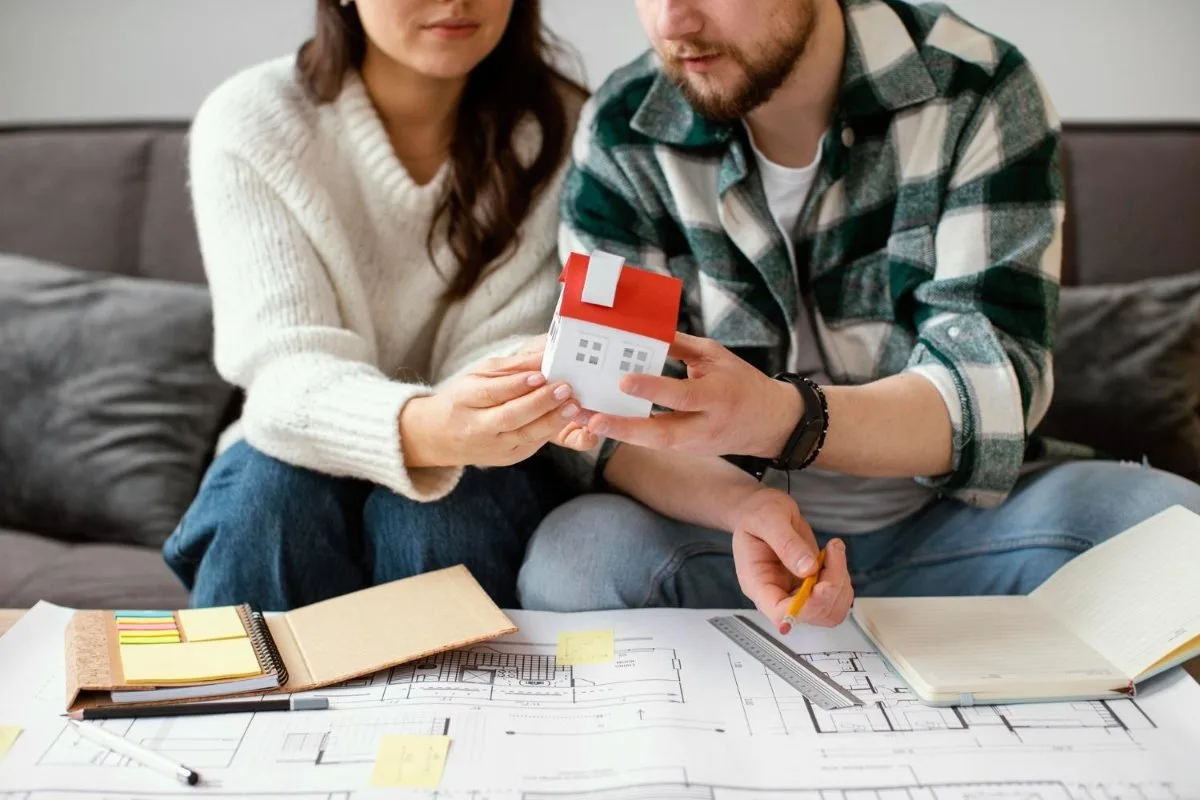
What Defines a Truly Custom Home in Today’s Real Estate Market?
In a real estate landscape increasingly shaped by evolving buyer expectations, the concept of a “custom home” has taken on a deeper and more nuanced meaning.
In a real estate landscape increasingly shaped by evolving buyer expectations, the concept of a “custom home” has taken on a deeper and more nuanced meaning. No longer limited to aesthetic upgrades or surface-level personalization, true customization today reflects a comprehensive alignment between a homeowner’s lifestyle, long-term goals, and the structural design of the property itself.
This shift is particularly relevant in markets like Utah, where growth, migration patterns, and lifestyle-driven decisions are influencing how people approach homeownership. Buyers are no longer simply selecting from available inventory; they are seeking environments that reflect how they live, work, and plan for the future.
Beyond Standardization: The Limits of Pre-Designed Housing
For decades, large-scale residential development has been built around efficiency and replication. Pre-designed homes allow developers to streamline construction timelines, reduce costs, and meet demand quickly. While this model has served a purpose, it often introduces constraints.
Floor plans are fixed, material selections are limited, and spatial design tends to prioritize broad appeal over individual functionality. For some buyers, this works. For others, particularly those thinking long-term, it creates friction.
The realization that a home should adapt to its owner, rather than the othe r way around, is driving a gradual but noticeable shift toward fully custom construction.
The Modern Definition of a Custom Home
A truly custom home is not defined solely by unique finishes or architectural style. It is defined by process.
From the earliest stages, the focus is on understanding how a space will be used. This includes considerations such as daily routines, family dynamics, work-from-home requirements, entertainment preferences, and even future life changes. These factors influence decisions at every level, from layout and orientation to material selection and energy efficiency.
Builders who operate in this space tend to approach projects with a planning-first mindset. Rather than offering a set of predefined templates, they work collaboratively with homeowners to translate abstract ideas into practical, buildable designs. This is where companies like Degroot Custom Homes come into the conversation. Their approach reflects a broader industry movement toward precision, adaptability, and long-term value creation. Instead of focusing on volume, the emphasis is placed on tailoring each project to align with the specific needs and vision of the homeowner.
Designing for Lifestyle, Not Just Layout
Modern homebuyers are placing increasing importance on how a space supports their daily lives. This goes beyond the number of bedrooms or square footage.
Open-concept living areas are being re-evaluated in favor of flexible spaces that can adapt to different uses throughout the day. Dedicated home offices, wellness-oriented features, and indoor-outdoor integration are becoming standard considerations rather than luxury add-ons.
Experienced custom home contractors can integrate these elements seamlessly during the building process, rather than retrofitting them into an existing structure. The result is a home that feels cohesive, intuitive, and aligned with the way people actually live.
This level of alignment is difficult to achieve within the constraints of traditional development models, which are often designed to appeal to the widest possible audience rather than a specific individual.
The Role of Location in Custom Development
While design plays a central role, location remains a foundational factor in real estate value. In regions like Utah, where natural landscapes, urban expansion, and community planning intersect, the ability to build a custom home on a carefully selected plot adds another layer of strategic decision-making.
Orientation, views, sunlight exposure, and proximity to key amenities all influence both lifestyle and long-term property value. Custom homebuilding allows these factors to be considered holistically, rather than as fixed variables.
This approach transforms the home from a standalone structure into part of a broader living environment, one that is intentionally curated rather than passively accepted.
Customization as a Long-Term Investment Strategy
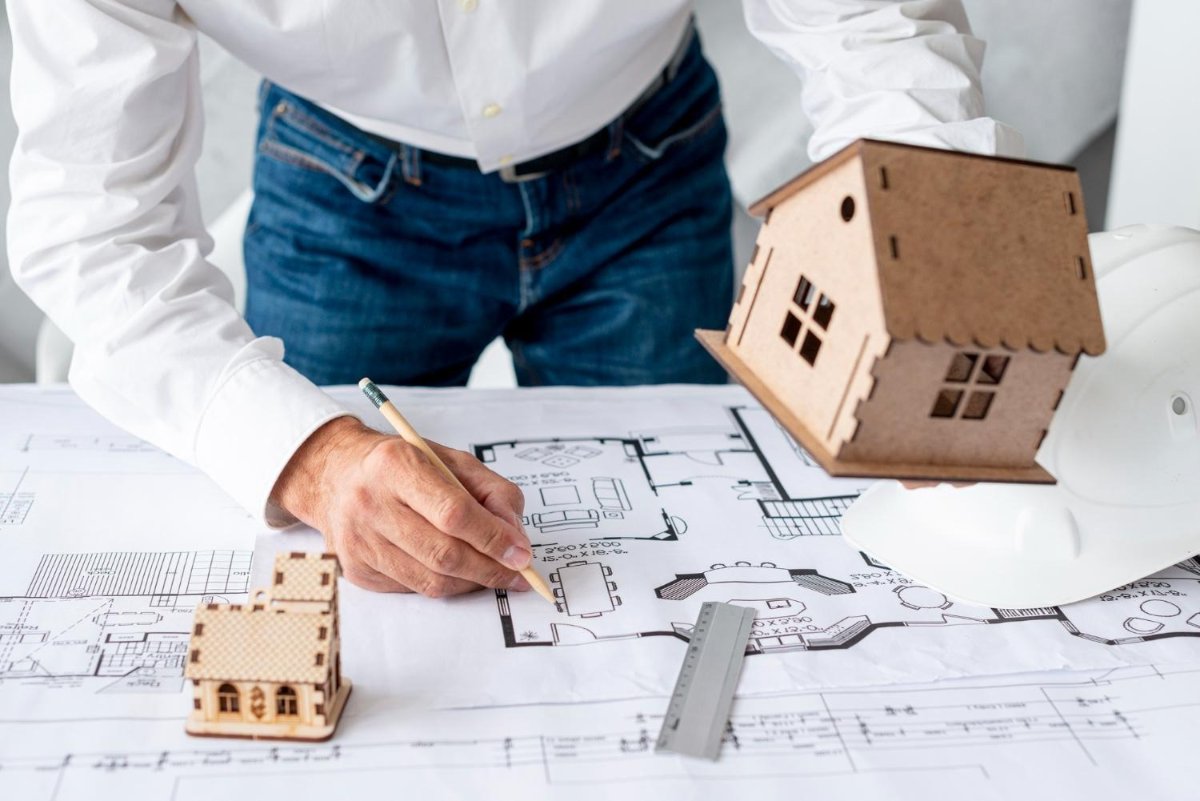
One of the most overlooked aspects of custom home building is its connection to long-term financial thinking.
At first glance, custom homes may appear more expensive than pre-designed alternatives. However, when evaluated over time, the equation becomes more complex. A home designed around efficiency, durability, and functionality can reduce maintenance costs, improve energy performance, and eliminate the need for future renovations.
According to the U.S. Department of Energy, residential energy efficiency improvements can significantly reduce long-term utility costs, particularly when integrated into the design phase rather than added later. This reinforces the value of intentional planning from the outset.
In this context, customization is not just about preference, it is about optimization. Every decision, from insulation to window placement, contributes to how the home performs over decades.
Quality, Craftsmanship, and Control
Another defining characteristic of custom homes is the level of control it offers. From material sourcing to construction methods, homeowners are more directly involved in decisions that affect the final outcome.
This often leads to higher standards of craftsmanship, as the focus shifts from speed to precision. Builders are not simply executing a plan; they are refining it in collaboration with the client.
The result is a property that reflects a higher degree of accountability at every stage of the process. For buyers who value transparency and quality assurance, this can be a decisive factor.
A Shift in Buyer Mindset
Ultimately, the rise of custom homes reflects a broader shift in how people think about real estate.
Rather than viewing a home as a static asset, buyers are increasingly treating it as a dynamic environment, one that evolves with their needs and supports their long-term goals. This perspective aligns with wider trends in personal investment, where quality, sustainability, and adaptability are prioritized over short-term convenience.
As this mindset continues to gain traction, the demand for truly custom homes is likely to grow. Not as a niche offering, but as a standard for those seeking greater control, alignment, and value in their living spaces.
The definition of a custom home has evolved far beyond surface-level personalization. It now represents a deliberate, strategic approach to homeownership, one that prioritizes alignment between design, lifestyle, and long-term performance.
In markets where expectations are rising and options are expanding, this approach offers a clear advantage. It allows homeowners to move beyond compromise and toward a living environment that is intentionally built around them.
As real estate continues to adapt to changing demands, the role of custom homebuilding will only become more central, not just as a design choice, but as a reflection of how people define value in the places they live.
Keep reading
More from the blog

Gas Line Installation: What Homeowners Need to Know First
Roof Timeline Guide for Buying an Older Utah Home
How to Choose Windows for a Utah Home With a Mountain View