

How to Build a Successful Real Estate Career in Utah
Learn how to start a real estate career in Utah: licensing, skills, local market nuances, and hiring tips. Try our recommendations to pass your first interview.
In 2025, Utah is one of the fastest-growing states by population, adding around 138 people each day. And where there are more people, there’s a greater demand for housing. Mortgages, cash purchases, apartments, and house rentals for the whole family: is this motivating enough for real estate agents?
Despite the ongoing boom in the local market, entering the industry isn’t as easy as it seems: you need to know where to focus your efforts, which areas and target audiences to choose, and how to promote your services. We’ll learn more about this and the details of Utah real estate today.
Why Utah Is a Promising Market for Real Estate
It’s not even promising: it’s already proven successful. Despite some market corrections, 2025-2026 are putting realtors on the crest of a wave: high interest rates, good earnings, fast transactions. But why is this happening? What attracts people to Utah?
Economic and Market Conditions
The state’s main strength is its rapid population growth: 3.6 million people live there today, and experts expect this number to nearly double by 2065. We also looked at the initial destinations of migrants: mostly successful states like Nevada and California. Job opportunism, the state’s tranquility, and its affordability are attracting an increasing number of remote workers, businesspeople, and large families.
Salt Lake City is the most popular option, but in fact, it’s one of the few cities where Americans are moving from other locations. Most new residents choose suburbs: median home prices remain stable at $579,000. And, of course, they’re willing to pay.
Employment Growth in Tech, Healthcare, Finance, and Service Sectors
Utah is thriving with tech startups: Salt Lake City and Provo are becoming hubs for biotech companies, tech giants, and global corporations. High-paying industries and new jobs attract certain groups: singles, families, or couples, new money seeking to trade the hustle and bustle of “popular” New York and LA for new views, quieter cities, and safety. Our ideal audience: they’re willing to pay for comfort.
Favorable Tax Policies Compared to Other States
Compared to Washington or CA, which are also rich in similar startups and offerings, Utah has a significantly lower barrier to entry: a property tax rate of 0.47 – 0.53% is lower than in other states. For comparison, in Los Angeles this figure is approximately 0.6%, in Washington 0.76 – 0.93%, and in Florida 0.71 – 0.83%. This low property tax burden allows for higher-than-average home purchases at lower prices.

Client Acquisition Channels in Utah
Clients are there, and they are plentiful: we’ve already proven that. But why are many realtors still struggling to find their clients? It’s all about communication channels and targeting. Every state and local habit is different, which logically leads to the conclusion that we need to adapt to stay relevant. How can this be possible?
Online Marketing
Utah’s audience is quite “family-oriented”, so if you promote this type of content, you’ll find your clients faster. Like any American, locals use Instagram, Facebook, and YouTube: simple social media promotion can work. Also, use local platforms: KSL.com is a regional giant for listings, ranging from household items to houses.
Local Networks and Partnerships
Word of mouth is still a factor here. Become part of a community: a few familiar brokers, builders, real estate lawyers, and interior designers will create a professional atmosphere. This means more opportunities, more inspiration, and more people who know your name.
Want to work in property development in cities? Try large tech hubs like Salt Lake City with high salaries and friendly clients. What to look for? Meetups, workshops, the Real Estate Investors Association, and short-term rental groups in resort towns.
Offline Marketing
What’s truly amazing about Utah is how innovation blends seamlessly with tradition - and that’s awesome! Both new and old methods work here; let’s talk about the latter in more detail. The classics include flyers promoting your services in high-demand areas, participating in fairs and city events, and advertising in community magazines, stores, and on the radio. These methods, by the way, are significantly less expensive and allow you to reach a new market segment.
First Steps to Start Your Career
If you’re just starting out, the Utah market will boost your experience and skills with flying colors. HR managers ask specific real estate agent interview questions: how can you be sure you’ll answer them accurately? These qualities and achievements will help you meet the necessary requirements:
-
Local market research. You must understand the specifics of pricing, audiences, and profitable areas.
-
Licenses and education. A certificate, a 120-hour pre-license course, and a completed sales agent exam allow you to be assigned to a broker to begin your work.
-
Soft skills. Flexibility, adaptability, independence, and the ability to present information will give you a good start. As an agent, you’ll be constantly in touch with potential buyers: showing homes, talking on the phone, and discussing details.
-
Networking and first leads. Even without experience or an offer from a company, you can start to enter this field. This is important because you’ll see agents in their natural habitat – open houses, meetups, and conferences. You’ll understand how they behave, how they communicate, and what sales techniques they use.
Yes, you may have little or no commercial experience. But if you’re a legitimate, licensed agent with an understanding of the market and human psychology, it will be immediately apparent.
Risks and How to Mitigate Them
Everything related to the Utah real estate market has been very encouraging so far: the numbers, a clear target audience, effective communication channels, and favorable transaction terms. Becoming a realtor from scratch in Utah is an excellent and promising idea. What mistakes should you avoid when entering the market and looking for a job? Pay attention to these:
-
Unclearly positioning yourself as a specialist. Newcomers are often “ready to work with anything”, and on the one hand, this motivation is energizing. But this also means that a new agent lacks a specific focus, which requires more training. To solve this problem, structure your real estate agent resume by choosing a narrower focus.
-
Lack of basic knowledge and terminology. When you’re clueless about deadlines, brokerage requirements, and CE hours, this is a red flag for HR. The more specific knowledge, licenses, and skills you include in your resume (which you can back up, of course), the better. Dig deeper to build a strong theoretical foundation.
-
Poor communication skills. You’ll likely be asked how you handle rejections, explain complex information, and negotiate. This is your moment to shine – even two or three real-life examples and experiences will highlight your strengths and potential.
Utah is a combination of opportunity, technology, and a comfortable family atmosphere. Young people appreciate the state’s safety and diversity, making quiet cities comfortable and developed. As a budding realtor, this is your chance. Make your first move, and the market will respond: the key is to learn to be an expert, honest, and motivated.
Keep reading
More from the blog

Gas Line Installation: What Homeowners Need to Know First
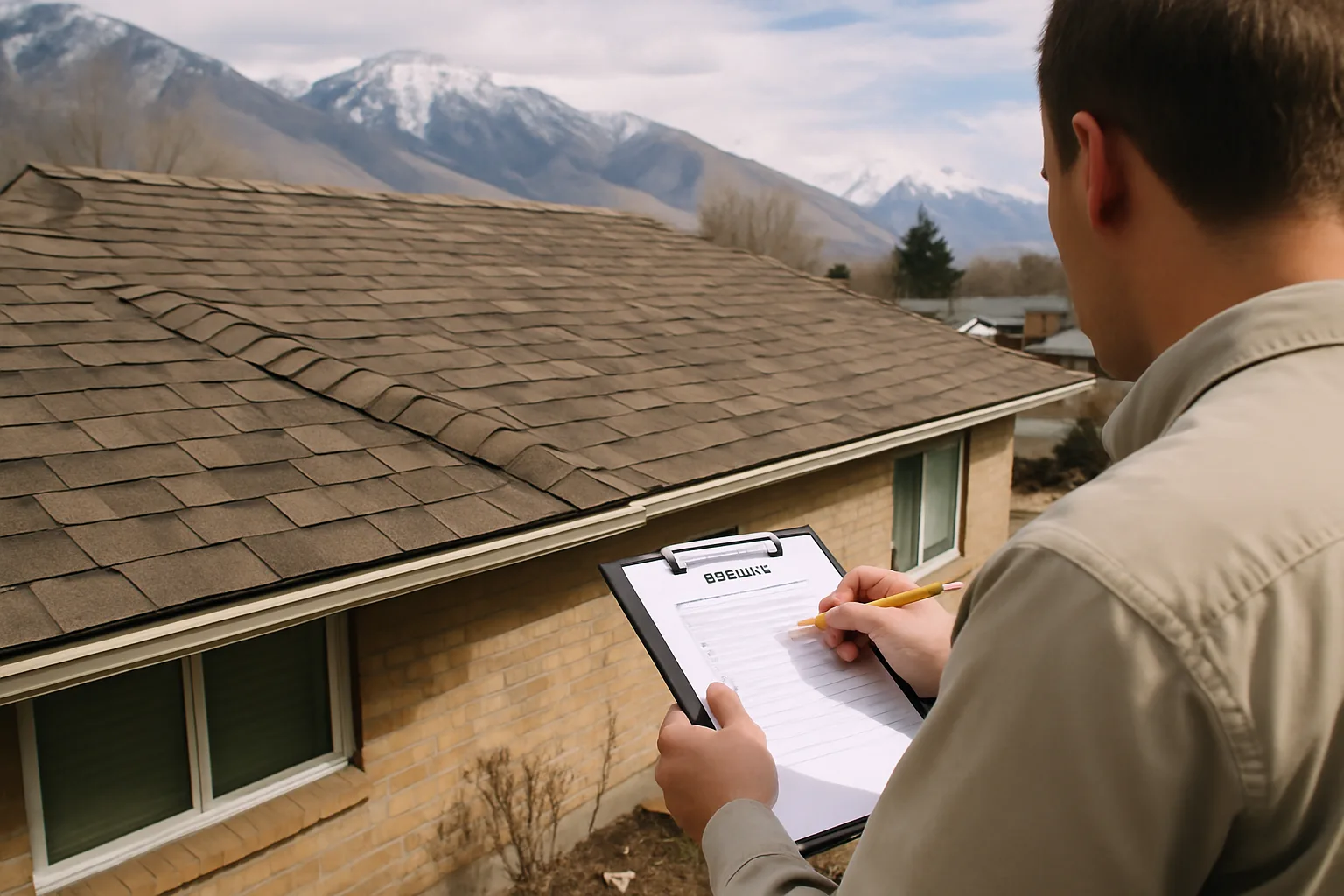
Roof Timeline Guide for Buying an Older Utah Home

How to Choose Windows for a Utah Home With a Mountain View