Top 5 Most Common Electrolux Appliance Problems — And How to Fix Them
Look, appliances break. Even good ones like Electrolux. I get it—you bought quality stuff expecting it to last, but after a few years things start acting up. Motors wear down, seals crack, parts get dirty. It happens to everyone.
Look, appliances break. Even good ones like Electrolux. I get it—you bought quality stuff expecting it to last, but after a few years things start acting up. Motors wear down, seals crack, parts get dirty. It happens to everyone.
The thing is, most problems aren't as bad as they seem. People freak out when their fridge stops cooling or their washer starts jumping around the laundry room. I don't blame them—it's stressful. But a lot of times you can fix these things yourself in twenty minutes. Save the repair call for when you actually need it. If the simple stuff doesn't work, that's when you bring in Electrolux appliance repair people who know what they're doing. Here are the five things that break most often and how to deal with them.
1. Fridge Won't Stay Cold
You open the door expecting cold milk and instead everything feels room temperature. Awful, right? Your food's going bad and you're standing there wondering what the hell happened.
This one's pretty common. Could be a bunch of different things. Maybe the vents inside got blocked by all the leftovers you shoved in there. The coils on the back collect dust like crazy—when they're dirty, the fridge can't dump heat properly. Sometimes it's just that someone accidentally turned the temperature knob and nobody noticed. The rubber gasket around the door wears out too. Once it cracks or gets loose, cold air just leaks out constantly.
Here's what to try: Start with the obvious stuff. Check if someone messed with the temperature setting. Do the dollar bill test on the door seal—close the door on a bill and try pulling it out. If it slides out easy, that rubber seal is shot and needs replacing.
Now go behind the fridge. See those coils back there? They're probably covered in dust, hair, whatever else has been floating around your kitchen. Clean them off with your vacuum. You can buy a special coil brush if you want, but honestly the vacuum works fine.
Give the fridge some breathing room. It needs space around it for air circulation. Inside, don't pack stuff against the back wall where the vents are. Air has to flow or nothing cools right. These basic fixes work probably 80% of the time. Still warm? Then you're looking at a compressor issue or a dead fan, which means calling someone.
2. Dishwasher Standing Water Problem
Open the dishwasher after it's done and there's nasty water sitting at the bottom. Plates are still dirty. You can't run it again until you figure out what's wrong. This one bugs people more than almost anything else.
Good news is it's usually clogged somewhere. That filter at the bottom? Food scraps and grease build up in there until water can't get through. The hose that drains water out might be kinked or something's stuck in it. Or the pump gave up, but that's less common than people think.
What to do: Pull that filter out first—it's down at the bottom of the tub and usually twists to unlock. Take it to the sink and rinse off all the gunk. Seriously, it gets disgusting. While you're down there looking around, check the drain hose. Pull it off and peek inside. I've found pieces of broken glass, twist ties, you name it. Just flush water through it.
Toss some vinegar in there and run an empty cycle. Cleans out the pipes pretty well. Listen when it's supposed to drain. You should hear the pump humming. If it's totally silent or making grinding noises, yeah, the pump's dead. But clean that filter first because I've watched people buy new pumps when all they had to do was rinse the filter. Waste of money.
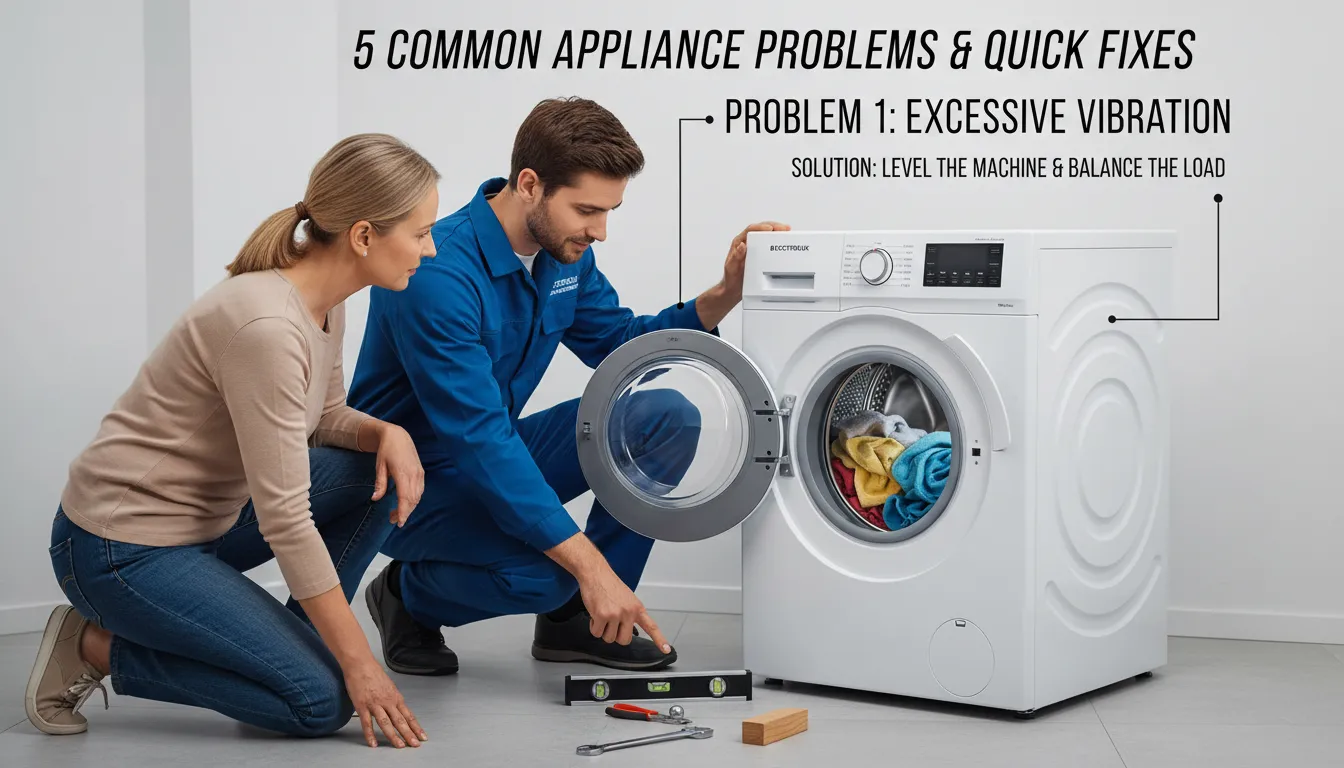
3. Washer Shaking Like Crazy
Your washing machine sounds like it's having a seizure during the spin cycle. The whole floor's vibrating. You're worried it's gonna walk right out of the laundry room. Front-loaders do this way more than top-loaders, and yeah, Electrolux machines are no exception.
Most of the time the load just got unbalanced. Heavy stuff bunches up on one side and throws everything off. The machine might not be level either—even being slightly tilted causes problems. Inside, the shock absorbers can wear out. Sometimes—and this is embarrassing but it happens—the shipping bolts are still in there from when it was delivered. Those are meant to hold the drum steady during transport, and if nobody took them out before the first wash, your machine's gonna shake itself apart. Drum bearings fail too after enough years, which makes this horrible rumbling noise.
Fix it like this: Open it up and move stuff around so the weight's distributed better. Don't wash one big comforter by itself—throw some towels in with it. Grab a level from the garage. Put it on top of the washer. Not level? Twist those feet on the bottom until it is. Takes a minute but makes a huge difference.
Check the back of the machine for big bolts. Shipping bolts. If they're still there, take them out. That's probably your whole problem right there. Hearing grinding or rumbling sounds? That's bearings. Fixing bearings means basically taking the whole machine apart. Not a DIY job for most people. Call someone who does this for a living.
4. Oven Temperature's All Wrong
You set it to 350, follow the recipe exactly, and your food comes out burned around the edges but raw in the middle. Your cookies are rocks. That roast you spent money on is ruined. The oven's lying to you about how hot it really is.
Could be the temperature sensor went bad. The sensor tells the oven how hot it is, and when it's broken, everything's guesswork. The heating element might be dying—can't hold a steady temperature anymore. Or maybe nothing's actually broken and it just needs calibration. Ovens drift over time. The dial says one thing, the actual temperature is something else.
How to fix it: Buy a cheap oven thermometer at the store. Set your oven to 350 and let it preheat. Stick the thermometer in there, wait about 20 minutes, then check what it says. If it's off by more than 25 degrees, you need to calibrate.
Your oven's got calibration settings buried in the control panel somewhere. Dig out the manual and look up how to get into calibration mode. It's a little tedious but not hard. Look at the heating element while you're at it. See any cracks? Does it glow bright red when the oven's on? If not, replace it. Temperature sensors are cheap parts—like fifteen bucks—and you can swap them yourself pretty easy. Start there before you mess with anything complicated.
5. Dryer Runs But Won't Heat
The dryer's tumbling away but your clothes come out just as wet as when you put them in. Three cycles later and you've got damp jeans. Makes you want to scream when laundry's piling up.
Electric dryers have this thermal fuse that blows when things get too hot inside. Once it blows, no more heat. This happens when the vent's clogged and hot air can't escape. Gas dryers are different—the igniter or valve breaks and the flame never lights up. Either way, nine times out of ten there's a clogged vent somewhere in the mix.
What to do about it: Clean the lint trap. Yeah, I know you do it every time. Do it again anyway and really get in there. Pull the trap out completely and stick a brush down into the slot. You'd be amazed what builds up in there. Now pull the dryer away from the wall and unhook the vent hose. Look inside. Clogs in there are a legit fire hazard, not just annoying. Take this seriously.
Got an electric dryer? Find the thermal fuse—it's usually on the blower or near the heating element. Test it with a multimeter. Dead? Replace it. But also figure out why it blew in the first place, which is probably that clogged vent. Gas dryer? Turn it on and listen. Hear clicking but no flame shows up? Your igniter's toast. Needs a new one.
Know When You're In Over Your Head
Some stuff's just too complicated for regular people. You tried everything here and nothing worked? Call a tech. Same deal if you're seeing error codes you can't figure out. Don't touch electrical wiring if you don't know what you're doing. Don't mess with gas lines. Don't try to fix refrigerant leaks. That's how people get hurt or turn a $150 repair into a $600 disaster.
You can avoid a lot of headaches by doing simple maintenance before things break. Clean your filters every couple months. Check door seals once a year for cracks. Don't overload your machines past the fill line. Basic stuff like that keeps appliances running way longer.
This applies to other brands too—GE too, Whirlpool, Samsung, all of them. Same problems pop up across the board. Once you know how to troubleshoot the basics, you can fix half the stuff that breaks without calling anybody. Save money and you're not sitting around waiting for a repair guy to show up.
Keep reading
More from the blog
Gas Line Installation: What Homeowners Need to Know First

Roof Timeline Guide for Buying an Older Utah Home

How to Choose Windows for a Utah Home With a Mountain View