

The Electrical Contractor Playbook Is Changing, and the Winners Are Adapting Fast
The electrical contracting world does not sit still for long. Between shifting labor dynamics, rising material costs, and customers who expect faster answers with fewer surprises, the old way of running jobs feels heavier every year.
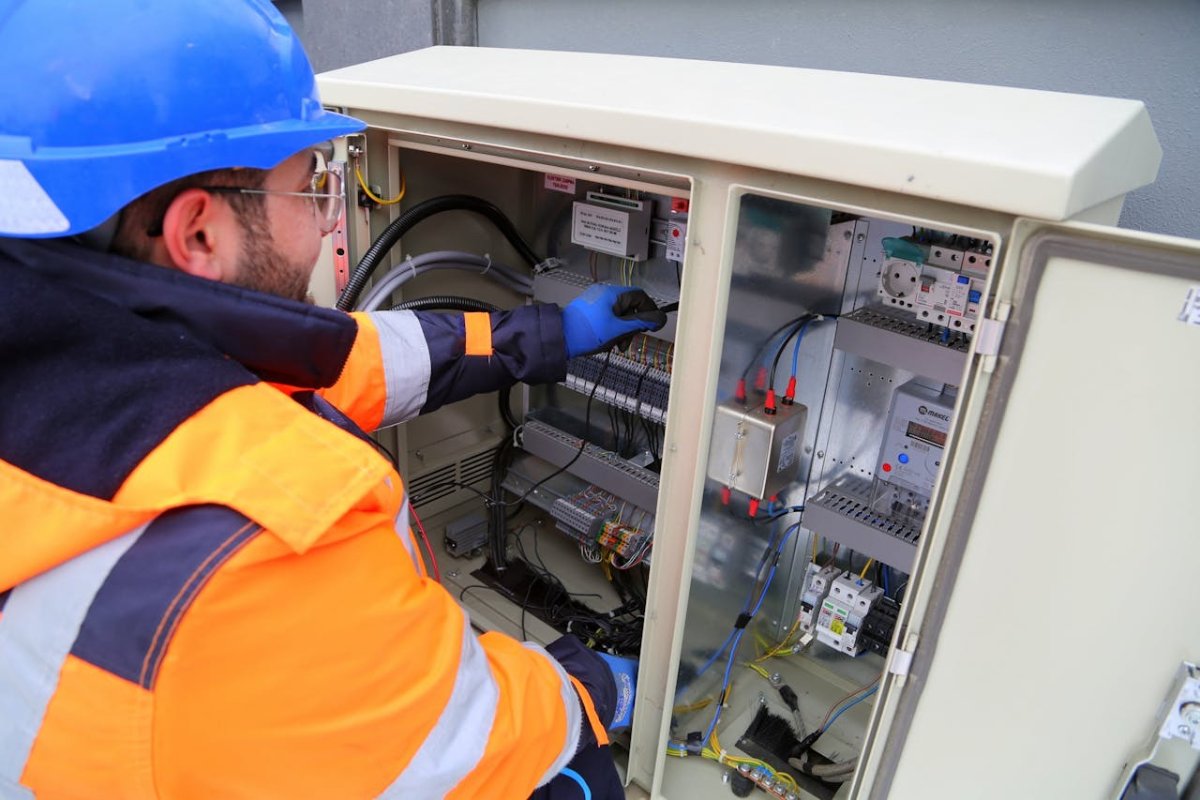
The electrical contracting world does not sit still for long. Between shifting labor dynamics, rising material costs, and customers who expect faster answers with fewer surprises, the old way of running jobs feels heavier every year. What separates companies that feel constantly underwater from those that are quietly gaining ground is not brute force or longer hours. It is a willingness to rethink how work actually flows, from the first phone call to the final inspection, and to modernize without losing the human core of the business.
Pressure Is Rising From Every Direction
Electrical contractors today are navigating a work environment that asks for speed, accuracy, and flexibility all at once. Crews are harder to staff, lead times fluctuate, and bids are scrutinized more closely than ever. These are not abstract problems, they show up on job sites and balance sheets daily. The challenges faced by contractors are not limited to labor shortages or supply volatility, they include client expectations shaped by other industries that have already gone digital and transparent.
Customers want clean estimates, realistic timelines, and fewer change orders. Inspectors want documentation that is easy to access and consistent. Owners want predictable margins in a market that feels anything but predictable. This pressure stack is forcing contractors to confront a tough truth. The systems that worked ten or even five years ago are no longer enough to support growth without burnout.
Efficiency Is Now a Competitive Advantage
Efficiency used to sound like corporate jargon. In contracting, it now means survival with sanity intact. Streamlining workflows does not mean rushing work or cutting corners, it means reducing friction where it never should have existed in the first place. When office teams chase paper trails or field crews wait on approvals, time leaks out in small but expensive ways.
The most resilient contractors are focusing on tightening the connection between estimating, scheduling, and execution. When those pieces talk to each other clearly, mistakes drop and confidence rises across the team. The job feels calmer because fewer decisions are made in panic mode. That calm shows up in better client relationships and fewer internal fires.
Technology Is Becoming a Practical Tool, Not a Luxury
There was a time when new software felt like something only massive firms could justify. That line has moved. Today, electrical company software is designed for real-world contracting workflows, not theoretical ones dreamed up in a boardroom. The best tools reduce double entry, surface issues earlier, and let teams spend more time solving problems instead of hunting for information.
This shift is especially noticeable in estimating. Accurate bids are harder to build when pricing changes weekly and projects grow more complex. That is where AI for electrical estimating is changing the game. Used well, it does not replace human judgment, it sharpens it. Estimators can model scenarios faster, spot inconsistencies, and respond to bid requests without sacrificing sleep or accuracy. The result is not just faster bids, but bids that feel grounded and defensible.
The Human Side Still Matters More Than Ever
It is tempting to frame progress as purely technical, but the human element remains central. Contractors succeed when their teams trust the systems they use and feel supported rather than monitored. Training matters. Communication matters. A tool that saves time but creates resentment will eventually fail.
Smart leaders are involving their teams in the transition, explaining not just what is changing but why. When electricians see that better systems mean fewer last-minute scrambles and clearer expectations, adoption becomes natural. Morale improves when people feel their time is respected. That cultural payoff is just as valuable as the operational one.
Clients Notice When Operations Mature
Clients may not know what software runs behind the scenes, but they feel the results. Estimates arrive on time and make sense. Schedules hold more often. Change orders are explained clearly rather than defensively. These experiences build trust, and trust drives repeat work.
In a crowded market, professionalism becomes a differentiator. Contractors who operate with consistency and clarity stand out without having to oversell themselves. The work speaks through its execution. Over time, that reputation compounds, attracting better projects and more collaborative clients.
Scaling Without Losing Control
Growth is not always a gift if it outpaces infrastructure. Many contractors hit a ceiling not because demand dries up, but because their systems cannot stretch any further. Adding crews without improving processes multiplies stress. Adding processes without clarity creates confusion.
The companies that scale well tend to pause before growth accelerates. They invest in systems that can support more volume without eroding quality. They standardize where it helps and stay flexible where it counts. This balance allows growth to feel intentional rather than reactive.
Progress Comes From Clarity, Not Chaos
The electrical contracting industry is not being transformed by hype or flashy trends. It is changing through steady, practical improvements that make work more predictable and sustainable. Contractors who lean into clarity, in their systems, their communication, and their decision making, are building businesses that last.
The future belongs to teams that respect their craft enough to modernize how it is delivered. Not because technology is trendy, but because it gives people the space to do their best work without constant friction. That is not a radical shift, it is a grounded one, and it is already reshaping the field in quiet but meaningful ways.
Keep reading
More from the blog

Gas Line Installation: What Homeowners Need to Know First
Roof Timeline Guide for Buying an Older Utah Home

How to Choose Windows for a Utah Home With a Mountain View