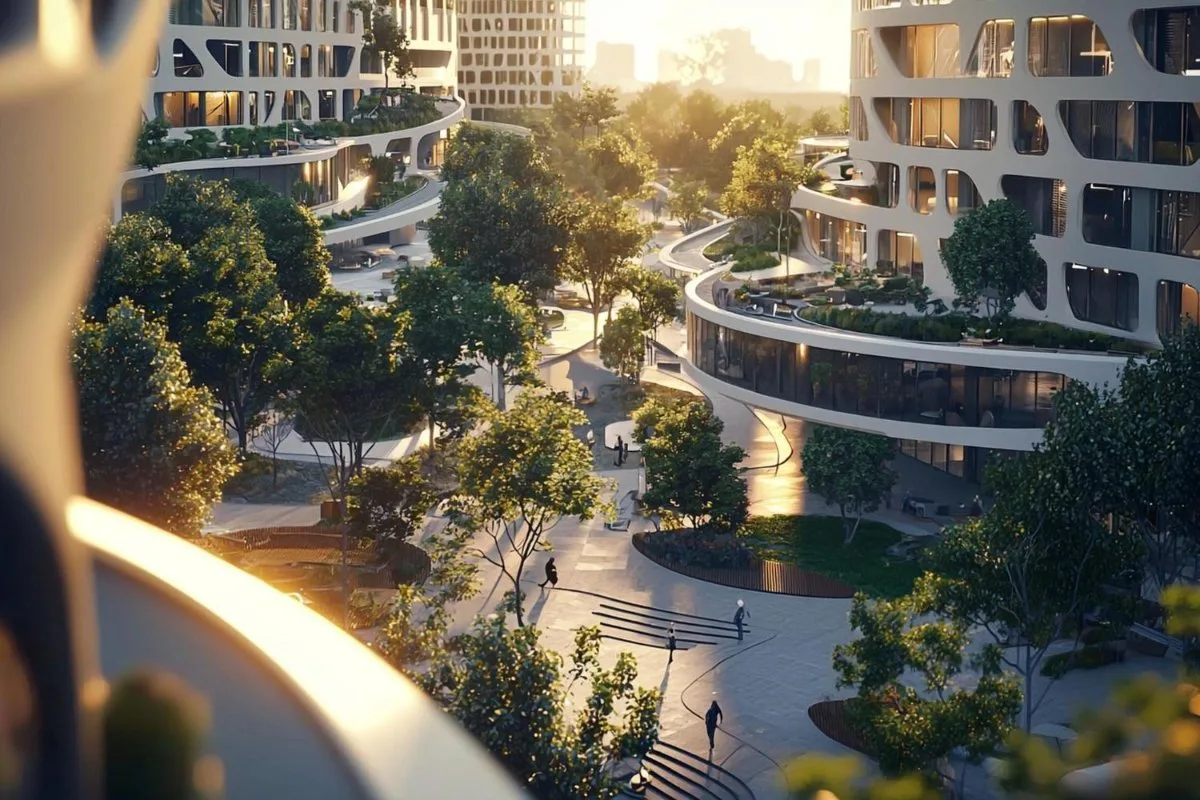
How Urban Luxury Developments Are Influencing Housing Markets Nationwide
Across the United States, urban luxury developments are reshaping how people think about housing, lifestyle, and long-term value. Once concentrated in a handful of global cities, high-end residential projects with integrated amenities are now influencing buyer expectations in markets of all sizes.
Across the United States, urban luxury developments are reshaping how people think about housing, lifestyle, and long-term value. Once concentrated in a handful of global cities, high-end residential projects with integrated amenities are now influencing buyer expectations in markets of all sizes. From coastal tech hubs to fast-growing interior states, these developments are setting new standards that ripple outward into regional housing markets, including places like Utah.
In major metropolitan areas, luxury projects often serve as benchmarks for design, convenience, and mixed-use living. Developments such as avenue estates bellevue wa illustrate how modern buyers are drawn to residences that combine high-quality construction with walkability, access to retail and dining, and proximity to employment centers. While most Utah buyers may not be shopping in Bellevue, Washington, the expectations created by these projects increasingly shape what buyers look for closer to home.
What Defines an Urban Luxury Development Today
Urban luxury developments are no longer defined solely by square footage or premium finishes. Instead, they emphasize experience. Location, design cohesion, and lifestyle integration matter as much as the unit itself.
Key characteristics often include:
-
Central or transit-oriented locations
-
Mixed-use elements such as retail, dining, and shared spaces
-
Architectural distinction and curated design
-
On-site amenities that reduce the need for daily travel
These features appeal to buyers who value time efficiency, walkability, and a sense of community. As remote and hybrid work become more common, proximity to culture and convenience has taken on renewed importance.
Why These Developments Set National Expectations
Luxury urban projects tend to attract early adopters, buyers who are willing to pay for innovation and convenience. Over time, what begins as “luxury” often becomes a baseline expectation.
This pattern has played out repeatedly in real estate. Open floor plans, once a high-end feature, are now standard. Energy-efficient design, smart-home integration, and shared amenities are following a similar trajectory.
As a result, developers in secondary and tertiary markets increasingly look to major metro projects for cues. Even when budgets and scale differ, the underlying principles, efficiency, quality, and lifestyle alignment, carry over.
The Spillover Effect on Regional Markets
Markets like Utah are experiencing strong population growth driven by job creation, quality of life, and relative affordability. Many incoming residents arrive from higher-cost urban areas and bring their expectations with them.
These buyers often compare local housing options not just against nearby alternatives, but against what they have seen in cities like Seattle, San Francisco, or New York. That comparison influences demand for:
-
Townhomes and condos with modern layouts
-
Walkable neighborhoods with mixed-use zoning
-
Developments that emphasize design and shared amenities
Even single-family home communities are adapting, incorporating clubhouses, trails, and neighborhood retail to mirror urban convenience.
How Developers Are Responding
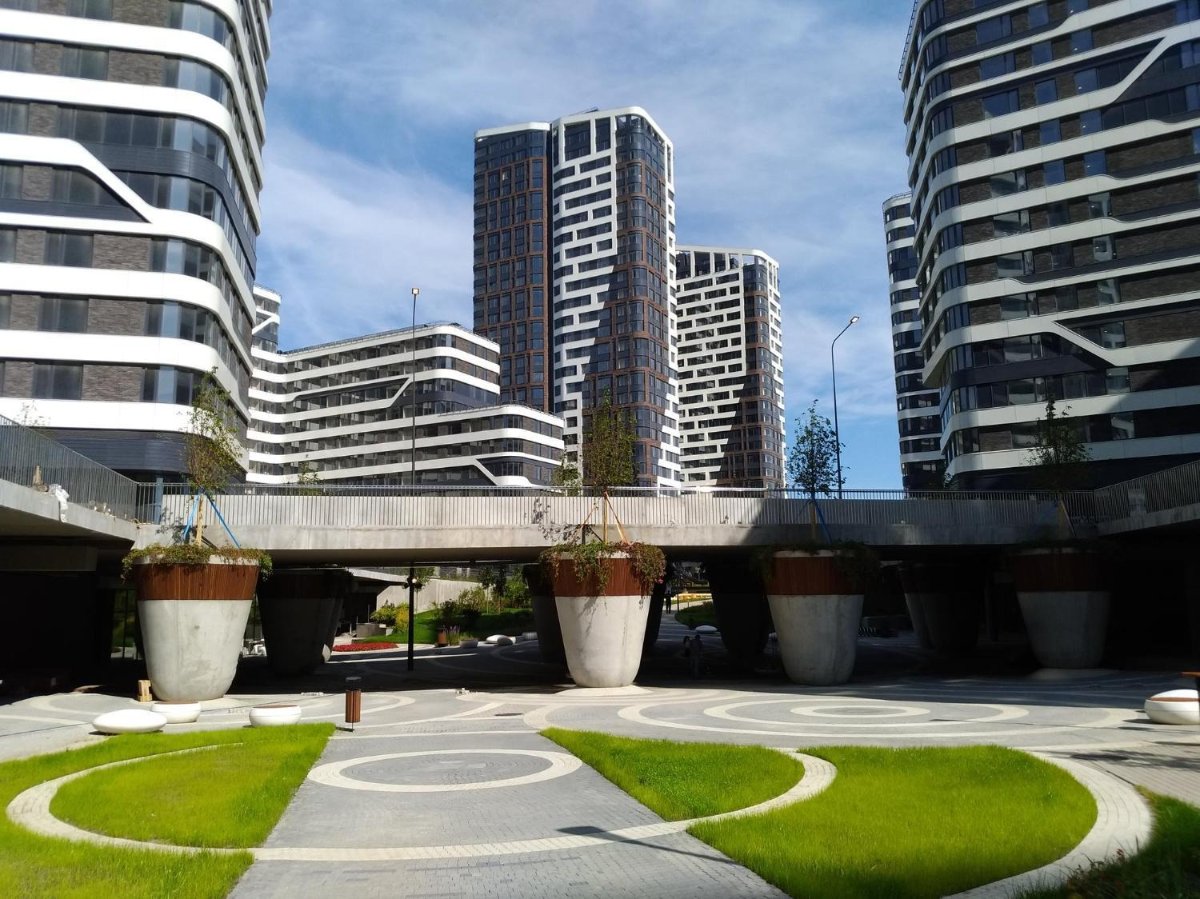
Developers nationwide are paying close attention to these shifts. In response, many projects now prioritize:
-
Smaller but more efficient floor plans
-
Shared spaces that replace underused private square footage
-
Architectural consistency across entire developments
-
Strategic placement near transit, employment hubs, or downtown cores
This approach allows developers to meet rising expectations without pricing out their target market entirely. In Utah, where land availability differs from coastal cities, this often translates into hybrid developments that blend suburban space with urban-style amenities.
Implications for Homebuyers
For buyers, the influence of urban luxury developments means more choice, and more complexity. Evaluating a property now involves more than bedrooms and price per square foot. Buyers increasingly consider:
-
How the home fits their daily routine
-
Access to services without relying on a car
-
Long-term resale appeal based on design and location
Understanding these factors helps buyers make decisions that align with both lifestyle goals and investment considerations.
Implications for Investors
Investors also feel the impact of this trend. Properties that align with urban-luxury-inspired preferences often demonstrate stronger demand, especially among renters and younger buyers.
Features that support walkability, community engagement, and low-maintenance living can improve tenant retention and resale prospects. As a result, investors are looking beyond traditional metrics and paying closer attention to how developments function as living environments.
What the Data Shows
Industry research supports the idea that lifestyle-driven developments are shaping the market. According to the Urban Land Institute, mixed-use and amenity-rich developments continue to outperform more traditional models in terms of demand and long-term resilience. Their research highlights that buyers increasingly prioritize access, experience, and community alongside price and size.
This data reinforces what many real estate professionals already observe on the ground: housing decisions are becoming more holistic.
What This Means for Utah’s Housing Future
Utah’s real estate market sits at an intersection of growth and opportunity. While it does not mirror coastal cities in density or pricing, it is influenced by the same cultural and economic forces.
As urban luxury developments continue to shape expectations nationwide, Utah developers, planners, and buyers will likely see:
-
Continued interest in mixed-use projects
-
Greater emphasis on design and placemaking
-
Increased competition based on lifestyle features rather than size alone
These changes do not mean Utah will lose its unique character. Instead, they suggest an evolution, one that blends space, affordability, and quality of life with lessons learned from high-demand urban markets.
Urban luxury developments are more than isolated projects; they are trendsetters. By redefining what people expect from where they live, they influence housing markets far beyond their immediate locations.
For buyers, investors, and real estate professionals in Utah and across the country, understanding this influence is essential. The future of housing will not be shaped solely by location or price, but by how well homes support the way people actually live.
In that context, urban luxury developments serve as a window into where housing demand is headed, and why adapting to those expectations matters now more than ever.
Keep reading
More from the blog
Gas Line Installation: What Homeowners Need to Know First
Roof Timeline Guide for Buying an Older Utah Home
How to Choose Windows for a Utah Home With a Mountain View