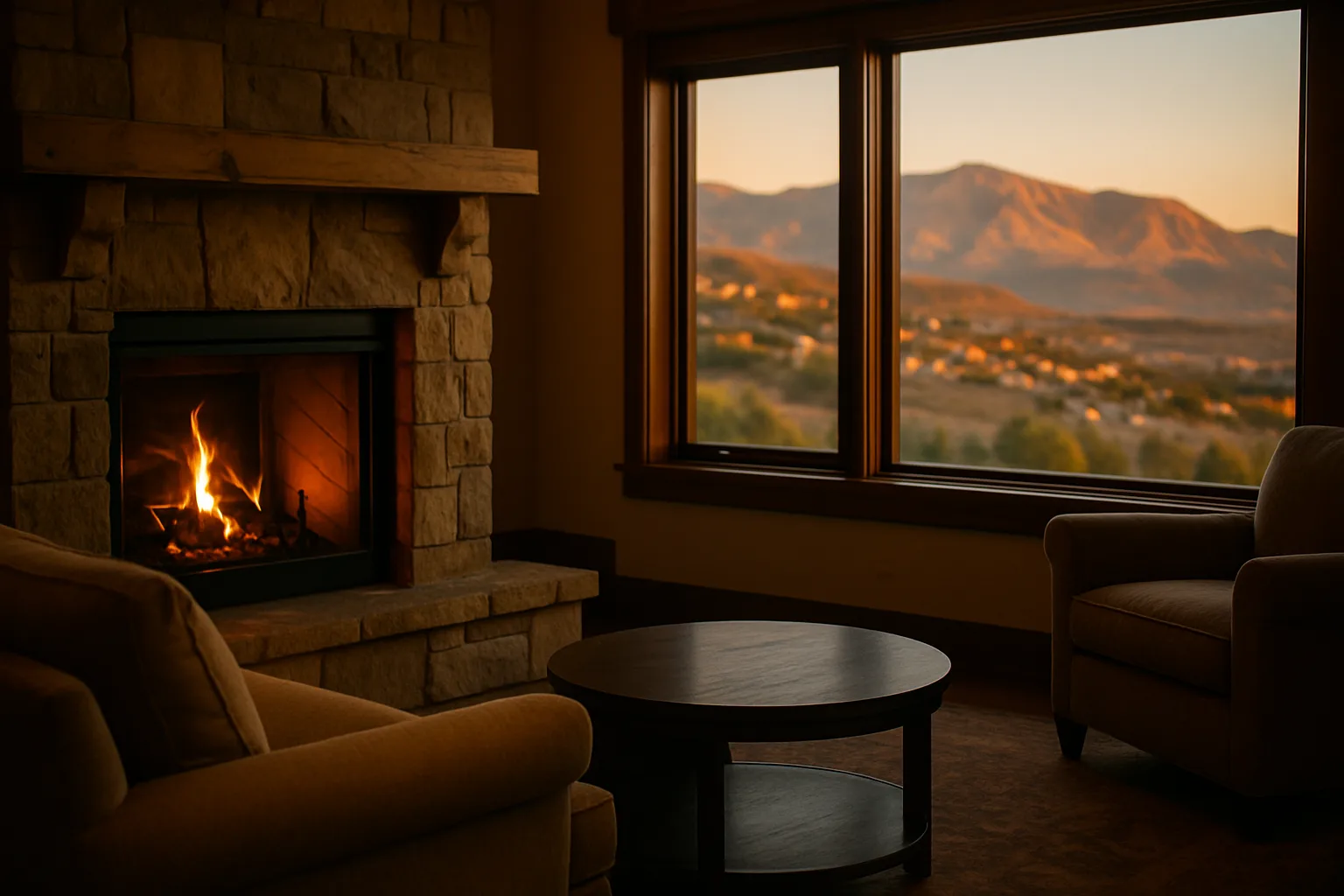
Why Fireplaces Still Influence Homebuyer Decisions More Than You’d Expect
In a real estate market driven by numbers, square footage, price per foot, school zones, it’s easy to assume that emotional features have lost their power. Smart thermostats, energy ratings,
In a real estate market driven by numbers, square footage, price per foot, school zones, it’s easy to assume that emotional features have lost their power. Smart thermostats, energy ratings, and open layouts dominate listings. Yet time and again, one feature continues to quietly sway buyer perception the moment they step inside a home: the fireplace.
Even buyers who insist they “don’t really care about fireplaces” tend to linger a little longer in rooms that have one. There’s something instinctive about it. Warmth, focus, and a sense of gathering are communicated instantly, without a single word being spoken. As a result, fireplaces remain one of the most understated but influential elements in residential real estate, especially in climates where seasons still matter.
That’s why many homeowners and buyers alike now pay closer attention to fireplace design, placement, and quality, often looking at specialist providers such as The Great Fire Company when exploring how fire features can shape the feel and long-term appeal of a property. Not as a luxury splurge, but as a strategic decision that blends comfort, lifestyle, and value.
Fireplaces and First Impressions
The first few minutes of a home showing are disproportionately important. Buyers are forming an emotional verdict long before they consciously evaluate details. Fireplaces play a unique role in this phase because they act as natural focal points.
A living room with a well-positioned fireplace tends to feel anchored. Furniture placement makes sense. The space feels intentional rather than empty. Even when the fireplace isn’t lit, its presence suggests warmth, hosting, and evenings spent indoors, images that resonate far more than a list of features on a spec sheet.
Real estate agents often notice that buyers subconsciously orient themselves toward a fireplace when entering a room. Conversations pause. Photos are taken. Questions are asked. That pause alone signals engagement, and engagement is the first step toward attachment.
Emotional Value vs. Practical Use
One of the most common misconceptions about fireplaces is that their value depends on how often they’re used. In reality, emotional value often outweighs practical usage.
Many homeowners admit they rarely light their fireplace. Yet they still describe it as one of their favorite features. Why? Because fireplaces communicate potential. They suggest comfort during winter storms, intimate gatherings, or quiet evenings, whether or not those moments happen weekly.
For buyers, this sense of potential matters. A home that feels capable of being cozy, welcoming, and calm holds an advantage over one that feels purely functional. Fireplaces help bridge that gap.
Fireplaces as Lifestyle Signals
In modern real estate, buyers aren’t just purchasing shelter; they’re buying a lifestyle. Fireplaces have adapted well to this shift.
Today’s options extend far beyond traditional wood-burning hearths. Gas fireplaces, electric models, linear designs, and outdoor fire features allow buyers to envision different ways of living in the same space. A sleek, minimalist fireplace might signal modern urban comfort, while a stone hearth suggests tradition and retreat.
Outdoor fire pits, in particular, have grown in influence. They transform patios and backyards into year-round living areas, extending the perceived usable space of a property without adding square footage. For many buyers, this kind of experiential upgrade carries more weight than an extra storage room.
Perceived Value and Resale Impact
From a valuation standpoint, fireplaces don’t always add a precise dollar amount in appraisals. However, they often influence how quickly a home sells and how buyers justify pricing in their own minds.
Homes with fireplaces frequently photograph better. Listings feel warmer, more complete, and more aspirational. This can translate into stronger initial interest, fewer days on market, and more competitive offers, especially when inventory is tight.
Importantly, fireplaces also age well. Unlike some design trends that quickly feel dated, a thoughtfully chosen fireplace tends to remain relevant. Styles may evolve, but the core appeal of fire as a central element doesn’t disappear.
Climate, Comfort, and Buyer Psychology
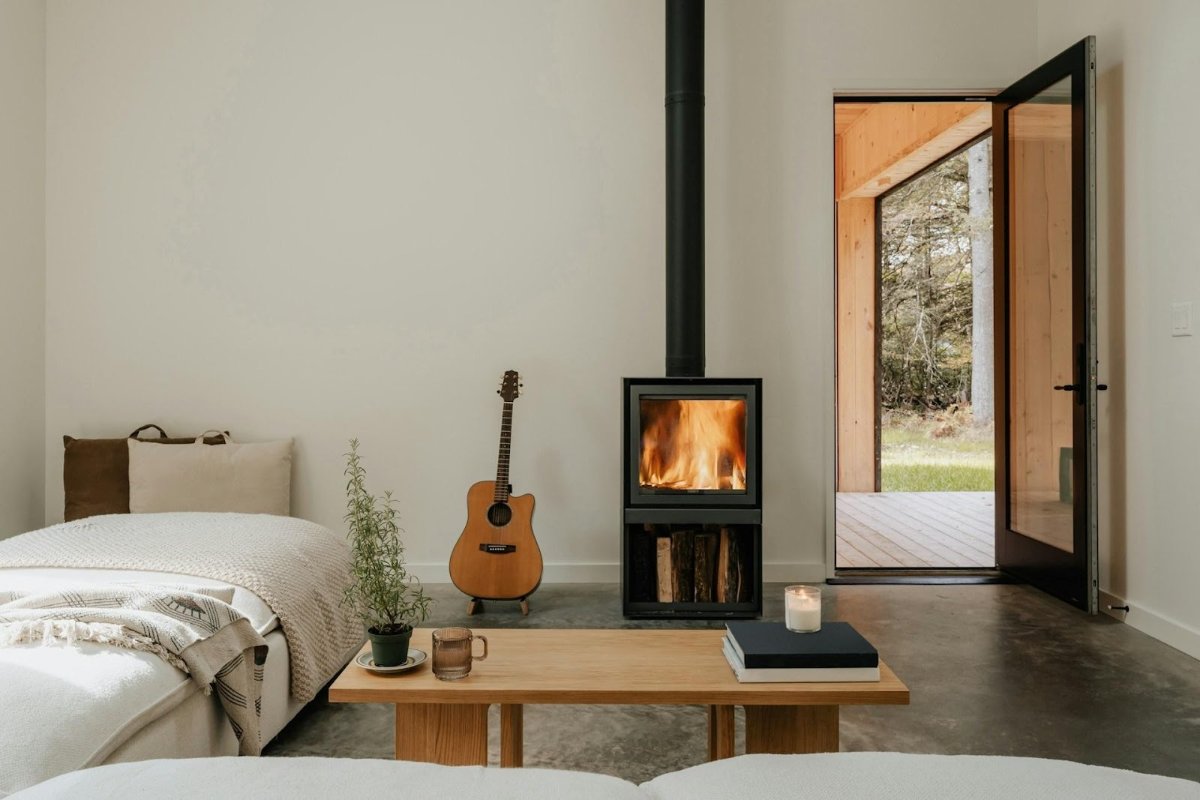
In regions with cold winters or dramatic seasonal shifts, fireplaces take on additional psychological importance. Even buyers who rely on central heating often associate fireplaces with security during extreme weather.
This perception doesn’t need to be rational to be effective. The idea that a home has an additional heat source, or at least the feeling of one, can subtly reduce perceived risk. Buyers feel reassured, even if they never plan to use it as primary heating.
That sense of reassurance plays into broader buyer psychology. People are drawn to homes that feel prepared, adaptable, and resilient. Fireplaces quietly reinforce those qualities.
Design Flexibility and Modern Integration
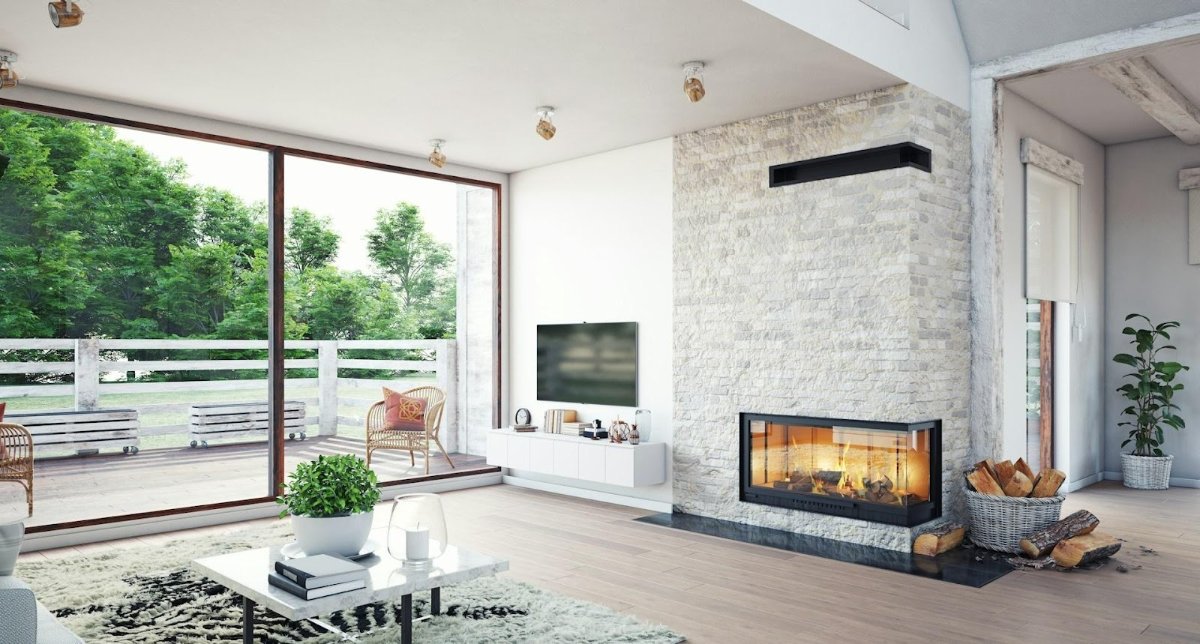
Another reason fireplaces remain influential is their adaptability to modern design. Contemporary models integrate seamlessly into open-plan layouts, acting as subtle dividers between spaces rather than bulky centerpieces.
Fireplaces can now be built into feature walls, aligned with media units, or extended across wide surfaces to create visual balance. This flexibility allows them to complement modern architecture rather than compete with it.
For buyers who care deeply about aesthetics, a fireplace that feels intentional and well-integrated signals quality. It suggests that design choices were made thoughtfully, not added as afterthoughts. This aligns with broader housing insights from the National Association of Realtors, which consistently notes that design cohesion and visual appeal play a significant role in how buyers perceive overall home value, often before they consider technical specifications or pricing details.
What Buyers Are Really Responding To
At their core, fireplaces succeed because they address something buyers rarely articulate directly: how a home makes them feel.
A house can meet every technical requirement and still feel cold. Another can be smaller, less efficient on paper, and yet feel right. Fireplaces often tip that balance.
They encourage people to imagine themselves living in the space. Hosting friends. Winding down. Creating routines. That act of imagination is powerful, and once it happens, logical objections tend to soften.
A Feature That Continues to Earn Its Place
In a housing market shaped by technology and data, fireplaces might seem like relics of another era. Yet their continued influence proves otherwise.
They endure because they operate on a level that spreadsheets can’t fully capture. They shape perception, emotion, and memory, factors that ultimately drive decisions just as much as price and location.
For sellers, that makes fireplaces a quiet asset. For buyers, a meaningful signal. And for real estate professionals, a reminder that even in a modern market, some elements never truly lose their pull.
Fireplaces don’t just heat homes. They warm decisions, and that’s why they still matter more than most people expect.
Keep reading
More from the blog

Gas Line Installation: What Homeowners Need to Know First
Roof Timeline Guide for Buying an Older Utah Home
How to Choose Windows for a Utah Home With a Mountain View