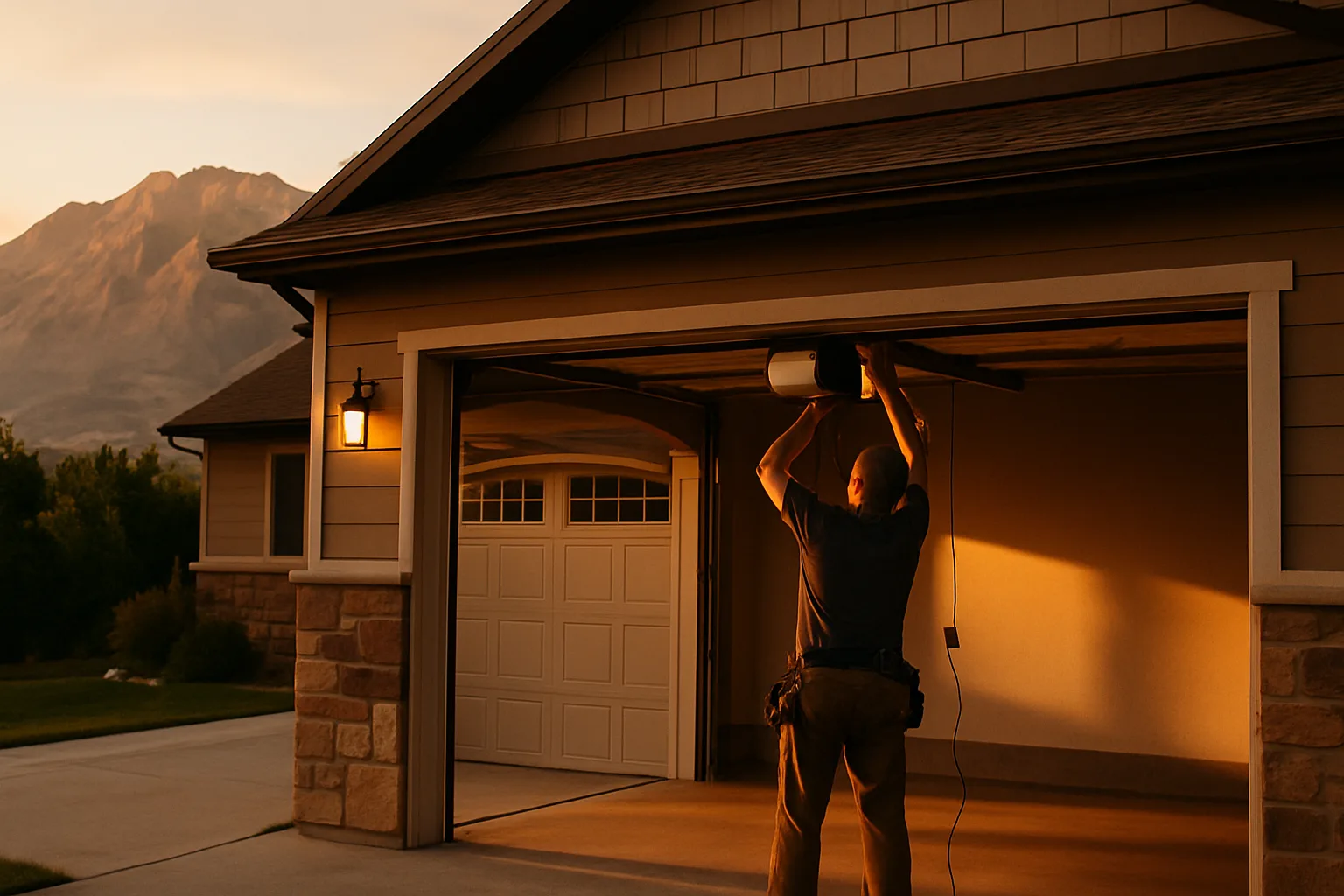
Safety Considerations When Installing Heavy Garage Equipment
Installing heavy garage equipment is a significant step for vehicle owners who want to perform maintenance, repairs, or storage at home. Lifts, compressors, and other large tools introduce new capabilities, but they also introduce safety responsibilities that shouldn’t be overlooked.

Installing heavy garage equipment is a significant step for vehicle owners who want to perform maintenance, repairs, or storage at home. Lifts, compressors, and other large tools introduce new capabilities, but they also introduce safety responsibilities that shouldn’t be overlooked. Questions around installation, anchoring, and structural requirements are common, especially for first-time buyers. Guidance from resources like My Garage Supplies helps clarify how different lift types interact with garage floors and why proper installation matters.
Understanding the safety considerations behind heavy garage equipment installation is essential for protecting both people and property.
Why Installation Safety Matters
Heavy garage equipment concentrates significant weight and force in a relatively small area. Vehicle lifts, in particular, must support thousands of pounds while remaining stable during raising, lowering, and working operations. Improper installation increases the risk of tipping, shifting, or structural failure, all of which can result in serious injury or damage.
Unlike portable hand tools, heavy equipment becomes part of the garage environment. Once installed, it affects how space is used, how vehicles move, and how work is performed. Safety planning at the installation stage reduces long-term risk.
Understanding Load and Floor Requirements
One of the most critical safety factors is the garage floor itself. Concrete thickness, condition, and reinforcement all influence whether the floor can safely support heavy equipment. Many residential garages were designed for parked vehicles, not concentrated lift loads.
Before installation, it’s important to confirm that the concrete slab meets manufacturer specifications for thickness and strength. Cracks, expansion joints, or uneven surfaces can compromise stability. In some cases, professional assessment is recommended to ensure the floor can handle both static and dynamic loads.
Anchoring and Stability Considerations
Whether equipment needs to be bolted down depends on design, intended use, and manufacturer guidance. Some lifts rely on their own weight and geometry for stability, while others require anchoring to prevent movement under load.
Even when bolting is optional, anchoring can add an extra margin of safety, especially in garages where vehicles are frequently moved on and off equipment. Proper anchoring reduces the risk of shifting during operation and helps maintain alignment over time.
Clearance and Spatial Planning
Safe installation goes beyond the equipment itself. Adequate clearance around and above heavy garage equipment is essential. Ceiling height, door tracks, lighting fixtures, and wall-mounted storage all need to be evaluated before installation.
Insufficient clearance can lead to accidental contact during lifting operations or restrict safe movement around the equipment. Planning for full range of motion, both for the lift and the vehicle, helps prevent collisions and injuries.
Electrical and Mechanical Safety

Many heavy garage tools require electrical connections, hydraulic systems, or compressed air. Electrical circuits must be rated appropriately, and outlets should be installed according to local electrical codes. Overloading circuits or using improper wiring increases fire risk.
Hydraulic systems should be inspected for leaks, proper fluid levels, and secure connections before use. Mechanical components must be assembled exactly as specified, as shortcuts or substitutions can compromise safety mechanisms built into the equipment.
Weight Distribution and Vehicle Compatibility
Not all vehicles interact with garage equipment the same way. Vehicle weight, wheelbase, and center of gravity all affect how loads are distributed during lifting. Using equipment outside its rated capacity or with incompatible vehicle dimensions can destabilize the system.
Operators should always verify that the equipment is suitable for the vehicles being serviced. This includes considering future vehicle changes, as purchasing a heavier or longer vehicle may exceed the original equipment’s safe operating range.
Personal Safety During Installation
Installation itself carries risk, particularly when handling heavy components. Lifting posts, platforms, or frames often requires multiple people or mechanical assistance. Attempting solo installation of heavy parts increases the chance of strain injuries or dropped components.
Using appropriate personal protective equipment, such as gloves, steel-toe footwear, and eye protection, adds another layer of safety during assembly. Taking time to follow instructions step by step reduces avoidable mistakes.
Ongoing Inspection and Maintenance
Safety does not end once equipment is installed. Regular inspection is essential for identifying wear, loose fasteners, hydraulic issues, or structural changes in the garage environment. Bolts, anchors, and moving parts should be checked periodically to ensure continued stability.
Routine maintenance keeps equipment functioning as designed and helps catch small issues before they become hazards. Consistent inspection is especially important in home garages, where equipment may be used less frequently but still exposed to environmental changes.
Industry Guidance on Garage Equipment Safety
Safety standards and best practices for garage equipment installation are influenced by broader industry research. Organizations such as the Automotive Lift Institute provide certification programs and safety guidance focused on proper lift design, installation, and use. Their work underscores the importance of matching equipment, environment, and procedures to ensure safe operation.
Planning for Long-Term Use
Heavy garage equipment is typically a long-term investment. Planning installation with safety in mind helps ensure that the equipment remains reliable and usable for years. This includes thinking beyond immediate needs and considering how the garage may be used in the future.
Clear documentation, proper labeling, and adherence to manufacturer recommendations support safe use by anyone who may operate the equipment over time.
Keep reading
More from the blog
Gas Line Installation: What Homeowners Need to Know First

Roof Timeline Guide for Buying an Older Utah Home

How to Choose Windows for a Utah Home With a Mountain View