Things to Do in Provo, Utah: Top Attractions & Activities
The best things to do in Provo, Utah: Provo Canyon, Sundance, Provo Beach, Utah Lake, BYU museums, downtown events, winter fun and day trips.
Provo sits between Utah Lake and the steep west face of the Wasatch Range, so most of the best things to do here are less than a 20-minute drive apart. A morning can start on a canyon trail, move to an indoor wave machine or a free campus museum by afternoon, and end with dinner and a show on Center Street. The city is home to Brigham Young University, which adds college sports, museums and concerts to a calendar already full of outdoor options.
This guide covers the main attractions and activities in Provo, what each one is like in different seasons, and the day trips worth taking from town. For quieter viewpoints, waterfalls and the free spots locals use most, see the companion guide to Provo's lesser-known scenic spots.
Top Things to Do in Provo at a Glance
- Provo Canyon and Bridal Veil Falls for a scenic drive, a riverside trail and a tall waterfall.
- Sundance Mountain Resort for skiing, zip lines, lift rides and mountain dining.
- Provo Beach for indoor surfing, bowling, laser tag and a ropes course.
- Utah Lake State Park for boating, kayaking, fishing and sunsets over the water.
- Y Mountain, Rock Canyon and other trails for hikes that start inside city limits.
- BYU museums and LaVell Edwards Stadium for free exhibits and big game days.
- Downtown Provo for restaurants, the Covey Center for the Arts, the farmers market and Pioneer Village.
- The Provo River for summer tubing, rafting and year-round fly fishing.
- Peaks Ice Arena for public skating on Olympic-size ice.
- Day trips to Timpanogos Cave, the Alpine Loop, Heber Valley and Thanksgiving Point.
1. Drive Provo Canyon and Stop at Bridal Veil Falls
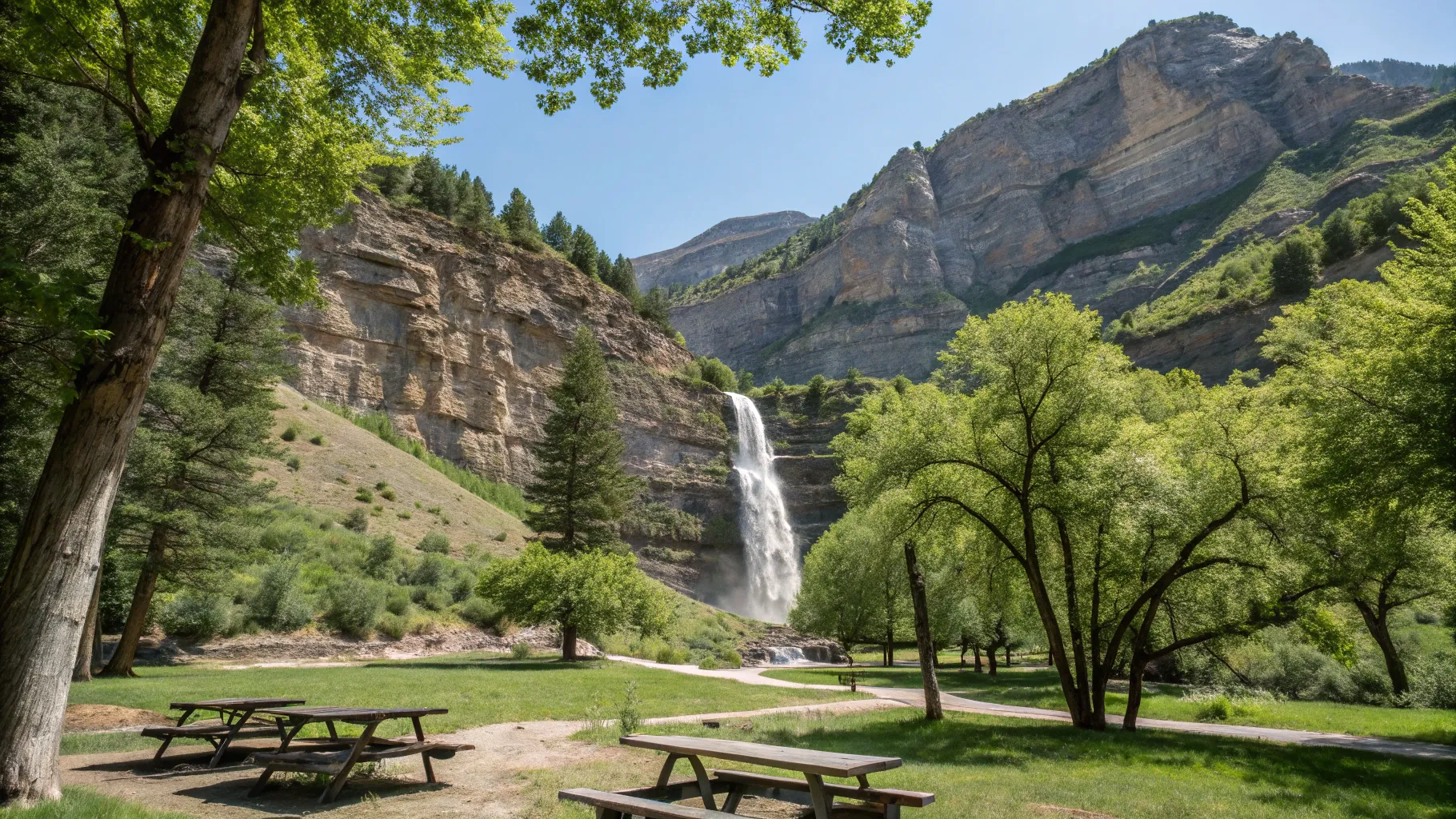
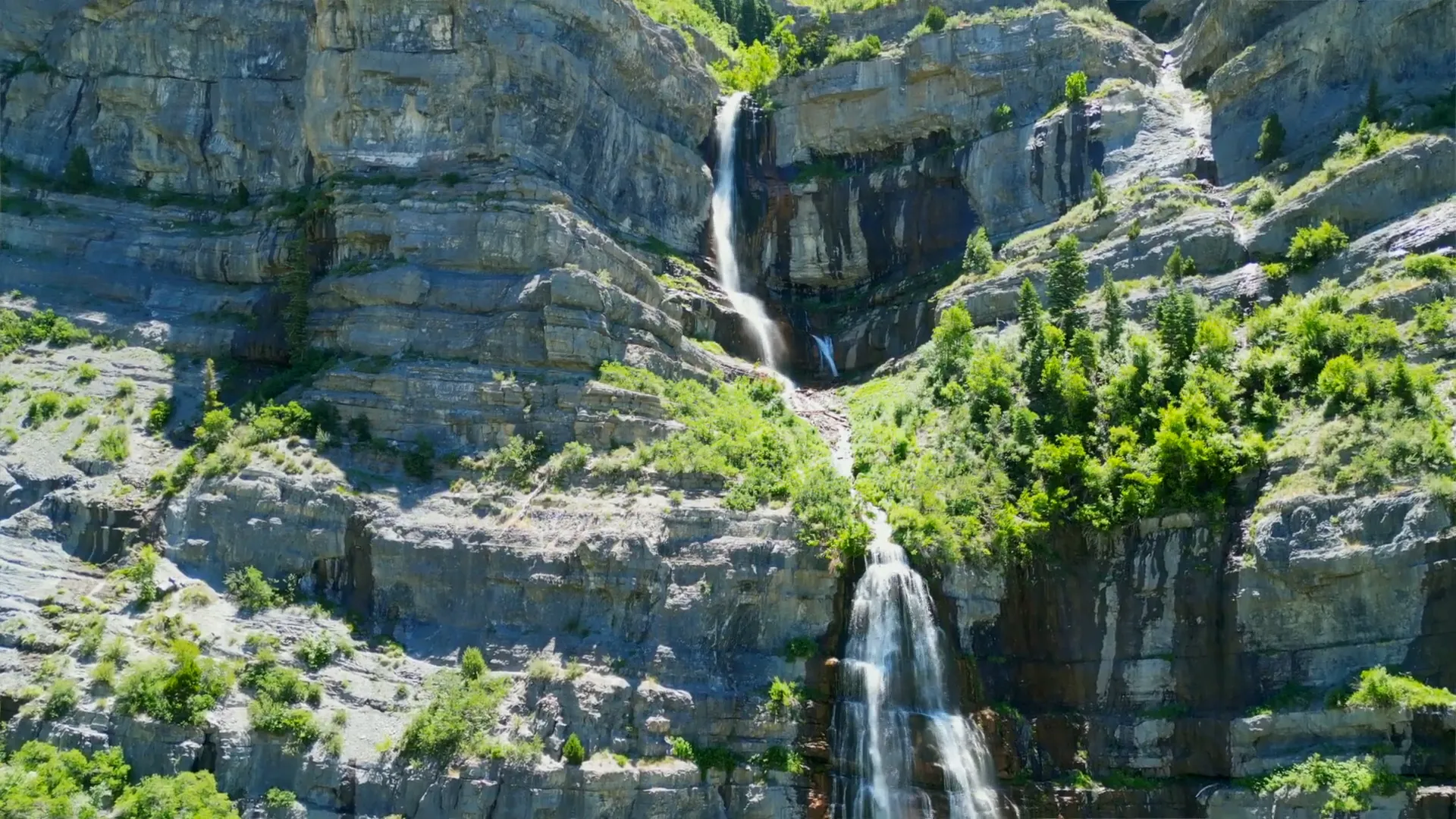
U.S. Highway 189 climbs from the north end of Provo through Provo Canyon toward Deer Creek Reservoir and Heber City. The drive is short, but the canyon walls rise sharply on both sides, and there are pull-offs and parks along the river the whole way, including Vivian Park and Bridal Veil Falls Park. Bridal Veil Falls is a multi-tiered waterfall near the lower end of the canyon that can be seen from the parking area, so it works for anyone who wants the view without a hike. The paved Provo River Parkway trail also runs past the falls for walkers and cyclists coming up from town.
The canyon changes a lot by season: the falls run strongest in late spring during snowmelt, the cottonwoods and maples turn in early fall, and in winter the falls often freeze.
2. Spend a Day at Sundance Mountain Resort
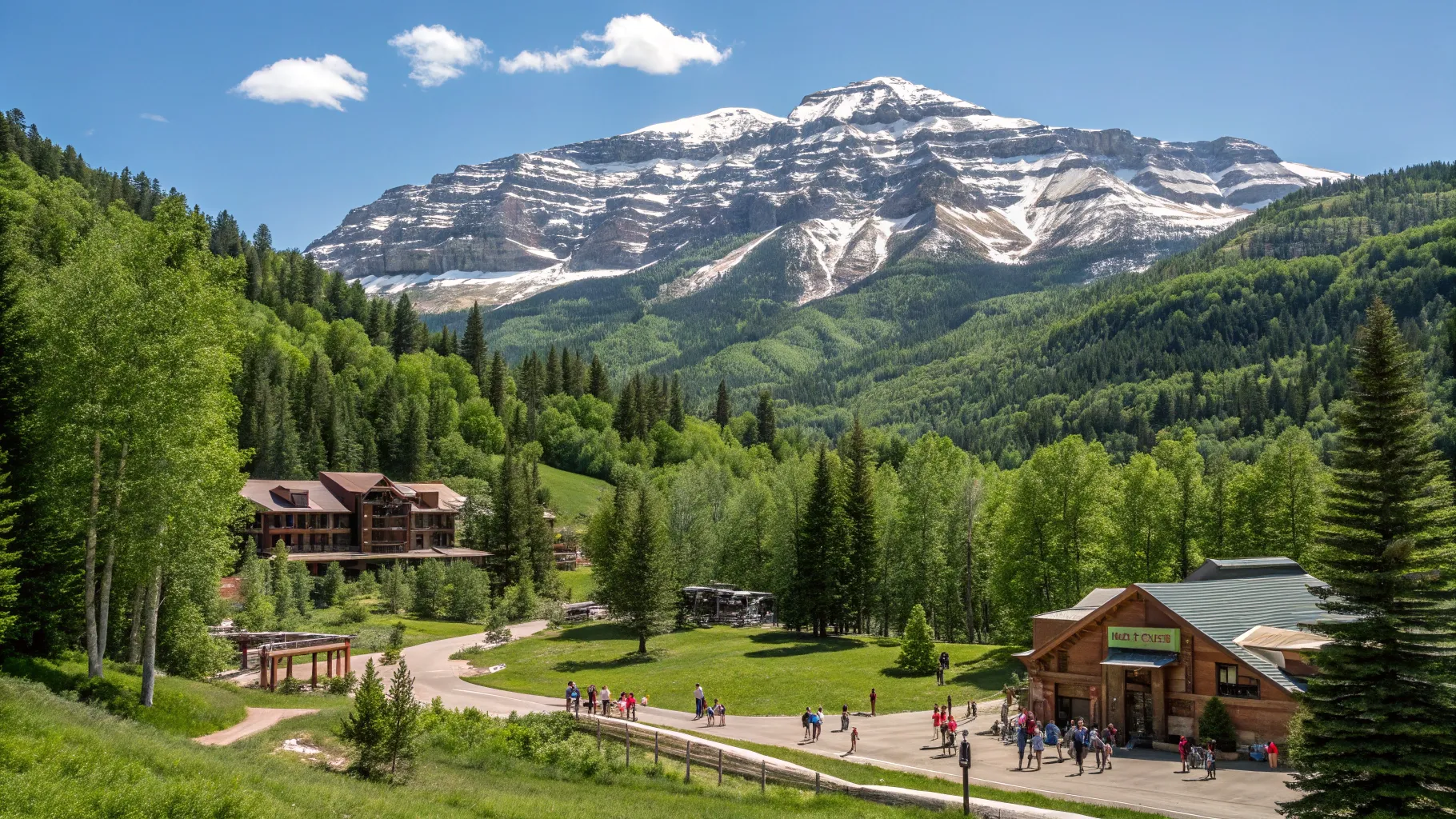
Sundance Mountain Resort sits beneath Mount Timpanogos on the Alpine Loop Road, a short drive up Provo Canyon from town. About 70% of the resort is permanently set aside as preserved wilderness, which keeps it feeling smaller and quieter than the big Park City resorts. In winter it offers downhill skiing and snowboarding, a ski school, Nordic skiing and snowshoeing. In summer, the lifts and trails shift to mountain biking, hiking, horseback riding, scenic and full-moon lift rides, and the ZipTour zip line.
Even without a lift ticket, the resort's restaurants (the Tree Room and the Foundry Grill are the best known), the Owl Bar and the art studio make it a popular stop on a canyon drive.
3. Provo Beach: Indoor Surfing and Games
Despite the name, Provo Beach is not on the lake. It is an indoor entertainment center at 4801 N. University Avenue in north Provo, near the Shops at Riverwoods. The headline attraction is the FlowRider, a wave machine for bodyboarding and stand-up surfing. The building also has bowling, a ropes course, laser tag, mini croquet, a carousel, an arcade and a playground. Because it is all indoors, it is one of the most reliable things to do in Provo on a snowy or very hot day. Hours change with the school calendar and holidays, so check the posted schedule before going.
The Shops at Riverwoods next door is an outdoor shopping center with restaurants and mountain views, which makes the area an easy half-day plan.
4. Utah Lake State Park
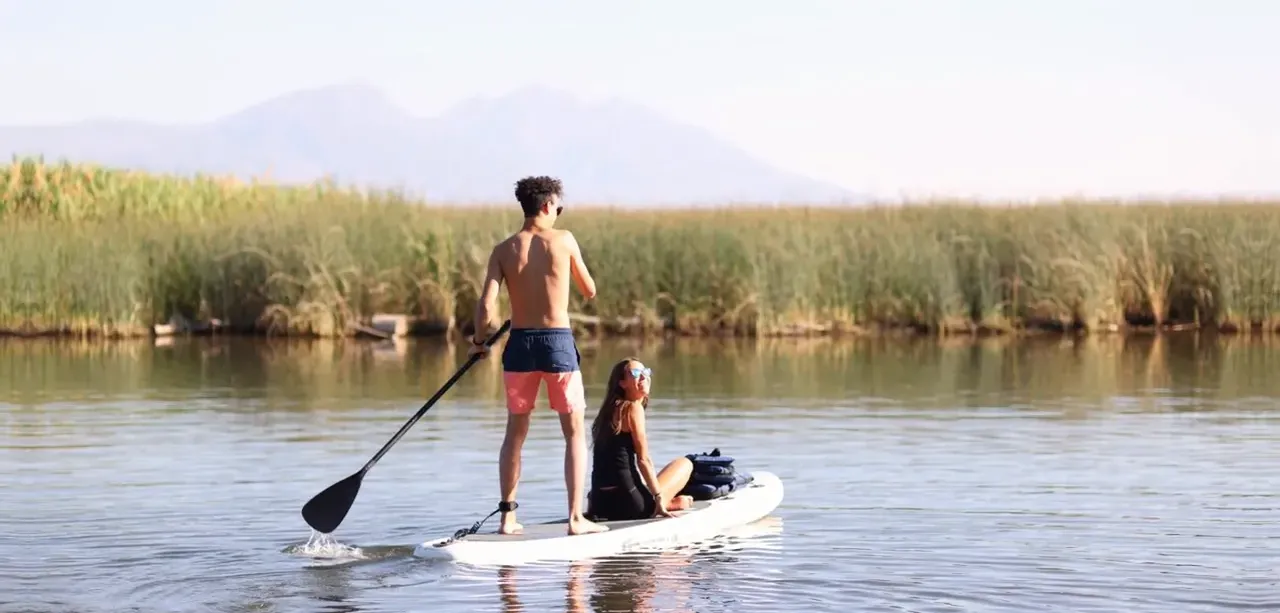
Utah Lake is the largest freshwater lake in Utah, covering roughly 148 square miles, and the state park sits at its edge at 4398 W. Center Street, about a 10-minute drive west of downtown. The park has a marina and boat launch, and it is used for boating, waterskiing, kayaking, paddleboarding, fishing, picnicking and disc golf. The fish here are warm-water species: channel catfish, walleye, white bass, black bass and several panfish.
The west-facing shoreline is one of the best places in Provo to watch the sunset. In summer and early fall, harmful algal blooms sometimes lead health officials to post warning advisories against swimming in parts of the lake, so check current conditions before getting in the water.
5. Hike Y Mountain, Rock Canyon and the Bench Trails
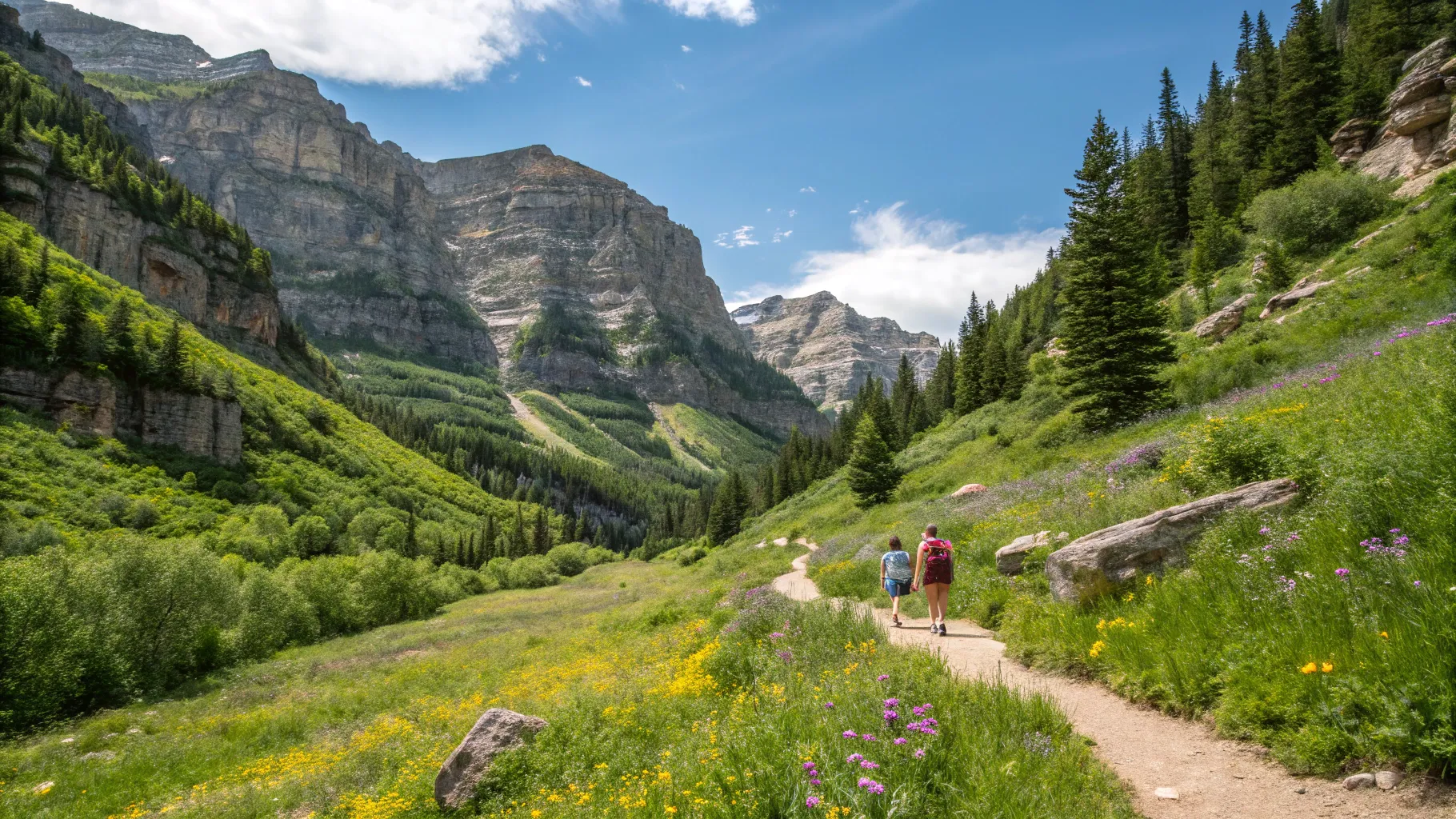
Provo's trailheads start at the edge of town. The Y Trail switchbacks up the mountain east of BYU to the large white "Y," and the reward is a view across the whole valley. Rock Canyon, at the northeast corner of the city, is a deep limestone canyon with a trail that climbs gradually and is popular with hikers, trail runners and rock climbers. Farther afield, the drive to Kyhv Peak Overlook and the hike to Stewart Falls near Sundance are two of the most rewarding outings in the area. Both are covered in detail, with distances and tips, in the scenic spots guide linked above.
For the biggest hike in the area, the Mount Timpanogos summit trails (Timpooneke and Aspen Grove) run roughly 14 to 16 miles round trip with several thousand feet of climbing. They are usually snow-free only from mid-summer into early fall.
6. BYU Museums and Game Days
The BYU campus is one of the best places for free things to do in Provo. The Monte L. Bean Life Science Museum, open since 1978, has natural history exhibits and live animal shows, and the BYU Museum of Paleontology on Canyon Road displays dinosaur skeletons and fossils. Both are free. The BYU Museum of Art hosts rotating exhibitions and has a cafe on its upper floor.
On fall Saturdays, LaVell Edwards Stadium becomes the center of town. BYU has played in the Big 12 Conference since 2023, and the stadium seats about 62,000 for football. Basketball and volleyball in the Marriott Center and Smith Fieldhouse round out the winter sports calendar.
7. Downtown Provo: Center Street, Arts and Markets
Center Street and University Avenue are the core of downtown Provo, with locally owned restaurants, coffee shops, dessert spots and a few shops in the historic blocks. A few anchors are worth planning around:
- Provo City Center Temple was built inside the preserved brick exterior of the historic Provo Tabernacle after a 2010 fire and was dedicated in 2016. The grounds and gardens are a well-known downtown landmark.
- Covey Center for the Arts at 425 W. Center Street is the city's performing arts venue, with a main hall, a black box theater and galleries that host plays, concerts, dance and comedy.
- Provo Farmers Market runs on Saturdays from June through October at Pioneer Park (500 W. Center Street), with produce, baked goods, food trucks and local makers.
- Provo Pioneer Village next to North Park (600 N. 500 W.) is a free living-history site with restored pioneer-era cabins and buildings, open on a limited schedule from Memorial Day to Labor Day.
The Utah Valley Convention Center, also downtown, brings in conferences, expos and community events through the year.
8. Float or Fish the Provo River
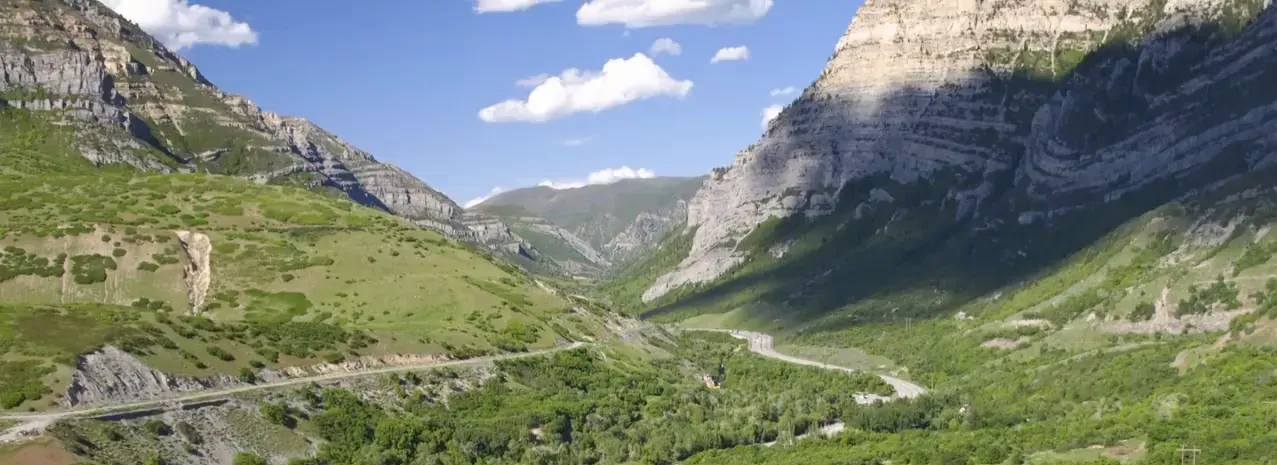
In summer, tubing the Provo River through Provo Canyon is one of the most popular activities in the area. Commercial outfitters rent tubes, rafts and kayaks and run shuttles, and a typical float takes about 90 minutes to two hours depending on the flow. The water stays cold, especially early in the season, so late June through August is the usual window. The Provo River is also known for its trout fishing, and fly anglers work its canyon stretches year-round.
9. Skate at Peaks Ice Arena
Peaks Ice Arena opened in 1998 and hosted ice hockey for the 2002 Winter Olympics. It has two Olympic-size sheets of ice with public skating sessions, lessons, and youth and adult hockey, and it is home to the Utah Valley University men's hockey team. Provo City says the arena will host events again for the 2034 Winter Games. It is one of the best things to do in Provo in winter when the canyons are snowy.
Events Through the Year
- Summer: America's Freedom Festival at Provo is the city's biggest event. The Grand Parade runs down University Avenue on the morning of July 4, and the Stadium of Fire concert and fireworks show fills LaVell Edwards Stadium that night. Saturdays also bring the farmers market, and Pioneer Village opens for the season.
- Fall: BYU football, the farmers market's final weeks in October, and fall color in Provo Canyon and along the Alpine Loop.
- Winter: Skiing at Sundance, skating at Peaks Ice Arena, BYU basketball, and indoor options like Provo Beach and the Covey Center.
- Spring: Peak flow at Bridal Veil Falls, lower-elevation trails such as Rock Canyon drying out, and the return of boating on Utah Lake.
Provo's weather swings widely by season, so it helps to know what to expect before planning outdoor days. The Provo weather guide breaks down temperatures and snowfall by month.
Day Trips From Provo
- Timpanogos Cave National Monument in American Fork Canyon offers ranger-led cave tours from late spring into fall. Tickets are sold through Recreation.gov, the trail to the cave entrance is steep, and the cave stays around 45 degrees.
- The Alpine Loop Scenic Byway (State Route 92) links American Fork Canyon to Provo Canyon past Sundance and Timpanogos Cave. It is narrow and winding, and it closes to through traffic in winter, usually from early November until late spring.
- Heber Valley Railroad runs scenic train trips from the Heber City depot along Deer Creek Reservoir, and some trips continue down into Provo Canyon.
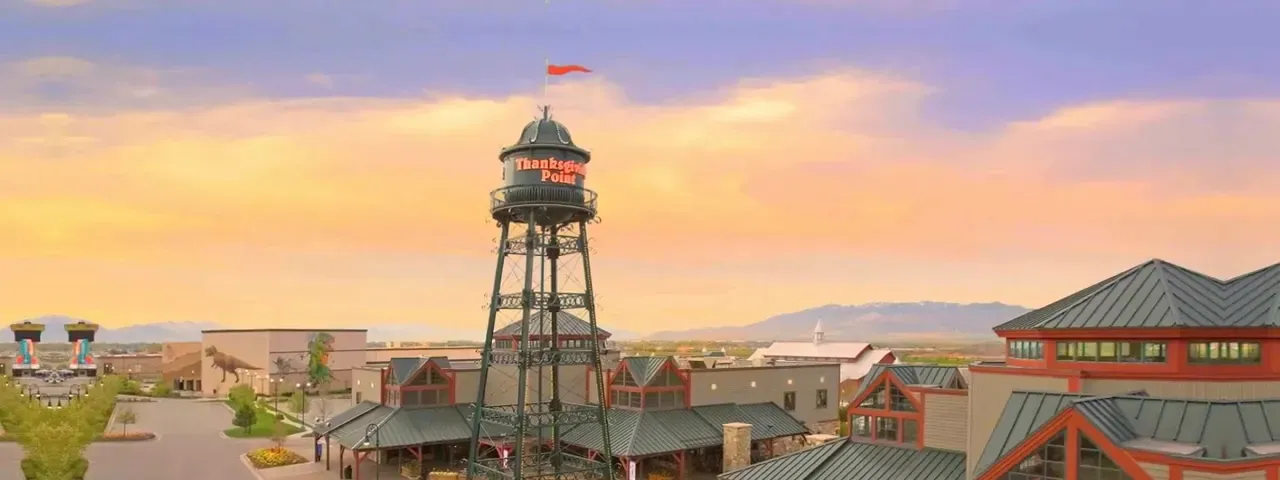
- Thanksgiving Point in Lehi has Ashton Gardens, the Butterfly Biosphere and the Museum of Ancient Life.
- Salt Lake City is about 45 miles north on I-15, and the FrontRunner commuter train connects Provo Central Station with Salt Lake City.
Living Near Provo's Best Spots
Many people who start out visiting Provo for the canyon, the lake or a BYU event end up looking at homes here. Location within the city shapes daily access: Sherywood Hills in north Provo is a few minutes from Riverwoods and the mouth of Provo Canyon, while Indian Hills sits on the northeast bench near Rock Canyon. Homes on the higher benches often come with valley and lake views; see Provo homes with views for current options, or Provo condos for sale for lower-maintenance places closer to downtown and campus.
The median Provo home sold for $482,050 in the most recent full month, and there are currently 283 active listings. Browse all Provo homes for sale, or read the pros and cons of living in Provo before making a move.
Posted by Kristopher Larson
Frequently asked questions
What are some fun things to do in Provo, Utah?
Popular choices include driving Provo Canyon to Bridal Veil Falls, skiing or riding the ZipTour at Sundance Mountain Resort, surfing the indoor FlowRider at Provo Beach, boating or watching the sunset at Utah Lake State Park, hiking the Y Trail or Rock Canyon, catching a BYU game at LaVell Edwards Stadium, and spending an evening on Center Street downtown.
What is Provo Beach?
Provo Beach is an indoor entertainment center at 4801 N. University Avenue in north Provo, near the Shops at Riverwoods. It is not an actual beach. It has a FlowRider wave machine for indoor surfing and bodyboarding, plus bowling, a ropes course, laser tag, mini croquet, a carousel and an arcade. Hours change with school breaks, so check the schedule before visiting.
What are free things to do in Provo?
The Monte L. Bean Life Science Museum and the BYU Museum of Paleontology are free, as is Provo Pioneer Village in summer. Hiking the Y Trail or Rock Canyon, walking or biking the Provo River Parkway, viewing Bridal Veil Falls and browsing the Saturday farmers market at Pioneer Park cost nothing either. See the Provo scenic spots guide for more.
What is there to do in Provo in winter?
Winter options include skiing, snowboarding, Nordic skiing and snowshoeing at Sundance Mountain Resort, public skating at Peaks Ice Arena (a 2002 Olympic hockey venue), BYU basketball, shows at the Covey Center for the Arts, and indoor surfing and games at Provo Beach. Bridal Veil Falls often freezes and is still visible from the parking area.
What are good day trips from Provo?
Timpanogos Cave National Monument in American Fork Canyon (cave tours late spring through fall), the Alpine Loop Scenic Byway past Sundance (closed to through traffic in winter), the Heber Valley Railroad, Thanksgiving Point in Lehi, and Salt Lake City are all within about an hour. The Mount Timpanogos summit hike is a full-day trip in late summer.
How far is Provo from Salt Lake City?
Provo is about 45 miles south of Salt Lake City. The drive on I-15 usually takes 45 minutes to an hour depending on traffic, and the FrontRunner commuter train connects Provo Central Station with downtown Salt Lake City.
Provo, Utah housing market
A quick read on what homes are doing in Provo right now — pulled live from the MLS.
Keep reading
More from the blog
Provo, Utah: Unexpected Local Rules, Customs & Real Estate Tips
Moving to Provo, Utah in 2025 — Neighborhoods, Housing & Schools
What's the Weather Like in Provo, Utah?