Best places to see in Logan, Utah
Discover Logan’s top outdoor spots—Logan Canyon, Wind Caves, and Beaver Mountain—and how proximity to these amenities shapes neighborhood appeal, seasonal access, and long‑term property demand.
Logan, Utah, blends an outdoor lifestyle with small-city amenities, making it an attractive option for homebuyers, families, and investors seeking balance between recreation and residential stability. Nestled in Cache Valley and framed by lush mountains and canyon drives, Logan offers a wide range of experiences within minutes of many neighborhoods. This guide highlights the three best places to see in Logan—Logan Canyon Scenic Drive, Wind Caves Hike, and Beaver Mountain—while connecting each destination to practical real estate considerations: neighborhood appeal, seasonal accessibility, lifestyle value, and how recreational assets influence long-term property demand. You can also explore every Logan home for sale to see what fits your budget.
Why public recreation matters to Utah real estate
Proximity to high-quality outdoor amenities consistently factors into buyer decisions across Utah. Properties near scenic drives, trailheads, ski areas, and state parks often exhibit stronger demand due to lifestyle-driven buyers—families seeking weekend activities, remote workers valuing tranquility with recreational access, and investors targeting short-term rental markets in desirable seasons. Logan’s combination of dramatic canyon scenery, reliable snow at higher elevations, and a university-driven community creates a diversified demand base. These local amenities can enhance walkability to trailheads, create premium micro-markets for mountain-view homes, and support year-round tourism that benefits both homeowners and investors.
1. Logan Canyon Scenic Drive — the spine of Cache Valley
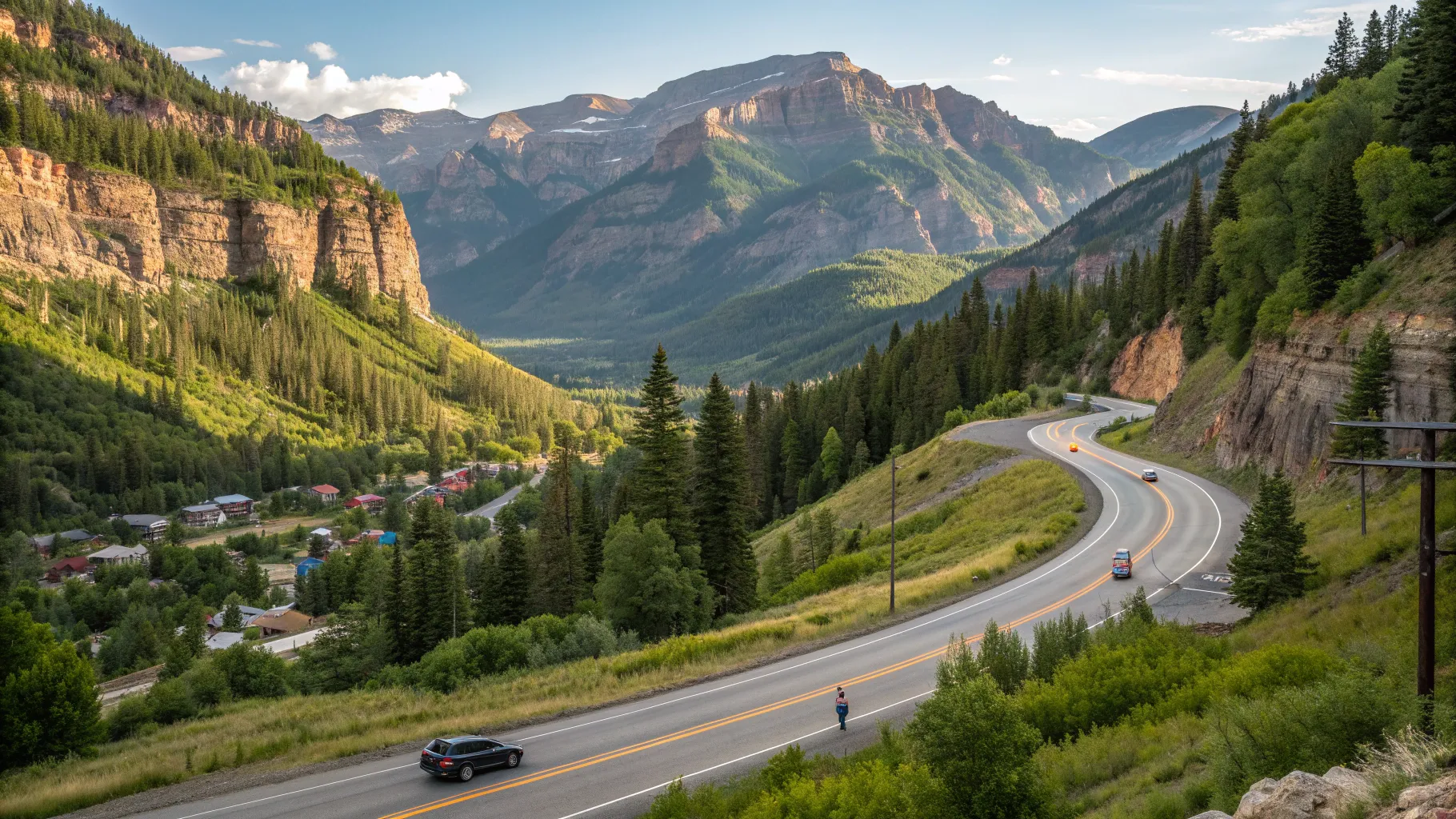
Logan Canyon Scenic Drive is a 38-mile corridor that slices directly east from Logan into the Uinta-Wasatch-Cache National Forest. Rated highly for scenic drives, it functions as both a daily commuter route for some neighborhoods and a year-round recreation corridor. The drive offers dramatic seasonal shifts—spring runoff and wildflowers in late May and June, dense summer greens ideal for road trips and cycling, vivid fall foliage in September, and snow-blanketed vistas that support winter sports access.
What makes it essential?
Logan Canyon is a primary reason many buyers target neighborhoods along the valley floor and lower foothills. The corridor offers immediate access to trailheads, picnic areas, and viewpoints that enhance quality of life. For buyers prioritizing nature access within a short commute to local schools and Utah State University, properties along the west side of the canyon or within a few miles of Highway 89 provide an appealing mix of convenience and scenery.
Real estate considerations
Homes with canyon views or quick canyon access typically command a premium relative to valley-only comparables. Seasonal traffic should be considered—summer weekends produce heavier visitor flows, and winter weather can cause closures or slower travel. Buyers evaluating properties for long-term residency or rental income should analyze drive-time patterns, snow maintenance practices in their HOA or municipality, and proximity to essential services in downtown Logan.
2. Wind Caves Hike — accessible adventure near Logan
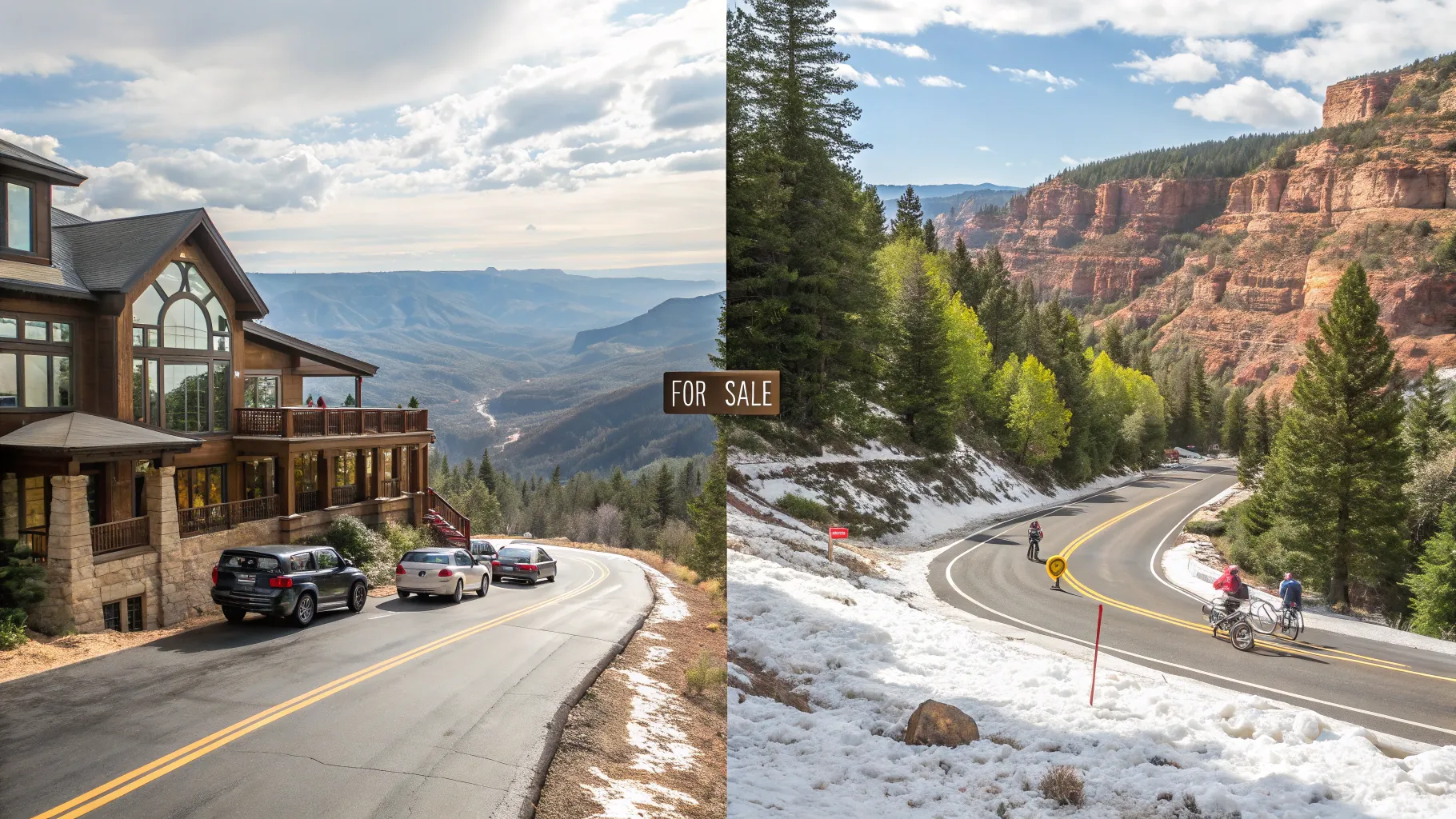
The Wind Caves Hike, a popular trail system accessible from Logan Canyon, is a moderate outdoor destination that combines dramatic geological features, short scrambling sections, and rewarding views of Cache Valley. Rated highly by hikers, the route provides a concentrated outdoor experience suitable for families and active buyers seeking a place where daily or weekend outdoor activities are convenient and memorable.
What makes it essential?
Wind Caves offers a relatively short approach with substantial payoff, which makes it an excellent selling point for family-oriented buyers and active retirees. Proximity to varied trail systems—including connections to multi-use summer routes and winter snowshoeing corridors—adds lifestyle variety. Neighborhoods within a 10–20 minute drive provide easy access without the constant logistical burden of canyon traffic.
Real estate considerations
Properties near trailheads like Wind Caves are attractive for buyers who value walkability to recreation. These homes can be marketed effectively to the outdoor lifestyle demographic and often achieve higher show rates for open houses. Buyers should verify whether local acreage includes private access rights or if public land boundaries place trailheads within walking distance, as both elements can materially affect recreational convenience and property valuation.
3. Beaver Mountain — winter recreation that sustains year-round appeal
Beaver Mountain, located within reasonable driving distance from Logan, is a smaller, community-focused ski area that nevertheless contributes significantly to the area's seasonal economy. The ski area has a reputation for family-friendly slopes, reliable snowfall, and fewer lift lines compared with larger Utah resorts—attributes that foster consistent winter visitation without the premium pricing of larger mountain towns.
What makes it essential?
For families and seasonal residents, Beaver Mountain represents accessible alpine recreation that complements Logan’s other outdoor offerings. The ski hill supports winter businesses, rental demand, and lifestyle marketing for properties that position themselves as year-round recreation hubs. Buyers who favor lower-cost ski access and a community-minded atmosphere often prioritize proximity to smaller resorts like Beaver Mountain.
Real estate considerations
Homes marketed to winter sport enthusiasts will benefit from promotional materials that highlight drive times during peak snow events, available snow storage, and the logistics of winter maintenance. Investors targeting short-term bookings should examine local permitting rules, peak-season occupancy expectations, and relationships with local shuttle providers—elements that frequently determine rental performance in mountain-adjacent markets.
Neighborhoods, schools, and lifestyle around Logan
Logan's neighborhoods vary from historic downtown districts and university-adjacent housing to suburban enclaves and rural ranch properties. Utah State University serves as a cultural and economic anchor, supporting education-driven housing demand, local events, and steady student-related rental markets. For families, school quality, park access, and proximity to safe trailheads are top priorities; for investors, the combination of university enrollment and year-round recreational tourism establishes a two-pronged demand base. When assessing Logan properties, buyers should weigh proximity to key services—medical facilities, grocery stores, and commuting corridors—alongside recreational perks.
Seasonality and accessibility
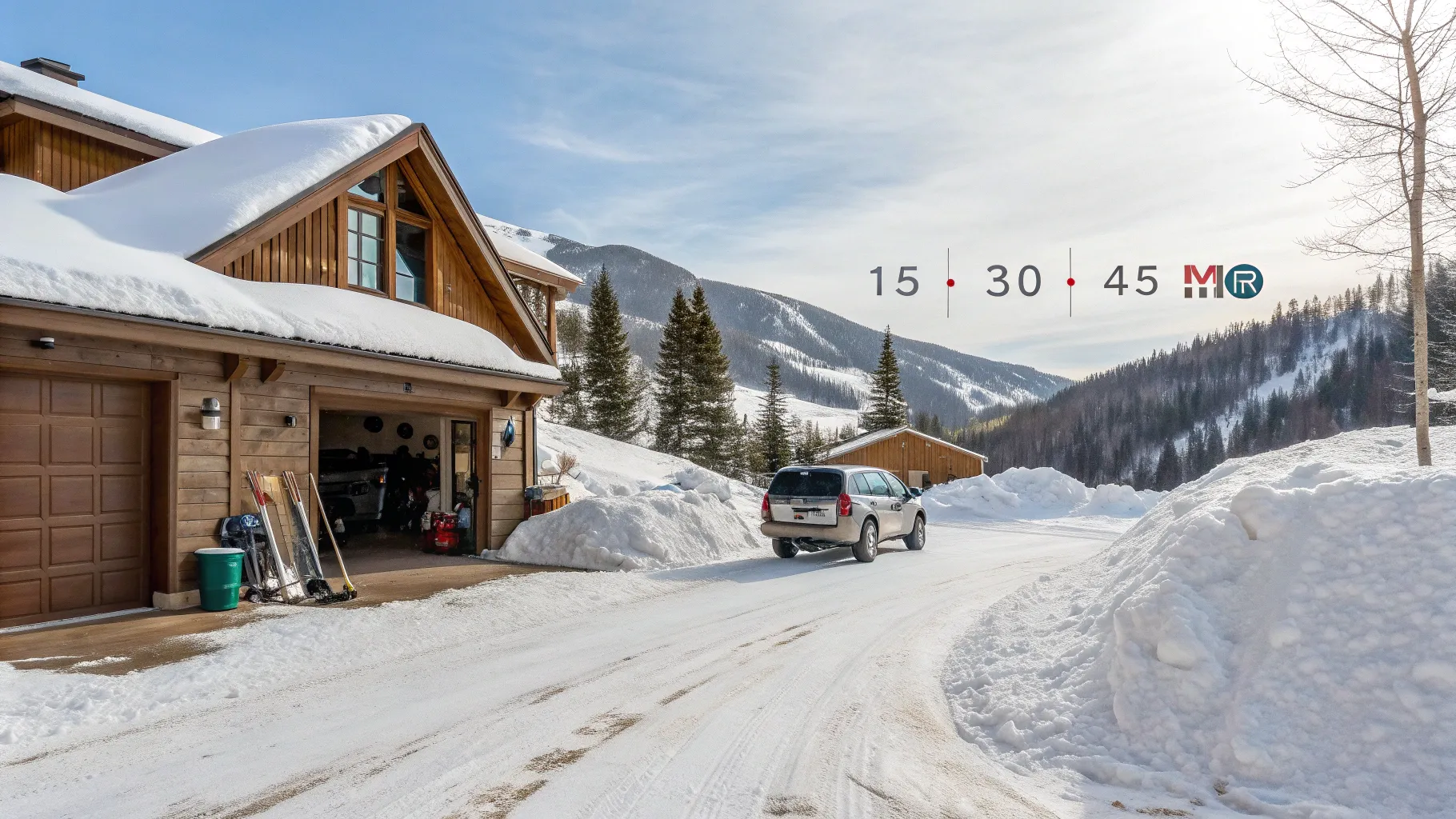
Seasonality in Logan influences both lifestyle and market dynamics. Spring and summer bring hikers, cyclists, and anglers that support outdoor retail and local dining. Autumn foliage and hunting seasons attract fall visitors, while winter sports drive a distinct winter economy. Buyers who plan to use properties as short-term rentals should build annualized occupancy models that account for shoulder seasons. For long-term residents, snow preparedness—driveway grading, municipal snow removal schedules, and roof maintenance for snow loads—should be assessed during due diligence.
How these amenities affect property values
Properties near Logan Canyon, trailheads, and ski access generally demonstrate stronger price resilience and desirability. Scenic drives and visible mountain backdrops generate emotional appeal that frequently results in higher initial offers. However, potential buyers should also evaluate ongoing operating conditions: conservation easements, wildfire mitigation zones, floodplains near canyon creeks, and public-use restrictions that can impact future alterations. A measured approach—balancing lifestyle premiums against practical maintenance and regulatory considerations—yields the most sustainable investment outcomes.
Practical tips for prospective buyers and investors
- Verify travel times during peak seasons and winter storms to ensure daily commutes remain feasible.
- Confirm zoning, short-term rental regulations, and any HOA restrictions that may limit rental operations or exterior modifications.
- Inspect properties for snow-readiness: heated or insulated garages, accessible roof designs, and sufficient driveway grading.
- Prioritize homes with easy storage for outdoor gear—ski racks, mudrooms, and secure exterior storage increase marketability.
- Evaluate school district boundaries and proximity to Utah State University when targeting families or student-focused rentals.
Resources and further reading
For details on state-level land management and public access policies, consult utah.gov for authoritative resources on state parks and transportation advisories. For national market context and broader housing indicators, nar.realtor offers data on trends that may impact long-term investment decisions. For localized listings and agent resources within Cache Valley, visit for up-to-date property inventories and local contact information.
Frequently asked questions
What is the best time of year to visit Logan Canyon and nearby trails?
The best time depends on preferred activities. Late spring through early fall offers wildflowers, hiking, and road cycling; September provides peak fall foliage. Winter is ideal for snow sports and scenic snowy drives. For real estate viewings, spring and fall display property exteriors and landscaping in peak condition, while winter viewings are useful to evaluate snow access and maintenance needs.
Do homes near Logan Canyon command higher prices?
Properties with direct canyon access, prominent mountain views, or close proximity to popular trailheads typically command a premium. The size of the premium varies by lot quality, easement protections, and proximity to services. Buyers should weigh lifestyle benefits against potential seasonal drawbacks such as increased visitor traffic or heightened wildfire mitigation responsibilities.
Is Beaver Mountain a major draw for rental investors?
Beaver Mountain attracts families and regional visitors seeking a less congested ski experience, which supports consistent winter demand. For short-term rental investors, it can provide solid seasonal occupancy; however, local permitting and competitive pricing should be fully assessed. Combining winter demand with summer hiking and fall foliage markets enhances revenue potential across seasons.
Are trailheads like Wind Caves within walking distance of Logan neighborhoods?
Some neighborhoods on the eastern edge of Logan are within a short drive of Wind Caves, but true walkable access to high-elevation trailheads is rare in valley-floor neighborhoods. Buyers seeking direct walk-to-trailhead access should prioritize lots on the west side of the canyon or rural parcels that border public lands. Confirm land boundaries and public access rights during escrow.
Logan, Utah housing market
A quick read on what homes are doing in Logan right now — pulled live from the MLS.
Keep reading
More from the blog
How Utah Decides Where Homeless Shelters Go: Siting Rules and Public Records in 2026

Sign PDF Online: Fastest Way to Manage Digital Documents
When a Utah HOA Stops Working: Who Pays for Roads, Walls and Common Areas