How Much Does a Fence Cost? Security Fence Pricing, Materials, and Professional Installation Tips
Wondering how much a fence costs? The answer depends on material, height, terrain, gates, and labor. This guide breaks down fence pricing by type and purpose, covers hidden costs, and shares tips for budgeting a project that lasts.
Homeowners and property owners asking "how much does a fence cost?" are usually trying to understand the real budget before starting a project. The answer depends on more than the number of linear feet.
Fence cost is affected by material, height, terrain, gates, labor, old fence removal, permits, site access, and the purpose of the fence. A simple backyard boundary fence will not cost the same as a tall privacy fence, commercial security fence, or gated access project.
The best way to estimate a fence project is to understand the full system: posts, panels, rails, hardware, gates, concrete, labor, finishing, and long-term maintenance.
Average Fence Cost: What Impacts the Final Price?
Fence pricing is often based on linear footage, but length is only the starting point. A straight 100-foot fence on flat ground is usually easier and less expensive to install than a shorter fence on a steep slope with rocky soil and multiple gates.
Fence height also matters. Taller fences use more material and may require deeper posts, stronger support, and more labor. Height can also affect local permit requirements or neighborhood restrictions.
Material choice is another major factor. Wood, vinyl, chain link, composite, aluminum, steel, and ornamental fencing all have different price points. Some materials cost less upfront but require more maintenance over time. Others cost more initially but may last longer with less upkeep.
Labor and local market rates also influence the final price. Difficult access, tight yards, old concrete, roots, uneven ground, and commercial-grade requirements can all increase installation time.
Fence Cost by Material Type
The type of fence you choose has one of the biggest impacts on total cost.
Wood fencing is popular for privacy, backyards, and traditional residential properties. It can be more affordable upfront than some other materials, but it requires ongoing care. Staining, sealing, painting, and repairs may be needed to protect the wood from sun, moisture, rot, and warping.
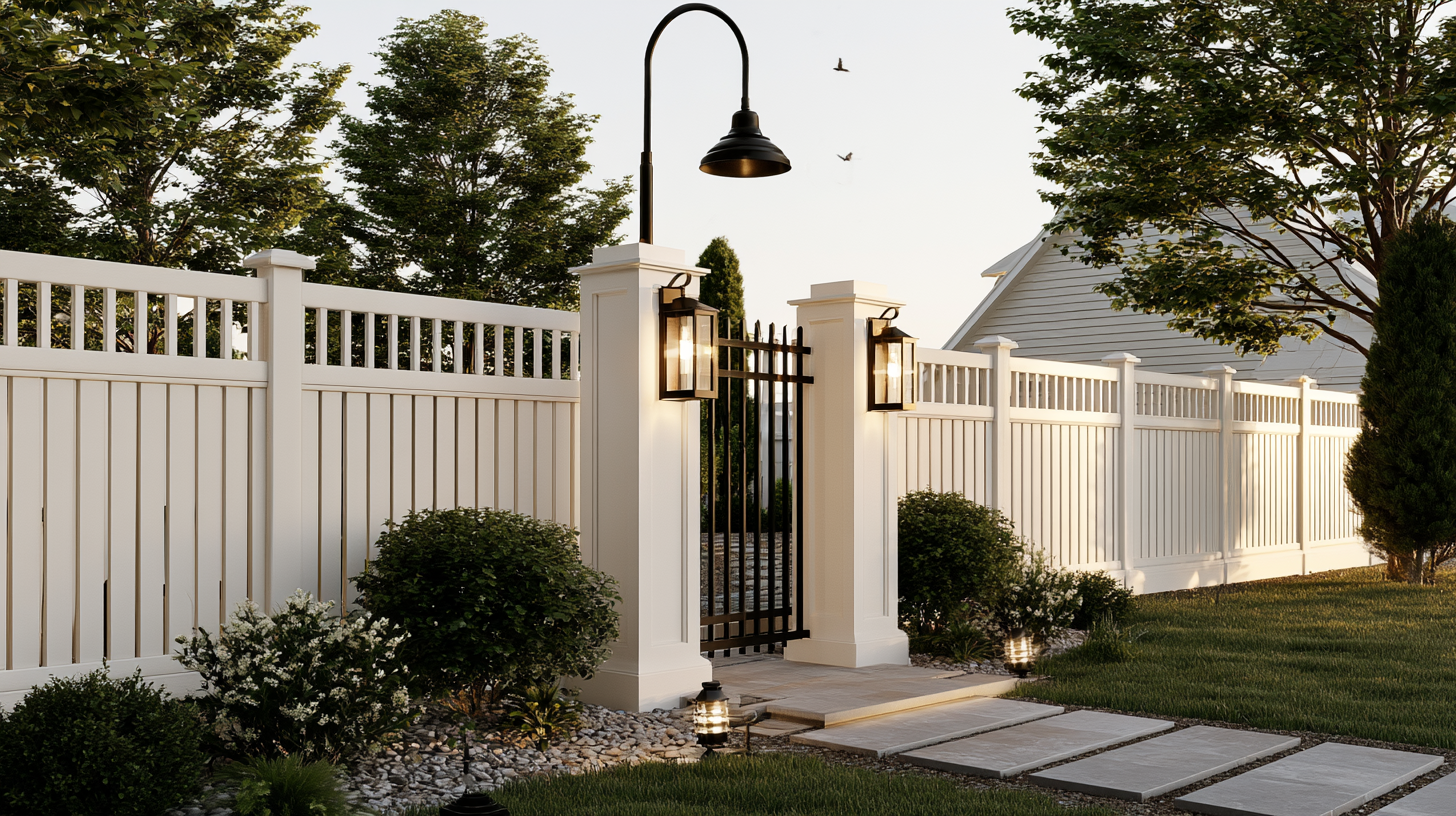
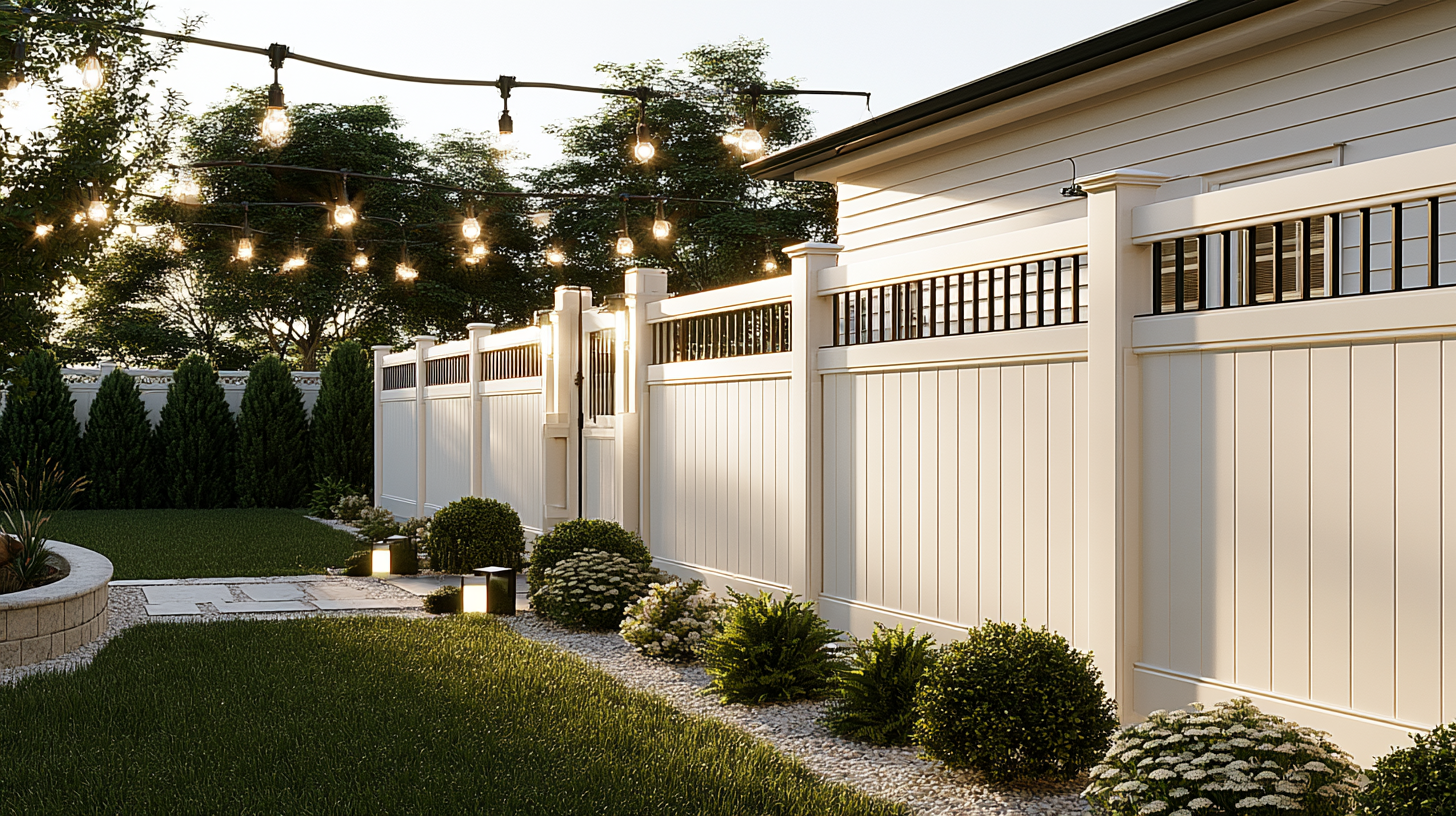
Vinyl fencing usually costs more upfront than basic wood, but it requires less maintenance. It is often used for privacy fences, side yards, and clean residential boundaries. Vinyl does not need staining or painting, but installation must be done carefully so panels stay aligned.
Chain link fencing is often one of the more cost-effective options. It works well for pets, property boundaries, commercial spaces, utility areas, and security needs. It can also be upgraded with coated finishes, privacy slats, barbed wire, or stronger gate systems depending on the property.
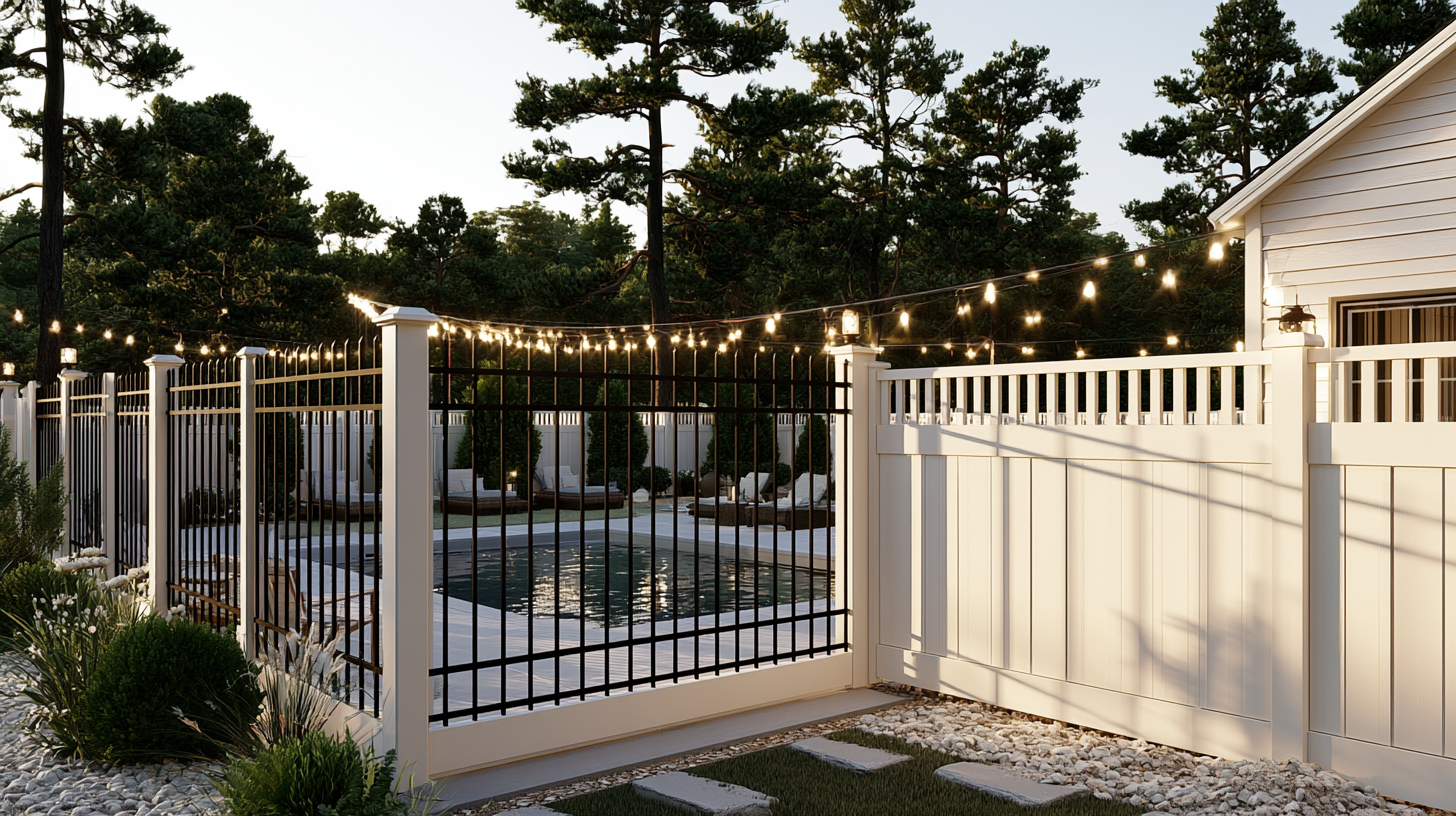
Ornamental metal fencing includes aluminum, steel, and iron-style fences. These fences are often used for curb appeal, visibility, security, and commercial properties. They usually cost more than basic chain link but can provide a more polished appearance.
Composite fencing tends to cost more upfront but offers durability and lower maintenance than wood. It is often chosen by homeowners who want privacy, a modern look, and less long-term upkeep.
Cost by Fence Purpose
The reason for the fence matters as much as the material.
A privacy fence is usually taller and built with solid materials such as wood, vinyl, or composite. Because it uses more material, it often costs more than an open-style fence. Privacy fences are common around backyards, pools, patios, and outdoor living areas.
A pet fence or backyard boundary may not need to be solid or tall. Chain link, wood, or vinyl can work depending on the budget, appearance, and size of the pet. Gate placement and latch security are important, especially for dogs.
A security fence is designed to help control access and protect property. It may include chain link, steel, ornamental metal, taller posts, reinforced gates, or access-control planning. Property owners comparing security-focused fence options should consult with professionals like Inline Security Fence for understanding residential, commercial, and industrial fencing solutions.
Decorative or front yard fencing is usually more focused on appearance and boundary definition. These fences may be shorter, but style and material choices can still affect cost. If you are also planning exterior upgrades alongside your fence project, our guide on strategic home transformation through architectural upgrades covers how building-envelope improvements can boost both comfort and property value.
Hidden Fence Costs Homeowners Should Plan For
The final fence price can change when extra work or difficult site conditions are involved.
Old fence removal is a common added cost. Removing panels, posts, concrete footings, and damaged material takes time and may include hauling or disposal fees.
Sloped or uneven ground can also increase cost. Slopes may require stepped panels, custom cuts, grading, or extra layout work. Gates are especially harder to install on uneven ground.
Rocky soil, roots, hard clay, or old concrete can make digging post holes more difficult. More labor or equipment may be needed to set posts correctly.
Permits and HOA approvals should also be considered. Some cities regulate fence height, material, visibility, and placement. HOAs may have their own rules for style, color, and location.
Wood fence finishing is another cost to remember. Staining, sealing, or painting may be needed to protect the fence and improve its lifespan.
Gate Costs and Access Points
Gates often cost more than standard fence sections because they move, carry weight, and require hardware.
Walk-through gates are common for side yards, backyards, gardens, and pedestrian access. Their cost depends on material, width, latch type, hinges, and post strength.
Driveway gates are larger and heavier. They may require stronger posts, bracing, larger hinges, and more careful alignment. A driveway gate that is not properly supported can sag or stop closing correctly.
Security gates and access-control systems can increase the budget further. Keypads, locks, card readers, reinforced hardware, automation, and commercial-grade gate systems all add cost, but they may be necessary for access control and property protection.
DIY Fence Installation vs. Hiring a Professional
DIY fence installation can save money on labor, but it is not always the best choice.
DIY may work for short, simple fence runs on flat ground. A basic wood or panel fence may be manageable for homeowners who have tools, time, and some installation experience.
Professional installation is often worth it for long fence lines, sloped yards, difficult soil, commercial properties, security fencing, heavy gates, tight access, or projects that need stronger materials. Mistakes in post spacing, depth, gate alignment, or property-line placement can become expensive to fix later.
For larger projects, commercial fencing, security upgrades, or repairs that require professional installation, Inline Security Fence helps property owners think through fence design, materials, gates, and long-term durability.
How to Estimate Your Fence Budget
Start by measuring the fence line. Mark the total linear footage, corners, gates, and changes in direction. Accurate measurement helps avoid underbuying materials or underestimating labor.
Next, choose the material. Wood, vinyl, chain link, ornamental metal, steel, aluminum, and composite all serve different goals. Match the material to privacy, security, maintenance, appearance, and budget.
Then decide the fence height and style. Taller fences cost more because they require more material and stronger support. Decorative fences may use less material, but detailed designs can still be expensive.
Add gates and hardware early in the budget. Count walk gates, driveway gates, latches, hinges, locks, and any access-control features.
Finally, account for site conditions. Old fence removal, slopes, digging challenges, permits, HOA approvals, finishing, and cleanup should all be considered. Homeowners planning to sell should also review which home upgrades increase Utah property value — a well-installed fence can contribute meaningfully to curb appeal and buyer perception.
How to Save Money on a Fence Without Cutting Corners
The cheapest fence is not always the best value. The goal is to choose a fence that fits the property's real need.
Choose the right material for the purpose. Do not pay for a full privacy fence if a simple boundary fence is enough. At the same time, do not choose the cheapest material if security or durability is the main concern.
Keep the layout simple when possible. Straight fence lines usually cost less than layouts with many corners, curves, custom cuts, or elevation changes.
Limit gates to the access points you actually need. Gates add cost, hardware, and future maintenance.
Maintain the fence after installation. Sealing wood, cleaning vinyl, tightening hardware, repairing small damage, and checking gate alignment can extend the life of the fence and protect the original investment.
Common Fence Cost Mistakes to Avoid
One common mistake is only comparing price per foot. That number may not include gates, old fence removal, permits, staining, difficult digging, or cleanup.
Another mistake is ignoring long-term maintenance. A lower-cost fence may become more expensive over time if it needs frequent repairs, refinishing, or replacement.
Forgetting about gates is also common. Gates can significantly change the final price, especially if they are wide, heavy, reinforced, or automated.
Property owners should also avoid choosing the wrong fence for the job. Privacy, pets, security, commercial access, and curb appeal all require different designs.
Finally, complex projects should not be guessed through. Security fencing, commercial fencing, and difficult sites often need professional planning so the finished fence performs the way it should.
Final Thoughts: Fence Cost Depends on Material, Purpose, and Installation Details
So, how much does a fence cost? It depends on linear footage, material, height, terrain, gates, labor, permits, old fence removal, finishing, and security needs.
A fence should be budgeted as a full system, not just a row of panels. Posts, hardware, gates, concrete, layout, and installation quality all affect how long the fence lasts and how well it works.
The best fence is the one that fits the property's purpose. Whether the goal is privacy, security, pet safety, curb appeal, or commercial access, careful planning helps avoid surprise costs and leads to a stronger finished project.
Frequently asked questions
What is the most affordable fence material for a backyard?
Why do gates cost more than standard fence sections?
Do I need a permit to install a fence?
Is DIY fence installation worth it?
What hidden costs should I plan for in a fence project?
Keep reading
More from the blog
How to Vet a Home Services Contractor in Utah
Living Near Utah's Ski Resorts: Towns, Drive Times and Trade-Offs

Staying Put After 65: Utah Programs That Help Seniors Keep Their Homes in 2026