





Seasonal Home Maintenance Checklist for Students
Keep your student rental in top shape with this essential seasonal home maintenance checklist. Avoid costly repairs and balance chores with your studies.

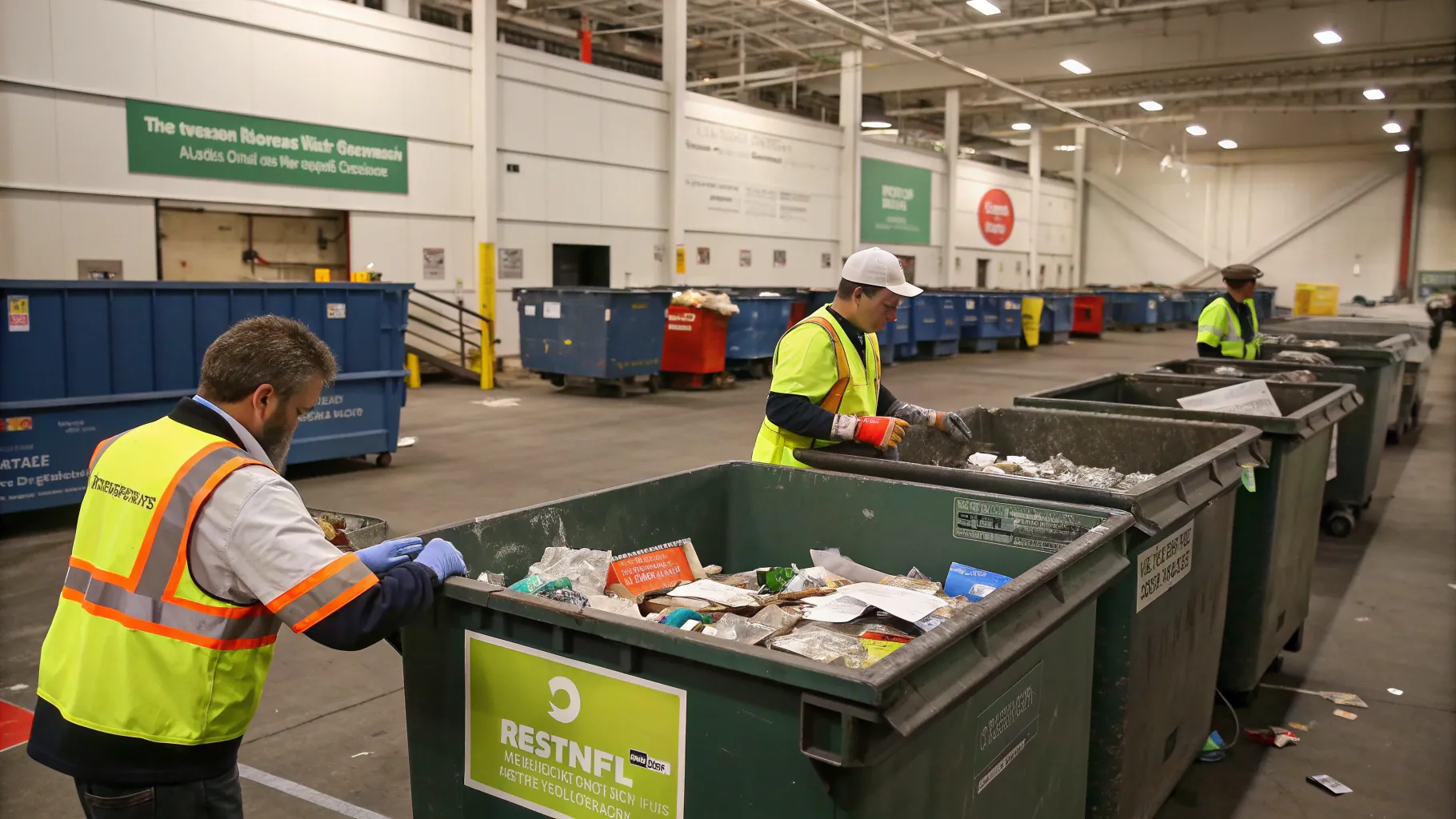
Municipal recycling programs are vital components of modern waste management, helping communities reduce landfill waste, conserve resources, and protect the environment. As cities grow and recycling demands increase, effective infrastructure is necessary to support these efforts. One often overlooked but essential element in municipal recycling success is the strategic use of dumpster rentals.
Dumpster rentals provide municipalities, contractors, and property managers with flexible, scalable solutions to handle recyclable materials efficiently. Temporary Dumpster, a trusted provider in the industry, offers services that align closely with municipal recycling goals, helping communities advance their sustainabilityinitiatives.
Municipal recycling programs rely on accessible, convenient collection points to encourage residents and businesses to separate recyclables from general waste. Dumpster rentals serve as critical infrastructure by providing designated containers for various recyclable materials such as cardboard, metals, plastics, and paper.
By placing dumpsters in strategic locations—whether at community centers, commercial districts, or construction sites—municipalities can increase recycling participation and improve sorting efficiency. These dumpsters are designed to accommodate high volumes of recyclable materials and withstand frequent use.
Advantages of Using Dumpster Rentals in Recycling Programs
Dumpster rentals offer municipalities the ability to adjust container sizes and numbers based on demand. Temporary Dumpster provides a range of dumpster sizes suitable for different recycling volumes, from small community events to large-scale construction projects.
Dedicated dumpsters for recyclables help reduce contamination by keeping materials separated from landfill waste. This segregation is essential for maintaining the quality of recyclables and ensuring they can be processed effectively.
Renting dumpsters as needed allows municipalities to manage recycling collection without investing in permanent infrastructure. This flexibility helps control costs and adapt to seasonal or project-based fluctuations in recycling volumes.
Well-placed dumpsters encourage residents and businesses to participate in recycling programs by providing easy access to disposal points. This convenience increases recycling rates and reduces illegal dumping.
Dumpster Rentals and Construction Recycling
Construction and demolition projects generate significant recyclable waste such as concrete, wood, metals, and drywall. Municipal recycling programs increasingly emphasize diverting these materials from landfills to reduce environmental impact.
Temporary Dumpster offers specialized construction dumpster rental services that support these efforts by providing containers designed for sorting and managing construction debris. These dumpsters enable contractors to comply with municipal recycling requirements and promote sustainable building practices.
Temporary Dumpster is committed to advancing sustainable waste management solutions that align with municipal recycling goals. Their services include:
By working with Temporary Dumpster, municipalities and contractors gain access to reliable, eco-friendly waste management solutions that help reduce landfill waste and promote circular economy principles.
Best Practices for Integrating Dumpster Rentals into Recycling Programs
Integrating dumpster rentals into municipal recycling programs supports both environmental and economic goals. By diverting recyclables from landfills, communities reduce greenhouse gas emissions and conserve natural resources. Economically, recycling programs create jobs in collection, processing, and manufacturing industries while reducing waste disposal costs.
Dumpster rentals are an indispensable tool for municipalities aiming to enhance their recycling programs. They provide the flexibility, convenience, and infrastructure needed to manage recyclable materials efficiently and sustainably.
Temporary Dumpster’s commitment to sustainability and customer service makes them a valuable partner for communities looking to improve recycling outcomes. Whether for residential collection, commercial projects, or construction sites, their dumpster rental solutions help municipalities meet recycling targets and build greener, healthier communities.
For municipalities and contractors seeking reliable waste management partners, Temporary Dumpster offers the expertise and resources to support successful recycling initiatives and contribute to a more sustainable future.
Keep your student rental in top shape with this essential seasonal home maintenance checklist. Avoid costly repairs and balance chores with your studies.
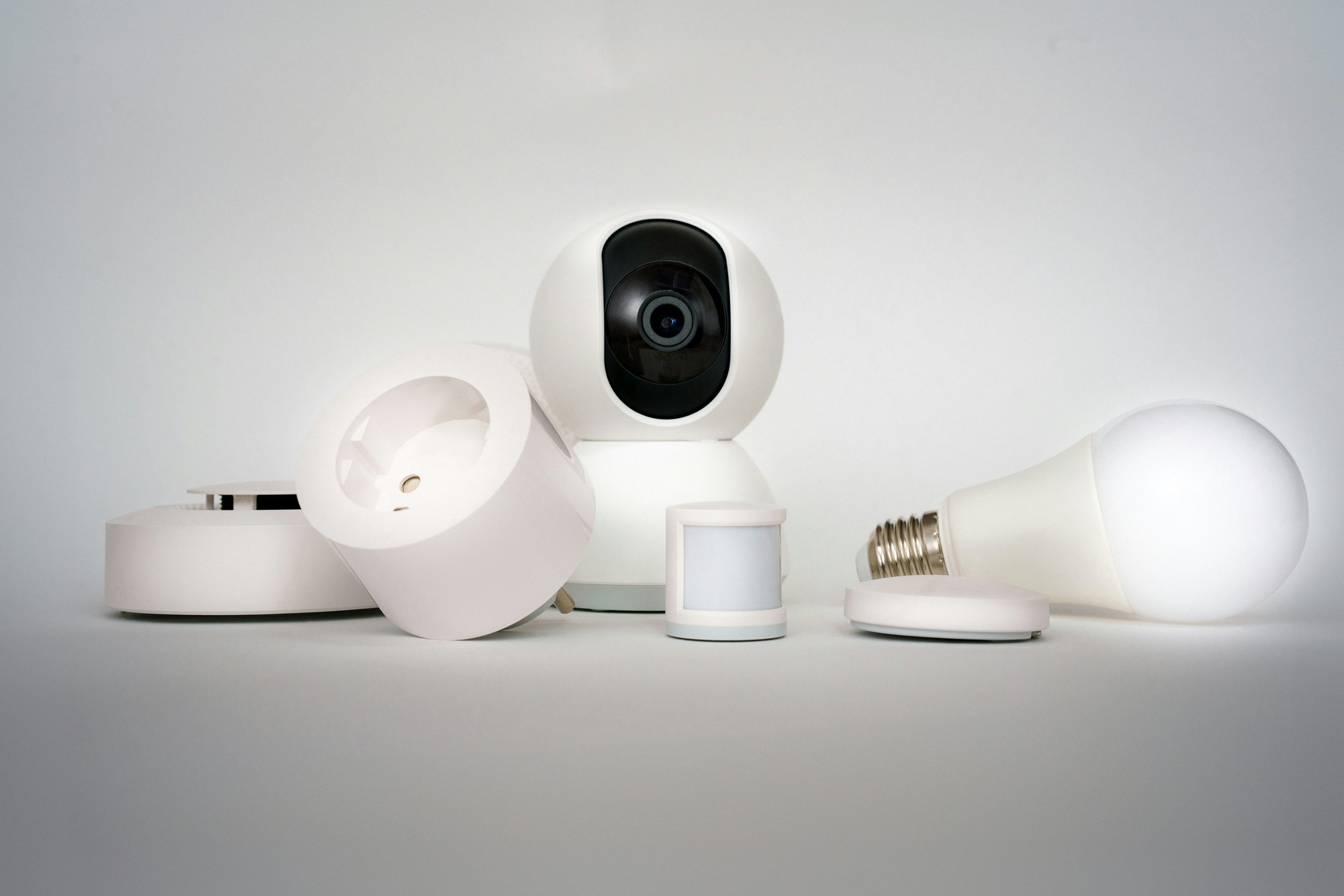
Discover the best smart home gadgets for students. We analyze if the investment boosts productivity and comfort on a student budget. Read our full guide!
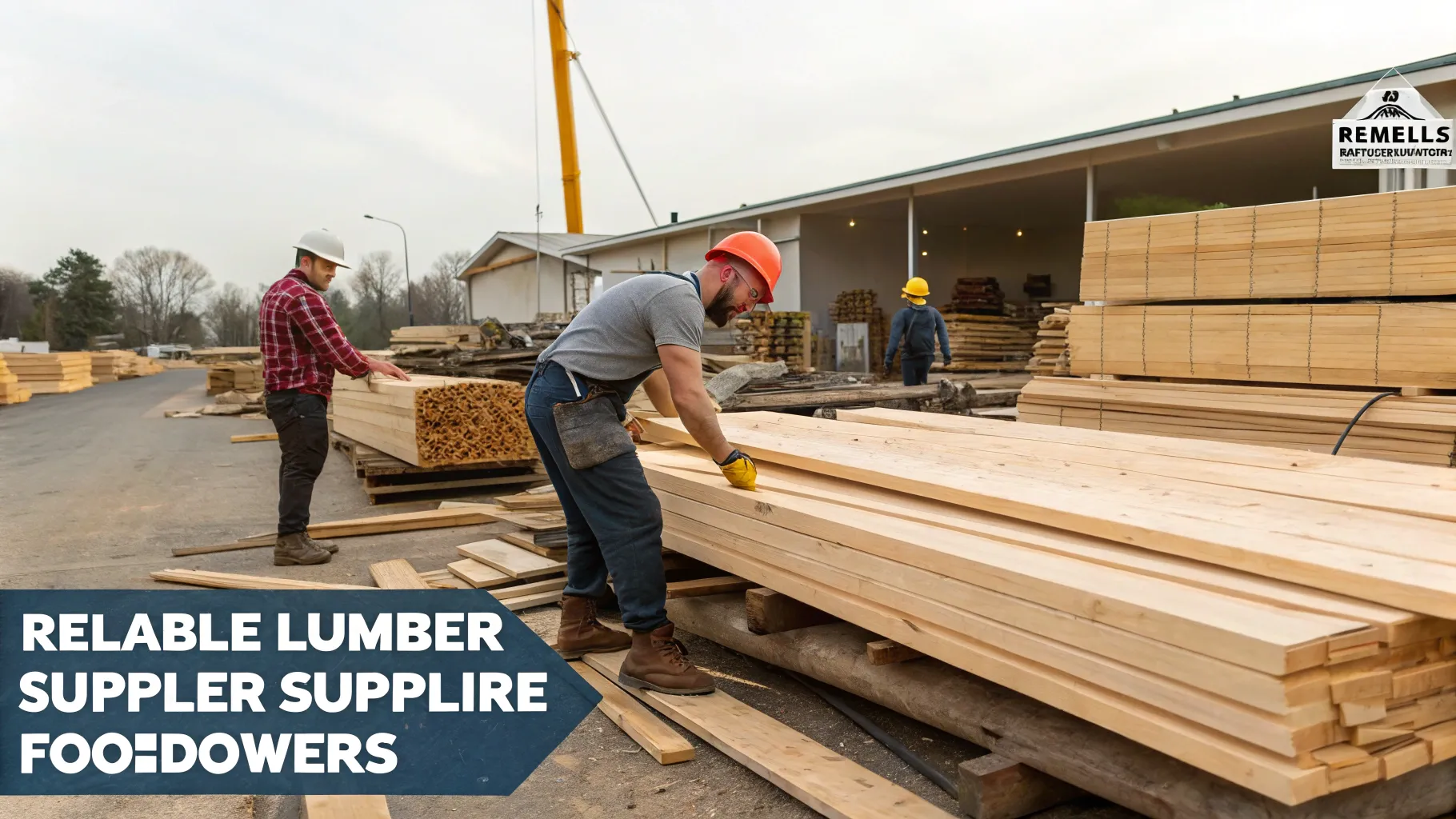
Those involved in construction, woodworking, or home improvement know that choosing the right lumber supplier is crucial. Having a dependable supplier ensures that projects run smoothly while meeting quality expectations. H
Utah single-family medians rose 2.47% year-over-year to $579,000. Learn how seasonal patterns, mortgage-rate shocks, and local fundamentals explain why Utah avoided the national decline.
Access all your saved properties, searches, notes and more.
Access all your saved properties, searches, notes and more.
Enter your email address and we will send you a link to change your password.
I agree to receive marketing and customer service calls and text messages from Best Utah Real Estate. Consent is not a condition of purchase. Msg/data rates may apply. Msg frequency varies. Reply STOP to unsubscribe. Privacy Policy & Terms of Service.
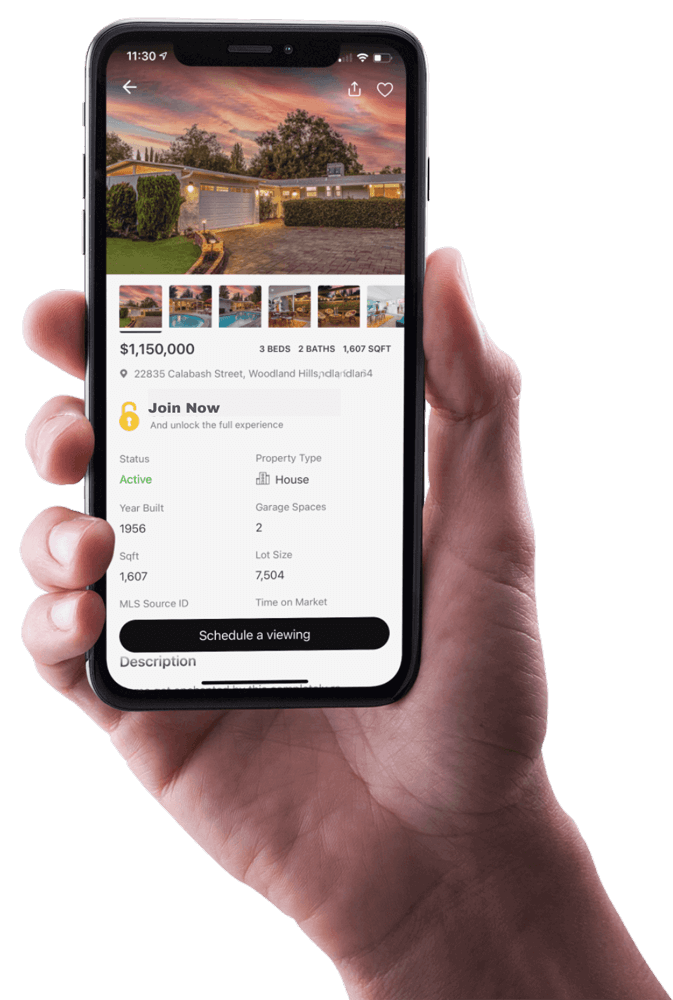
Your trusted MLS search companion