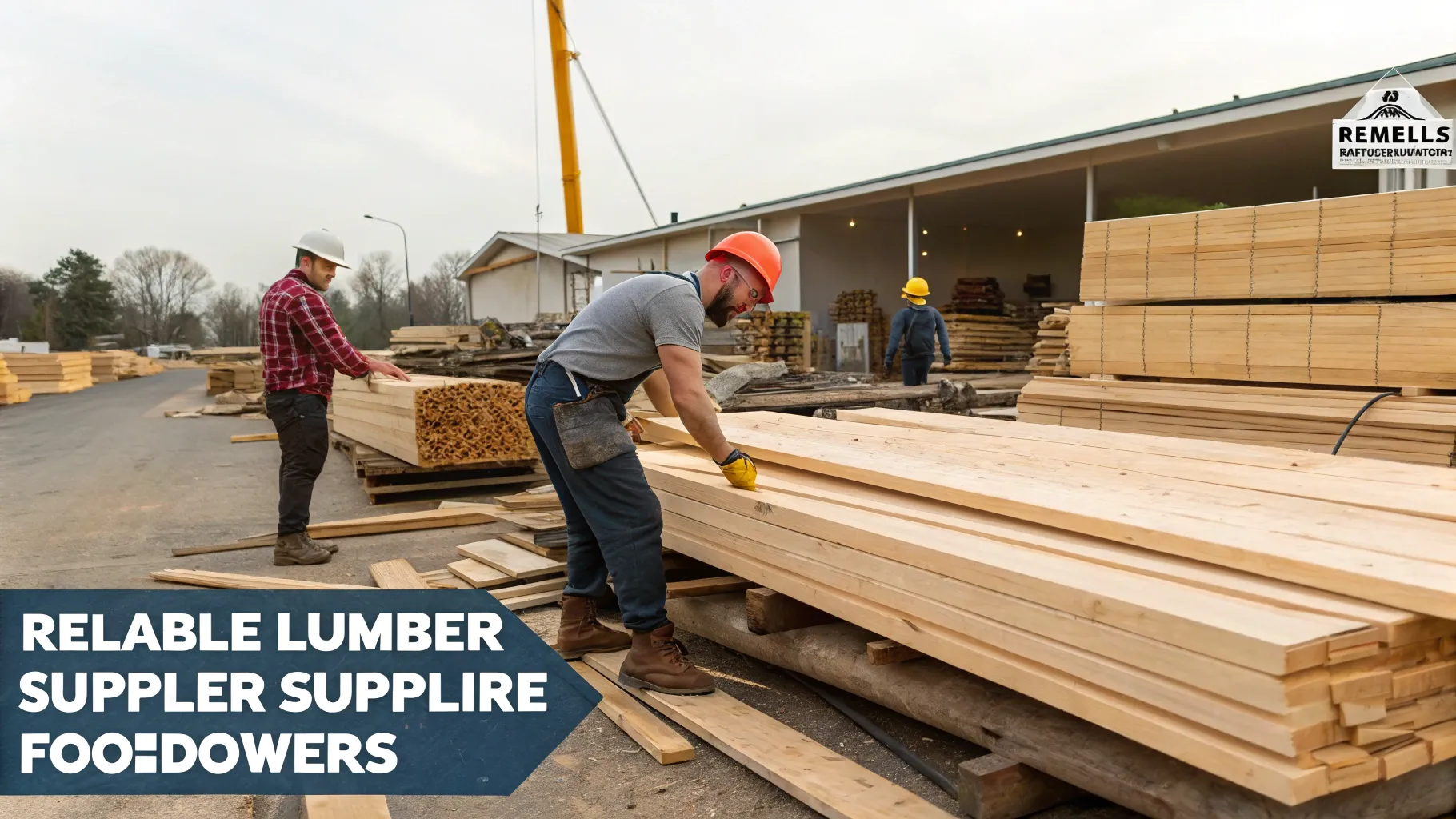
Factors to Consider When Choosing a Lumber Supplier
Those involved in construction, woodworking, or home improvement know that choosing the right lumber supplier is crucial. Having a dependable supplier ensures that projects run smoothly while meeting quality expectations. H
Those involved in construction, woodworking, or home improvement know that choosing the right lumber supplier is crucial. Having a dependable supplier ensures that projects run smoothly while meeting quality expectations. Here are some key considerations to keep in mind when selecting a lumber supplier, which will help you make an informed decision.
Quality of Products
Any construction or woodworking project needs quality. A reliable lumber supplier in Oklahoma City will provide lumber that conforms to industry standards, which means using correctly graded and defect-free timber. Quality is key to durability, and it determines the success of every project.
Range of Products
It is crucial to have access to a diverse range of products. For example, if the project requires hardwood, softwood, or other specialized types of wood, a supplier with a wide variety will be beneficial when placing an order. This aspect ensures they can cater to all manner of project requirements without compromising design or development.
Sustainability Practices
Environmental responsibility is increasingly important. Working with a supplier dedicated to sustainability can have an impact. Seek out green certifications, as this helps maintain ecological balance while also adhering to contemporary ethical standards.
Pricing and Payment Options
While price should be a consideration, it should not be the only consideration. It is beneficial to consider the prices offered by different suppliers while also paying attention to the quality of their products. Flexible payment plans also help alleviate the financial burden. By offering pricing transparency without hidden fees, it ensures a level of trust between the supplier and the client.
Delivery and Availability
To stay on project timelines, timely delivery is key. Having a supplier with well-oiled logistics to deliver materials to you when necessary is essential. The availability of stock is also a crucial aspect. Lack of consistency leads to project delays and operational interruptions.
Customer Service
Good customer service helps create a better overall experience. A supplier that responds and is willing to resolve issues also adds value. Effective communication and a supportive team form a true partnership. It nurtures confidence in the supplier that the requirements will help meet the project.
Reputation and Reviews
Gain valuable insights by researching a supplier before doing business with them. You can derive supplier reliability and quality of service through online reviews and testimonials from previous clients. Reviews that rate positively usually imply a sense of trustworthiness, and those that rate negatively tip you off about potential problems.
Location and Accessibility
The location of a supplier can impact logistics. Having a local supplier can reduce transport costs and lead times. It also allows you to personally visit the supplier's office, which can immensely help when reviewing operations and product quality.
Experience and Expertise
An experienced player in the industry will have a better understanding of customer requirements. This expertise enables them to provide tailored solutions and advice for individual projects. They can help avoid pitfalls and guide decision-making.
Customization Options
Specific projects require particular dimensions or treatment. Customization can be a considerable plus point, granted by your supplier. Having this flexibility lends itself to interesting designs while carefully ensuring the lumber fits exacting specs and fitting shapes and colors into a project more crucial than ever.
Innovative Solutions
Innovation in lumber products and services can drive improvements. New technologies or methods adopted by suppliers may lead to improved project efficiency through the use of advanced products. Accessing trends and innovations within the field can yield competitive advantages.
Long-Term Relationship Potential
Having a long-term supplier will enable you to negotiate better pricing, as well as receive priority service and personalized support. Genuine commitment by a supplier willing to invest in a partnership is essential. That way, it allows for a more collaborative process to identify future needs and increases the likelihood of getting everyone on board.
Conclusion
When selecting a lumber supplier, it is crucial to make the right decision. Critical factors to consider include quality, sustainability, and customer service. It ensures that the chosen supplier satisfies short-term requirements and aligns well with long-term objectives. Using this strategy is the best way to complete the project correctly and ensure everyone's satisfaction.
Keep reading
More from the blog

Gas Line Installation: What Homeowners Need to Know First

Roof Timeline Guide for Buying an Older Utah Home

How to Choose Windows for a Utah Home With a Mountain View