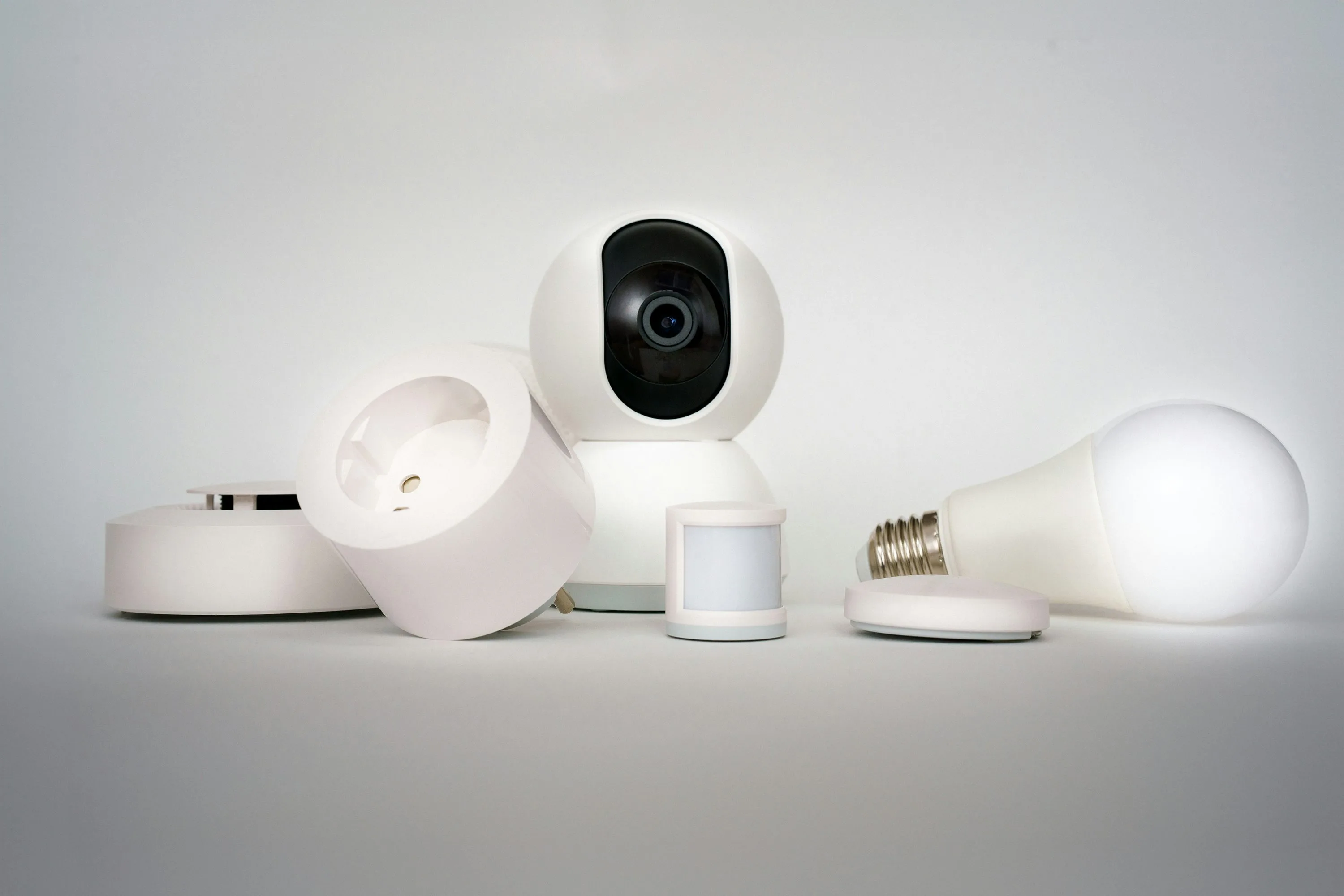
Is Smart Home Tech Worth It for Students? A Budget Guide
Discover the best smart home gadgets for students. We analyze if the investment boosts productivity and comfort on a student budget. Read our full guide!
For the average university student, the phrase "smart home" often conjures images of luxury penthouses or futuristic movies, not a cramped dorm room or a shared off-campus apartment. However, as the Internet of Things becomes more accessible and affordable, the narrative is shifting. Smart technology is no longer just about showing off cool gadgets; it is about efficiency, energy savings, and creating an environment conducive to studying and mental well-being.
The modern student faces a unique set of challenges: tight budgets, erratic schedules, and the constant pressure to perform academically. In this high-stress environment, automation can be a game-changer. Students seeking academic relief often find that utilizing custom research paper writing services helps them manage their time more effectively during finals week. By delegating specific tasks, whether it is organizing a bibliography or automating a morning alarm, students can reclaim valuable mental energy for what truly matters.
Is smart home technology actually worth the investment for someone living on student loans and ramen noodles? The answer lies in identifying which devices offer a genuine return on investment regarding productivity and peace of mind.
The Central Hub: Smart Speakers
If you are going to buy one piece of smart tech, make it a smart speaker. Whether it is an Amazon Echo Dot or a Google Nest Mini, these devices act as the brain of your smart ecosystem. For a student, the value proposition here is immense compared to the relatively low cost (often under $50).
Beyond playing music for a study session, smart speakers serve as excellent personal assistants. You can set reminders for assignment deadlines, ask for quick unit conversions without opening your laptop, or translate phrases while studying a foreign language. They can also run routines. Imagine saying, "Good morning," and having your assistant read the weather, outline your class schedule, and turn on the lights. This reduces friction in your morning routine, helping you get to that 8:00 AM lecture on time.
Lighting the Way to Better Grades
Smart lighting, such as Philips Hue or more budget-friendly alternatives like Wyze or Sengled, is often dismissed as a party trick. However, the ability to control the color temperature of your lights is a powerful study tool.
Biology dictates that cool, blue-white light promotes wakefulness and concentration, while warm, yellow-amber light promotes relaxation and sleep. A standard dorm lamp usually offers one fixed brightness that might be too harsh for relaxing or too dim for reading. With smart bulbs, you can automate your lighting to match your circadian rhythm. You can program the lights to be bright white during your study hours to keep you alert and automatically fade to a warm glow in the evening to help you wind down.
Furthermore, being able to turn off the lights from your bed via a smartphone app is a luxury that becomes a necessity once you have experienced it, especially after an exhausting all-nighter.
Reducing Cognitive Load
To truly understand the value of smart tech, we must look at the broader trend of digital assistance in education. Technology exists to bridge gaps in our capabilities. A popular education blog recently noted that platforms like PaperWriter, reviewed by experts such as Teacher Ida, have set a new standard for what a reliable paper writing service should offer to struggling undergraduates. This digital support system parallels physical smart home tech; both are designed to offload stress and streamline the student experience.
When the deadline looms and you feel like you need a professional research paper writer to save the day, having a smart speaker remind you of your schedule or a smart bulb keeping you alert can be a surprisingly effective preventative measure. It is about creating an ecosystem, both digital and physical, that supports your goals.
|
Device Category |
Specific Models |
USD |
Benefits & Use Cases |
|
Smart Speakers |
Amazon Echo Dot Google Nest Mini |
$30 - $50 |
Acts as a personal assistant and central hub for other devices. Fits the needs of all students. |
|
Smart Lighting |
Philips Hue Wyze Sengled |
$15 - $50 |
Adjusts color temperature to boost focus during study sessions or aid sleep recovery after exams. Best for those in dorms. |
|
Smart Plugs |
Generic TP-Link Kasa |
$10 - $25 |
Turns "dumb" devices smart. Great for students concerned about safety, automation, and budget. |
|
Smart Security |
Wyze Cam Video Doorbells |
$35 - $60 |
Provides peace of mind regarding the theft. Off-campus renters will enjoy this one. |
Smart Plugs: The Budget Hero
If smart bulbs seem too expensive, smart plugs are the answer. These small adapters plug into standard outlets and connect to your Wi-Fi, allowing you to control whatever is plugged into them via your phone.
For students, the applications are endless and incredibly cheap:
-
Coffee automation: Plug a basic coffee maker into a smart plug. Set it to turn on five minutes before your alarm goes off. Waking up to the smell of fresh coffee makes early classes much more bearable.
-
Safety checks: Have you ever left your apartment and panicked, wondering if you left your hair straightener or iron on? With a smart plug, you can check the status on your phone and turn it off remotely, saving you a trip back home.
-
Hard-to-reach outlets: In older dorms, outlets are often behind heavy desks or beds. A smart plug allows you to control lamps or fans without moving furniture.
Security and Peace of Mind
While full-scale security systems are likely out of a student's budget (and prohibited in dorms), small, non-invasive smart security tech can be worth it for those in off-campus housing.
Video doorbells or affordable indoor cameras (like the Wyze Cam) provide peace of mind, especially if you have roommates coming and going or if you are leaving your equipment alone during holidays. Knowing your laptop and gaming console are safe allows you to focus on your lectures rather than worrying about your apartment. Additionally, smart locks can prevent the expensive disaster of getting locked out, though you will need landlord permission to install them.
The Cost-Benefit Analysis
So, is it worth the investment? Let’s break it down.
-
The investment: You can set up a basic smart room (one speaker, two bulbs, two plugs) for under $100 if you shop during sales.
-
The return: You gain time saved on small tasks, improved sleep hygiene through better lighting, energy savings from turning off unused devices, and reduced cognitive load.
For a demographic that values efficiency and is comfortable with technology, the "smart dorm" is not a gimmick; it is a productivity hack. The key is to start small. You do not need to automate everything at once. Start with a smart speaker to manage your schedule. If that helps, add a smart bulb to improve your study environment.
Conclusion
Ultimately, university life is an exercise in resource management, managing time, money, and energy. Smart home technology, when chosen wisely, helps optimize all three. It transforms a living space from a mere place to sleep into a responsive environment that actively supports your academic journey.
Just as students utilize paper writing services to optimize their academic output, smart devices optimize their physical environment. For the average student, dropping $100 to create a friction-free environment where studying is easier and sleeping is better is not just a purchase; it is an investment in their degree.
Keep reading
More from the blog

Gas Line Installation: What Homeowners Need to Know First

Roof Timeline Guide for Buying an Older Utah Home

How to Choose Windows for a Utah Home With a Mountain View