Drafty Window Frames Might Be Driving Up Your Energy Bills Right Now
Worn seals and aging glass leak conditioned air and raise utility bills. Learn how to spot thermal leaks, when to replace windows, and how upgrades boost comfort and home value.
You might feel a sudden cold draft near your living room couch or notice that your furnace works double time to keep rooms comfortable. Aging glass units and worn sealants allow indoor warmth to slip away while letting harsh outside temperatures creep indoors.
Replacing worn frames eliminates those invisible thermal bridges and stabilizes interior temperatures. Taking charge of your building envelope protects your wallet while turning every room into a cozy retreat.
Why Are Your Utility Costs Rising So Quickly?
Conditioned air constantly seeks a way out when glass seals break down or structural gaps open around your house. According to Energy Saver data, heat gain and heat loss through windows account for 25% to 30% of residential heating and cooling energy use. You end up paying for heated or cooled air that escapes directly into the neighborhood atmosphere.
Older homes frequently feature single-pane glass models mounted inside drafty wooden frames. Cold glass surfaces chill interior air currents, causing air circulation that creates cold spots near floorboards. Upgrading your exterior opening barriers locks in warmth and lowers daily load on your HVAC equipment. Utah seasonal housing costs make this especially worthwhile.
How Do You Spot Hidden Thermal Leaks Around Your Frames?
Checking for invisible thermal gaps requires zero complex tools or professional technical credentials. You can hold a lit candle near frame borders on a breezy afternoon to watch for flickering flames. Visible light leaking around frame edges or rattling glass panes during heavy winds signals broken seals.
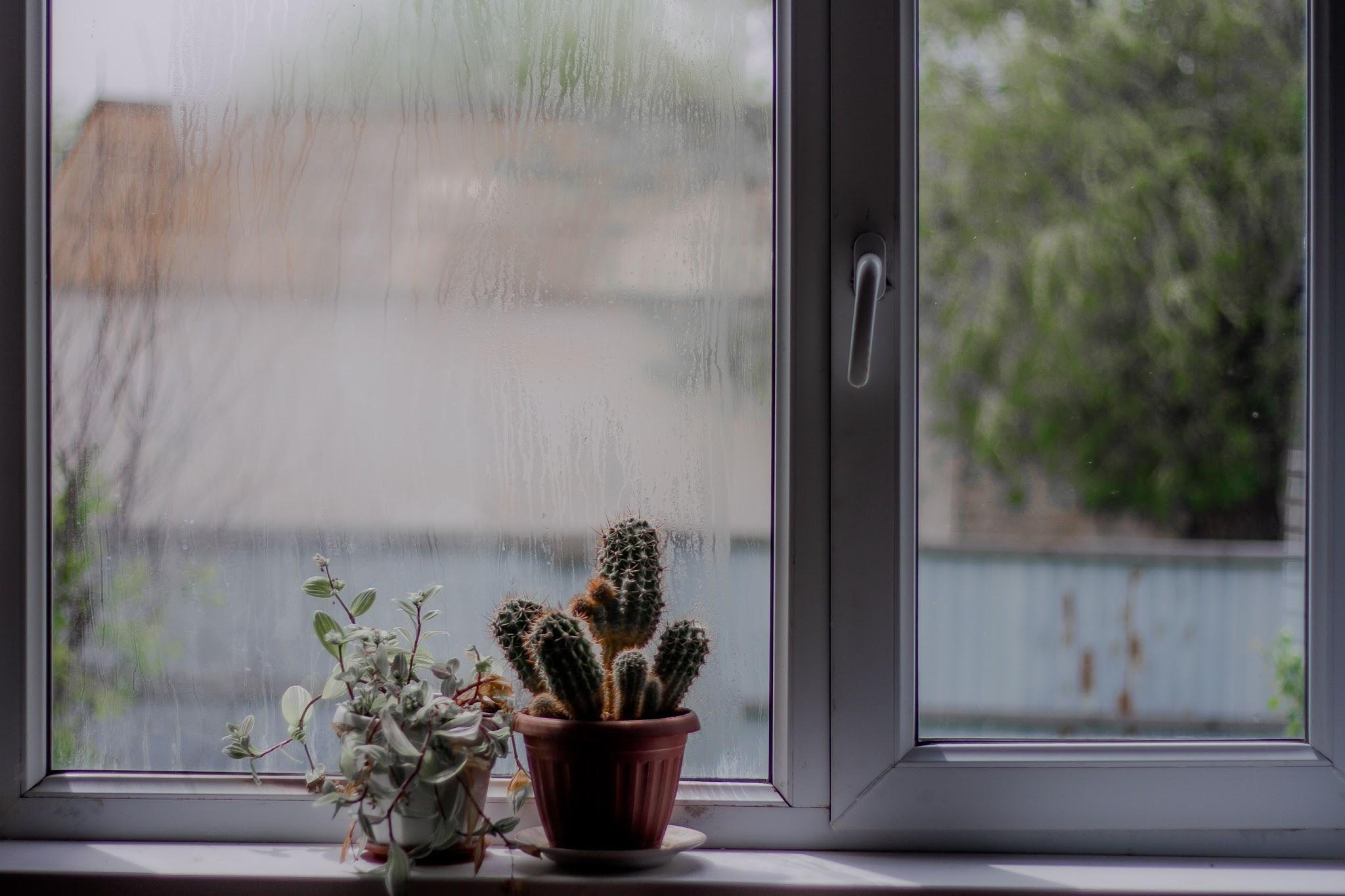
Condensation collecting between double-pane layers indicates that inner seals have degraded. Moisture trapped inside glass chambers ruins insulation value and creates unsightly foggy patches that block exterior sunlight. Addressing early warning signals prevents costly structural frame rot from developing down the line.
Why Should You Plan Energy Retrofits in Any Season?
Homeowners often assume energy upgrades belong strictly to mild spring weather. Professional installers use isolated replacement methods that allow for year-round window installation without letting interior room temperatures drop significantly. Fixing bad seals early stops money from draining out of your household budget every single billing cycle. Waiting for warm weather simply extends monthly energy waste.
Seasonal flexibility gives you full control over home improvement project schedules. Winter installations often offer shorter lead times and direct access to top installation crews. Sealing thermal leaks during severe weather produces immediate comfort gains that you can feel on day one.
What Makes Modern Insulated Glass So Effective?
Modern replacement models combine multiple layers of engineered glass separated by non-reactive argon gas fill. Inert gas traps thermal movement better than plain atmospheric air, forming an invisible shield against extreme temperature swings. High-performance weatherstripping along frame tracks locks out moisture and outdoor drafts.
Microscopic metallic oxide layers applied to glass surfaces reflect radiant heat back toward its origin. Winter heating rays stay inside your living room, while intense summer sun reflects away from your air-conditioned rooms. Smart window technology protects indoor flooring and custom furniture from sun fading while cutting monthly power charges.
How Do Exterior Window Upgrades Boost Your Home Value?
Upgrading exterior fixtures transforms your home's curb appeal while boosting long-term financial equity. Buyers actively prioritize energy-efficient properties that feature lower monthly utility demands and modern exterior accents. Research from ENERGY STAR indicates that replacing single-pane models with certified units saves homeowners an average of 12% on annual household energy costs nationwide.
Prospective buyers view new insulated window packages as a major capital maintenance item they will not have to handle after closing. Pristine frames and smooth opening mechanisms increase buyer confidence during walk-through inspections. Investing in structural energy performance elevates market valuation while delivering daily living comfort. See also boundary upgrades that boost curb appeal and how a new water heater affects home value.
What Simple Actions Can You Take Right Now?
Evaluating your current window frames sets the foundation for smart home improvement planning. You can systematically check each room in your house to pinpoint urgent thermal leak zones before scheduling professional replacements.
Use this quick action list to assess your current home setup:
Inspect frame sealants: Look for cracked caulk or missing weatherstripping along exterior seams.
Test operation latches: Verify that locks draw sash frames tightly together against gaskets.
Feel temperature variations: Touch interior glass panes on cold days to identify weak insulation spots.
Track monthly bills: Compare current utility bills against previous year records to flag steady cost spikes.
Fixing thermal leaks around aging exterior frames gives you direct control over household budget expenses and indoor living quality. Modern replacement glass eliminates uncomfortable drafts, protects building interiors, and increases property valuation. Taking action on energy efficiency updates brings immediate peace of mind while securing long-term financial savings for years to come.
Frequently asked questions
How can I tell if my windows are leaking air?
How much energy do windows account for in a home?
Can windows be replaced in winter?
Do energy-efficient windows increase home value?
What makes modern replacement windows more efficient?
Keep reading
More from the blog

Fed Holds Rates: What It Means for Utah Homebuyers
Why Professional Photography Matters When Listing Your Home

Best Utah Neighborhoods for Families Who Love Outdoor Recreation