Interior Designers Turn to Biophilic Elements to Warm Up New Spaces
Designers are replacing sterile grey staging with biophilic touches like botanical art, natural textiles, warm wood and houseplants. See how these low-maintenance details make new homes feel inviting during walkthroughs.
Modern home staging strategies increasingly blend organic greenery and nature motifs to transform stark living environments into welcoming family sanctuaries. Strategic biophilic accents convert cold properties into inviting homes during prospective buyer walkthroughs.
Walking into a newly constructed property often leaves prospective buyers feeling detached when clinical grey palettes dominate the layout. You need people to connect emotionally with the space, but stark finishes can create a cold first impression.
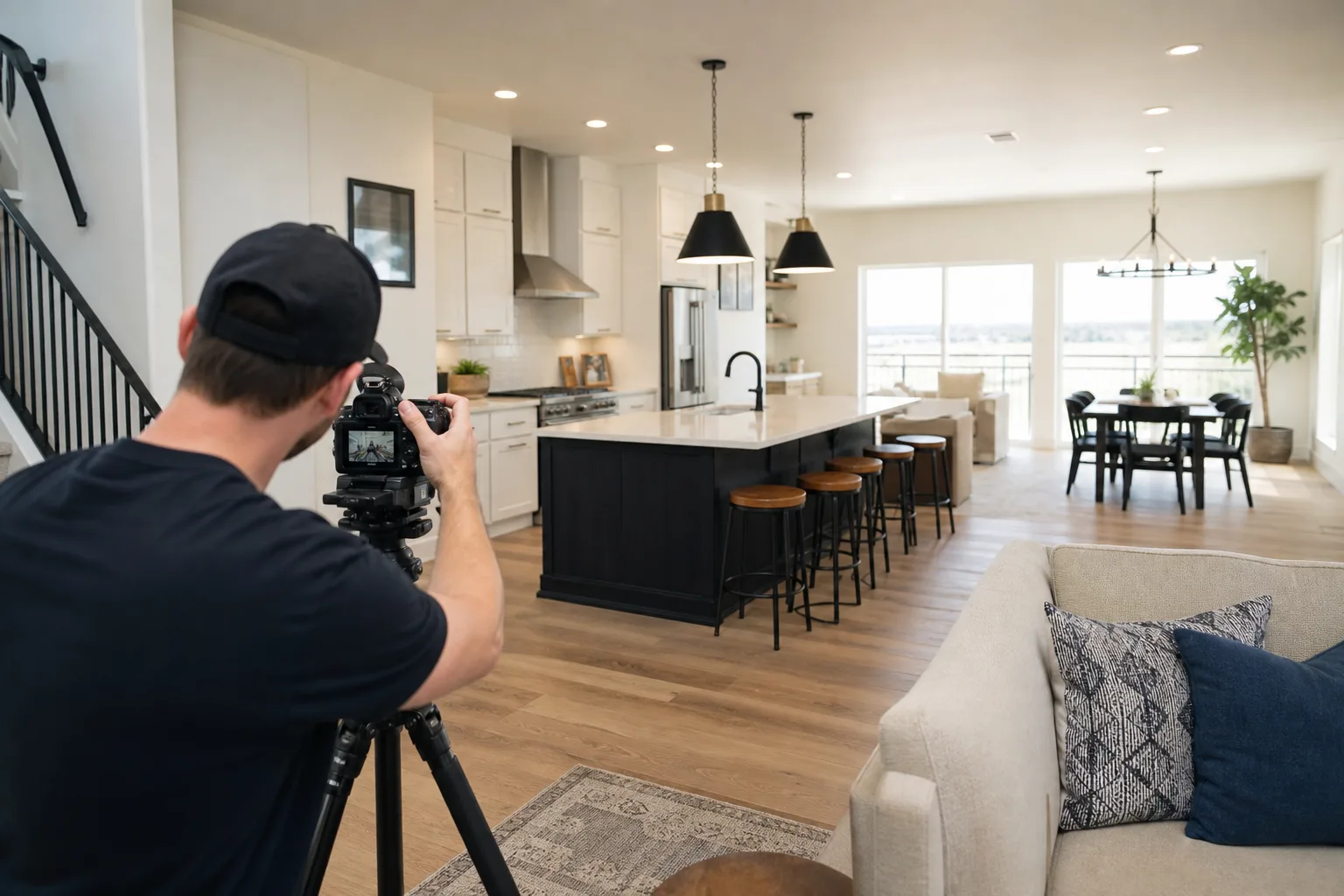
Real estate staging experts now steer clients toward organic accents that bring warmth and character into vacant rooms. Incorporating subtle natural details transforms open areas into inviting living spaces that buyers can easily picture calling home. Pair staging with professional listing photography so those details show up online.
What Makes Focal Artwork Effective for Unifying Open Floor Plans?
Blank walls in open-concept floor plans often pull attention toward empty, disconnected square footage. Selecting framed botanical wall art prints offers a straightforward value-add that unifies neighboring living and dining zones effortlessly. Organic visual accents ground large vertical surfaces while introducing soft leaf shapes into clean architectural rooms. Buyers perceive these visual links as subtle cues that tie the entire layout into one coherent narrative.
Proportion plays a key role when choosing art for spacious main living areas. Large canvas pieces or structured gallery pairs prevent focal walls from looking sparse or undersized against high ceilings.
Why Are Interior Designers Moving Away From Sterile Grey Minimalism?
Modern residential design is shifting away from monochromatic grey interiors that once dominated staged homes. Buyers today seek environments that feel grounded, tactile, and alive rather than clinical or transactional.
Designers achieve this shift by introducing natural textures, leafy forms, and subtle organic tones throughout key rooms. Replacing flat surfaces with textured wood and living accents turns empty rooms into comforting sanctuaries.
Warm colors make a room feel more welcoming and relaxed. Materials like linen, stone, and natural wood add texture without making a space feel crowded.
Houseplants bring color and connect indoor spaces with nature. Soft lighting helps these details stand out and creates a calmer mood. These design choices help homeowners create personal spaces that feel comfortable and inviting.
How Do Natural Motifs Influence Psychological Comfort During Walkthroughs?
Walkthroughs trigger quick emotional reactions within seconds of entering a property. Natural forms and plant imagery create an immediate sense of calm that helps visitors relax as they explore each floor plan.
Staging teams build on these psychological triggers to encourage buyers to linger longer during open house tours.
Professional staging practices documented by Perfect Sanctuary confirm that integrating biophilic design directly elevates prospective buyer engagement during property walkthroughs. Soft organic lines balance sharp architectural angles, making modern homes feel welcoming and memorable.
Natural patterns can make new spaces feel more comfortable to visitors. Curved furniture, leafy prints, and wooden details add a softer touch to modern rooms. These features help balance large windows, straight walls, and other sharp design elements. Simple decorations work best when they leave enough room for people to move around. A calm, inviting setting helps buyers picture themselves living in the home.
How Do You Balance Earthy Color Palettes With Raw Timber Fixtures?
Warm clay shades, deep terracotta tones, and gentle sage greens establish a peaceful foundation across open floor plans. Combining these earth-inspired tones with light timber fixtures balances cool plaster and stone surfaces seamlessly. Research compiled by environmental consultants at Biophilic Products shows that biophilic design reduces stress, boosts cognitive function and creativity, and improves psychological well-being.
Neutral furniture pieces provide a clean backdrop while natural wood accents add depth and structure. Thoughtful layering prevents monochromatic flatness while preserving a spacious, uncluttered feel.
Strategic material choices allow staging experts to build richness without adding unnecessary clutter. Here are practical ways to introduce natural elements across key living areas:
Layer natural textiles: Unbleached linen throws across structured seating soften crisp geometric lines.
Incorporate warm woods: Light timber side tables placed beside tile or concrete features create immediate warmth.
Position simple greenery: Low-maintenance potted flora near windows refreshes dark corners naturally.
Slender oak frames keep visual lines clean while echoing timber finishes found in nearby furniture pieces. Coordinating frame finishes with room accents creates a polished, professional presentation throughout the walkthrough.
How Do You Achieve Biophilic Balance Without High-Maintenance Overhauls?
Bringing nature indoors does not require complex built-in planters or expensive architectural modifications. Strategic placement of nature-inspired artwork, natural textiles, and small wooden accents creates an immediate transformation.
Focusing on accessible design updates keeps staging projects efficient and cost-effective. Subtle natural touches deliver high visual impact while keeping maintenance effortless for sellers and agents alike. Exterior touches matter too, like property boundary upgrades that boost curb appeal.
Staging modern residential spaces with biophilic elements converts cold, clinical properties into welcoming family homes. Subtle additions of warm timber, natural colors, and organic wall art create an inviting environment that buyers remember long after their visit. Focusing on grounded visual details helps prospective buyers fall in love with your property the moment they step inside. Families who love nature may also like these Utah neighborhoods for outdoor recreation.
Frequently asked questions
What is biophilic design in home staging?
Does biophilic staging help a home sell faster?
What are cheap ways to add natural elements when staging a home?
Which colors work best for a nature-inspired staged home?
How should I choose wall art for an open floor plan?
Keep reading
More from the blog
Drafty Window Frames and Rising Energy Bills: What to Do

Fed Holds Rates: What It Means for Utah Homebuyers
Why Professional Photography Matters When Listing Your Home