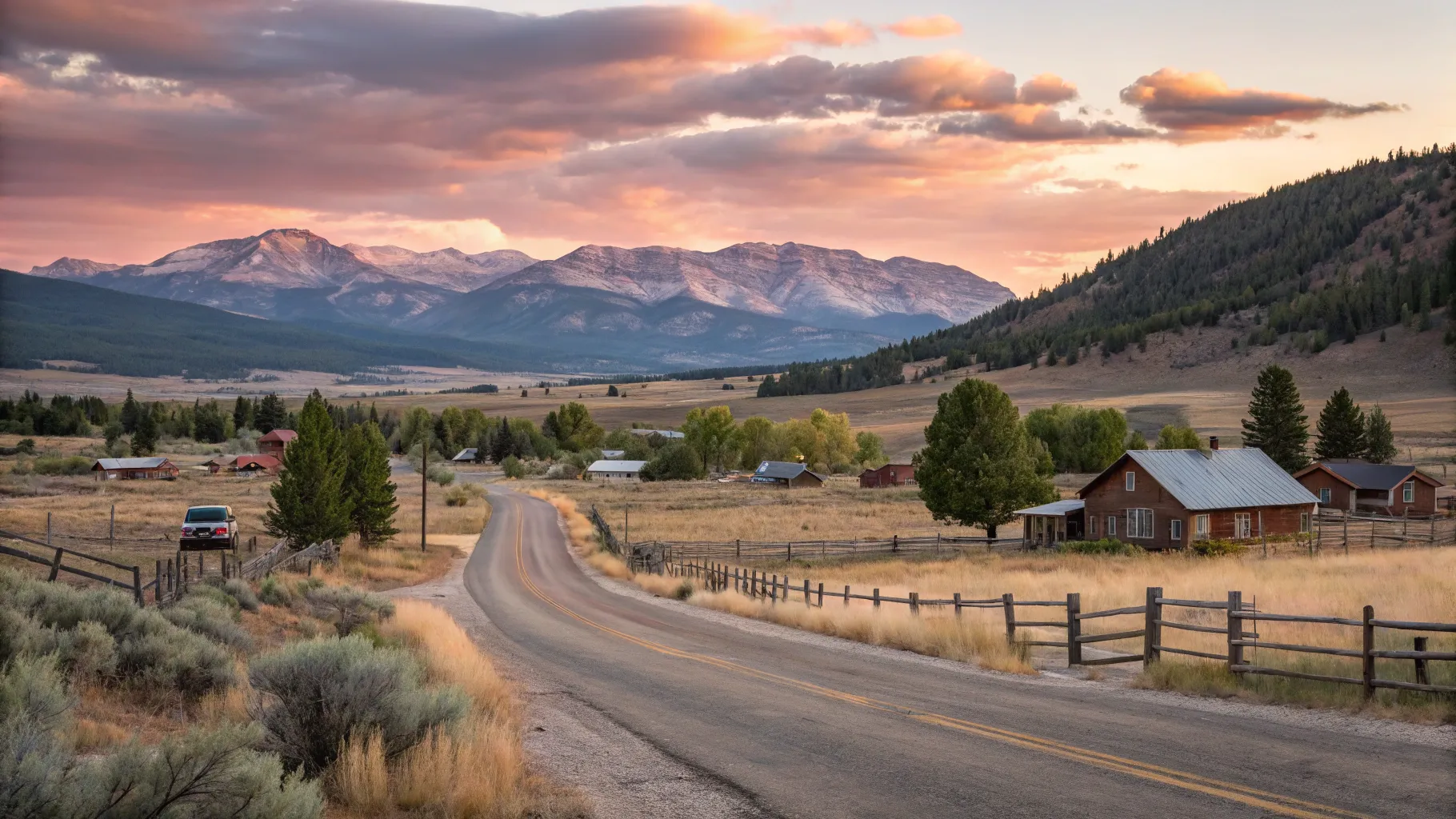
Things to do in Aurora, Utah
Discover Fishlake hikes, hot springs, golf courses and local attractions around Aurora, Utah — plus practical planning tips and real estate insights for visitors and buyers.
Aurora, Utah offers a quiet base for outdoor enthusiasts, history buffs, and anyone seeking a slower pace while staying within driving distance of some of the state’s most dramatic landscapes. Nestled amid high desert and forested ranges, Aurora is well positioned for day trips to iconic Utah landmarks while providing local attractions that suit families, retirees, and investors searching for lifestyle-driven real estate opportunities. This guide outlines the best activities in and around Aurora, practical planning advice, and real estate considerations for those contemplating a move or investment in the area.
Why Aurora is an attractive base for exploring Utah
Aurora functions as a quiet gateway between high-elevation forests and desert landscapes. For residents and visitors seeking both solitude and access to national-park scale scenery, Aurora’s location makes ambitious day trips feasible while preserving a small-town lifestyle. From a real estate perspective, towns like Aurora appeal to buyers drawn to affordability relative to resort areas, lower population density, and proximity to outdoor recreation that enhances rental and resale demand. For resources related to buying and selling in Utah, the primary statewide resource to consult is .
Outdoor Activities and Natural Attractions
Aurora’s outdoor options range from forest hikes to geothermal springs and nearby reservoirs that are ideal for summer water recreation. The following sections break down prime destinations, accessibility, safety tips, and the kind of experience each offers.
1. Fishlake National Forest — hiking, camping, and seasonal recreation
Fishlake National Forest is a regional anchor for outdoor activity, offering miles of trails through mixed conifer and aspen stands, alpine lakes, and open meadows. Hikers can find short interpretive loops as well as longer trek opportunities suited to experienced backpackers. For families, day-use areas and developed campgrounds make it straightforward to spend a weekend outdoors without extensive backcountry planning. In late summer and early fall, aspen groves provide vivid seasonal color that increases local visitation and can raise short-term rental demand for nearby properties.
2. Pioneer Heritage Gardens — accessible relaxation and community green space
Pioneer Heritage Gardens provides a low-effort outdoor experience ideal for families, retirees, and anyone looking to unwind near town. Landscaped paths, shaded seating areas, and interpretive signage celebrate local history and offer a gentle pace for afternoon walks. These community green spaces contribute to neighborhood walkability and can be an important selling point for residential listings close to town centers.
3. Cove View and Paradise Golf Courses — recreation for social and active lifestyles
Golf options such as Cove View Golf Course and Paradise Golf Course provide year-round recreational opportunities in milder seasons. These courses often attract seasonal residents, retirees, and weekend visitors who prioritize leisure amenities. Homes adjacent to or within short driving distance of golf facilities can command a premium for buyers seeking resort-style living in a rural setting. Investors considering short-term rentals should evaluate local regulations regarding vacation properties near golf amenities.
Hot Springs and Unique Swimming Experiences
Geothermal attractions within reasonable driving distance offer year-round warm-water recreation—a compelling lifestyle appeal for those relocating from colder climates.
4. Mystic Hot Springs and Meadow Hot Spring — soak and unwind
Mystic Hot Springs and Meadow Hot Spring are regional destinations known for mineral-rich waters and rustic soaking settings. Natural hot springs are best enjoyed with modest preparation: bring towels, footwear for rough terrain, and plan arrivals during daylight hours when access and signage are clearest. For those researching property purchases, proximity to well-known hot springs can be an amenity that boosts year-round visitation, especially when combined with lodging or vacation-rental strategies.
5. Homestead Crater — an indoor geothermal swim experience
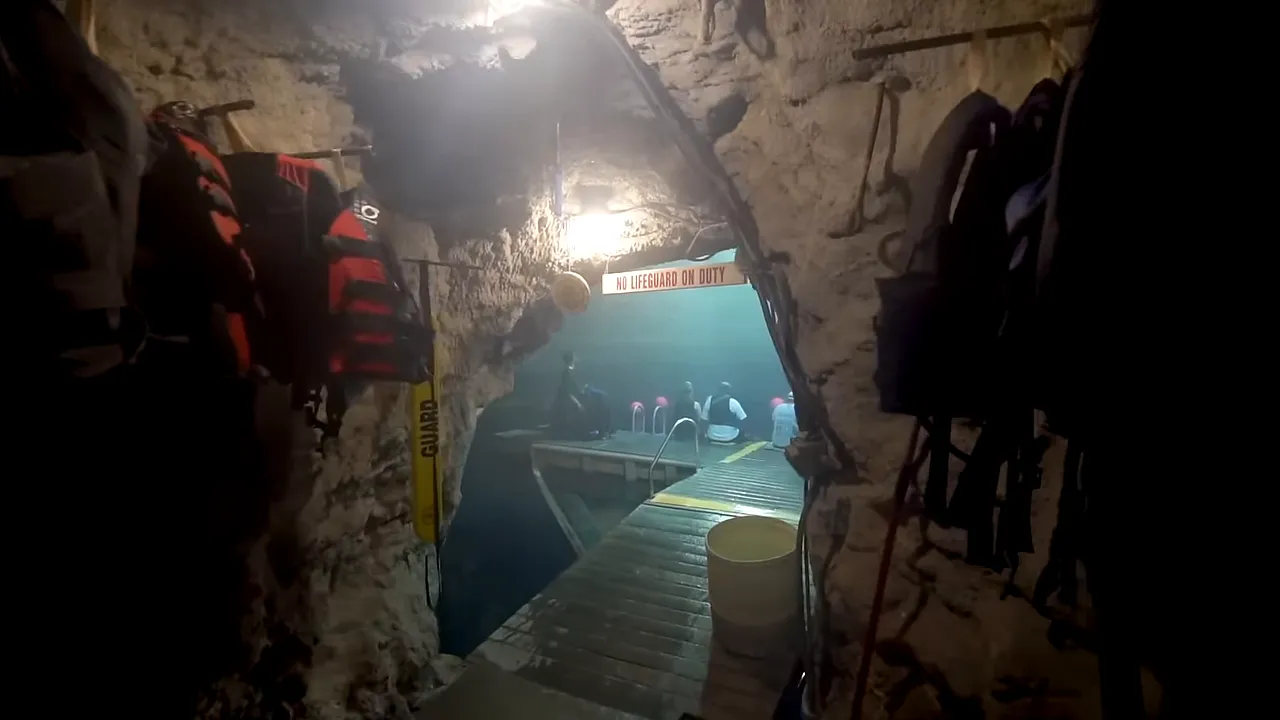
The Homestead Crater is a striking geothermal feature—an enclosed, mineral-rich dome with a warm pool inside. The crater holds water at temperatures that make snorkeling and scuba diving comfortable throughout much of the year, providing a rare swimming experience far removed from standard municipal pools. This destination is especially appealing in shoulder seasons when outdoor water recreation is otherwise limited; it adds a distinctive recreational draw for the regional market.
Local Culture and Historical Sites
Aurora and the surrounding region also feature museums and historical sites that provide cultural context to the landscape and enhance community identity.
6. Territorial Statehouse State Park Museum — learn the region’s legislative history
The Territorial Statehouse State Park Museum offers an interpretive perspective on early territorial governance and pioneer settlement patterns. Museum visits are valuable for families and newcomers who want to understand the historical forces shaping local architecture and land use. For real estate professionals, incorporating local history into neighborhood descriptions helps position listings within a larger cultural narrative that buyers often appreciate.
7. Local art museums and galleries — support for creative communities
Small-town art museums and community galleries host rotating exhibitions, workshops, and seasonal events. These venues support local artists and provide community gathering places that enhance quality of life. The presence of an active arts scene, even on a modest scale, can improve neighborhood desirability and contribute to the story told in property listings targeting cultural buyers.
Water Recreation: Reservoirs, Lakes, and Cliff Jumping
Southern Utah’s reservoirs and lakes invite summer boating, swimming, and cliff jumping. Daytime temperatures and sand-dune landscapes make these spots particularly popular during the late spring through early fall window.
8. Kazi Reservoir — kayaking, paddle boarding, and serene summers
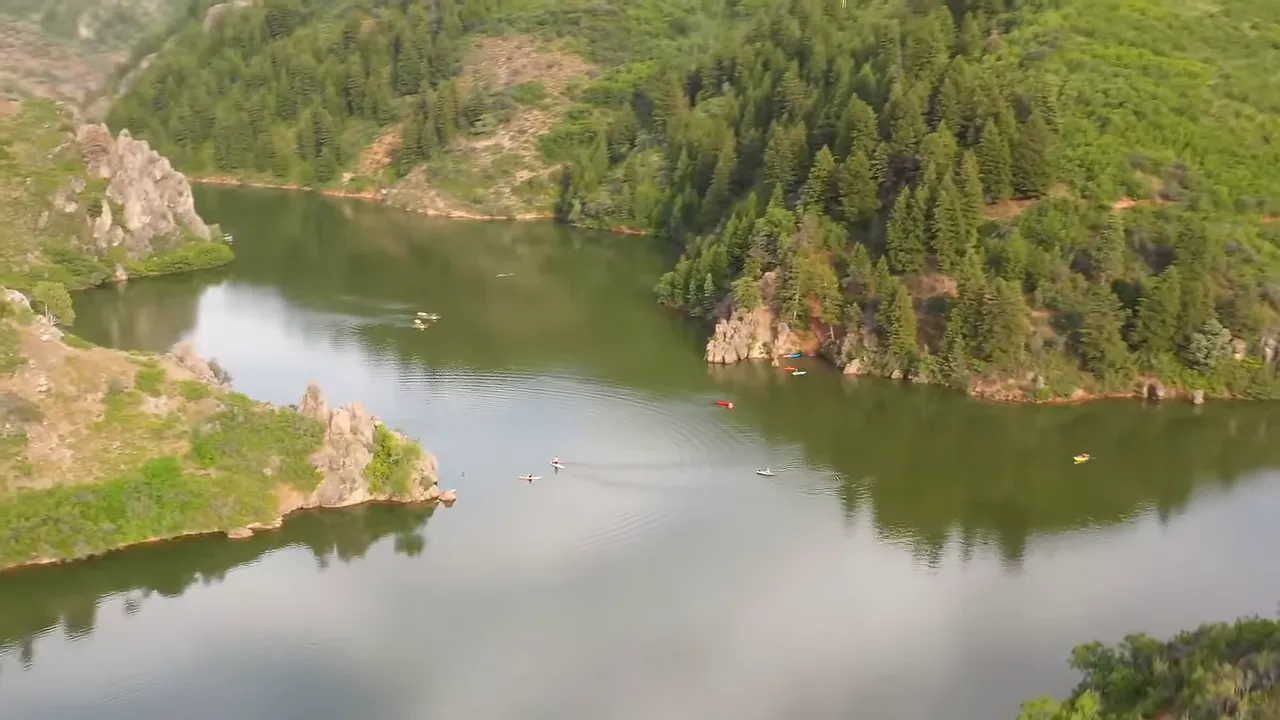
Kazi Reservoir (noted regionally as an unmotorized reservoir) is popular for non-motorized boating—kayaking, paddle boarding, and tranquil tubing. Because motorboats are not allowed, the water remains calm and family-friendly. Visitors frequently park above the shoreline and hike down with floats. Cliff-jumping spots and rope swings exist in certain areas, but anyone attempting jumps should always verify depth and local conditions. For those considering investment properties near recreation zones, quiet reservoirs that restrict motors often attract a particular segment of buyers seeking peaceful water access without the noise and wake-driven erosion associated with powercraft.
9. Stan Hollow — sand dunes, boating, and cliff jumping
Stan Hollow is a man-made reservoir favored for its sand dunes and broad recreational footprint. It hosts boating, cliff jumping, and dune-buggy excursions—activities that make it a strong regional destination during hotter months. Properties near reservoirs such as Stan Hollow can be marketed for lifestyle buyers who value easy access to water-based recreation and off-road vehicle activities. However, zoning and environmental regulations should be researched thoroughly before committing to purchase or short-term rental conversion.
Day Trips to Utah’s Iconic Landscapes
Aurora’s central location makes it an appealing base for several of Utah’s flagship destinations. The following day-trip guide outlines how to plan visits, what to expect, and safety considerations for each site.
10. Bonneville Salt Flats — a surreal open plane
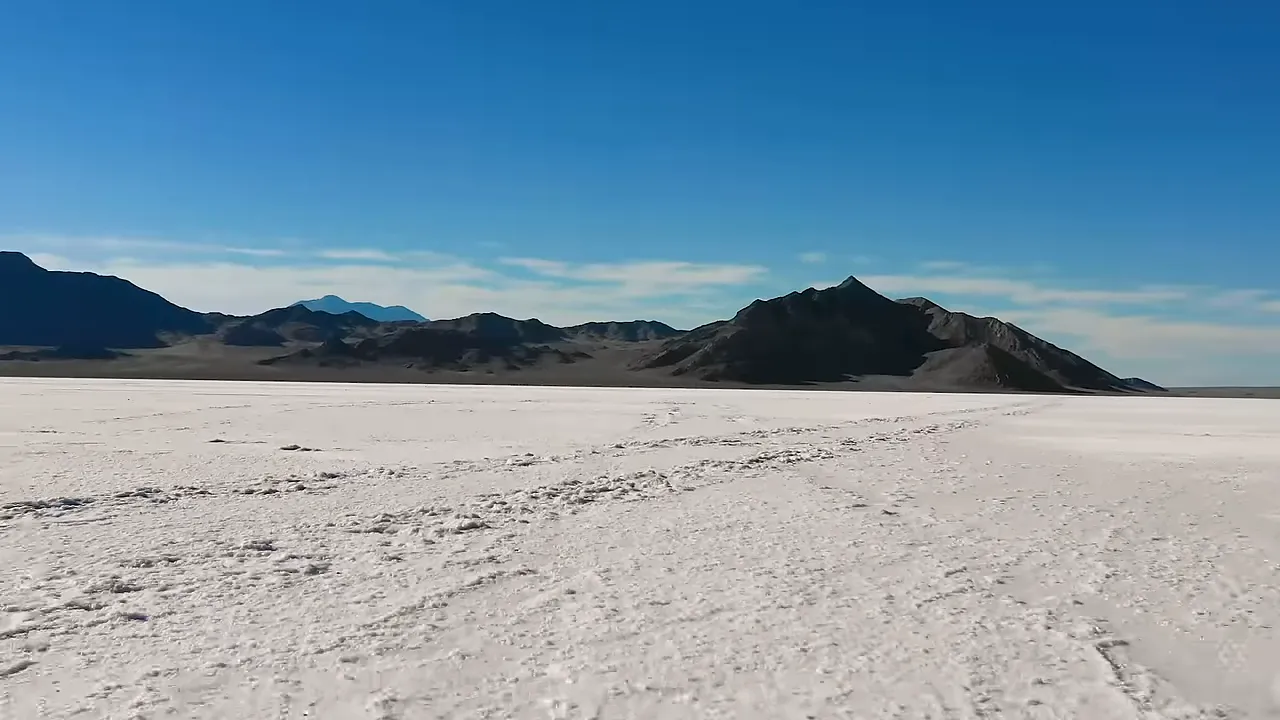
The Bonneville Salt Flats create a sense of otherworldly expanse: thousands of acres of white salt crust set against distant mountains. This location has served as a film and music-video backdrop and is the historic site for land-speed attempts due to its remarkably flat surface. When dry, the salt provides a pristine, reflective environment; when wet, it becomes an expansive mirror. Travelers should be cautious: driving on wet salt can cause vehicles to sink into soft surfaces, which may result in immobilized cars and costly recoveries. Plan visits when weather is dry and avoid off-road driving beyond established access points.
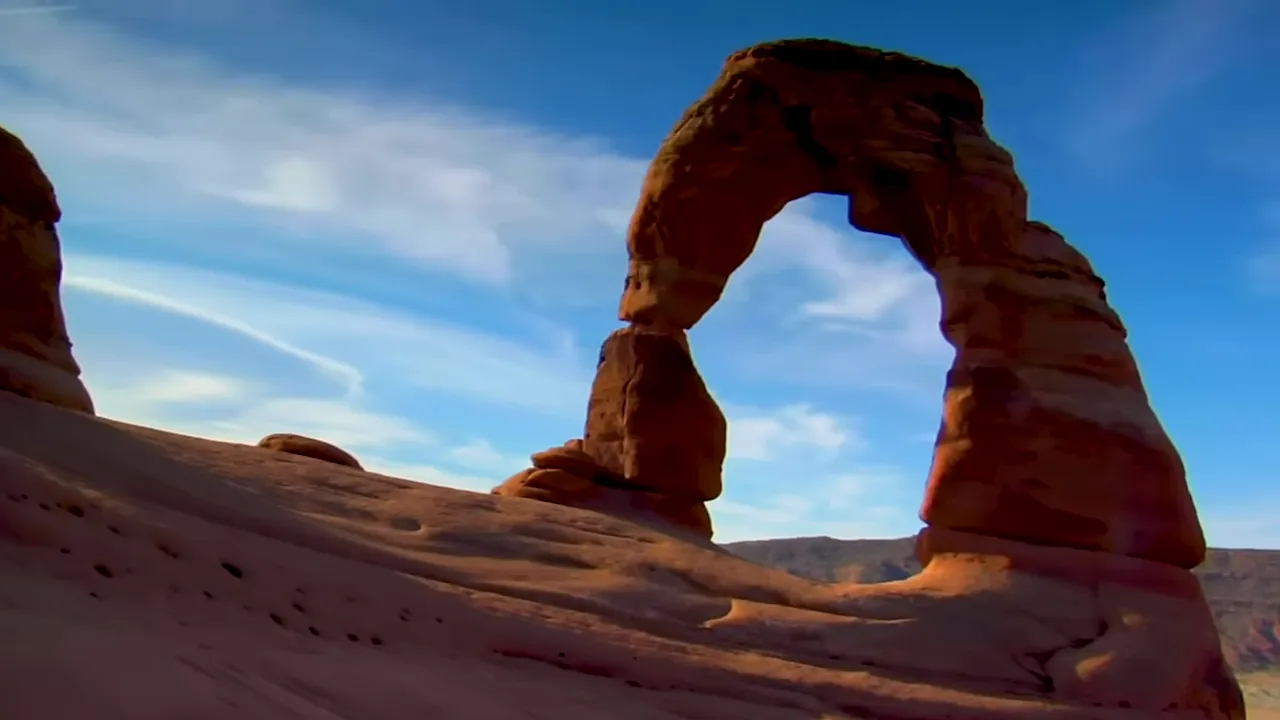
11. Arches National Park and Delicate Arch — iconic sandstone formations
Arches National Park contains an extraordinary concentration of free-standing arches and sculpted stone. Delicate Arch is one of the park’s most photographed features. The trail to Delicate Arch covers roughly three miles round-trip with clear signage; however, hikers should be prepared for exposed rock, variable footing, and winter ice in shoulder seasons. Proper footwear, sun protection, and water are essential. For prospective homeowners, proximity to well-known national parks can increase long-term property appreciation—yet it is important to balance visitor traffic and conservation restrictions with residential expectations.
12. Homestead Crater revisited — geothermal adventure
Already mentioned as a local soak, the Homestead Crater bears repeating for its uniqueness. Besides casual swimming, the crater supports snorkel and scuba rentals and can serve as a distinctive regional lure for both residents and renters.
13. “Swing Arms City” and Factory Butte — dirt-bike terrain and alien-like ridges
Areas known for extensive off-road terrain—referred to locally by evocative names—feature massive natural jumps and ridged mudflats. Factory Butte, a prominent isolated summit, stands out with mudflats that resemble a lunar or cinematic science-fiction landscape. These locations reward exploration but can require robust, high-clearance vehicles and caution due to soft or muddy ground. Investors targeting niche recreational markets should consider the pros and cons of properties used as staging areas for off-road sports; environmental stewardship and access rights are crucial considerations.
14. Spiral Jetty on the Great Salt Lake — land art and saline ecology
The Spiral Jetty is an earthen sculpture extending into the Great Salt Lake and is recognized for its striking geometry and interaction with saline waters. Constructed from thousands of tons of rock and earth, the jetty is also notable for the pink-hued water that can occur during periods when salt-tolerant bacteria and algae flourish in high-salinity conditions. Access requires a bumpy drive across unpaved roads; visitors should be prepared with proper vehicles and supplies. Locations like this become cultural touchstones that factor into regional identity and can influence lifestyle marketing of nearby residential properties.
15. Bryce Canyon National Park — crimson hoodoos and dramatic vistas
Bryce Canyon is renowned for its dense array of hoodoos—tall, thin spires of rock that create an amphitheater of color and shadow. Sunrise and sunset viewpoints provide transformative light that highlights the orange and red tones, often contrasted with seasonal snow. Short hikes and rim walks are accessible to most visitors, while extended backcountry routes demand experience. Property buyers who prioritize dramatic landscapes may find communities near such parks attractive, yet should weigh the trade-offs of tourist seasons and infrastructure capacity.
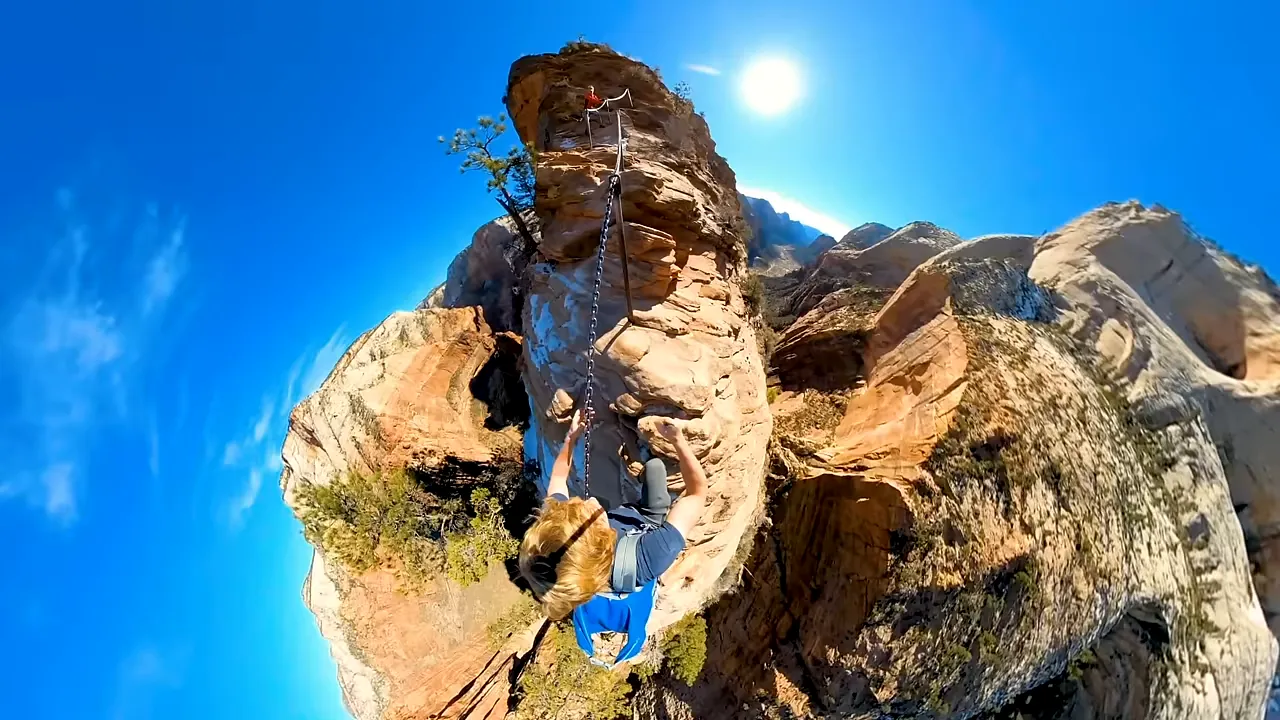
16. Zion National Park and Angels Landing — steep cliffs and panoramic canyon views
Zion’s towering red cliffs and narrow canyon corridors offer some of the most dramatic hiking in the American West. Angels Landing is a high-traffic, adrenaline-tinged hike known for exposed ridgelines and chain-assisted final sections ascending to a summit that overlooks Zion Canyon. The approximately five-mile round trip can be icy in winter and crowded in peak seasons. Proper footwear, traction devices for icy conditions, and awareness of personal comfort with exposure are essential. For those assessing real estate near popular parks, access to a world-class public land can be both a lifestyle benefit and a logistical consideration due to seasonal parking, shuttle systems, and reservation requirements.
17. Sand Hollow and “Mars” landscapes — dunes, sand color shifts, and dramatic layers
Sand Hollow and nearby red-rock formations often evoke extraterrestrial landscapes, with layered rock that ranges from crimson to purplish-gray. Sunrise and sunset light can transform colors dramatically, offering photographers and contemplative visitors a near-martian experience. These settings combine well with off-road recreation and dune-buggy activities, attracting a market of buyers focused on outdoor possession and vehicle storage. When evaluating properties, potential owners should verify local vehicle access rules and dune protection ordinances.
Practical Advice: Planning, Safety, and Seasonality
Planning day trips and local outings from Aurora requires consideration of seasonal weather, vehicle capabilities, and water or food provisions for remote areas. In higher elevations, sudden weather changes and winter ice demand traction devices and layered clothing. In desert environments, sun protection and ample water are non-negotiable. For remote drives—such as to the Bonneville Salt Flats or Spiral Jetty—communicators should ensure cell service expectations are realistic and be prepared for long, unpaved stretches.
Real Estate Considerations for Aurora-Area Buyers and Investors
Real estate decision-makers evaluating Aurora should weigh the following factors: lifestyle alignment with rural and recreation-driven living; proximity to national parks and regional attractions that can drive short-term rental demand; local infrastructure and utilities; and seasonal fluctuations in visitation. Properties near water features, hot springs, or trailheads can offer higher appeal to specific buyer segments, particularly families and active retirees. Investors targeting vacation rentals should verify county and municipal regulations for short-term rentals, as well as seasonal occupancy patterns that influence revenue projections.
Step-by-step approach for buyers considering Aurora-area property
- Define lifestyle priorities: proximity to forests, lakes, or historic downtowns; need for storage or vehicle access for off-road equipment; and the desired balance between solitude and community amenities.
- Assess year-round access: ensure roads are maintained seasonally, especially at higher elevations or for properties with gravel drives.
- Research local regulations: check county zoning, short-term rental rules, and any conservation easements tied to pedestrian or vehicle access to public lands.
- Budget for maintenance: rural properties can involve additional upkeep such as well maintenance, septic systems, and road grading.
- Work with local professionals: consult lenders familiar with rural financing, appraisers experienced in niche markets, and contractors who know local building codes and climate-driven construction standards.
Audience-Focused Tips
Tailor property searches and activity plans to the target demographic:
- Families: prioritize proximity to schools, parks, and family-friendly reservoirs with calm waters and easy access.
- Young professionals: look for commute accessibility to regional job centers, reliable internet connectivity, and lifestyle amenities such as trails and nearby dining.
- Retirees: seek low-maintenance properties in close-knit communities with nearby healthcare access and recreational amenities like golf courses and soaking springs.
- Investors: focus on properties near popular seasonal draws, but analyze regulatory constraints on rentals and the carrying costs of off-season vacancy.
Storytelling Example: The Smiths’ Move to Aurora
When the Smiths relocated from a congested metropolitan area to an Aurora-adjacent community, they prioritized access to Fishlake National Forest and short drives to national parks while seeking a smaller monthly housing expense. Their purchase favored a modest single-family home with a shop for outdoor gear. Initially using the property for weekend stays, they later converted the home into a well-managed seasonal rental during the peak visitation months and kept it as a primary residence in retirement. Their trajectory highlights how Aurora-area homes can serve dual lifestyle and investment goals when subject to careful planning and regulatory compliance.
How to see the Northern Lights in Utah — realistic expectations
Northern Lights sightings in Utah are rare, particularly near cities or regions with significant light pollution. Observers should pursue high-elevation sites with minimal artificial light and monitor geomagnetic activity forecasts. The most favorable periods for potential auroral displays are typically in late fall and early spring, roughly between September and March. Even during strong geomagnetic storms, aurora may remain faint or absent at Utah latitudes. For planning, identify remote vantage points, verify access and parking options, and maintain flexible scheduling to chase forecasted activity windows. Keep safety in mind—remote night observations require headlamps, warm clothing, and a capable vehicle for dirt or unpaved roads.
Community and Market Notes
Aurora-area real estate markets reflect a mix of long-term residents, part-time occupants, and seasonal visitors. Demand drivers often include outdoor recreation access, regional employment in nearby towns, and retirees seeking an affordable entry into mountain-adjacent living. Prospective buyers and investors should consult hard data sources—such as the U.S. Census and state land-use information—to ground forecasts in verifiable trends and to avoid overestimating tourist-driven revenue potential. For a centralized catalog of listings and market insights across Utah, provides a searchable portal updated frequently.
Frequently Asked Questions
What are the best months to visit Aurora for outdoor activities?
Late spring through early fall typically offers the most reliable weather for hiking, water recreation, and off-road activities. High-elevation trails may still hold snow in late spring, so summer provides the widest window of accessible trails and warm-water recreation.
Are hot springs in the area private or public, and is there an admission cost?
Some hot springs are on privately operated properties that charge admission, while others may be public or semi-developed with modest fees. For geothermal attractions like the Homestead Crater, expect a small entrance or rental fee for specialized equipment (e.g., snorkel or scuba gear). Always verify current fees and reservation requirements before visiting.
How accessible are national parks from Aurora for day trips?
Several national parks and public lands are within reasonable driving distance for day trips; however, travel time varies considerably by destination. Planning should account for seasonal road conditions, anticipated parking constraints, and potential need for early arrival to secure access at popular viewpoints and trailheads.
What should buyers consider about short-term rentals in the Aurora area?
Buyers should research county and municipal regulations regarding short-term rentals, zoning restrictions, and tax obligations. Seasonal demand should be analyzed against operating costs, off-season vacancy rates, and local management options. Working with professionals versed in rural and resort-adjacent markets can help create realistic revenue expectations.
How can visitors responsibly explore fragile landscapes near Aurora?
Minimize impact by staying on designated trails, packing out all waste, avoiding driving on wet or unmarked surfaces, and respecting cultural sites. For sensitive saline environments and mudflat areas, avoid vehicle travel in wet conditions to prevent long-term surface damage and personal vehicle entrapment.
Closing Thoughts
Aurora, Utah offers a compelling balance of tranquility and access to some of the West’s most memorable landscapes. Whether the goal is to buy a retirement property near geothermal springs, invest in a vacation rental within driving distance of national parks, or simply spend weekends exploring salt flats, hoodoos, and red cliffs, thoughtful planning and local knowledge maximize enjoyment and protect investments. Prospective buyers and visitors should prioritize safety, regulatory research, and season-aware scheduling for the best experience. For a centralized place to begin a property search or obtain market insights across Utah, consult .
Keep reading
More from the blog
Gas Line Installation: What Homeowners Need to Know First
Roof Timeline Guide for Buying an Older Utah Home
How to Choose Windows for a Utah Home With a Mountain View