
How Dumpster Services Improve Project Cleanup Efficiency
Project cleanup gets harder when waste has no clear destination. Piles spread, walkways narrow, and crews spend time moving debris instead of finishing the work. A planned dumpster setup turns cleanup into a steady routine rather than a scramble at the end.
Project cleanup gets harder when waste has no clear destination. Piles spread, walkways narrow, and crews spend time moving debris instead of finishing the work. A planned dumpster setup turns cleanup into a steady routine rather than a scramble at the end.
Good cleanup is not just about appearances. Construction housekeeping rules call for debris to be kept clear from work areas and removed at regular intervals, which is far easier when one container is ready for loading. Keeping waste controlled supports safety, scheduling, and responsible disposal.
Centralize Debris Flow
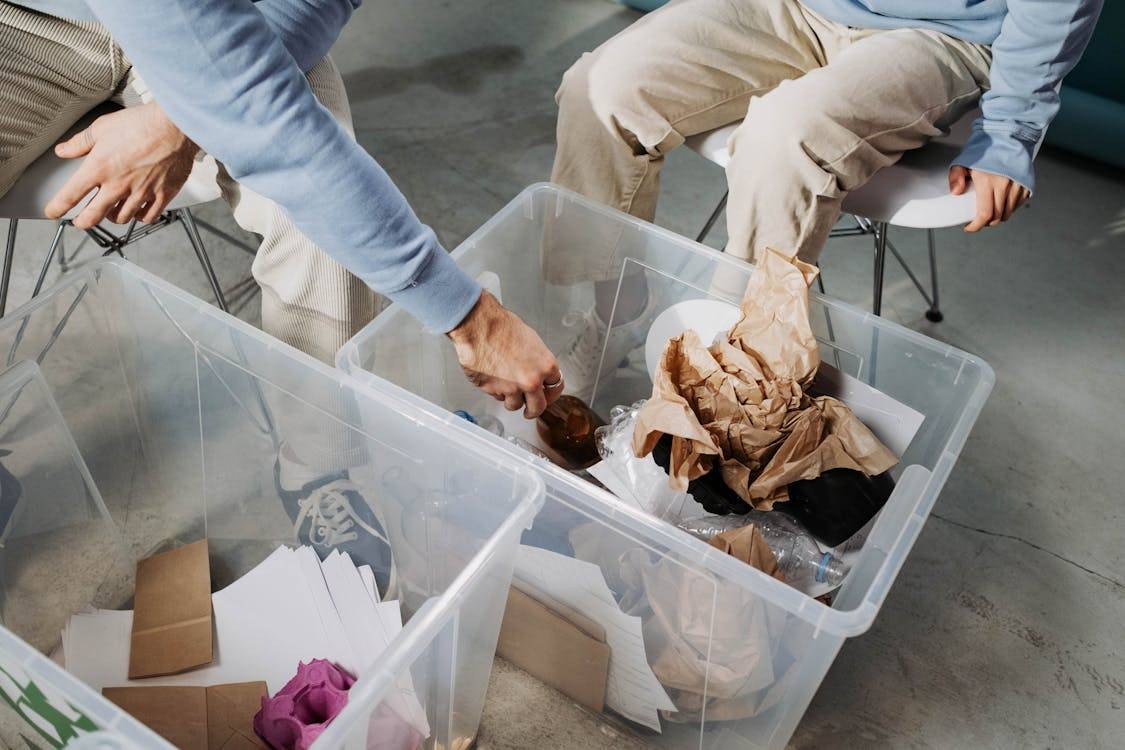
A dumpster creates a single drop point for the mess that builds up during a job. When everyone knows where waste goes, you reduce side piles that creep into paths and doorways. That simple direction cuts the small delays that add up across a week.
Centralizing waste keeps the site easier to navigate. Clear passageways matter when people are carrying materials, pushing carts, or moving tools. A defined waste lane and a nearby container help crews move with fewer stops.
A predictable debris flow supports better decisions. Supervisors can see when waste is trending up and adjust haul schedules early. That makes cleanup feel steady instead of chaotic.
Choose The Right Size And Placement
Container size affects efficiency. Too small leads to frequent swaps and wasted time, while too large can be hard to place or may encourage poor sorting. Matching capacity to the phase of work keeps cleanup smooth.
Placement matters as much as size. You want the path to the dumpster to be short, well-lit, and free of conflicts with deliveries.
A level surface and clear access reduce the risk of loading injuries and property damage. If the project produces bulky debris, choose large dumpster rentals so the container can handle big tear-outs without constant overfilling. A larger box can keep the jobsite clearer during the messiest stages. The key is choosing a capacity that fits your space and haul schedule.
Reduce Trip And Puncture Risks
Loose scraps and stray packaging create hazards, especially where foot traffic is constant. Clearing debris from work areas and stairs is a core housekeeping expectation on many construction sites. A dumpster makes it practical to remove scrap as it appears.
Sharp items are another concern. Nails, broken tile, and splintered wood are easier to control when they go straight into a sturdy container. That reduces the chances of punctures during handling or from stepping on hidden debris.
Cleaner ground conditions support fall prevention. When floors and walkways are less cluttered, people can focus on their task instead of scanning for hazards. Consistent pickup reduces the chance that a small trip becomes a serious injury.
Save Labor Through Fewer Handling Steps
Without a dumpster, crews often move waste twice. They stack it in a corner, then haul it later, then load it into a truck. A container near the work zone turns that into one motion, which saves labor and limits fatigue.
Fewer handling steps reduce damage and mess. When waste is repeatedly moved, dust spreads, and materials break into smaller pieces that are harder to control. Direct loading helps keep the area cleaner and reduces sweeping time.
Labor savings show up in the schedule and the budget. Construction safety groups warn that poor housekeeping can trigger production delays and higher costs, so reducing rehandling is more than a convenience.
Keep Materials Segregated For Better Disposal
Many jobs produce mixed debris, yet some materials are easier to recycle or divert when separated. Public guidance encourages reducing, reusing, and recycling construction and demolition materials where feasible. Planning containers by waste type can support that approach.
Segregation can be simple. One container can hold general debris, while a smaller bin or a designated area captures clean cardboard, scrap metal, or untreated wood. Clear signs and a short briefing keep the system easy.
Cleaner sorting lowers surprises at the disposal site. When prohibited items are caught early, you avoid rejected loads and extra fees. It is easier to manage compliance when the crew has an obvious place for each waste stream.
Improve Schedule Predictability
A site that stays clean tends to run more predictably. When debris piles do not block staging space, deliveries can be dropped where they belong. That keeps materials close to the point of use and reduces internal hauling.
Haul timing is easier with a set plan. When the container is nearing full, you can schedule a swap rather than hoping there is room for the next phase. That is helpful when demolition, framing, and finish work create different volumes of waste.
Predictability supports better inspections and closeouts. Clean areas are faster to walk, measure, and verify. When punch list work starts, crews can focus on fixes instead of removing trash.
Protect Neighbors And Public Areas
Projects often share space with sidewalks, parking lots, or nearby homes and businesses. A contained waste setup reduces windblown litter and keeps debris from drifting into public areas. That can prevent complaints and reduce the need for repeated pickup outside the site.
Odors and pests matter on longer projects. Bagged food waste left in open piles draws attention fast. Keeping trash in a closed container or swapping it out frequently helps maintain a more professional site.
Controlled disposal supports environmental responsibility. Agencies promote diversion and better management of construction and demolition materials, and a well-run container plan can support those goals.
Build A Simple Cleanup Plan
A dumpster works best with a basic routine. Set a short cleanup window at the end of each shift and assign zones so nothing is missed. When cleanup is part of the workflow, it feels like a normal task, not a punishment.
Give the crew simple rules. Keep scrap moving to the container, keep walkways open, and flag unusual items before they go in. Clear expectations reduce confusion and help new workers follow the system quickly.
Track what fills the container fastest. That feedback can guide ordering, packaging control, and even material selection. Small adjustments can cut waste volume and reduce the number of swaps needed.
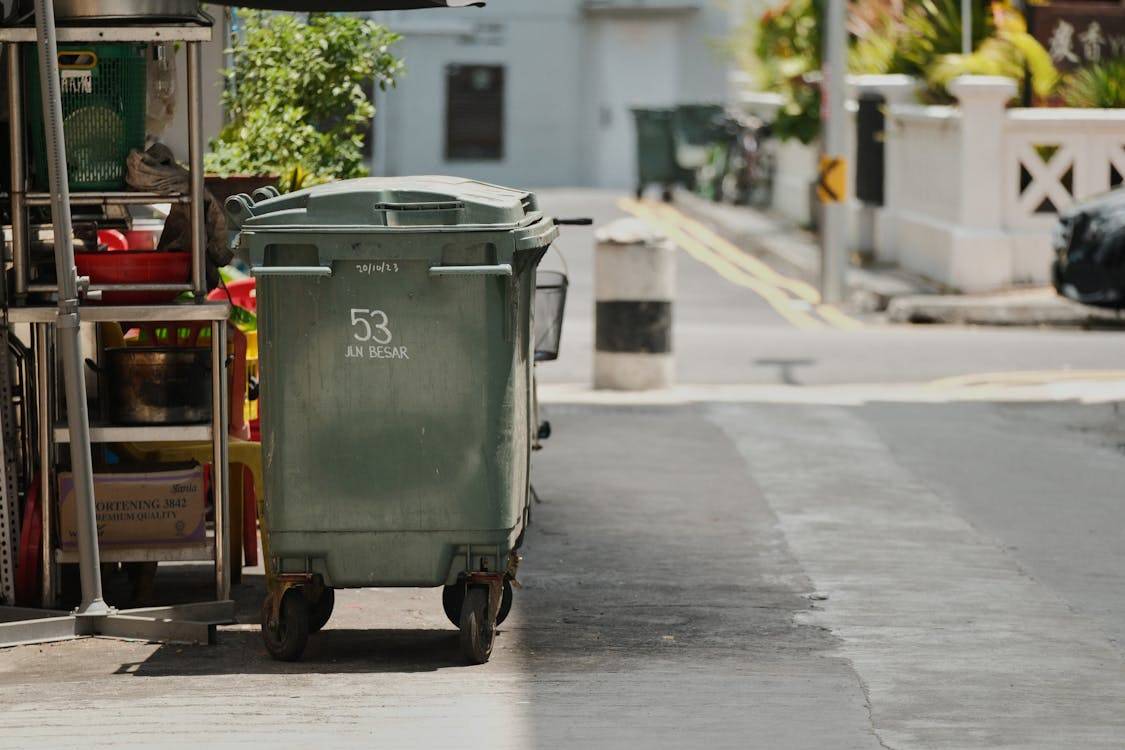
Dumpster services improve cleanup efficiency by giving waste a clear path from the work area to a controlled container. That supports safer walkways, less rehandling, and steadier progress across the project. It can make the site calmer and easier to manage for crews and supervisors.
When you size the container correctly, place it well, and set a simple cleanup routine, the benefits compound. You spend less time chasing debris and more time completing work. With smarter handling and disposal, cleanup becomes a tool for staying on schedule and protecting people.
Keep reading
More from the blog
Gas Line Installation: What Homeowners Need to Know First
Roof Timeline Guide for Buying an Older Utah Home

How to Choose Windows for a Utah Home With a Mountain View