Functional Upgrades That Elevate Every Commercial Space
Functional upgrades play a decisive role in shaping how commercial spaces operate and feel on a daily basis. These improvements influence accessibility, efficiency, and the overall experience for occupants and visitors alike. Thoughtfully planned upgrades strengthen both performance and perception.
Commercial buildings serve diverse groups whose needs change throughout the day. Infrastructure systems must support continuous use without creating friction or delays. Functional upgrades ensure that these demands are met reliably.
Long-term planning often separates successful facilities from underperforming ones. Investments focused on functionality protect building value and usability. This approach reinforces stability rather than chasing short-term visual appeal.
The Role Of Infrastructure In Commercial Environments
Infrastructure forms the foundation of every commercial space, even when it remains largely out of sight. Systems that manage movement, power, and access directly affect how smoothly operations run. Strong infrastructure allows other building features to perform as intended.
Aging systems introduce inefficiencies that disrupt workflows and increase risk. Breakdowns, delays, and accessibility limitations affect both productivity and reputation. Functional upgrades address these weaknesses proactively.
Modern infrastructure supports adaptability across tenants and usage patterns. Buildings remain flexible as expectations and regulations evolve. This adaptability extends the useful life of the space.
Vertical Transportation As A Core Upgrade
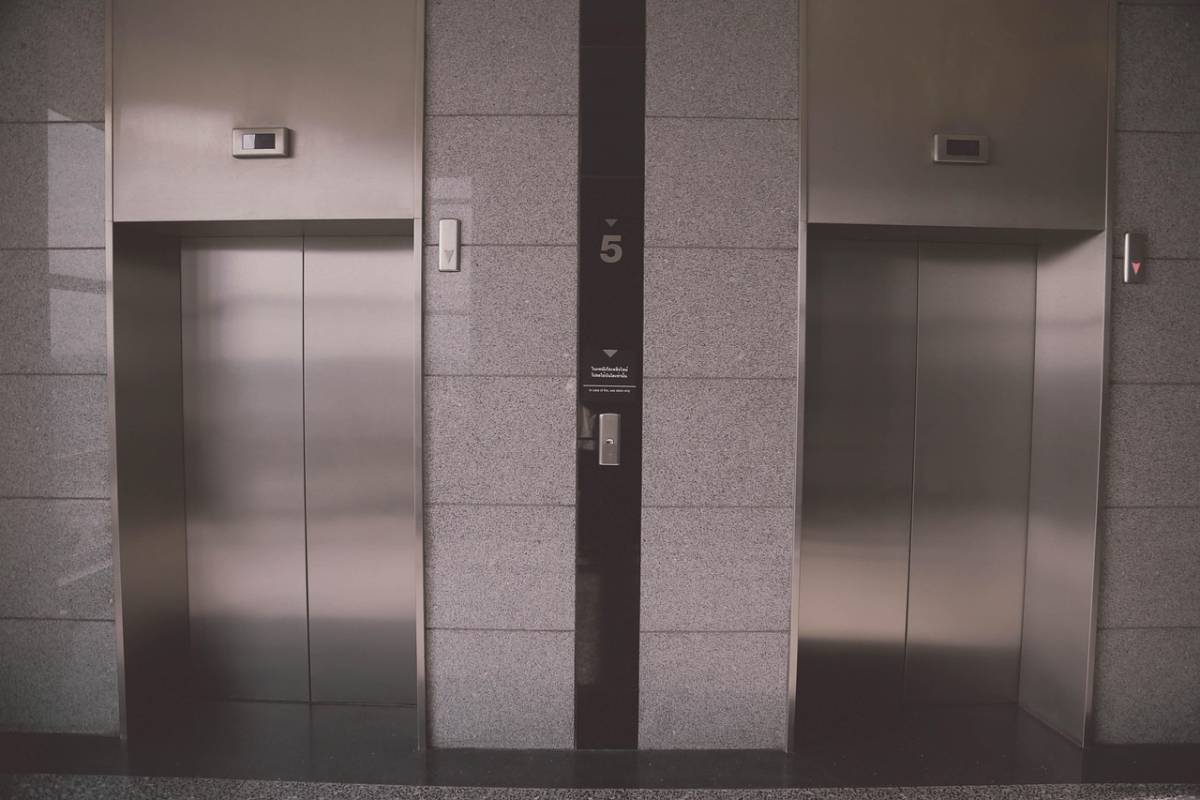
Vertical transportation plays a central role in how people experience multi-level commercial buildings. Efficient elevator systems support smooth circulation and reinforce accessibility expectations, while poor performance quickly becomes noticeable.
The benefits reach both occupants and facility managers. This is why property owners increasingly rely on Commercial elevator services across Michigan to ensure vertical systems align with building demands and regulatory standards. These upgrades improve reliability while supporting safety and long-term performance.
Modernized elevator systems offer improved diagnostics and control capabilities. Maintenance becomes more predictable and less disruptive. Overall performance gains consistency.
Improving Accessibility And User Experience
Accessibility upgrades contribute to smoother navigation for all building users. Clear movement pathways reduce confusion and congestion. These improvements create a more inclusive environment.
Privacy is equally essential to creating dignified, welcoming facilities for all users. Solutions like One Point Partitions provide durable, accessible stall configurations that respect personal comfort while maintaining compliance standards. When building occupants have confidence in facility privacy and comfort, overall satisfaction and productivity increase.
Compliance with accessibility standards protects organizations from legal and operational risk. Functional upgrades align buildings with evolving expectations. Users benefit from safer and more intuitive spaces.
Positive user experience depends on reliability. When systems work consistently, frustration decreases. Confidence in the environment grows.
Technology Integration In Building Systems
Technology integration transforms how building systems are monitored and managed. Functional upgrades often include digital controls that centralize oversight and management. These tools improve responsiveness and efficiency.
Smart systems provide real-time performance insights. Facility teams detect issues before they escalate into failures, and, thus, maintenance planning becomes more strategic.
Integrated technology supports long-term scalability. Since buildings adapt more easily to new tenants or operational changes, flexibility becomes a built-in advantage.
Safety And Reliability Through Functional Design
Safety-focused design underpins every effective infrastructure upgrade. Mechanical reliability reduces the likelihood of incidents that disrupt operations or endanger occupants. Functional design prioritizes consistent performance.
Upgraded systems align with inspection requirements and safety standards. Predictable operation replaces uncertainty. Confidence in system integrity increases.
Reliable infrastructure supports uninterrupted use. Occupants trust shared systems without hesitation. This trust reinforces daily efficiency.
Key Areas Often Targeted For Upgrades
Upgrade strategies often focus on systems that influence circulation, power stability, and access control. Prioritization depends on building age, usage intensity, and risk exposure. Strategic assessment guides decision-making.
Common focus areas include:
-
Vertical transportation systems and control mechanisms
-
Electrical distribution, backup power, and monitoring
-
Access management and security infrastructure
Targeted improvements deliver measurable performance gains. Disruption remains limited when planning is precise. Resources achieve greater impact.
Preparing Buildings For Long-Term Performance
Long-term performance depends on infrastructure that adapts to change. Functional upgrades prepare buildings for evolving operational demands. This readiness protects investment value.
Proactive upgrades reduce reliance on emergency repairs, and maintenance becomes predictable and manageable. By doing so, you improve your operational stability.
Future-oriented systems support efficiency goals. Energy use declines as performance improves. Commercial buildings can remain competitive this way.
Managing Upgrades With Minimal Disruption
Upgrade execution within active commercial spaces requires careful coordination. Planning accounts for tenant schedules and visitor flow. In this scenario, disruption remains minimal.
Phased implementation allows systems to remain operational during work. Upgrades progress without halting daily activities. This way, continuity is preserved.
Experienced service providers manage complexity effectively. When scheduling aligns with operational priorities, results meet expectations.
Functional upgrades elevate commercial spaces by strengthening essential systems. These improvements enhance safety, accessibility, and operational reliability. Long-term value grows.
Buildings that invest in functionality remain resilient. Users experience consistency rather than interruption. Trust develops through performance.
Strategic upgrades support adaptation and longevity. Infrastructure evolves alongside demand. Functional design becomes a lasting advantage.
Keep reading
More from the blog
Gas Line Installation: What Homeowners Need to Know First
Roof Timeline Guide for Buying an Older Utah Home

How to Choose Windows for a Utah Home With a Mountain View