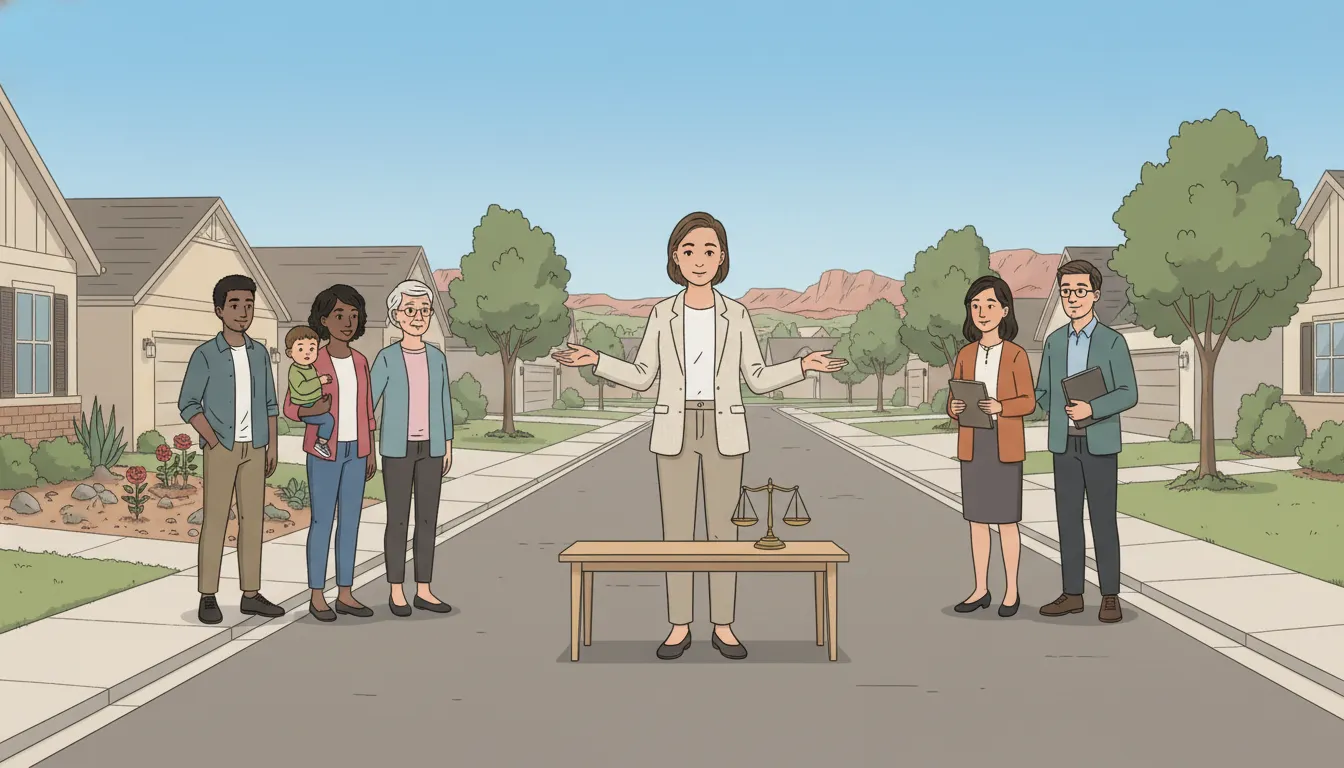
Utah's new HOA ombudsman to help resolve disputes between HOAs and homeowners
Neighborhood disputes over landscaping, paint colors, parking, and common-fee assessments are increasingly common across Utah. The state has responded by launching an HOA ombudsman within the Department of Commerce to help homeowners and homeowners associations navigate those conflicts before they escalate to formal legal action.
Why Utah created an HOA ombudsman
Neighborhood disputes over landscaping, paint colors, parking, and common-fee assessments are increasingly common across Utah. The state has responded by launching an HOA ombudsman within the Department of Commerce to help homeowners and homeowners associations navigate those conflicts before they escalate to formal legal action.
One illustrative example involved a homeowner who installed a low-water landscaping plan and was ordered by the HOA to remove it because the work conflicted with the association's bylaws. Stories like that are typical: complaints range from aesthetics and free-speech questions to unexpected community repair fees and parking enforcement. Those recurring disputes are what prompted the creation of a dedicated office.
What the ombudsman can and cannot do
The new ombudsman will act as an educator, mediator, and advisor. Responsibilities include:
- Explaining the law: Helping homeowners and boards understand the do's and don'ts under Utah law and the association's governing documents.
- Mediating disputes: Facilitating conversations to resolve disagreements before they require attorneys or court filings.
- Providing nonbinding opinions: Offering interpretations when questions arise about who is right and who is wrong, with the goal of preventing escalation.
As one official put it, "These are private contracts at heart. These are contracts between neighbors." That underscores the office's focus: preserving community relationships while clarifying contractual rights and obligations.
New registration and renewal requirements for HOAs
Utah already maintained an HOA registry, but the ombudsman office introduces tighter compliance. All HOAs are now required to re-register on the ombudsman’s website and to renew registration annually. This creates a single point of contact for outreach and education and makes it easier for the state to track trends and recurring problems in community governance.
Practical guidance for homeowners and HOA boards
Whether purchasing a home in a community governed by an HOA or serving on a board, these practical steps can reduce conflict:
- Read the governing documents: Know the CC&Rs, bylaws, and rules before making changes to landscaping, exterior paint, or property use. For a primer on those documents, see What are bylaws and CC&Rs.
- Document requests and approvals: Get approvals in writing and keep copies of communications with the HOA.
- Seek clarification early: If a rule seems vague, ask the board or the ombudsman for guidance before acting.
- Consider mediation: Many disputes are resolved through structured discussion rather than litigation.
- Know the development context: Most new housing in Utah is built inside HOA communities. Buyers considering new construction should factor HOA governance into purchasing decisions; learn more at Buying new construction homes in Utah in 2025.
Why this matters for Utah's housing market
HOAs are an integral part of the state's housing ecosystem as development continues. Clear guidance from the ombudsman may reduce legal costs, protect homeowner rights, and improve the overall functioning of communities. For homeowners considering moves within Utah, HOA rules can affect everything from curb appeal to the long-term cost of ownership.
For additional context about sustainability and community design—issues that often intersect with HOA rules—see Sustainable real estate development in Utah.
Where to get help
Homeowners and HOA boards can reach the Department of Commerce's ombudsman office for information and assistance. The Department of Commerce website also provides contact details and resources for Utah residents: Utah Department of Commerce.
Local real estate resources and neighborhood guides are available at Best Utah Real Estate, which offers market insights and tools for buyers and sellers across the state.
Further reading and resources
- What are bylaws and CC&Rs — A detailed explanation of association governing documents.
- Buying new construction homes in Utah in 2025 — Considerations for buyers entering communities with HOAs.
- Utah Department of Commerce — Official state resources and contact information for the new ombudsman office.
Frequently asked questions
What does the HOA ombudsman do?
The ombudsman provides education, mediation, and nonbinding interpretations of HOA-related laws and governing documents. The office strives to resolve disputes informally and help both homeowners and boards understand legal obligations.
Are HOAs required to register with the ombudsman?
Yes. All homeowners associations in Utah must register on the ombudsman's website and renew that registration annually. The requirement aims to centralize information and improve communication between the state and associations.
Can the ombudsman force an HOA to change a decision?
No. The ombudsman's opinions are advisory and nonbinding. The office focuses on mediation and education to prevent disputes from escalating into litigation. Enforcement still rests with the governing documents, boards, courts, or other legal remedies.
What should buyers know about HOAs before purchasing?
Buyers should read the CC&Rs and bylaws carefully, understand fee structures and special assessments, and ask about any ongoing disputes. New construction communities often include HOAs as part of the development plan, so factor governance into purchasing decisions.
How can homeowners protect low-water or drought-tolerant landscaping plans?
Homeowners should check covenants and architectural guidelines before installing changes, seek written approval when required, and document the design and communications with the board. Engaging the ombudsman early can help clarify whether a proposal aligns with the governing rules and state law.
Keep reading
More from the blog

Gas Line Installation: What Homeowners Need to Know First
Roof Timeline Guide for Buying an Older Utah Home
How to Choose Windows for a Utah Home With a Mountain View