Utah Housing Market Update: Data-Driven Insights for Buyers and Sellers
Explore the latest data on Utah's housing market trends across key counties. Understand price shifts, market dynamics, and expert advice for buyers and sellers in 2025.
Utah's housing market has been the subject of intense scrutiny as national headlines claim that the housing market is on the verge of a crash. However, a deeper analysis reveals a more nuanced picture. This article provides a comprehensive overview of Utah's housing market, focusing on key data and insights that potential buyers and sellers should consider.
Understanding the Current Market Trends
As of May 2025, the data indicates that Utah's housing market is not crashing but rather cooling off. The state has seen significant growth in recent years, particularly in areas like the Wasatch Front and the Intermountain West. However, various counties exhibit differing trends that are essential for buyers and sellers to understand.
Salt Lake County Analysis
In Salt Lake County, single-family home prices have remained stable at $625,000, reflecting a zero percent change from the previous year. Conversely, townhouses and condominiums saw a slight decline, with prices dropping by 2.6% from $435,000 to $423,900. Overall, when combining all properties, there has been a modest 2% increase in housing prices year-over-year.
This stability in single-family home prices suggests that Salt Lake County remains a strong market. However, the decrease in townhouse and condominium prices may indicate an oversaturation of available units, which could impact future pricing trends.
Utah County Overview
Moving south to Utah County, the housing market displays a different trend. Single-family homes are priced at $600,000, up 1.5% from last year. However, townhomes and condominiums have seen a more significant decrease of 6.1%, dropping from $416,000 to $390,706. Overall, Utah County's housing prices have decreased by 2% year-over-year.
This decline can be attributed to a surge in new construction, which has added a substantial number of homes to the market. Such rapid growth often leads to a softer market, impacting prices more significantly in high-growth areas.
Davis and Weber Counties
In Davis County, the housing market shows a robust increase, with single-family homes climbing to $580,000, marking a 6.7% rise from the previous year. Townhomes and condominiums have also increased slightly by 2.7%. This trend reflects the area's proximity to Salt Lake City, making it a desirable location.
Conversely, Weber County has experienced a decline, with single-family homes dropping from $481,000 to $473,000, and townhomes decreasing by 6.3%. Overall, Weber County's market has contracted by 2.5% year-over-year. This disparity underscores the importance of localized market knowledge for buyers and sellers alike.
Washington County Insights
Lastly, Washington County in Southern Utah presents a mixed bag. The average price for single-family homes is $594,500, reflecting a slight decrease of 0.5%. In contrast, townhomes and condominiums have increased by 2.4%, leading to an overall market improvement of 3.7% for all property types.
This growth in Washington County highlights its status as one of the fastest-growing areas in Utah, making it an attractive option for potential homebuyers.
Market Dynamics: Buyers vs. Sellers
Understanding who holds the upper hand in the current market is crucial for both buyers and sellers. With an absorption rate just over four months, the market is in a neutral balance territory. This is a significant shift from the past few years when sellers had the upper hand.
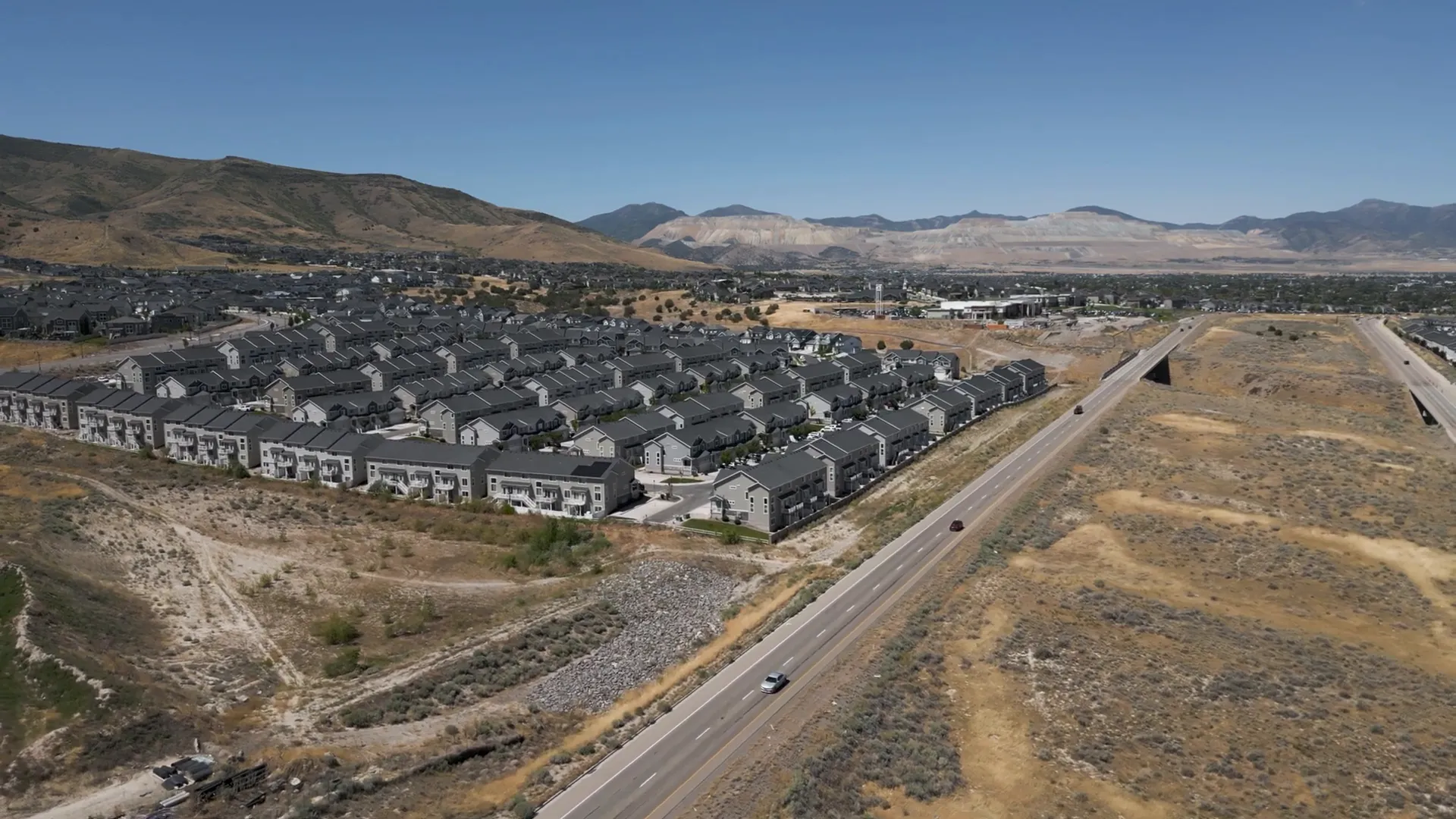
For buyers, this shift means more leverage in negotiations. With a higher number of price reductions and incentives, buyers can secure better deals. For instance, many builders in the new construction sector are offering substantial discounts to attract buyers, including incentives to lower interest rates.
Practical Advice for Buyers
- Focus on Monthly Payments: Rather than just the price of the home, potential buyers should consider monthly payments to assess affordability.
- Negotiate: Buyers should leverage the current market to negotiate price reductions or concessions.
- Look for Growth Areas: Investing in neighborhoods experiencing revitalization can yield long-term benefits.
Guidelines for Sellers
- Price Strategically: Homes should be priced to attract today's buyers rather than chasing past prices.
- Prepare and Stage: Proper staging and marketing, especially through video, can significantly enhance property appeal.
- Offer Incentives: Consider offering rate buy-downs to make homes more attractive to potential buyers.
Conclusion: A Stable Future for Utah's Housing Market
In summary, while Utah's housing market may be experiencing a cooling period, it is far from crashing. The data shows that different counties are affected in various ways, and understanding these nuances can empower both buyers and sellers. The market is stabilizing, which can be beneficial for long-term growth and accessibility.
For those considering a move to Utah or looking to sell their homes, staying informed about market conditions and trends is essential. Engaging with real estate professionals who understand local dynamics can provide invaluable insights and guidance.
For more information on Utah's real estate market, visit Best Utah Real Estate.
Frequently Asked Questions (FAQ)
1. Is it a good time to buy a home in Utah?
With the current market dynamics, buyers have more leverage than in recent years, making it a favorable time to negotiate deals.
2. What factors are driving the housing market in Utah?
Rapid population growth, new construction, and varying demand across counties are significant factors influencing the market.
3. How can sellers make their homes more appealing in the current market?
Sellers can attract buyers by pricing competitively, staging effectively, and offering incentives such as rate buy-downs.
4. What should buyers focus on when purchasing a home?
Buyers should focus on the total monthly payment, negotiate effectively, and consider neighborhoods with growth potential.
Understanding these elements will empower buyers and sellers to navigate Utah's evolving real estate landscape successfully.
Posted by Kristopher Larson
Frequently asked questions
Is it a good time to buy a home in Utah?
What factors are driving the housing market in Utah?
How can sellers make their homes more appealing in the current market?
What should buyers focus on when purchasing a home?
Keep reading
More from the blog

Best Airports for Utah and Colorado Mountain Towns
Types of Metal Roofing: What Homebuyers Should Know

Real Estate Agent Recruiting Companies: How to Choose