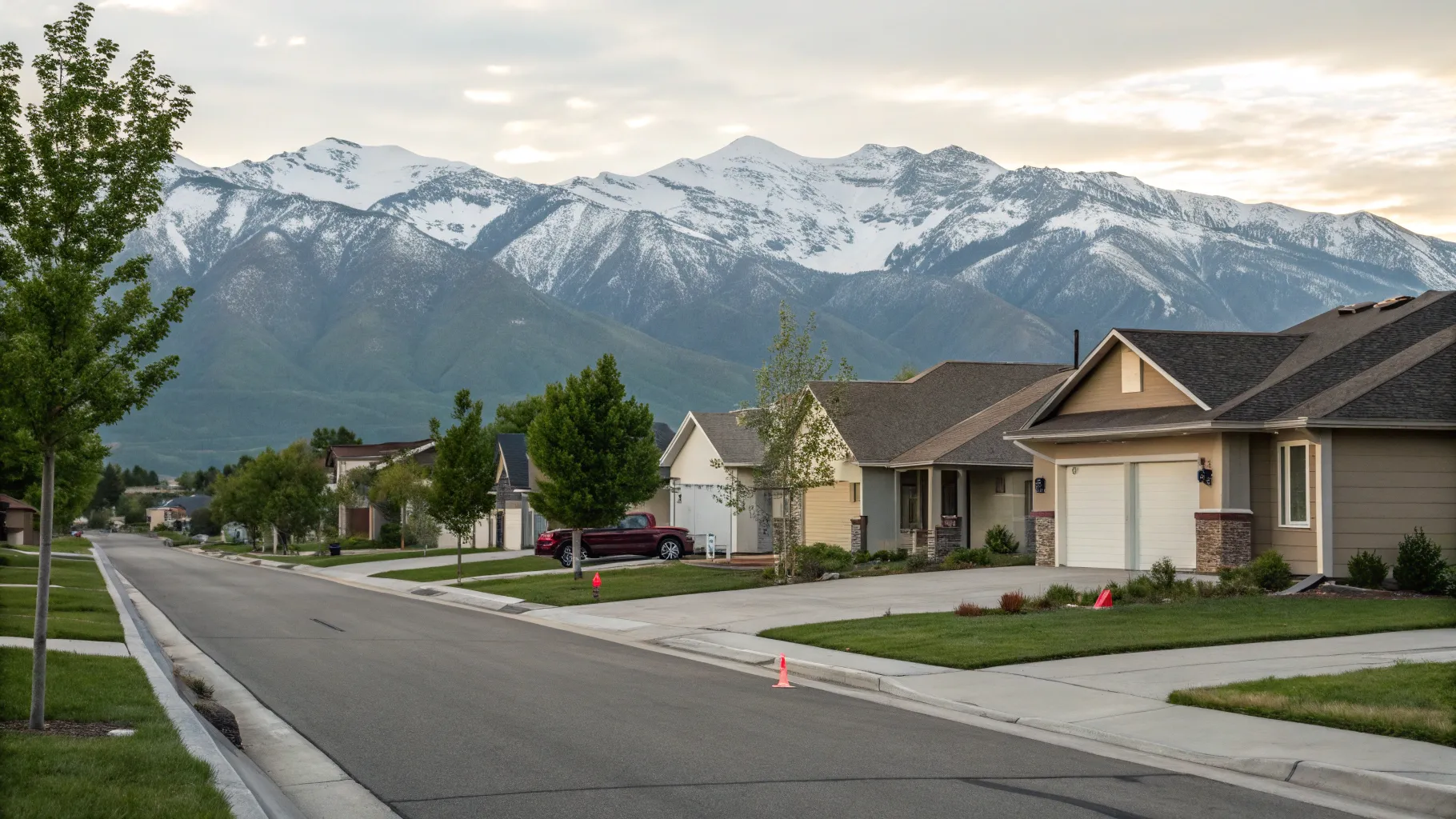
Utah Housing 2025: Inventory Spike, Buyer Leverage & What It Means
Utah's housing market entered 2025 with a pattern break that is catching the attention of buyers, sellers, and investors. After more than a decade of near-constant heat, the spring selling season failed to accelerate and summer did not provide the usual rescue.
Utah's housing market entered 2025 with a pattern break that is catching the attention of buyers, sellers, and investors. After more than a decade of near-constant heat, the spring selling season failed to accelerate and summer did not provide the usual rescue. Inventory along the Wasatch Front has built to roughly 4.25 months of supply, a level not seen since 2018 but carrying a very different meaning today.
What actually changed in 2025
For years, Utah's market behaved predictably: demand surged in early spring, showings peaked in late spring, and prices often pushed higher by early summer. In 2025 that engine barely turned over. More listings entered the market, but buyer activity did not follow. Showings were down, pending sales were flat, and homes sat on the market longer than recent memory would suggest. Price reductions started earlier in the season, and bidding wars were far less common.

That combination — rising supply without matching demand — produced the new inventory figure. But the number itself requires context. Twenty eighteen's 4.25 months of supply matched the broader economic rhythm at that time. Coming off multiple years where Utah hovered between 0.8 and 1.2 months of supply, the market has not had breathing room for a long time. What looks like a "balanced" level on paper feels disruptive now. Sellers are encountering friction, and buyers are experiencing newfound leverage.
How to read months of supply in the current environment
Months of supply measures absorption: how long it would take to sell current inventory if no new listings appeared. Conventional thresholds are useful but not absolute. Typically:
- Under 3 months favors sellers.
- 3 to 6 months is often neutral or balanced.
- Over 6 months leans toward a buyer's market.
At 4.25 months, Utah technically sits in a balanced range. The difference in 2025 is perception. After years of sprinting markets, the system is relearning a steadier pace. That translates into more deliberate buyer behavior and greater opportunity for negotiation.

Why buyers paused
Buyer demand did not evaporate so much as it froze. Multiple forces combined to produce uncertainty and delay decisions:
- Interest rate volatility. Every dip sparked hope; every uptick stalled momentum.
- Wage growth that has not kept pace with cumulative home price gains, tightening affordability.
- Conflicting headlines about crashes versus continued price appreciation, creating mixed signals.
- Purchase fatigue from intense market years in 2022 and 2023, leaving many buyers emotionally exhausted.
- Existing homeowners sitting on low-rate mortgages who are reluctant to trade that rate for a new loan at today’s levels.
These factors create a market where many intended moves are deferred. Buyers who would normally compete aggressively are instead waiting, negotiating harder, or insisting on contingencies and repairs that were harder to keep previously.
Why seller behavior shifted
Seller responses in 2025 were not the two typical extremes — panic listing or aggressive discounting. Instead, hesitation became the dominant theme. Many sellers listed and held to pricing anchored to peak years, particularly 2022, while also resisting rapid price cuts. Homes experienced longer days on market without the emotional reactions that previously produced quick repricing or withdrawal from the market.
The result was "tons of options, but fewer compelling deals." Buyers found more choice but less urgency among sellers, which kept inventory elevated and slowed the pace of sales.
What this means for buyers, sellers, and investors
Buyers
Leverage has returned. Buyers can negotiate on price and repairs, preserve contingencies, and take a more patient approach without fear of missing out on rapid price appreciation. Patience is rewarded for the first time since 2018.
Sellers
Accuracy in pricing and professional marketing now matter more than ever. Aspirational pricing is less effective. Homes that are correctly priced, well-prepared, and professionally presented still sell — and often quickly. Sellers should avoid becoming stale inventory, which can depress final net proceeds.
Investors
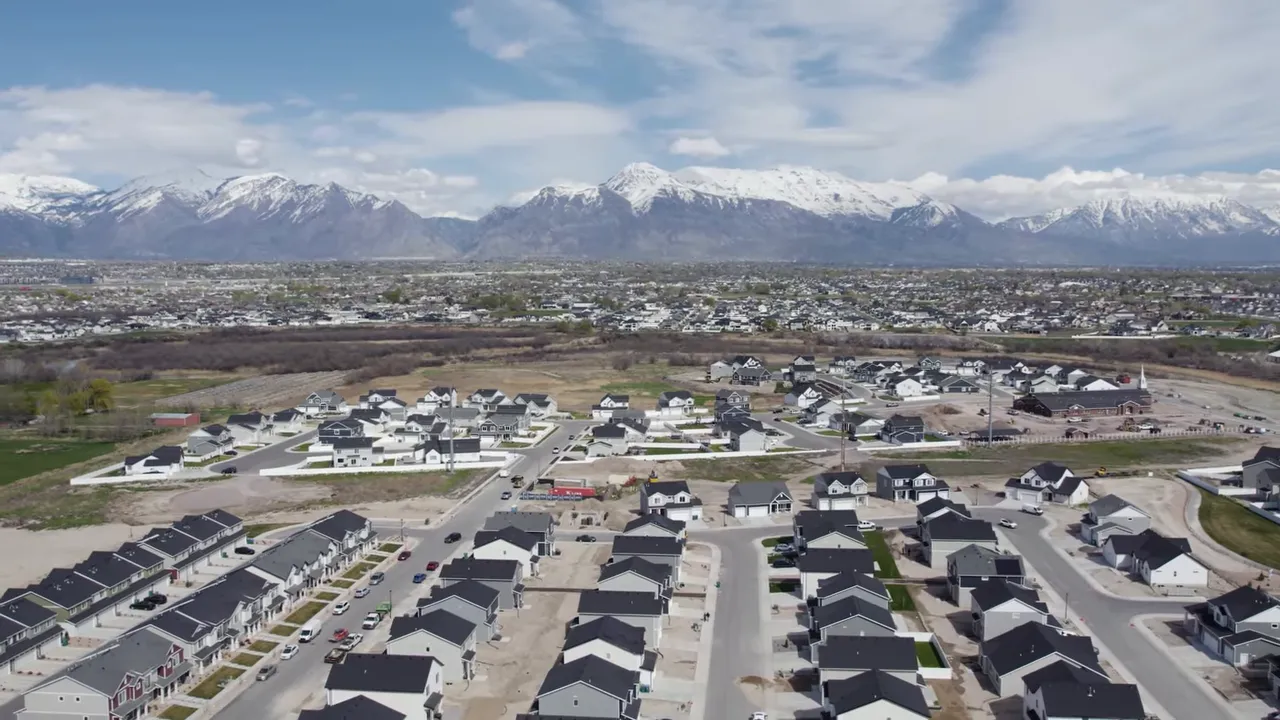
Investors are quietly re-entering the Utah market. Cash buyers have breathing room again, cap rates are stabilizing, and long-term holds are more attractive than they were during the hottest years. These conditions can favor value-focused strategies that move before broader sentiment shifts.
Actionable strategies for each role
For buyers
- Obtain clear financing pre-approval and understand how a new rate compares to any existing mortgage.
- Use inspections and contingency periods to reduce risk rather than waiving protections to compete.
- Work with agents who provide localized absorption-rate and days-on-market analysis for target neighborhoods.
For sellers
- Set realistic expectations using recent comparable sales, not peak-year listings.
- Invest in presentation: curb appeal, decluttering, and targeted marketing to avoid price deterioration from prolonged days on market. See guidance on preparing a home to list.
- Choose marketing professionals who go beyond a sign and MLS entry to avoid becoming stale inventory. Readers can consult a detailed seller's guide at How to Sell Your Home in Utah.
For investors
- Evaluate long-term cash-flow scenarios as cap rates stabilize.
- Consider off-market and cash purchase strategies where competition is lighter.
- Review articles on investment strategies and due diligence such as 7 must-know strategies.
Resources and useful links
To dig into broader data and definitions, consult national housing resources such as the National Association of Realtors for methodology on months of supply and market indicators and the U.S. Census for demographic shifts that influence local housing demand.
Local market readers can explore neighborhood guides and city-specific resources such as the Salt Lake City pros and cons page for context on regional dynamics. For a single-entry hub on Utah real estate listings and services, visit bestutahrealestate.com.
External authoritative references:
Final perspective
Utah's 2025 housing shift is a welcome return to clarity for many participants. The market is not broken; it is recalibrating after years of unusually tight supply. This environment rewards preparation, local data, and patient decision-making. Buyers gain negotiation power. Sellers who price and market correctly still achieve timely sales. Investors who act thoughtfully can find opportunity.
For practical local guides about timing a purchase or preparing a home for sale, consult resources on financing, selling strategies, and neighborhood guides available throughout the site, including mortgage and buyer basics and specialized market reports for Utah cities.
Frequently asked questions
What does 4.25 months of supply mean right now in Utah?
It indicates a return toward a balanced market compared with the extreme seller advantage of recent years. However, after prolonged low supply, that number feels more disruptive than stable. It represents increased friction for sellers and increased leverage for buyers.
Is the Utah market crashing?
No. The shift toward higher inventory and slower velocity represents a normalization and reset, not a crash. Prices are unlikely to collapse broadly; instead, the market is moving toward more balance and clearer price discovery.
Should buyers wait for rates to fall further?
Waiting for rates is a strategy that carries trade-offs. Lower rates improve affordability, but waiting also risks missing specific property opportunities. A qualified lender and an analysis of long-term housing goals will reveal whether acting now or waiting is better for a particular buyer.
What should sellers prioritize in this environment?
Correct pricing, professional marketing, smart staging, and responsiveness to market feedback are essential. Overpricing and passive listing tactics increase the risk of becoming stale inventory and reducing final sale proceeds.
Keep reading
More from the blog

Gas Line Installation: What Homeowners Need to Know First

Roof Timeline Guide for Buying an Older Utah Home

How to Choose Windows for a Utah Home With a Mountain View