Santaquin, Utah: Population, Zip Code (84655), Pros & Cons
Santaquin, Utah (zip 84655): population, Utah County location, Rowley's Red Barn, Nebo schools, I-15 commute times, home prices and honest trade-offs.
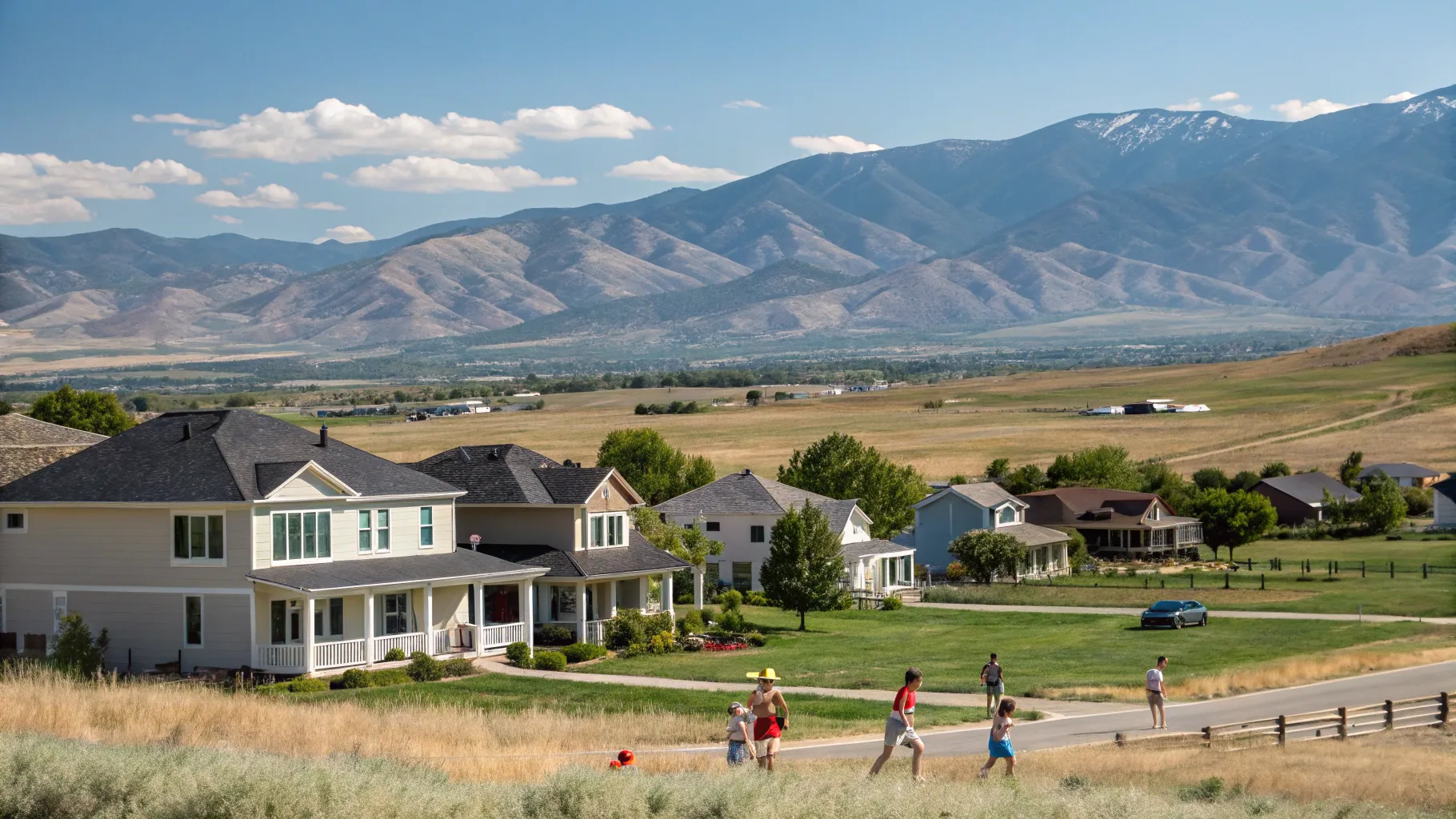
Santaquin sits at the southern edge of Utah County, just past the I-15 / US-6 split where the Wasatch Range opens onto orchard country. For most of its history it was the quiet last stop before the highway dropped into central Utah. That has changed quickly — the city counted 13,725 residents at the 2020 census, up from 9,128 in 2010, and the Census Bureau estimated about 17,500 by 2023. New subdivisions are climbing the foothills, and prices have followed.
Santaquin is in Utah County: nearly all of the city lies in Utah County and the Nebo School District, while a small southern section crosses into Juab County. The whole city uses the 84655 zip code and sits at about 4,990 feet.
The honest question for buyers is not whether Santaquin is a nice place. Most small Utah County towns are. The better question is whether it fits a specific commute, school situation, budget, and lifestyle. This guide covers what to expect, where Santaquin earns its appeal, and where it asks for real trade-offs.
Buyers can also browse current Santaquin homes for sale alongside this guide, or compare against the broader Utah real estate market.
Who Santaquin Is Best For
Santaquin tends to work well for buyers who want a real small-town, orchard-country feel — without giving up I-15 access to Utah County jobs. The current median sale price in Santaquin is $489,000, with 175 homes on the market. That places it noticeably below pricing in Lehi, Highland, or Alpine for comparable square footage.
The strongest fits:
- First-time and value-focused buyers priced out of northern Utah County who still need I-15 access
- Buyers wanting larger lots than typical suburban subdivisions offer, including acreage parcels, horse properties, and rural-feel lots
- Remote and hybrid workers who don't need a daily peak-hour drive
- Buyers comfortable with new construction — Santaquin has active new-construction inventory on the foothill benches
- Households who actually use the outdoors, with Santaquin Canyon, the Nebo Loop, Little Sahara, and Utah Lake all within easy reach
It's a weaker fit for buyers who need a short, predictable daily commute into downtown Salt Lake City; anyone who wants an in-town public middle or high school; or households expecting fully built-out retail and dining.
Santaquin Home Prices: What Buyers Should Know
Affordability is the single biggest reason buyers look at Santaquin. Pricing has risen with the rest of Utah County, but it still represents better dollar-per-square-foot value than most northern Utah County options.
As of the most recent reporting month, Santaquin's market stats are:
- Median sale price: $489,000
- Active listings: 175
- Median days on market: 77 days
- Sale-to-list ratio: 99.0%
Inventory spans 3-bedroom starter homes on the older town grid, new foothill builds with views, and a small but real luxury segment on larger lots. Lower-priced single-family inventory still shows up regularly under $500,000, which is increasingly hard to find anywhere in Utah County.
Neighborhood differences matter
Santaquin is not one uniform market. Foothill subdivisions on the east side of town, such as the Summit Ridge hillside neighborhoods, typically command higher prices and views; the older grid west of Main Street offers lower entry pricing on smaller lots with more mature trees; and newer developments like The Orchards tend to fall between the two. Anyone shopping by Zillow estimate alone will miss most of that range. Utah is a non-disclosure state, so sale prices aren't public record and automated valuations often lag what comparable homes actually sold for.
The Commute Reality
Santaquin sits directly on I-15, and freeway access drives whether the city works for a given household.
When the commute works
For most Utah County workers, the location is workable:
- Spanish Fork: about 12 minutes — closest full-service town for major shopping and dining
- Provo: about 23 minutes north on I-15 in normal traffic
- Lehi / Silicon Slopes: roughly 40–45 minutes off-peak
Remote and hybrid workers, retirees, and anyone working in Utah County south of Provo will typically find the freeway access more than adequate.
When it doesn't
Daily peak-hour commutes to downtown Salt Lake City run 55 to 70 minutes one way, and that's before snow or accidents. The morning northbound stretch from Spanish Fork to Lehi is notoriously congested. Households committing to that drive five days a week should test the actual route at 7:30 AM on a weekday before they buy — not on a quiet weekend.
Schools in Santaquin
Santaquin schools are part of the Nebo School District, which serves most of southern Utah County. The school situation is one of the most important details for families to understand up front:
- Three public elementary schools serve Santaquin directly
- Middle and high school students are bussed to Payson — Santaquin does not currently have an in-town public middle or high school, and Payson High draws from Santaquin, Genola, Goshen, and Elberta
- C.S. Lewis Academy, a K-6 public charter school in Santaquin, offers an alternative at the elementary level
For households with elementary-age children only, this is rarely an issue. For households with teenagers, the daily bus ride to Payson and the loss of in-town high school sports identity are real considerations that often catch new residents off guard.
Safety and Everyday Feel
Santaquin consistently ranks among the lower-crime towns in Utah County. The city feels rural, neighborly, and oriented around long-term residents rather than transients. The typical small-Utah-town mix applies: occasional property crime in the older parts of town, rare violent incidents, and a strong local police presence relative to population size.
The trade-off is the trade-off every small town offers — fewer late-night services, fewer entertainment options, and a strong sense that everyone knows their neighbors.
Rowley's Red Barn: The Local Landmark
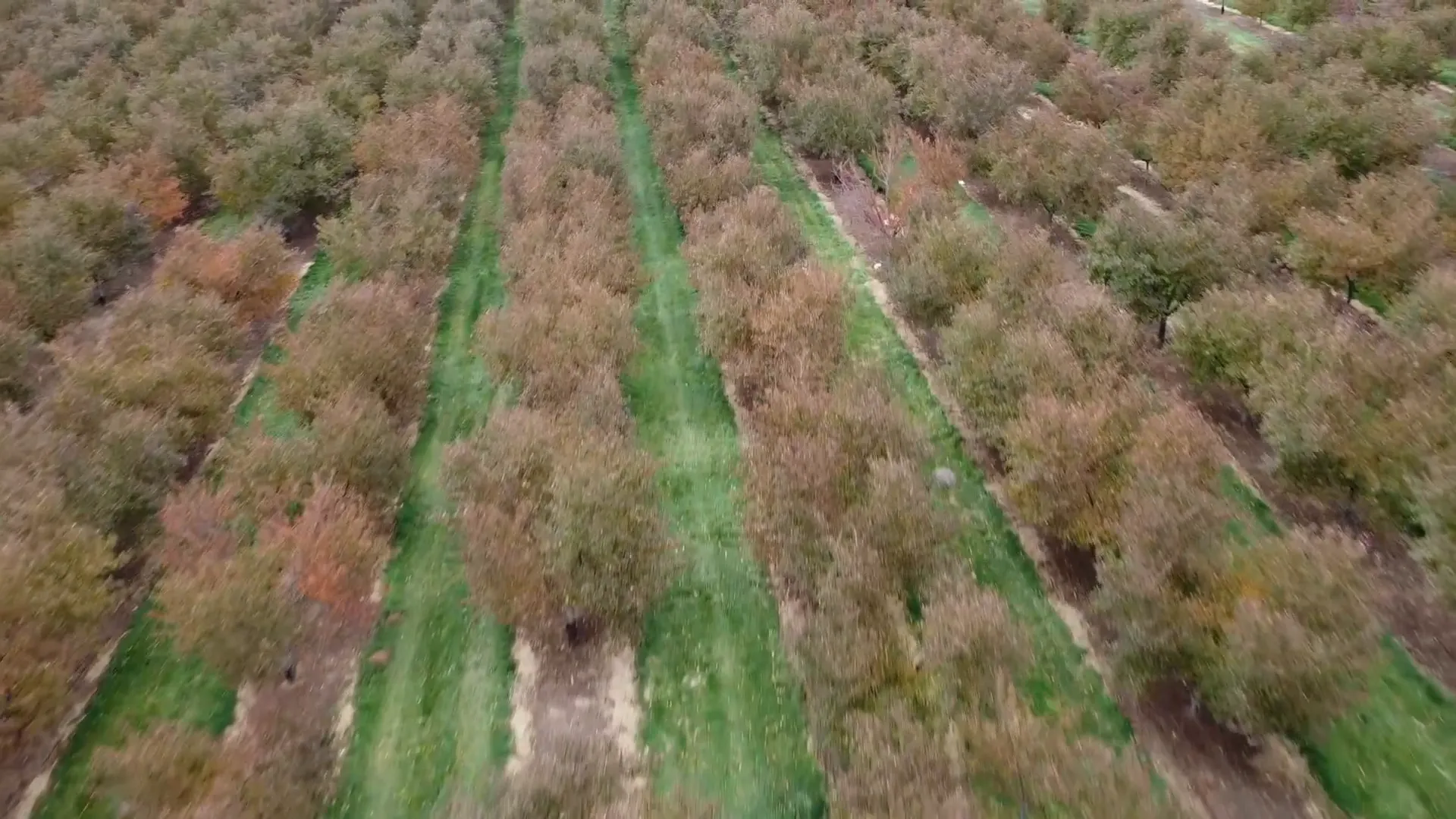
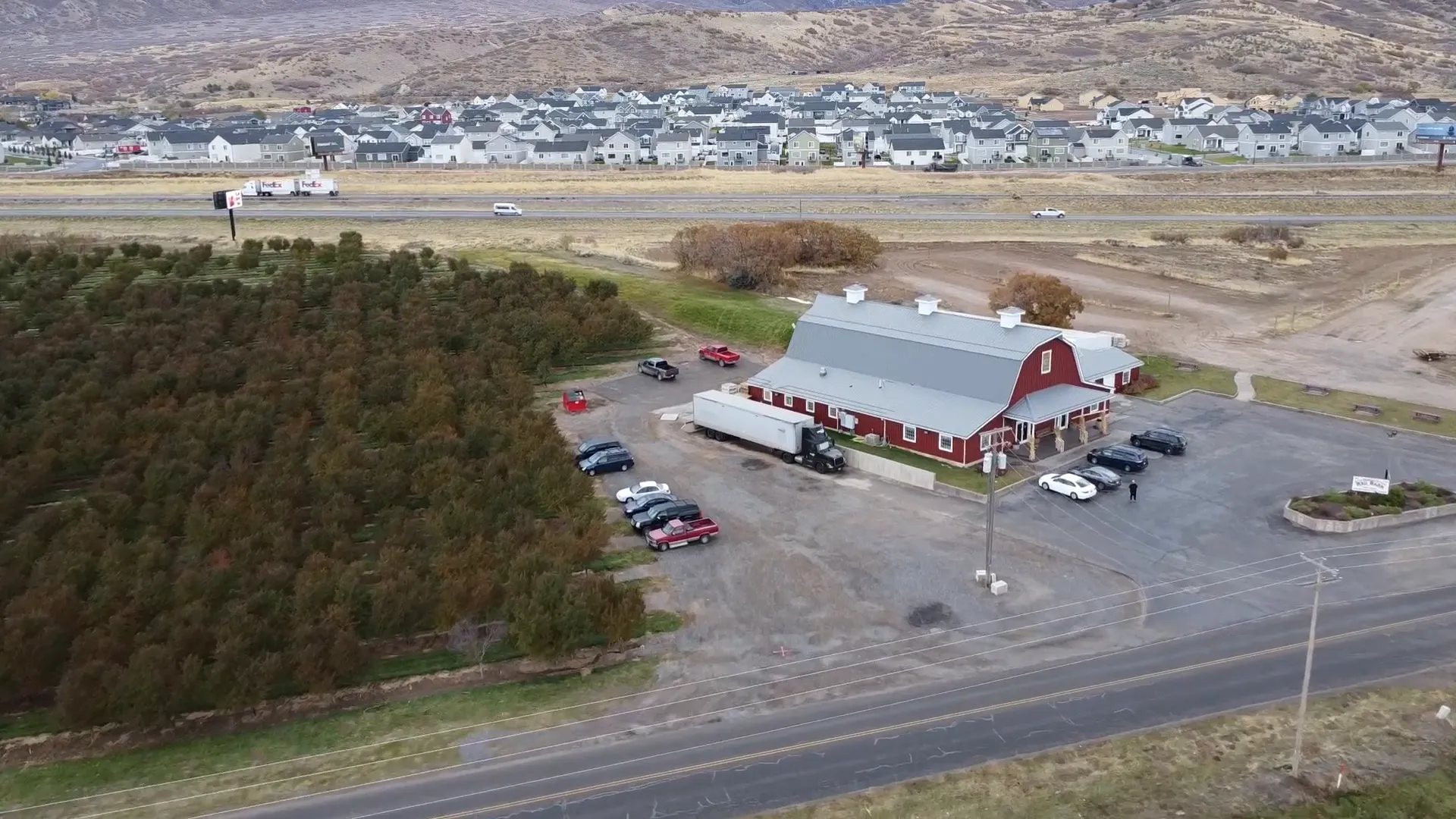
Anyone driving I-15 past Santaquin notices Rowley's Red Barn — the red farm market and orchard operation that has become the city's defining landmark. It is not a tourist trap. It's a working orchard that doubles as the town's commercial and community anchor for produce, baked goods, and seasonal events.
What buyers will find there:
- Peach and cherry harvests in summer, with you-pick options during peak season
- The fall pumpkin patch, which becomes a regional draw every October
- Homemade ice cream and the locally famous apple cider slushes
- A country store stocked with jams, dried fruits, Utah-made gifts, and pantry goods
For most Santaquin households, Rowley's is where out-of-town family is taken first. The 84655 zip code's identity is genuinely tied to it.
Outdoor Access and Recreation
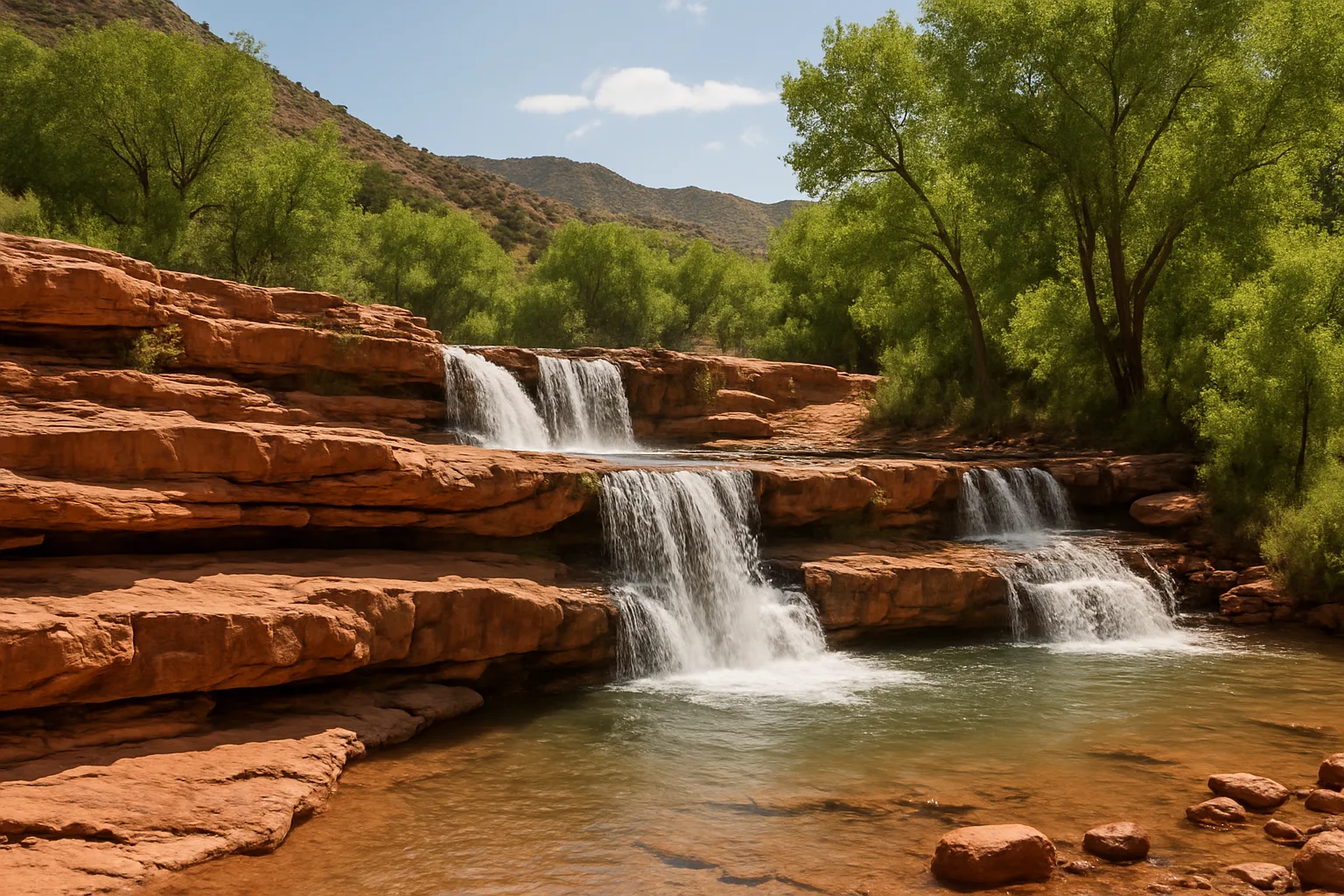
Santaquin's strongest selling point is the outdoors. The city sits at the mouth of Santaquin Canyon, which provides seasonal access to:
- The Nebo Loop Scenic Byway — one of Utah's signature fall-color drives, with hiking, camping, fishing, and hunting along the route
- The Nebo Wilderness Area — protected backcountry on the south flank of Mt. Nebo, the highest peak in the Wasatch Range
- Tinney Flat Campground — inside Santaquin Canyon itself
- Little Sahara Recreation Area — about 38 miles west on US-6 (roughly 40 minutes), the closest major OHV dune destination
- The south end of Utah Lake — fishing, paddling, and shoreline access without the congestion of Provo's lake entries
Worth knowing: the Santaquin Canyon road is seasonal, generally closed in winter. The most popular Mt. Nebo summit trailheads (North Nebo and South Nebo) are accessed from the Payson side of the loop, about 28 miles in. Santaquin Canyon connects to that route but isn't the direct summit approach.
The town itself has parks and youth sports leagues — soccer, baseball, basketball — but if a household's lifestyle revolves around a community rec center, indoor pool, or organized adult programming, Santaquin is light on amenities. The nearest full rec centers are in Payson and Spanish Fork.
Retail and Dining: Honest Expectations
For most of its history, Santaquin did not have a full-service grocery store. That changed in 2020 with the opening of Macey's at 110 N 400 East — a 45,000-square-foot store that became the city's first true grocery anchor. It also houses an Arctic Circle and a Beans and Brews coffee shop inside. For a town that previously sent residents to Spanish Fork for nearly every grocery run, this was a meaningful change.
Beyond Macey's, the retail mix is still thin: a small handful of fast-casual restaurants, gas stations, hardware, urgent care, and the basics. For anything beyond essentials, most residents drive 12 minutes north to Spanish Fork, 10 minutes to Payson, or 25 minutes to Provo.
The dining scene is genuinely limited. Households who eat out a few times a week will spend most of those nights in Spanish Fork or Payson, not Santaquin proper. This is one of the most common "I didn't realize" reactions from new residents — and one of the easiest things to test in advance.
The Real Trade-Off
Santaquin's trade-off is the same trade-off most small Utah County towns south of Provo offer — value and lifestyle in exchange for some convenience and some amenities:
- What buyers get: more home for the money, larger lots, real orchard-country setting, low crime, three in-town Nebo School District elementary schools, fast I-15 access
- What buyers give up: in-town middle and high school, full retail and fine dining, walkable downtown nightlife, and a short commute to Salt Lake City
For value-focused buyers and remote workers, the math often works. For households built around an SLC office commute, dense restaurants, or older established neighborhoods, it usually doesn't.
A Simple Scorecard for Deciding if Santaquin Fits
Before choosing Santaquin, buyers can run a five-part check:
1. Commute reality
Test the actual northbound I-15 drive at 7:30 AM on a weekday. If a daily SLC commute is non-negotiable five days a week, weigh that carefully.
2. School stage
For elementary-age children, Santaquin's in-town schools are close by. For middle and high schoolers, the daily Payson bus is a real consideration — confirm it works for the household before buying.
3. Lifestyle match
Will the household actually use canyon trails, the Nebo Loop, Utah Lake access, and Little Sahara? If yes, the value compounds. If not, those amenities matter less than dining or retail access.
4. Retail tolerance
How often will a 12-minute drive to Spanish Fork for groceries, dining, or routine errands feel acceptable rather than annoying?
5. Growth tolerance
Santaquin is still building out. New subdivisions, road work, and a still-maturing retail base are all part of life here for the next several years.
Common Mistakes Buyers Make Before Moving to Santaquin
- Assuming there's an in-town public middle or high school — there isn't, and kids are bussed to Payson
- Testing the I-15 commute on a weekend instead of a weekday rush hour
- Trusting Zillow estimates in a non-disclosure state — local comparable sales are the only reliable pricing reference
- Expecting full retail and dining inside city limits — Santaquin is genuinely a Spanish Fork / Payson satellite for non-essentials
- Underestimating winter inversion — Santaquin sits in the valley and shares the worst of the Utah County winter air-quality stretches
- Assuming all neighborhoods are similar — the older grid, new foothill subdivisions, and southern developments price and live differently
Is Santaquin a Good Place to Live?
For the right buyer, yes — Santaquin is one of the better value plays in Utah County right now.
It works well for:
- First-time and value-focused buyers
- Households with elementary-age children who use the outdoors
- Remote and hybrid workers
- Buyers who want a real small-town, orchard-country feel without sacrificing I-15 access
It's less ideal for:
- Daily Salt Lake City commuters
- Households with teenagers wanting an in-town high school
- Buyers expecting full retail and dining inside city limits
- Households uncomfortable with active new-construction development around them
Bottom Line
Santaquin makes the most sense for buyers who genuinely want a small-town, orchard-country lifestyle, can absorb the school logistics, and value better pricing over big-city convenience. The commute, the schools, and the retail expectations are the three places that catch new residents off guard — and the three things easiest to test before buying.
For more context on Utah relocations, the broader moving to Utah guide covers statewide considerations, and the things to do in Santaquin guide covers parks, trails, and seasonal events. Anyone serious about Santaquin should also walk through current Santaquin homes for sale and schedule a tour.
Posted by Kristopher Larson
Frequently asked questions
Is Santaquin, Utah a good place to live?
For many buyers, yes. Santaquin has three in-town Nebo School District elementary schools, low crime, more home for the money than northern Utah County, and immediate access to Santaquin Canyon, the Nebo Loop Scenic Byway, and Utah Lake. The trade-offs: middle and high school students are bussed to Payson, retail and dining are thin, and a daily Salt Lake City commute is long.
What county is Santaquin, Utah in?
Santaquin is in Utah County. Nearly all of the city lies in Utah County and the Nebo School District; a small southern section extends into Juab County, which is served by the Juab School District. It is the southernmost city on I-15 in Utah County, about 23 minutes south of Provo.
What is the population of Santaquin, Utah?
Santaquin had 13,725 residents at the 2020 census, up from 9,128 in 2010. The U.S. Census Bureau estimated the population at about 17,500 in 2023, making it one of the faster-growing cities in southern Utah County.
What is the commute from Santaquin to Provo?
Roughly 23 minutes north on I-15 in normal traffic. Spanish Fork is about 12 minutes, Lehi and Silicon Slopes run 40 to 45 minutes off-peak, and downtown Salt Lake City runs 55 to 70 minutes during weekday rush hour. Households relying on a daily SLC commute should test the actual drive at 7:30 AM on a weekday before buying.
Are there public schools in Santaquin?
Santaquin has three public elementary schools in the Nebo School District — Santaquin, Apple Valley, and Orchard Hills — plus C.S. Lewis Academy, a K-6 public charter school. Middle and high school students are bussed to Payson; there is no in-town public middle or high school.
How much do homes in Santaquin cost?
Santaquin's median sale price is around $489,000 as of the most recent reporting month, with 175 active listings and a median of 77 days on market. Inventory spans 3-bedroom starter homes on the older town grid, new foothill builds with views, and a small luxury segment on larger lots.
What zip code is Santaquin, Utah?
Santaquin's zip code is 84655. It covers the entire incorporated city plus the surrounding orchards and rural parcels at the southern end of Utah County.
Santaquin, Utah housing market
A quick read on what homes are doing in Santaquin right now — pulled live from the MLS.
Keep reading
More from the blog
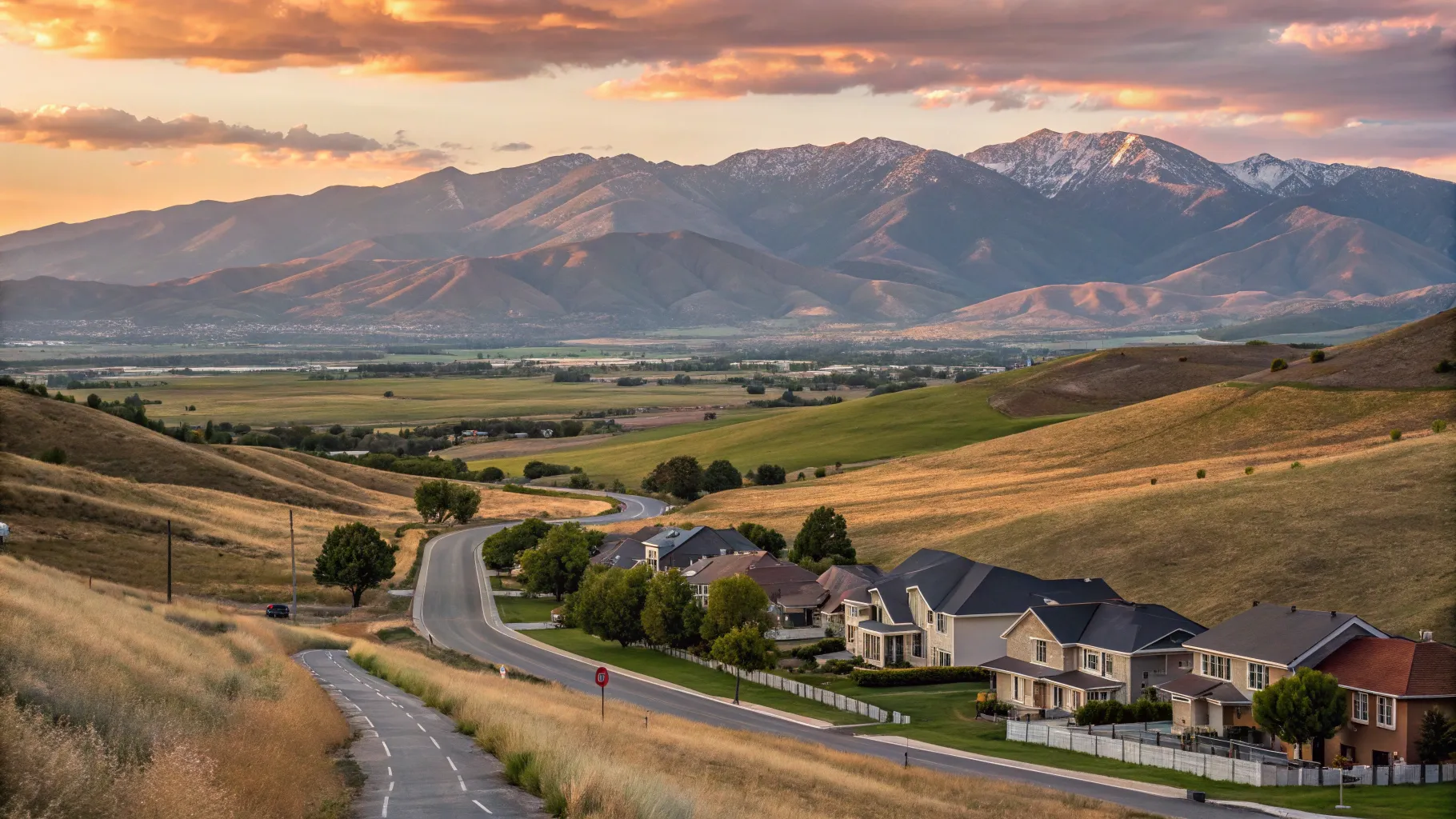
The benefits of small-town living in Santaquin, Utah
What is it like living in Santaquin, Utah?
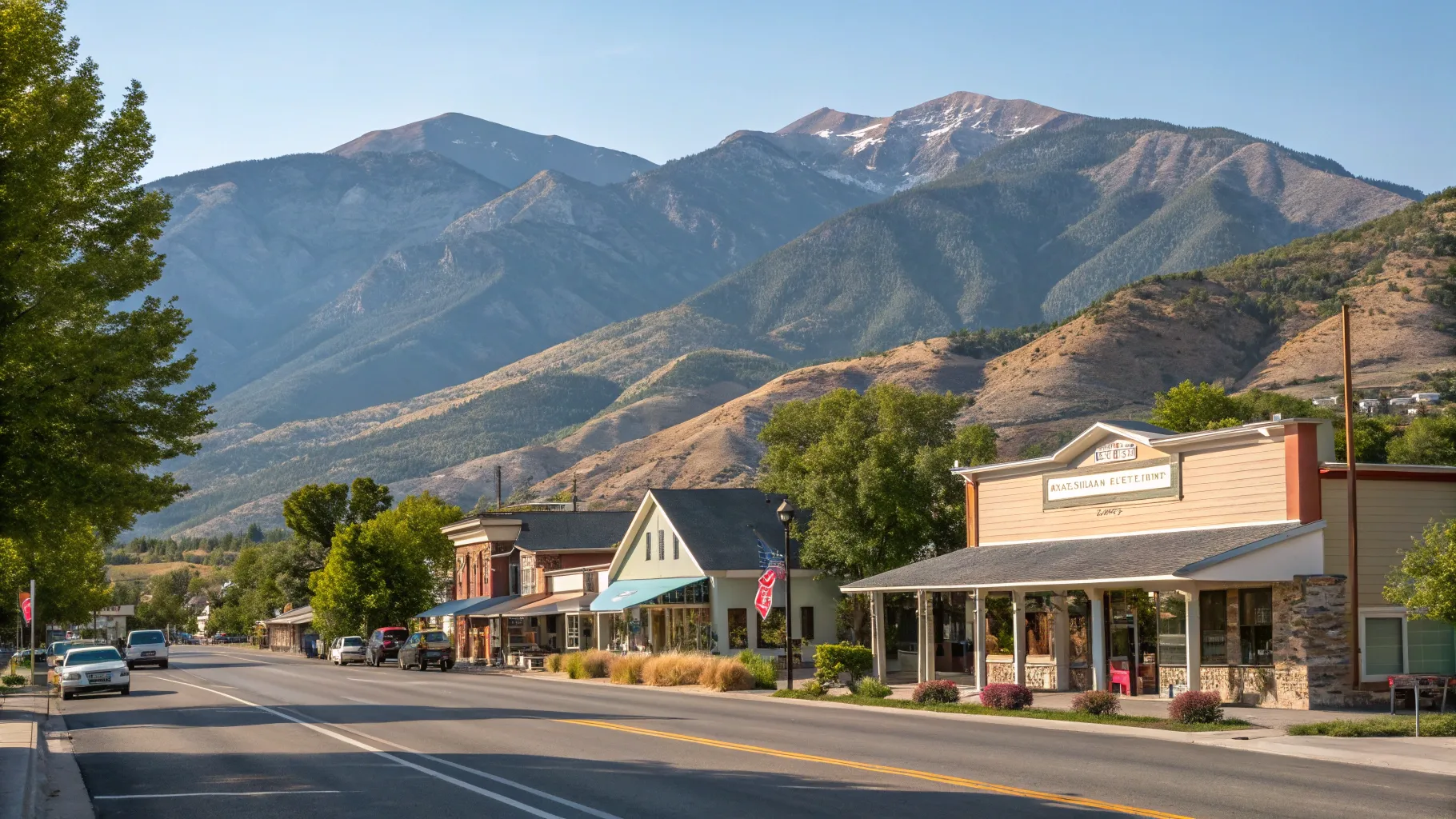
Things to Do in Santaquin, Utah