How Plumbing Conditions Influence Property Value and Buyer Confidence
Plumbing systems play a key role in home inspections, buyer confidence, and long-term property value. Learn how infrastructure impacts real estate decisions.
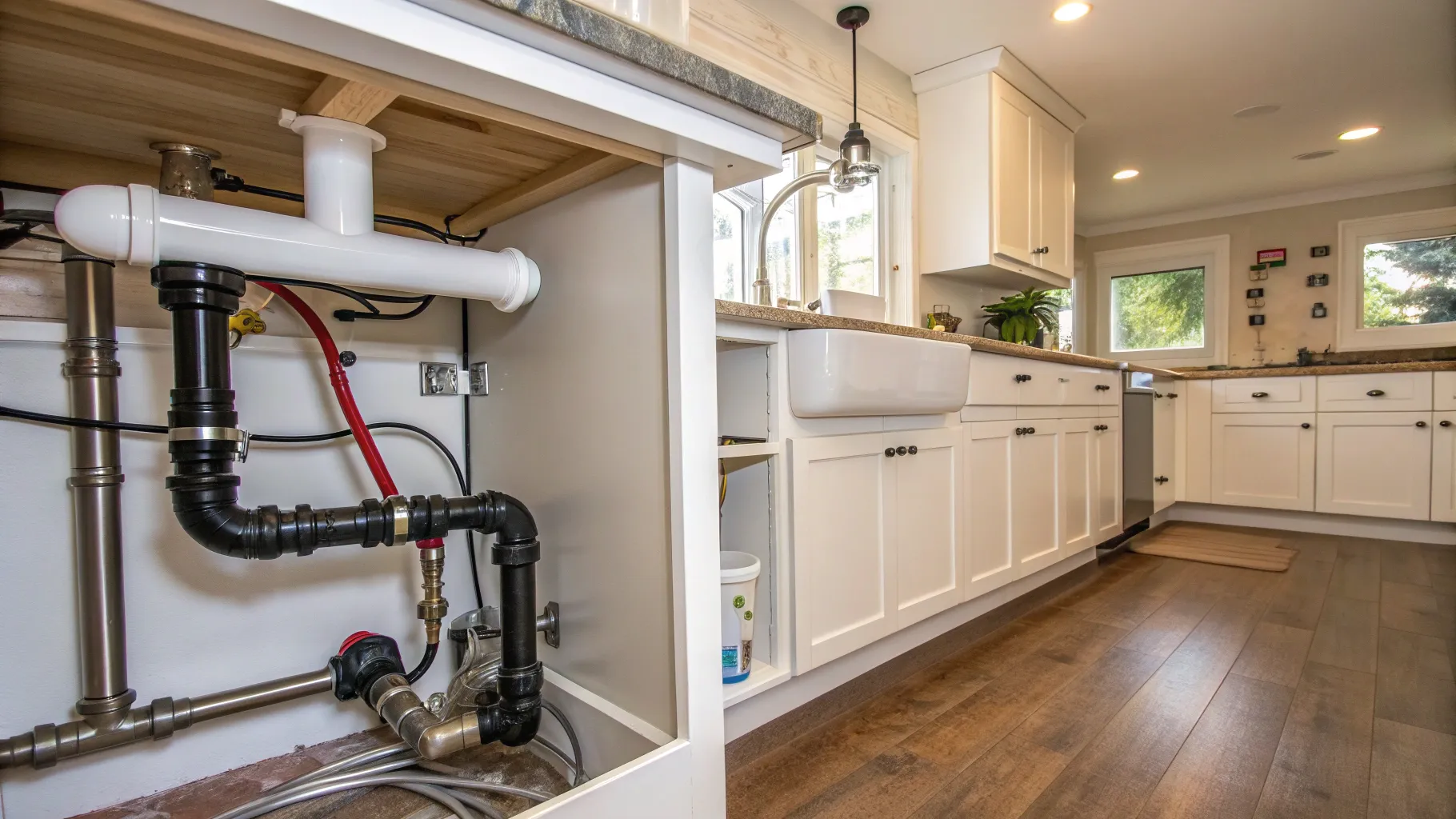
When evaluating residential properties, buyers often focus on visible elements such as layout, finishes, and curb appeal. While these aspects shape first impressions, experienced investors and homeowners understand that long-term value is closely tied to what lies beneath the surface. Plumbing systems, though largely invisible during showings, play a significant role in determining property condition, marketability, and future maintenance costs.
In many cases, buyers begin asking deeper questions once they move past surface-level impressions. Infrastructure quality becomes a deciding factor, especially in urban environments where buildings may share systems or rely on aging components. Reliable plumbing supports everyday comfort and protects a home’s structural integrity, while neglected systems can introduce uncertainty and reduce buyer confidence.
Plumbing as a Critical Factor During Property Inspections
Professional home inspections frequently highlight plumbing-related concerns. Inspectors assess pipe materials, water pressure consistency, drainage performance, and signs of previous leaks or water damage. Even minor issues, such as slow drains or aging shut-off valves, may raise red flags during negotiations.
In competitive real estate markets, buyers often prioritize properties with updated infrastructure to reduce the likelihood of unexpected repairs after closing. Sellers who proactively address plumbing conditions before listing may benefit from smoother transactions, stronger offers, and a more confident buyer pool.
Common Plumbing Issues That Affect Real Estate Transactions
Many residential properties, particularly those built decades ago, still rely on older piping materials that may no longer meet modern performance expectations. Corrosion, mineral buildup, and outdated configurations can limit water efficiency and increase maintenance risks over time.
Water heaters, sump pumps, and main supply lines also influence a property’s appeal. Buyers increasingly seek homes that demonstrate readiness for occupancy, without the need for immediate system upgrades. Addressing these elements early can help position a property more favorably in the market and prevent last-minute complications during closing.
In large metropolitan areas with older housing stock, property owners often consult qualified specialists to evaluate system conditions before listing. This type of assessment helps clarify potential risks and supports more transparent transactions.
Why Infrastructure Improvements Support Long-Term Value
Investing in plumbing upgrades is not solely about preventing future problems; it also enhances a home’s overall livability. Consistent water pressure, efficient drainage, and modern fixtures contribute to a positive daily experience for occupants. These improvements often translate into stronger resale potential and reduced ownership costs over time.
Real estate professionals frequently advise clients to view plumbing improvements as strategic investments rather than expenses. Reliable infrastructure supports both immediate comfort and long-term asset preservation, particularly in markets where buyers are highly inspection-focused.
Preparing Properties for Future Ownership
As buyer expectations continue to evolve, transparency and preparedness remain essential. Properties that demonstrate well-documented maintenance and infrastructure care tend to attract greater interest and stronger offers. Plumbing systems, though rarely highlighted in listings, contribute significantly to that confidence.
By addressing plumbing considerations proactively, property owners can reduce negotiation friction, improve inspection outcomes, and position their homes as reliable long-term investments.
Conclusion
While design trends and market conditions fluctuate, the importance of functional infrastructure remains constant. Plumbing systems quietly support every aspect of daily living, influencing safety, comfort, and value in residential properties.
Understanding the role plumbing plays in real estate transactions allows homeowners, buyers, and investors to make informed decisions that protect both property value and long-term satisfaction. Thoughtful attention to infrastructure ensures that homes are not only visually appealing but also built to perform reliably for years to come.
Keep reading
More from the blog
Gas Line Installation: What Homeowners Need to Know First
Roof Timeline Guide for Buying an Older Utah Home
How to Choose Windows for a Utah Home With a Mountain View