
How Buyers Finance a Home at Auction When They Are Not Paying Cash
Auctions are not just for cash buyers. Learn how to line up pre-approval, choose the right lender, plan the deposit and read the terms of sale before you bid.
Many buyers assume a home auction is only open to people paying cash. That belief keeps qualified buyers away from some of the most interesting properties on the market. In reality, plenty of auction buyers use financing. The difference is timing. At a traditional sale, financing is often arranged after an offer is accepted. At an auction, it needs to be settled before you bid.
Why auctions change the financing timeline
Most auctions close on firm terms. Once the winning bid is accepted, the buyer signs a contract and pays a deposit, and there is usually no financing contingency to fall back on. If the loan falls through, the buyer can lose the deposit.
That is why preparation matters more than the source of funds. A buyer with a solid pre-approval and a lender who understands the timeline can compete on equal footing with a cash buyer. A buyer who waits until after the auction to call the bank is taking a real risk.
Start with a lender who knows auctions
The first step in learning how to buy a house at auction without cash is finding the right lender. Not every lender is comfortable with auction timelines. Ask early whether they have closed auction purchases before, how quickly they can issue a commitment and what they need from you upfront.
Get a full pre-approval, not a basic pre-qualification. A pre-approval means the lender has reviewed your income, assets and credit. Share the property details with the lender as soon as you register to bid, so they can plan the appraisal and any underwriting steps around the closing date. Buyers using government loans should also read what an FHA or VA loan addendum commits each side to, since appraisal rules differ.
Common financing routes for high-end buyers
At higher price points, buyers often use more than one funding source. A conventional jumbo mortgage is one route, but it is far from the only one.
Private banks and wealth managers frequently offer loans secured by an investment portfolio. These can move quickly because the collateral is already known to the lender. Some buyers use a line of credit against another property they own, or a short-term bridge loan that is refinanced into a longer mortgage after closing. Others combine cash for the deposit with financing for the balance.
Timing the deposit is another detail to plan. Many auctions require the deposit soon after the winning bid, often by wire transfer. Make sure those funds are liquid and ready to move, rather than tied up in investments that take days to sell.
Each route has trade-offs in cost, speed and risk. A conversation with a financial advisor and a lender before the auction will show which one fits your situation.
Read the terms of sale closely
Every auction publishes terms of sale. Read them before you register. They set out the deposit amount, the closing timeline, any buyer's premium and whether the sale has a reserve price. These details shape how much financing you need and how fast you need it.
Pay special attention to the closing date. Your lender must be able to fund within that window. If the timeline looks tight, ask the auction team whether there is any flexibility, and ask before bidding rather than after. It also helps to ask the auction team how other financed buyers have handled past sales. They can often tell you which steps tend to take longest and where buyers most often run into delays.
Do your homework before auction day
Financing is only one part of preparation. Use the preview period to inspect the property, review the title report and check any disclosures. For a financed purchase, the lender's appraisal also matters. If the appraisal comes in below the winning bid, you will need to cover the gap yourself. Insurance is easy to overlook. Your lender will require a policy in place before closing, so get quotes during the preview period, especially for waterfront homes or properties in areas with weather risks.
Set a firm maximum bid based on your financing and the property's value. Auctions move quickly, and a clear limit protects you from paying more than your lender, or your own plan, will support. Relocating buyers can also use a home search checklist to keep paperwork organized.
Where financed buyers fit in luxury auctions
Financed buyers are a normal part of luxury property auctions. Concierge Auctions, which sells high-end homes worldwide in partnership with Sotheby's International Realty, publishes the terms for each property and holds a preview period so registered bidders can inspect the home and line up their funding in advance. Buyers who do that work early can bid with confidence, whatever the source of their funds. After the auction, stay in close contact with your lender and the closing team until the funds are released.
Paying cash is one way to buy at auction. Being prepared is the more important one. A buyer who arrives with a pre-approval, a lender who knows the timeline and a firm bidding limit is ready to compete for the property they want. If you are weighing Utah options, browse homes in Midway or West Jordan.
Frequently asked questions
Can you use a mortgage to buy a home at auction?
What happens if my financing falls through after winning an auction?
Is pre-approval or pre-qualification better for auction bidding?
What financing options do high-end auction buyers use?
What if the appraisal comes in below my winning bid?
Keep reading
More from the blog

Should a Utah Seller Accept an FHA or VA Offer? What the Loan Addendum Commits Each Side To
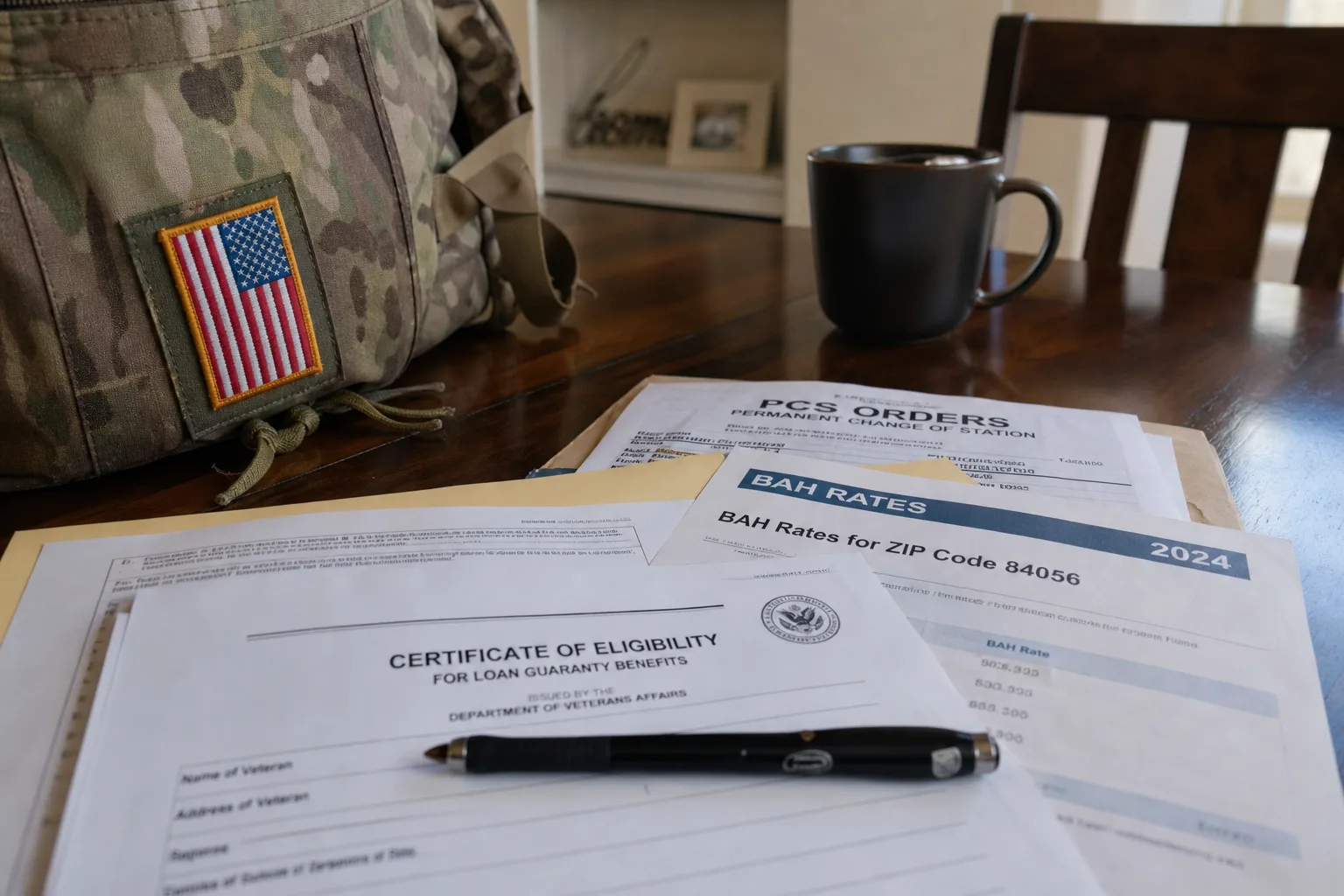
PCS Orders to Utah: Home Search Checklist for Military Families

How Bridge Design Improves Mixed-Use Development Connectivity