
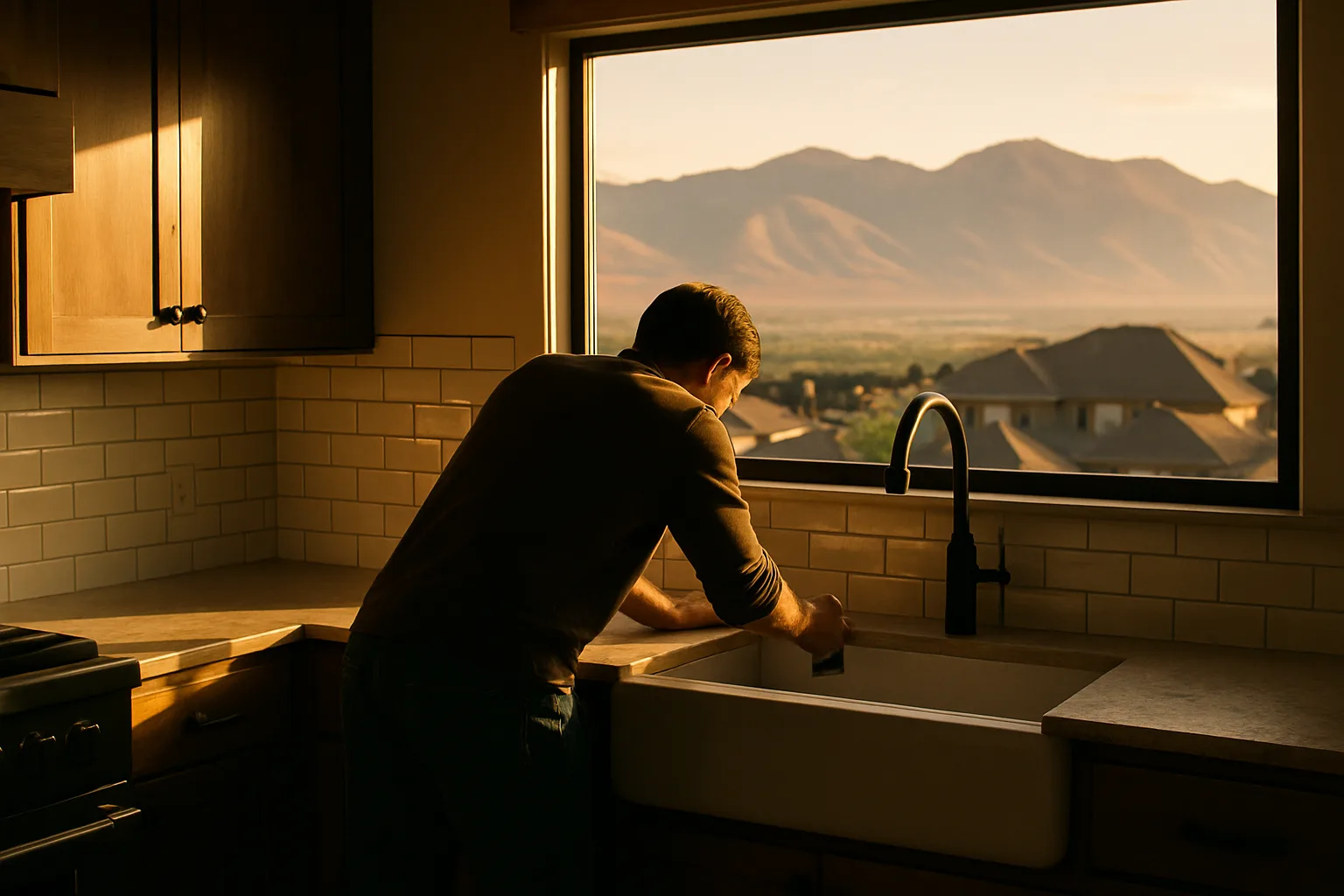
High-Impact Repairs That Strengthen Market Appeal
Getting a home ready to sell is not about spending the most. It is about choosing fixes that signal care, reduce buyer risk, and survive appraisal and inspection. Focus on projects that look great on listing day and still matter at the closing table.
Getting a home ready to sell is not about spending the most. It is about choosing fixes that signal care, reduce buyer risk, and survive appraisal and inspection. Focus on projects that look great on listing day and still matter at the closing table.
Curb Appeal That Signals Care
First impressions start on the street. Clean lines, fresh paint on trim, and a quiet garage door tell buyers the home has been maintained. Small upgrades like new house numbers, a modern mailbox, and crisp edging around beds make photos pop and open-house traffic feel optimistic.
Well-lit walkways and a tidy entry rug guide visitors in with ease. Replacing tired mulch with a fresh layer adds contrast and makes plant colors stand out.
Pressure-wash paths and siding to remove the film that dulls even good paint. If the porch has room, add one simple planter to frame the door without clutter. These touches hint at a home where routine care is already part of the story.
Roofing Repairs That Reassure Buyers
The roof frames every exterior photo and shapes a buyer’s first judgment about risk. Professionals from Distinctive Roofing say that strategic repairs like replacing lifted shingles, sealing flashing, and correcting ventilation can calm inspection anxiety and keep negotiations on track. Back those fixes with documentation and a transferable workmanship note so buyers see value, not just a new color from the street.
Address minor sagging or soft spots early so they do not invite bigger questions during the walk-through. A clean roofline paired with fresh gutters signals that water management is under control.
Before listing, take updated photos so improvements show clearly in marketing materials. Think about a pre-listing inspection to surface any remaining gaps and handle them on your terms. Small, well-documented repairs can shift a buyer’s mindset from caution to confidence.
Energy Performance Buyers Can See
Utility costs are top of mind, and buyers want proof they will not inherit a money pit. A national program recently marked a milestone by surpassing 250,000 official Home Energy Scores, which hints at how mainstream energy labeling has become.
Use that cue to tighten attic insulation, weather-strip doors, and service HVAC, then share recent bills and a simple one-page summary so shoppers can picture lower monthly costs.
Exterior Systems With Outsize Payoff
Water is the enemy of deals. Address gutters, downspouts, and grading so rain moves away from the foundation.
Refresh caulk and sealant at siding joints, windows, and penetrations to reduce drafts and leaks. If fascia or soffit boards show rot, replace them now - buyers read those edges as a proxy for care.
A respected remodeling survey noted that new roofing ranks among the highest satisfaction projects and is frequently recommended to sellers by real estate pros.
Even if a full replacement is not required, a clean inspection report after targeted roof work can keep your timeline and price intact.
Straighten any sagging gutter runs so drainage looks intentional, not improvised. Clear debris from downspout extensions and guarantee they discharge several feet from the house.
Where soil has settled, add a gentle slope to keep water flowing in the right direction. Touch up chipped paint on exterior trim to prevent small gaps from turning into water traps.
Fix What Fails Inspections First
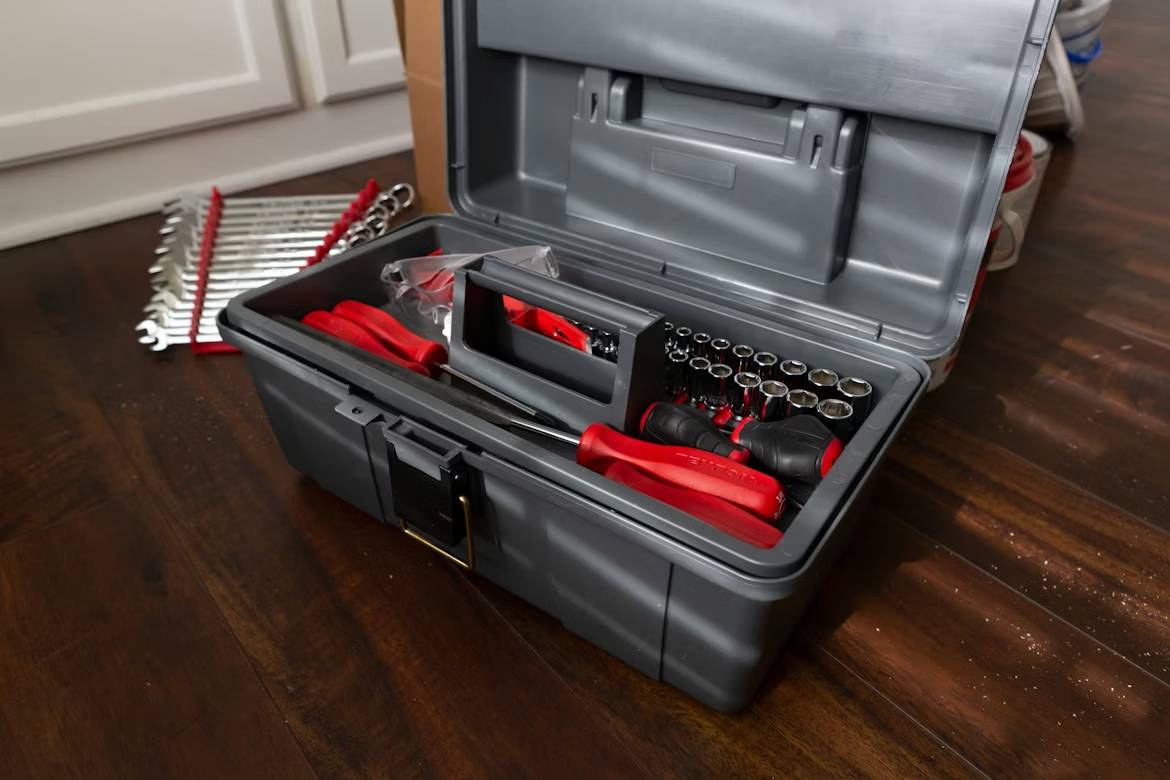
Most contracts flex or fracture around the same problem areas. Tackle these before photos and showings.
-
GFCI outlets were required, and tidy electrical panels with clear labels
-
Properly trapped and vented drains, no slow leaks under sinks
-
Smooth-opening windows with intact locks and fresh seals
-
Handrails that are secure and staircase lighting that actually helps
-
Smoke and CO detectors with recent batteries and visible test dates
These fixes are not flashy, but they eliminate easy objections and shorten the path from offer to close.

Image source:https://pixabay.com/photos/diy-do-it-yourself-981404/
Show The Work And Reduce Friction
Good documentation sells twice - once online and again during negotiations. Keep a simple folder with dates, invoices, warranties, and before-and-after photos for major repairs. Label images so buyers and their agents can match each fix to a line on the inspection summary.
At the showing stage, create a one-page repair highlights sheet. Lead with roof and water control items, then energy improvements, then safety and code updates.
This order mirrors buyer concerns and frames the home as move-in ready without sounding like a sales pitch.
Consistent organization reassures buyers that you’ve maintained the home with intention rather than reacting only when problems appear.
A clear paper trail can shorten due diligence debates and prevent small issues from becoming leverage points. During walkthroughs, place the documentation where it’s easy to see but doesn’t interrupt the natural flow of the tour.
A well-prepped house tells a simple story. Clear roof lines, dry edges, solid systems, and visible energy upgrades reassure buyers and appraisers at the same time. Choose the few repairs that remove doubt, document them well, and let the home’s best features do the rest.
Keep reading
More from the blog

Gas Line Installation: What Homeowners Need to Know First
Roof Timeline Guide for Buying an Older Utah Home
How to Choose Windows for a Utah Home With a Mountain View