Living in Duchesne, Utah: Pros, Cons, Weather & Where It Is
Pros and cons of living in Duchesne, Utah: where it is, weather, land and home prices, Starvation Reservoir, schools and the drive to Roosevelt.
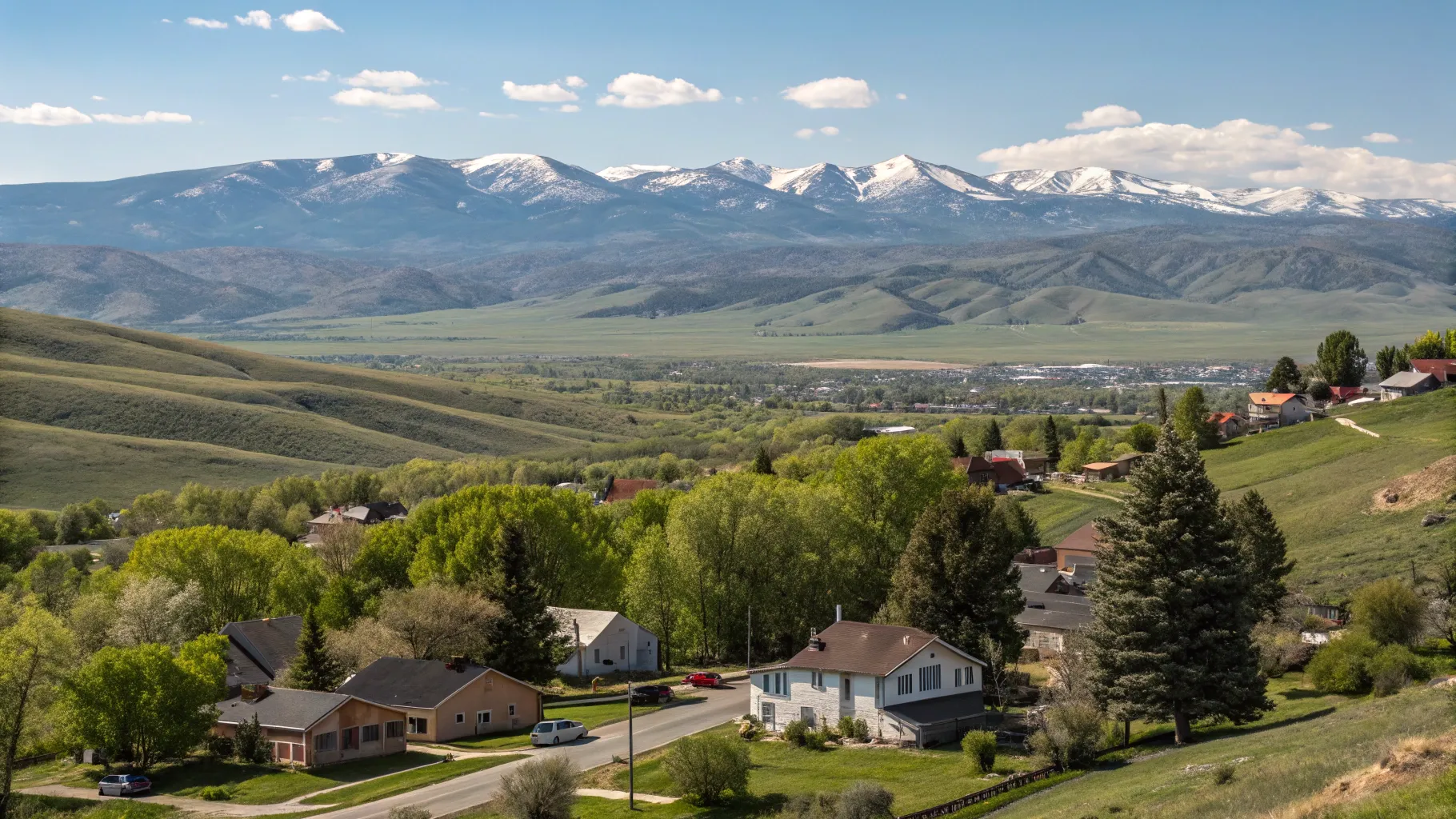
Duchesne, Utah, is a small county-seat town on the west side of the Uinta Basin, about 1,600 people at the 2020 Census, sitting at roughly 5,700 feet where the Strawberry River meets the Duchesne River. It calls itself the "Gateway to the Uinta Basin," and the name fits: US-40, US-191 and SR-87 all meet here, so it is the first real town drivers reach coming east from Heber City or north from Price. Buyers browsing homes for sale in Duchesne usually find more land and lower prices than anywhere on the Wasatch Front.
The better question is not whether Duchesne is a good place to live in general, but whether its trade-offs fit the way a household actually works, commutes and spends its weekends. Here is an honest look at both sides.
Where Is Duchesne, Utah?
Duchesne is the county seat of Duchesne County, in northeastern Utah. Settlers arrived in 1905, the town was first called Theodore, and it was chosen as county seat by popular vote in 1914. A few distances that shape daily life:
- Roosevelt: about 28 miles east on US-40, the county's largest city and home to the regional hospital.
- Vernal: roughly 58 miles east, past Roosevelt.
- Salt Lake City: about 120 miles and roughly two hours west on US-40 through Strawberry and Heber City.
- Price and Helper: reached south over the Indian Canyon Scenic Byway (US-191), a 43-to-47-mile mountain road that crosses a pass near 9,100 feet.
Who Duchesne Is Best For
- Buyers who want acreage, horse space or a shop without paying Wasatch Front land prices.
- Households tied to Uinta Basin work, including oil and gas, ranching, county government and the trades.
- Anglers and boaters who want a large reservoir minutes from home.
- Remote workers with reliable internet who are comfortable driving for big shopping trips.
It is a weaker fit for anyone who needs a hospital in town, wants walkable restaurants and shopping, or plans to commute to Salt Lake or Utah County every day.
Pros of Living in Duchesne
1. Land and Housing Costs
Housing is the main draw. Many listings come with room to spread out: larger lots, outbuildings and space for animals or equipment. The current median asking price for active Duchesne listings is $300,000. Rural subdivisions such as Utah Mini Ranches and Sundance West, are where many of the larger parcels show up. Buyers focused on space can start with Duchesne homes with acreage or horse properties.
Sales are thin in a town this size, often only a handful a month, so a single sale can swing any monthly average. Comparing the specific homes that sold nearby tells a buyer far more than a citywide number.
2. Starvation Reservoir Next Door
Fred Hayes State Park at Starvation sits about four miles northwest of town. The reservoir covers about 3,500 acres, and Utah State Parks calls it one of the state's premier walleye fisheries, with fish over 10 pounds caught every year. It also holds smallmouth bass, yellow perch and several kinds of trout, plus campgrounds and boat ramps. For many residents it is the after-work spot in summer.
3. Mountains and Rivers Within Reach
The Duchesne River runs past town, and the city maintains a riverwalk. North of town, the Ashley National Forest leads into the High Uintas. Upper Stillwater Campground, just below the dam at about 8,000 feet, is a trailhead into the High Uintas Wilderness. Strawberry Reservoir, one of Utah's best-known trout waters, sits on US-40 on the way to Heber City.
4. Small-Town Services That Cover the Basics
For its size, Duchesne covers more than many towns. The city runs a seasonal swimming pool (roughly Memorial Day to Labor Day), there is a branch of the Duchesne County library with story hours and summer reading, and the UBMC Clinic on 200 South handles everyday care, with a pharmacy. The Duchesne County Fair is held in town every August and is the biggest event of the year.
Cons of Living in Duchesne
1. The Hospital Is in Roosevelt
The nearest hospital is Uintah Basin Medical Center in Roosevelt, about 28 miles away. Specialists and larger procedures can mean a trip to the Wasatch Front. Households that see doctors often should map those drives before buying.
2. Shopping and Dining Take a Drive
Duchesne covers everyday errands, fuel and a few places to eat, but bigger shopping happens in Roosevelt or Vernal, and most residents make a Wasatch Front run now and then. Public transit is minimal, so a reliable vehicle (and often a second one) is part of the budget.
3. Cold Winters and Winter Ozone
NOAA's 1991–2020 normals put Duchesne's average January low near 10°F and the high near 33°F, with about 29 inches of snow a year. Summers are pleasant, with July highs in the high 80s and only about 9.5 inches of total precipitation a year.
The bigger winter issue is air. Utah's Division of Air Quality notes that cold-air inversions over snow, combined with emissions mostly from oil and gas, can produce high ozone in the lower Uinta Basin. The EPA designated the area below 6,250 feet, which includes Duchesne, as a nonattainment area for ozone in 2018. Buyers with respiratory concerns should look at winter conditions before committing.
4. An Economy Tied to Oil and Gas
Duchesne County describes its economy as livestock plus oil and gas, and energy jobs rise and fall with world oil prices. Booms bring work and rentals that fill fast; slowdowns can mean layoffs and softer home demand. The proposed Uinta Basin Railway, which would carry crude out of the basin, has federal approval, but financing and construction were still pending at last report.
5. A Long Commute to the Wasatch Front
About two hours each way to Salt Lake City is not a daily commute for most people, and the Indian Canyon route to Price is a mountain road that can be slow in winter. Duchesne works best for people whose jobs are in the basin or who work remotely.
Schools in Duchesne
Duchesne is part of Duchesne County School District, which serves about 5,300 students across the county. In town, Duchesne Elementary covers kindergarten through sixth grade, and Duchesne High School (the Eagles) serves grades 7 through 12 in a building that opened in the mid-2000s. Students come from Duchesne, Bridgeland, Utahn, Strawberry and Fruitland. For college, Utah State University's Uintah Basin campus has locations in Roosevelt and Vernal. Families should check current test scores and course offerings directly with the district, since small schools can vary a lot year to year.
Safety and Everyday Feel
Duchesne has no city police department; the Duchesne County Sheriff covers the town. Town-level crime statistics are not published separately, so any precise "crime rate" quoted for Duchesne should be treated with caution. Day to day, it feels like what it is: a quiet ranching and energy town where people know their neighbors and most activity centers on school sports, the fair and the reservoir.
A Simple Scorecard for Deciding if Duchesne Fits
1. Where is the paycheck?
A job in Duchesne, Roosevelt or the oil fields makes the town easy. A job in Salt Lake or Provo makes it hard unless it is remote most days.
2. How often does the household need a doctor?
The clinic in town handles routine visits; anything more means Roosevelt or a longer drive.
3. Will the land actually get used?
Acreage is the main reason to buy here. Horses, gardens, a shop or toys that need parking all make the trade-offs worth it.
4. Is winter a deal-breaker?
Single-digit lows, snow and some inversion days are normal from December through February.
5. How does the budget handle energy swings?
Households whose income depends on oil and gas should plan for slower years, not just boom years.
Common Mistakes Buyers Make Before Moving to Duchesne
- Visiting only in summer. January shows the real cold, the roads and the air.
- Assuming every lot has water rights. Irrigation shares and well rights vary by parcel and are worth confirming in writing.
- Skipping the internet check. Remote workers should confirm the provider and speed at the exact address.
- Using a citywide average to price a home. With few sales, nearby comparable homes matter far more.
- Underestimating drive time. Hospital, big-box shopping and the airport are all trips, not errands.
- Ignoring the road in winter. Rural lots on unpaved or private roads can be slow to plow.
The Real Trade-Off
What buyers get: more land for the money, a top walleye reservoir four miles away, the High Uintas in the backyard and a slower pace.
What buyers give up: a hospital in town, shopping variety, a short drive to the Wasatch Front and clean winter air on inversion days.
Bottom Line
Duchesne makes the most sense for buyers whose work is in the Uinta Basin or online, who want acreage, and who will actually use Starvation, Strawberry and the Uintas. Anyone weighing it should spend a winter week in town, drive to Roosevelt for an errand and check the commute in January before deciding. Those comparing nearby options can also look at homes in Roosevelt, and the guide to things to do in Duchesne covers the recreation side in more detail. Buyers on a tighter budget can browse Duchesne homes under $300k.
Posted by Kristopher Larson
Frequently asked questions
Where is Duchesne, Utah?
Duchesne is in northeastern Utah on the west side of the Uinta Basin, at the junction of US-40, US-191 and SR-87. It sits where the Strawberry River meets the Duchesne River, about 28 miles west of Roosevelt and roughly 120 miles (about two hours) east of Salt Lake City.
Is Duchesne the county seat of Duchesne County?
Yes. Duchesne was chosen as county seat by popular vote in 1914, the same year Duchesne County was created. Roosevelt is the county's largest city.
What is the weather like in Duchesne, Utah?
Duchesne has a dry, high-desert climate at about 5,700 feet. NOAA's 1991–2020 normals show January highs near 33°F and lows near 10°F, July highs in the high 80s, about 9.5 inches of precipitation and roughly 29 inches of snow a year. Winter inversions can bring high ozone to the lower Uinta Basin.
Is Duchesne a good place to live?
It suits buyers who want land at lower prices, work in the Uinta Basin or remotely, and enjoy fishing and the outdoors. The main drawbacks are the drive to a hospital in Roosevelt, limited shopping, cold winters and an economy that follows oil and gas prices.
How much do homes in Duchesne cost?
The current median asking price for active Duchesne listings is $300,000. Only a few homes sell each month, so nearby comparable sales are a better guide to any one property than a citywide figure.
What schools serve Duchesne?
Duchesne County School District runs Duchesne Elementary (K–6) and Duchesne High School (grades 7–12, the Eagles) in town. Utah State University's Uintah Basin campus has locations in Roosevelt and Vernal.
Keep reading
More from the blog
Beyond the Main Canyon: Lesser-Known Spots Near Zion National Park
Kayenta Art Village in Ivins: Galleries, Festivals and Living Nearby
New Trails Around St. George: Cliffrose, the Zion Corridor Trail and More