Creative Ways to Incorporate Plants into Your Home Decor
From bold statement plants and stylish pots to vertical wall gardens and low-light varieties, this guide offers creative ways to bring greenery into every room of your home.
Indoor spaces often feel cold without a touch of nature. Adding living elements transforms an ordinary room into a comfortable sanctuary. Greenery changes how light interacts with your furniture and creates a relaxing atmosphere. You can try multiple styling methods to find what fits your layout.
Making a Bold Statement
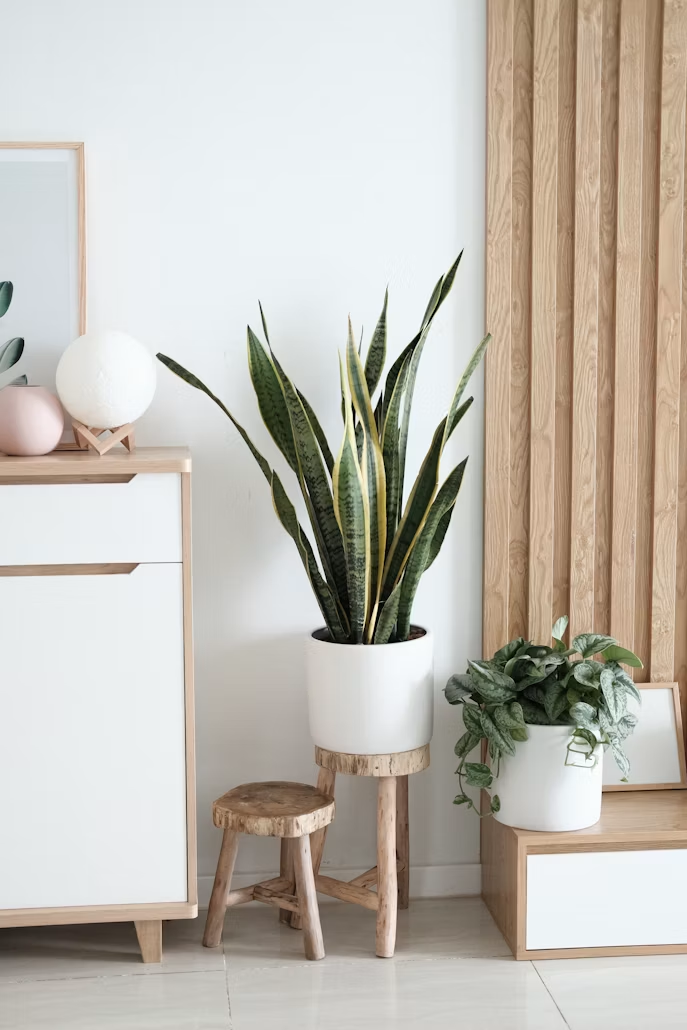
Big floor pieces grab attention immediately when someone walks into a room. A report from a retirement association suggests viewing a major plant as an actual piece of furniture. This mindset helps you pick a species that matches the scale of your tables and couches.
A tall fiddle-leaf fig or a wide monstera fills empty corners beautifully. These large selections block ugly cords or awkward wall joints. Placing them near a window maximizes their visual impact.
You can use spotlights to cast dramatic shadows on the wall at night. This lighting technique adds depth and turns a simple corner into a main feature. If you're planning a broader refresh before listing your home, pairing bold greenery with other design details buyers notice during a home tour can make a strong first impression.
Selecting the Perfect Pots
Finding the right container changes how your greenery looks. Working with a large planter specialist helps you discover options that match your interior design. The right choice keeps your green friends healthy and stable.
Heavy ceramic pots offer excellent weight for top-heavy trees. Lightweight resin alternatives let you move things around when you want a change. Selecting neutral colors allows the leaves to stand out.
Drainage holes protect your choices from accidental overwatering. Look for options that match your saucers to keep your floors clean. Proper sizing leaves room for root growth over the next 2 years.
Hydration Tips for Fresh Cut Stems
Bringing outdoor branches inside adds an instant seasonal feeling to your dining area. An agricultural extension article recommends soaking fresh cuttings in cold water for up to 24 hours before arranging them. This step keeps the foliage looking crisp for a longer period.
Trimming the stems at an angle helps them absorb moisture efficiently. You can use glass vases to show off the clear water and clean stems. Changing the water every 2 days prevents odor and decay.
Removing lower leaves prevents them from rotting beneath the water line. This simple maintenance task keeps the display fresh and beautiful. Hardwood branches like eucalyptus or olive stems can last for weeks with this care.
Utilizing Vertical Wall Space
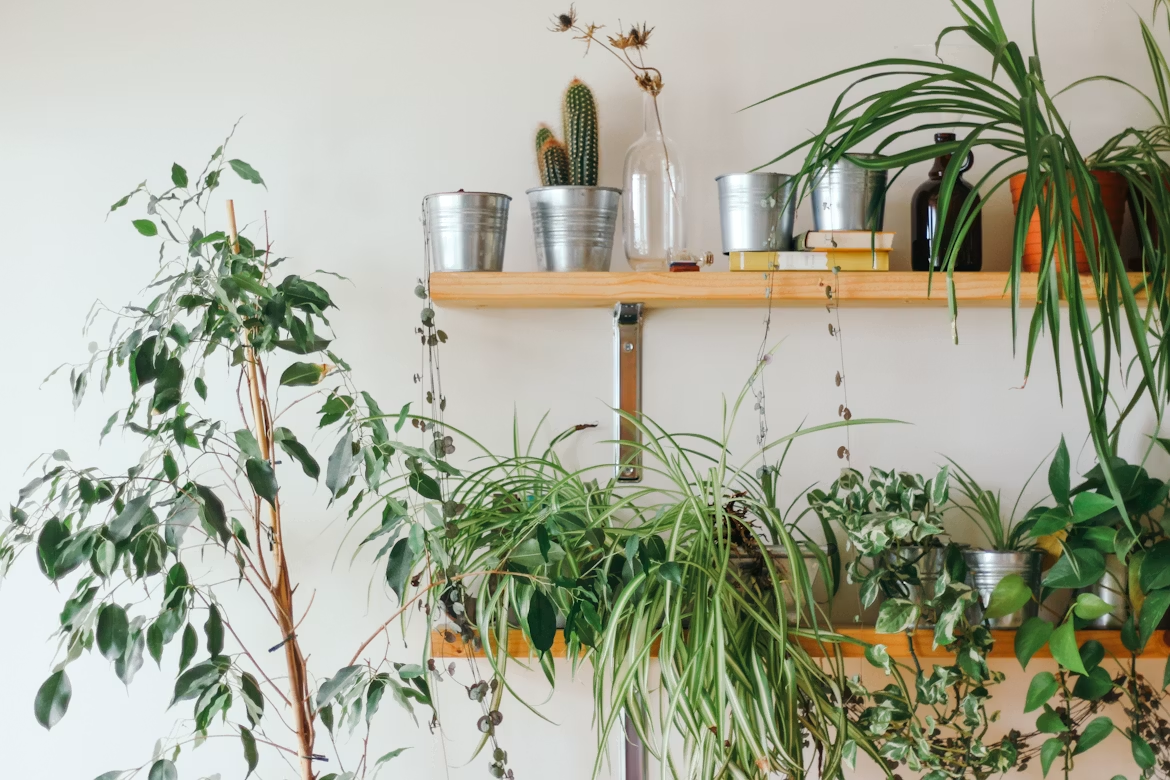
Floor space gets crowded quickly in smaller apartments or narrow hallways. Floating shelves offer an excellent alternative for displaying trailing vines. Pothos or ivy varieties cascade down beautifully from higher levels.
Wall-mounted pockets turn bare drywall into a living feature. You can position these pockets near entryways to welcome guests with a touch of nature. Pocket systems work well when you use lightweight potting mixes.
Wooden ladders leaned against the wall offer a creative tier system. You can place small planters on each rung for an indoor kitchen garden.
Hanging baskets attached to ceiling hooks keep floor pathways completely clear. Adjusting the cord length lets you hang them at eye level. This method creates a layered look when combined with floor pots.
Combining Different Textures
Mixing distinct leaf shapes prevents your collection from looking repetitive. Pair fuzzy leaves with shiny surfaces to create contrast. Grouping items in odd numbers like 3 or 5 pleases the eye.
Certain leaf types offer distinct design benefits throughout your home:
Spiky snake plants provide strong vertical lines.
Round jade leaves offer a soft appearance.
Feathered ferns add a delicate touch.
Varying the heights of your stands creates a mini jungle effect. Put smaller pots on books to elevate them. This technique gives each item its own moment in the spotlight.
Woven baskets can hide plain plastic pots quickly. This trick saves money since decorative containers can cost over $50. It allows you to swap seasonal colors easily throughout the year.
Selecting Varieties for Low Light
Many rooms lack bright southern exposure windows throughout the day. Darker corners still accommodate certain low-maintenance varieties without issues. Cast iron plants tolerate deep shade and infrequent watering schedules.
ZZ plants thrive under standard fluorescent office lights. Their glossy dark foliage looks polished even without direct sun. These options require minimal attention from busy homeowners.
Overwatering remains the biggest danger for shade-loving varieties. Soil dries slowly when sun exposure is limited. Check the moisture depth with your finger before adding water.
Tabletop Arrangement Methods
Dining tables and desks benefit from small green accents. Low-profile dishes filled with succulents keep sightlines open across the table. This setup permits easy conversation during dinner parties.
A single Monstera leaf in a sleek bottle creates a minimalist look. This approach costs very little and lasts for weeks. It works perfectly on narrow mantels or nightstands.
Terracotta pots bring a warm earthy tone to modern white desks. The clay material breathes well and prevents root rot. Mixing pot materials adds character to a workspace.
Decorating with greenery allows for endless personal expression in your home. Moving pots around refreshes your style without costing a dime. Start with 1 or 2 hardy options and expand your collection naturally over the seasons. Your living spaces will feel more inviting with every new leaf. If you're preparing your Utah home for sale, thoughtful plant styling pairs well with broader curb appeal improvements that help a listing sell, and simple upgrades like these can complement other home upgrades that increase Utah property value.
Keep reading
More from the blog

Gas Line Installation: What Homeowners Need to Know First

Roof Timeline Guide for Buying an Older Utah Home

How to Choose Windows for a Utah Home With a Mountain View