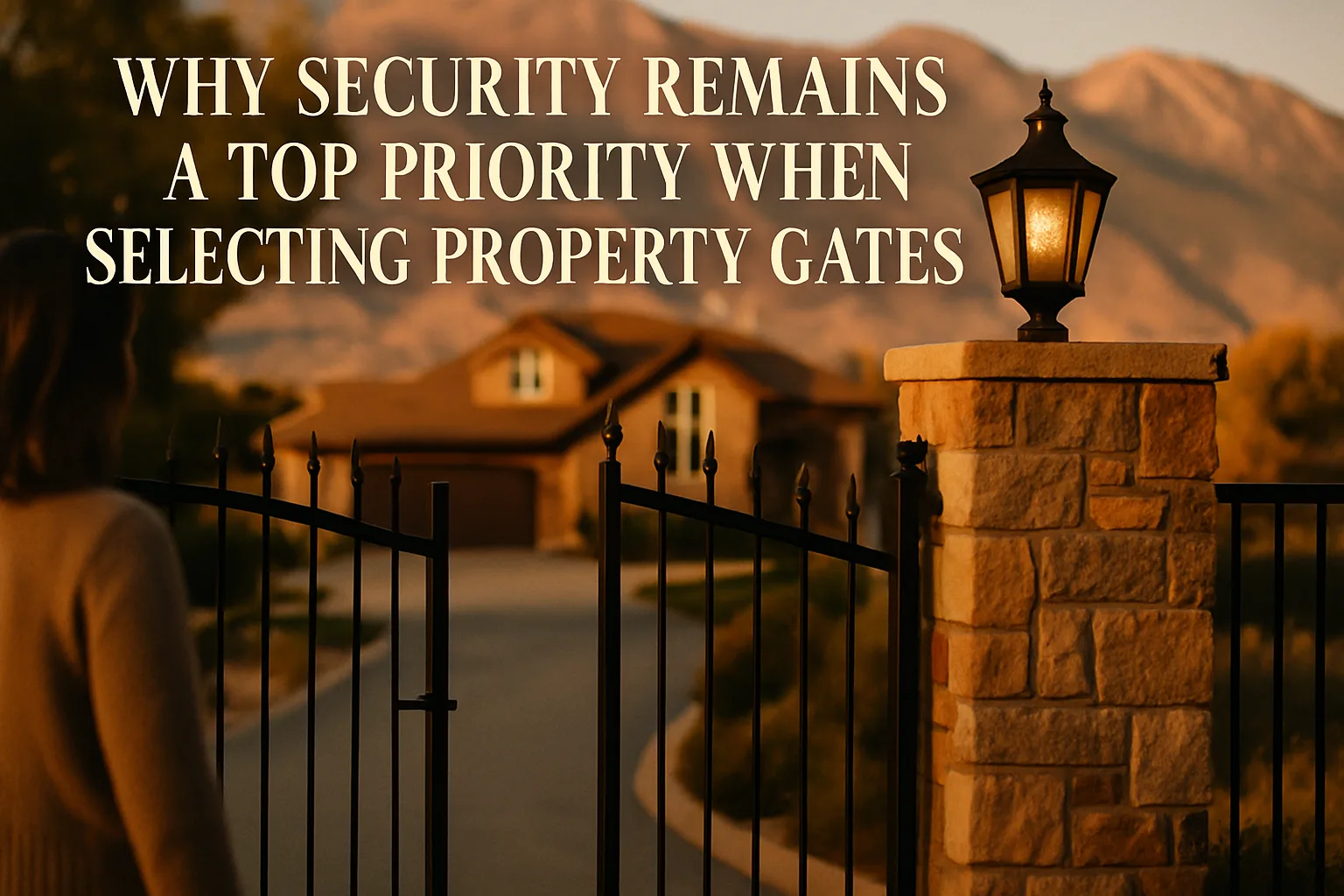
Why Security Remains a Top Priority When Selecting Property Gates
A property gate can feel like a simple boundary, but it often becomes the first real security decision on a site. The choice affects daily routines, visitors, deliveries, and the way the property looks from the street.
A property gate can feel like a simple boundary, but it often becomes the first real security decision on a site. The choice affects daily routines, visitors, deliveries, and the way the property looks from the street.
Security stays near the top of the list for one plain reason: a gate can prevent problems before they reach a door or window. When a gate is planned with the right details, it can guide traffic, limit risk, and support safer habits.

Security Starts At The Property Line
A gate shifts security outward, away from the home, office, or yard. That distance can reduce the chances of a quick approach and a fast exit.
A gate can look welcoming and still control access. Many owners choose custom-designed wrought-iron driveway gates when they want strength and curb appeal at the same time. The best results come from planning clear sightlines, strong hardware, and a layout that avoids easy shortcuts.
Security planning begins with the approach. A long, straight driveway calls for different choices than a tight entry near a sidewalk.
Threats Are Not Just Theft
Many people think about theft first, then stop there. A gate can address other risks that show up in day-to-day use.
A federal justice report counted 13,069,560 property victimizations in a national tally. That scale points to why many owners treat deterrence and delay as practical goals, not abstract ideas.
Trespassing, tailgating vehicles, and unwanted foot traffic can create stress long before any crime occurs. A gate can set a clear rule: entry happens by permission, not by habit. That boundary can lower conflict with neighbors and passersby.
Layers Of Security Work Better Than One Big Step
A strong gate helps, but security works best as a system. The gate sets the perimeter, then other features handle identity, timing, and monitoring.
A layered setup often includes elements that reinforce one another:
-
A defined entry lane that slows vehicles.
-
A latch or lock that resists prying.
-
Access control that limits who can enter.
-
Cameras that cover the gate line and the street edge.
-
Clear address markers for responders.
Layers reduce single points of failure. If one control fails or gets bypassed, another control can still slow the attempt and create a record. The goal is more friction for intruders and less friction for approved users.
Gate Strength Comes From More Than Metal Thickness
Material matters, but build details matter just as much. Weak hinges, thin posts, or poor anchors can turn a heavy gate into a weak barrier.
A secure gate starts with a rigid frame, proper welding, and posts set for the load. Wind load, slope, and gate width change the forces on the system. Tamper-resistant fasteners and anti-lift features can add another hurdle.
Security comes from how the gate behaves under stress. A gate that drags, twists, or sags can leave gaps that invite prying or climbing. Smooth movement helps the gate close fully each time.
Automation Needs Safety And Control
Automation can add control, but it raises the stakes on safety. A moving gate has pinch points and crush zones, so the design needs clear safety features. The operator needs to match the gate weight and duty cycle.
Reliable operators pair with photo eyes, edge sensors, and predictable close timing. Power backup can keep the entrance functional during outages, which supports security and access.
Control options matter in real life. Keypads, remotes, phone entry, and credential readers all fit different sites, and each choice affects how often the gate stays closed. Some properties separate vehicle entry from pedestrian access.
Visibility And Lighting Reduce Blind Spots
A gate works best when it can be seen. Poor visibility can hide a person near the latch or a vehicle stopped at the side.
Lighting near the gate line can help cameras and reduce shadows. Glare matters too, since a bright fixture aimed the wrong way can wash out a plate or a face.
Planting choices shape visibility. Shrubs, walls, and parked vehicles can create cover, so the gate plan should include a clean viewing corridor. Reflective address numbers can help visitors and responders.
Access Management Matters For Daily Life
Security is about controlling routine access for residents, staff, vendors, and guests. The setup should keep approved entry simple and consistent.
A State of Physical Access Control report from a major access technology provider surveyed over 1,200 security professionals across the globe. That focus on access operations reflects a simple truth: daily entry rules shape real security more than rare events do.
Good access management reduces bad habits. When entry is fast for approved users, people are less likely to prop a gate open or share codes. Time-limited credentials can limit risk from lost remotes.
Maintenance Is Part Of Security Planning
A gate that fails open is a security gap. Wear shows up in hinges, rollers, latches, and operator gears. Rust and dirt can change how parts fit and move.
A maintenance plan can be simple and still effective:
-
Monthly checks for loose hardware and sag.
-
Cleaning tracks and clearing debris after storms.
-
Testing safety sensors and manual release.
-
Reviewing access logs for odd patterns.
Small issues tend to grow. A slight misalignment can turn into a latch that never seats, then the gate becomes a decoration instead of a barrier. Routine service can keep the system running with the same alignment.
Balancing Security With Emergency Access
Security should not block emergency response. A strong perimeter still needs a plan for fire, medical, and utility access. Crews need a method that works during power loss.
Common solutions include a Knox-style switch, an emergency key box, or a responder code that works under policy. Clear signage and a visible address number can save time at night or in bad weather. A separate pedestrian gate can support faster entry on foot.
The goal is a gate that controls entry under normal use and still supports urgent entry when minutes matter. Planning this early avoids last-minute compromises that weaken the whole setup. The result is a perimeter that feels firm and practical.

Security stays a priority when selecting a property gate since the gate touches so many real risks and routines. A good plan brings strength, visibility, access control, and safety into one perimeter decision.
The best gates feel easy to live with and hard to defeat. That mix comes from smart layout, solid build choices, and upkeep that keeps the system working day after day.
Keep reading
More from the blog

Gas Line Installation: What Homeowners Need to Know First
Roof Timeline Guide for Buying an Older Utah Home

How to Choose Windows for a Utah Home With a Mountain View