

Preparing Your Property for a Smart Roof Replacement.
Getting ready for a roof replacement takes more than picking new shingles. The way you prepare your property can affect how smoothly the job runs. It can also influence how long the work takes and how your home looks once it is finished.
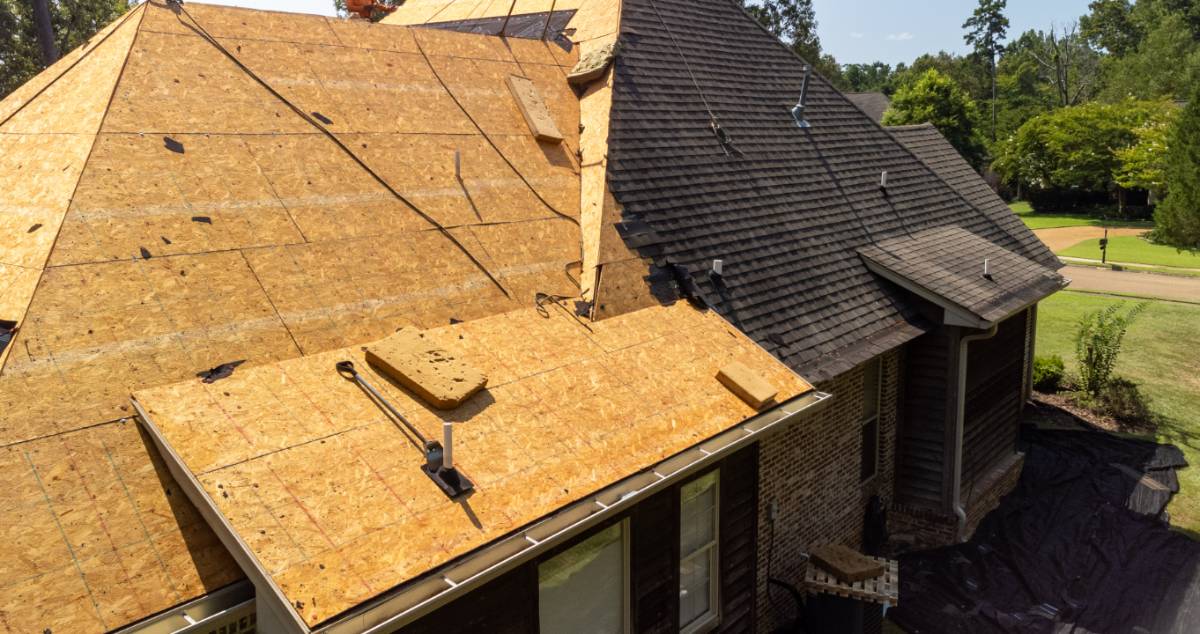
Getting ready for a roof replacement takes more than picking new shingles. The way you prepare your property can affect how smoothly the job runs. It can also influence how long the work takes and how your home looks once it is finished.
Many issues homeowners face during a roofing project come from missed prep work. With a bit of planning, those problems are easier to avoid. A prepared home gives the crew room to work and helps protect everything underneath the roof.
What a Full Roof Replacement Actually Includes
A roof replacement is a full system change, not a surface update. Knowing what happens during the process makes preparation easier.
The crew starts by removing the old roof. Shingles, underlayment, and worn materials all come off. Once exposed, the roof deck gets checked for soft spots or damage. Any weak areas are repaired before new materials go on.
From there, layers are built back up. Underlayment comes first. Flashing and edge components follow. The final roofing material is installed last. Because every layer matters, prep work needs to happen before installation begins.
Checking the Condition of Your Current Roof
Before planning timelines or budgets, the roof itself needs a close look. That starts with a roof inspection.
Inspectors look for curling shingles, granule loss, and water damage. They also check flashing, vents, and areas where leaks often start. Inside the attic, they look for moisture, stains, or sagging wood.
These findings shape the rest of the project. They can affect material choice, labor needs, and how long the job will take. When homeowners in Wisconsin skip this step or rely on guesswork, small issues often turn into bigger delays once work begins. For those dealing with aging shingles or recurring leaks and needing local guidance, learning more about Madison roof replacement options can help set clearer expectations before committing to a full project.
Selecting Roofing Materials Before Work Starts
Roofing materials affect more than appearance. They influence weight, install time, and long-term upkeep. Because of that, decisions should happen early.
Asphalt Shingle and Standard Shingle Roof Systems
Asphalt shingle products remain common for a reason. They are cost-friendly and work with many roof designs. Shingle roofs also install faster than heavier options.
That said, not all shingles are the same. Thickness, wind rating, and lifespan vary. Heavier shingles often last longer, but they can increase labor time and handling effort.
Metal Roofing, Tile, and Slate Options
Metal roofing performs well on steeper roof pitch designs. It sheds water quickly and handles heat well. Installation usually takes longer, but the lifespan is longer too.
Clay tiles, tile roofing, and slate roofing bring added weight. Homes using these materials may need structural checks first. Planning for that step avoids surprises during tear-off.
Preparing the Exterior of the Property
Exterior prep protects your home and keeps crews moving. Many of these steps are simple but often overlooked.
Clear driveways and walkways so trucks and dumpsters can park close. Move patio furniture, grills, and planters away from the house. Trim branches that hang over the roof to reduce falling debris.
Common exterior prep steps include:
-
Parking vehicles away from the work area
-
Covering plants near the house
-
Marking sprinkler heads or hidden wiring
Once these tasks are done, crews can work without interruptions. That helps the project stay on schedule.
Interior Preparation Many Homeowners Skip
Roof work affects the inside of the home as well. Tear-off creates vibration and noise that travel downward.
Secure items in attics and upper closets. Wall hangings and shelf items can shift during the day. Cover stored belongings to protect them from dust.
Planning ahead also helps families and pets adjust. Knowing when work starts and ends each day makes the disruption easier to manage.
Structural and Ventilation Items to Review Early
Some roof components need attention before materials arrive. Addressing them early prevents mid-project slowdowns.
The roof deck must stay solid to support new roofing materials. Soft or damaged decking leads to uneven installation and shortens roof life. Roof pitch also plays a role. Steeper roofs take more time and safety setup.
Edge and Vent Components That Matter
A drip edge guides water away from the roof and fascia boards. Without it, moisture can reach wood surfaces. Over time, that leads to rot.
A ridge vent helps warm air escape from the attic. Balanced airflow reduces moisture buildup and heat stress. Together, these parts protect the roof long after installation ends.
Planning for Costs and Measurements
Clear pricing expectations make the process less stressful. Knowing how estimates are built helps homeowners plan.
Roofing companies usually price by square foot. Labor costs depend on roof pitch, material weight, and tear-off difficulty. Deck repairs, access points, and disposal also affect roof replacement costs.
When you understand these factors, quotes are easier to compare. Budget planning becomes more accurate as well.
Coordinating With a Roofing Contractor
Good communication keeps the project organized. A few conversations before work begins can prevent confusion later.
Confirm start dates, crew size, and daily cleanup plans. Ask where materials will be staged and how debris will be handled. Clarify who manages permits and inspections.
These details help everyone stay aligned once work begins.
What to Expect During Installation
Knowing the daily flow helps homeowners feel prepared. Each phase follows a set order.
Crews remove the damaged or leaking old roof first. Next comes deck inspection and repair. Underlayment is installed, followed by flashing and vents. Roofing nails secure the final surface material based on manufacturer rules.
Noise is constant during work hours. Debris removal happens throughout the day. Visible progress usually shows by the end of each workday.
Conclusion
Preparing your property for a roof replacement sets the stage for better results. Planning ahead protects your home and supports the crew doing the work.
Clear decisions, early inspections, and simple prep steps make a real difference. When the home is ready, the project moves faster and finishes stronger.
Keep reading
More from the blog

Gas Line Installation: What Homeowners Need to Know First
Roof Timeline Guide for Buying an Older Utah Home
How to Choose Windows for a Utah Home With a Mountain View