Creating Calm Through Smarter Space Decisions
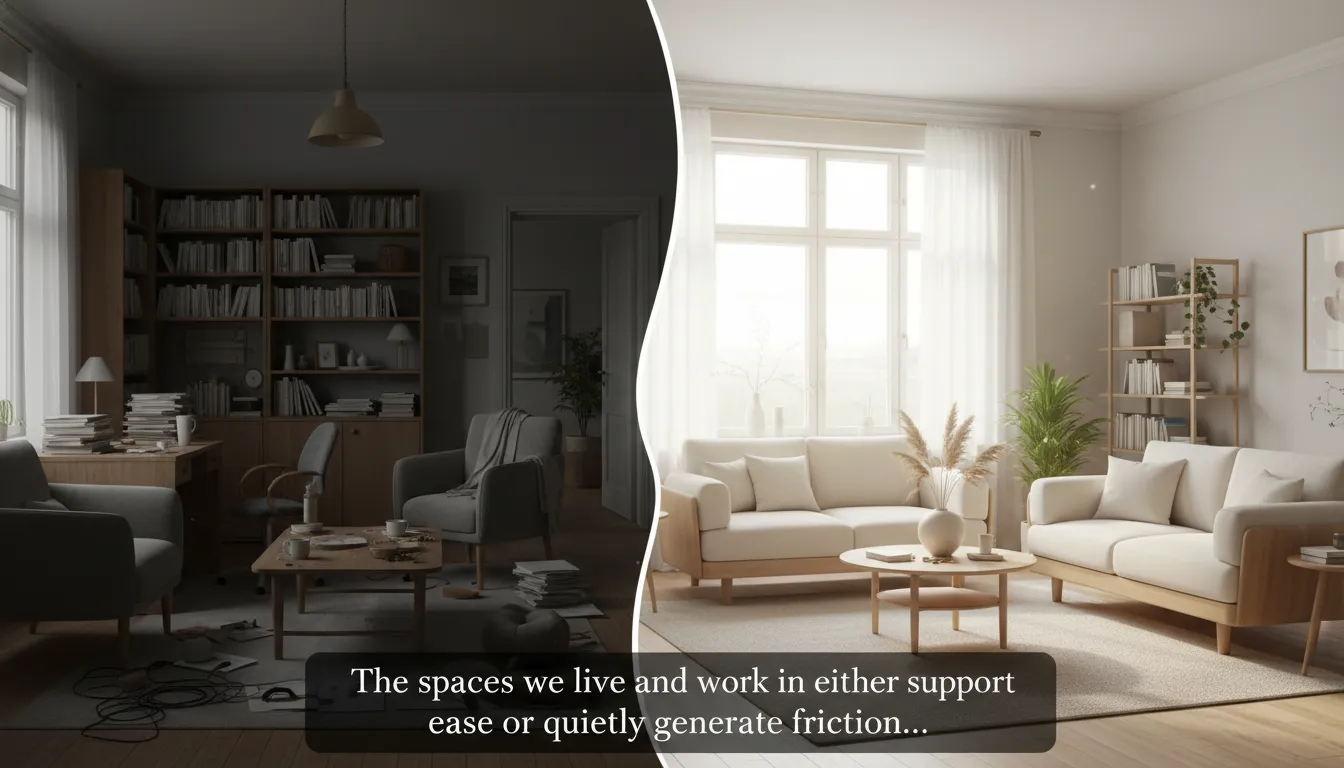
Calm rarely happens by accident. The spaces we live and work in either support ease or quietly generate friction through clutter, poor flow, and visual overload. Over time, small inefficiencies accumulate into daily stress that feels normal but drains energy. Many people try to solve this by tidying surfaces without addressing underlying space decisions.
Calm rarely happens by accident. The spaces we live and work in either support ease or quietly generate friction through clutter, poor flow, and visual overload. Over time, small inefficiencies accumulate into daily stress that feels normal but drains energy. Many people try to solve this by tidying surfaces without addressing underlying space decisions. The real shift happens when environments are designed intentionally around routine, movement, and rest. Smarter space decisions reduce the need for constant correction and make order feel natural rather than forced. This article explores how thoughtful spatial choices influence emotional balance, why structure supports calm rather than restricting it, and how practical adjustments help create environments that feel lighter, clearer, and more supportive every day.
When Clutter Quietly Increases Daily Stress
Clutter rarely announces itself as a problem. It builds gradually—extra furniture, unused equipment, seasonal items, and everyday objects that never return to a defined place. This matters because visual and physical congestion create constant micro-interruptions throughout the day. Searching for items, navigating crowded rooms, or shifting belongings out of the way drains focus and patience. Many households adapt to this pressure without realizing how much energy it consumes. Over time, stress becomes normalized and calm feels temporary rather than sustainable. Solutions like convenient storage units Phoenix help separate daily-use spaces from long-term holdings, reducing visual noise without forcing drastic downsizing. Once overflow is intentionally relocated, living areas regain clarity and routines feel smoother. That separation creates room to implement deeper principles that preserve calm instead of constantly restoring it.
Principles For Designing Calmer Living Spaces
Creating calm through space requires structure that supports daily habits rather than resisting them.
Essential Principles To Follow:
Defined purpose zones
Assign each area a clear function to prevent overlapping activities and clutter buildup.
Visible simplicity
Limit what remains in sight to items actively used or meaningful.
Protected overflow
Relocate non-essential belongings to controlled environments instead of squeezing them into living areas.
Common Pitfalls To Avoid:
-
Organizing based on appearance alone
-
Overfilling storage until systems break down
-
Letting transitional items linger indefinitely
-
Resetting spaces differently each time rather than following a routine
How Households Implement Practical Space Resets
Households that successfully create calm treat space resets as scheduled maintenance rather than emotional reactions to clutter. They begin by identifying high-friction areas—entryways, kitchen counters, living room surfaces—and clearing them completely before deciding what truly belongs. Items are grouped by function and either reassigned a defined home or relocated out of active zones. Clear placement rules are established so everyone in the household follows the same logic when returning items. Regular mini-resets, often weekly or seasonally, prevent buildup from reaching overwhelming levels. This structured rhythm keeps spaces aligned with daily life without requiring constant effort. Over time, practical resets turn organization into a habit that supports calm automatically rather than relying on motivation.
Common Habits That Undermine Calm
Why Does Temporary Clutter Become Permanent?
Short-term placements rarely get revisited. Items left “for now” slowly define the space.
What Happens When Storage Is Treated As Infinite?
Overfilling cabinets and drawers makes retrieval harder. Systems collapse under pressure.
How Does Inconsistent Organization Create Stress?
Changing rules confuse everyone. Without predictable placement, friction returns quickly.
Long-Term Benefits Of Intentional Spatial Structure
When space decisions are made deliberately, calm becomes a natural byproduct of daily life. Rooms feel lighter, routines flow more smoothly, and mental energy is preserved for what matters most. Over time, intentional structure reduces friction, minimizes repeated cleanup, and creates environments that restore rather than drain.
Identify one high-friction area in your home today, clear it fully, define its purpose, and implement a simple reset routine that keeps calm consistent.
Common Questions About Organizing For Calm
Can smarter space decisions really reduce stress?
Yes. Clear environments lower cognitive load and reduce daily micro-frustrations.
Is minimalism required to create calm?
No. Calm comes from alignment with routine, not from owning less.
How often should space resets happen?
Small resets weekly and deeper ones seasonally keep buildup under control.
What’s the first step toward a calmer home?
Choose one area, clear it completely, and define simple placement rules before moving on.
Keep reading
More from the blog

Gas Line Installation: What Homeowners Need to Know First

Roof Timeline Guide for Buying an Older Utah Home

How to Choose Windows for a Utah Home With a Mountain View