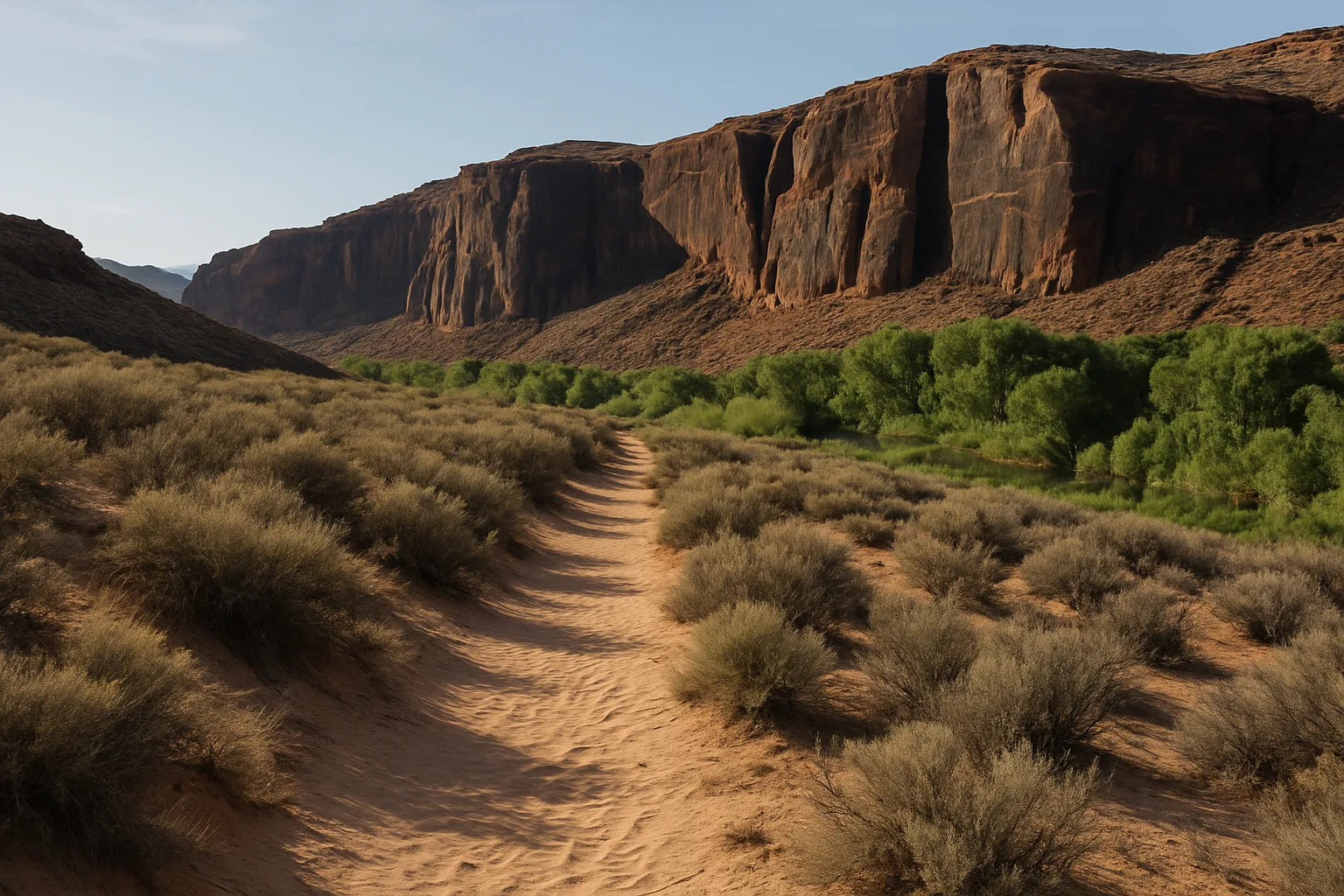
Pros and Cons of Living in Moab, Utah
Discover the pros and cons of living in Moab, Utah. Explore its walkable community, outdoor lifestyle, health standards, and real estate insights to make an informed decision.
Moab, Utah, is a unique and captivating place to call home, known for its red rock landscapes, active outdoor culture, and growing community. For those considering a move to this beautiful area, understanding the advantages and challenges of living in Moab is essential. This detailed analysis provides insights into the pros and cons of Moab living, focusing on lifestyle, amenities, safety, and real estate market dynamics. Whether you are a potential homebuyer, investor, or simply curious about the region, this comprehensive overview will help you make an informed decision about Moab real estate and life in this remarkable part of Utah. If a move is on the table, take a look at current Moab homes for sale.
Why Consider Moab for Your Next Home?
Moab is often seen as a gateway to some of the best-known natural wonders in the United States, including Arches National Park and Canyonlands National Park. Its appeal extends beyond scenic beauty to a lifestyle deeply connected with outdoor activities and a growing local economy. However, as with any location, there are both benefits and drawbacks to living here.
Understanding these aspects will not only prepare you for what to expect but also help you navigate the Moab real estate market effectively. For those interested in exploring properties in Utah, including Moab, resources like Best Utah Real Estate provide up-to-date listings and expert guidance.
Pro #1: Abundant Amenities in a Walkable Community
One of Moab’s standout features is its wealth of amenities conveniently located within walking distance for many residents. This accessibility contributes to a high quality of life and a strong sense of community.
- Restaurants and Coffee Shops: Moab has a variety of dining options, from casual eateries to more upscale restaurants, catering to diverse tastes. Coffee lovers will appreciate the local cafes that serve as social hubs.
- Grocery Stores and Local Shops: City Market on Main Street is the main full-service grocery store, and the Moonflower Community Cooperative downtown carries natural and local foods. Additionally, local boutiques and specialty shops provide unique products, supporting the local economy and culture.
- Walkability: The compact layout of Moab’s town center means residents can often walk or bike to daily necessities, reducing reliance on vehicles and fostering a healthier, more active lifestyle.
This combination of amenities not only makes daily life convenient but also adds to the overall charm and attractiveness of Moab as a residential location.

Pro #2: High Health and Safety Standards
Health and safety are critical considerations for anyone choosing a place to live. Moab scores well in this regard, thanks to its clean air quality and availability of essential healthcare services.
- Air Quality: Unlike many urban areas, Moab benefits from relatively good air quality, a significant factor for residents concerned about respiratory health and overall well-being.
- Healthcare Facilities: Moab Regional Hospital provides emergency and inpatient care in town, supported by local clinics and private practitioners. Some specialty care still means a drive to Grand Junction or the Wasatch Front.
- Emergency Services: Fire stations and emergency responders are present and responsive, contributing to a sense of security and preparedness within the community.
These factors combine to create a safe and health-conscious environment that appeals to families, retirees, and individuals alike.
Pro #3: A Paradise for Outdoor Enthusiasts
The city’s proximity to some of Utah’s most iconic outdoor destinations, including Arches and Canyonlands national parks, makes it a haven for recreational activities. This is a key driver for many moving to the area and a vital part of Moab’s identity.
- Hiking and Biking Trails: Moab offers countless trails ranging from beginner to expert levels, perfect for hiking, mountain biking, and trail running.
- Rock Climbing and Off-Roading: The region is famous for its rock climbing spots and vast desert landscapes ideal for UTVs, ATVs, and dirt bikes.
- Water Activities: The Colorado River provides opportunities for rafting, kayaking, and fishing, adding to the diversity of outdoor leisure pursuits.
This outdoor lifestyle not only enhances quality of life but also drives tourism and supports local businesses, contributing to the health of Moab’s real estate market.
Con #1: Commute Challenges Due to Limited Public Transportation
One of the significant drawbacks of living in Moab is the limited public transportation infrastructure. This impacts daily commuting and can be a hurdle for residents who rely on or prefer public transit.
- Longer Commute Times: Without extensive public transit options, many residents must use personal vehicles, which can lead to longer and more stressful commutes, especially during peak tourist seasons.
- Limited Alternatives: The scarcity of buses or shuttle services means that carpooling or ride-sharing are often the only alternatives, which may not be convenient for everyone.
- Impact on Real Estate Demand: For buyers considering Moab, this factor might influence decisions, particularly for those working outside the immediate area or preferring urban-style transit options.
While this con is notable, it is balanced by the town’s walkability and the outdoor lifestyle that many residents prioritize.
Con #2: Concerns Regarding Crime Rates
Safety is a top priority for prospective residents, and Moab’s crime statistics present a mixed picture that warrants careful consideration.
- Higher Crime Rates: Compared to many other Utah communities, Moab reports higher rates of both violent and property crimes per 100,000 people.
- Community Impact: These statistics may affect perceptions of safety and influence decisions, especially for families and retirees looking for secure neighborhoods.
- Crime Prevention Efforts: Local authorities and community groups are actively working to address these issues through increased policing and community engagement, which may improve safety over time.
Potential residents should research specific neighborhoods and consult local crime reports to make informed choices about where to live within Moab.
Con #3: Limited Nightlife and Entertainment Options
While Moab shines in many lifestyle aspects, it lacks the busy nightlife and entertainment scene found in larger cities. This can be a downside for those seeking a more active social life after hours.
- Fewer Bars and Nightclubs: Moab has a modest number of bars and nightlife venues, limiting options for evening entertainment.
- Early Closing Times: Many establishments close earlier than in metropolitan areas, partly due to local regulations and community preferences.
- Entertainment Alternatives: While the town offers cultural events and festivals, those seeking diverse nightlife may need to travel to nearby cities.
Nevertheless, Moab’s focus on natural beauty and outdoor activities tends to attract residents who prioritize day-time recreation and a quieter lifestyle.
Real Estate Market Insights for Moab
Moab’s real estate market reflects its unique balance of natural appeal and small-town dynamics. The limited housing inventory combined with increasing interest from buyers has created a competitive market. Here are some key points to consider:
- Inventory and Competition: Similar to other parts of Utah, Moab has limited home inventory, leading to competitive buying conditions where multiple offers are common.
- Property Types: The market includes a mix of single-family homes, condos, and vacation properties, catering to different buyer needs. Buyers looking at attached homes can start with Moab condos for sale, while communities such as Lionsback Resort and Rim Village Vistas show up often in recent listings.
- Investment Potential: With its strong tourism draw, Moab properties can offer rental income, but both Moab City and Grand County tightened rules on new overnight rentals starting in 2019. Buyers counting on nightly-rental income should confirm current zoning for the specific property before making an offer.
- Price Trends: Home prices have been appreciating steadily, reflecting demand and limited supply, though they remain more affordable than some larger Utah markets like Park City. The current median asking price for active Moab listings is $625,000.
For those interested in exploring Moab real estate or other Utah markets, consulting comprehensive listings and market analyses on platforms such as Best Utah Real Estate can provide valuable insights and assistance.
Additional Considerations for Prospective Moab Residents
Beyond the immediate pros and cons, understanding the broader lifestyle and community context is essential for anyone thinking about moving to Moab.
- Community and Culture: Moab has an active community with many events centered on outdoor activities, arts, and environmental stewardship. For ideas, see this guide to things to do in Moab.
- Seasonal Population Fluctuations: Tourism significantly influences the local economy and population density, especially during peak seasons, which can affect traffic, service availability, and housing demand.
- Educational Opportunities: While Moab offers quality schools, families might want to research specific districts and programs to ensure the best fit for their children.
- Climate Considerations: Moab experiences hot summers and mild winters, with low humidity. July highs typically run in the upper 90s, January highs are usually in the low 40s, and the town gets only about 9 to 10 inches of precipitation a year, so heat management and water conservation are part of daily life.

Conclusion: Is Moab the Right Place for You?
Moab, Utah, presents a compelling mix of natural beauty, outdoor adventure, and a close-knit community, making it an attractive destination for many homebuyers and investors. Its abundant amenities, health and safety standards, and unparalleled access to recreational activities are significant advantages. However, challenges such as limited public transportation, higher crime rates, and a quieter nightlife scene are important factors to consider.
Ultimately, the decision to move to Moab should be based on a thorough understanding of these pros and cons in relation to your lifestyle preferences and real estate goals. Whether you are seeking a peaceful retreat surrounded by nature or an active community with ample amenities, Moab offers a distinctive living experience worth exploring.
For those interested in discovering more about real estate opportunities in Moab and other Utah cities, resources like Best Utah Real Estate provide comprehensive listings and expert advice. Buyers who want more room can also browse Moab homes with acreage.
Posted by Kristopher Larson
Frequently asked questions
Is Moab a good place to live?
Moab suits people who want daily access to Arches, Canyonlands, the Colorado River and world-class trails, and who are comfortable in a small, tourism-driven town. The main trade-offs are high housing costs for the area, heavy seasonal crowds, limited public transportation and fewer nightlife and shopping options than a larger city.
What is the cost of living in Moab, Utah?
Housing is the biggest cost. The current median asking price for active Moab listings is $625,000, and limited inventory keeps prices high relative to most rural Utah towns. Buyers should also budget for summer cooling and plan around a small set of local stores.
What is the weather like in Moab by month?
Moab has a high-desert climate. July highs typically run in the upper 90s, January highs are usually in the low 40s with nights below freezing, and the town gets only about 9 to 10 inches of precipitation a year. Spring and fall are the most comfortable seasons for hiking and biking.
Where do people in Moab buy groceries?
City Market on Main Street is Moab's main full-service grocery store. The Moonflower Community Cooperative downtown carries natural and local foods.
Does Moab have a hospital?
Yes. Moab Regional Hospital provides emergency and inpatient care in town. Some specialty care requires a drive to Grand Junction or the Wasatch Front.
Can you buy a home in Moab for a nightly rental?
Possibly, but rules are tight. Moab City and Grand County both restricted new overnight rentals starting in 2019, so whether a property can be rented nightly depends on its zoning and any existing approvals. Confirm the current rules for the exact property before making an offer.
Moab, Utah housing market
A quick read on what homes are doing in Moab right now — pulled live from the MLS.
Keep reading
More from the blog
Moab Rental Investing in 2026: Visitor Trends, Nightly Rental Rules and Returns
Pioneer Park, St. George: Slot Canyon, Dixie Rock and Easy Hikes

Buying a Utah Home With a Protection Dog in Mind: 6 Things to Check