


Top Ideas That Elevate Home Painting Projects With Lasting Appeal
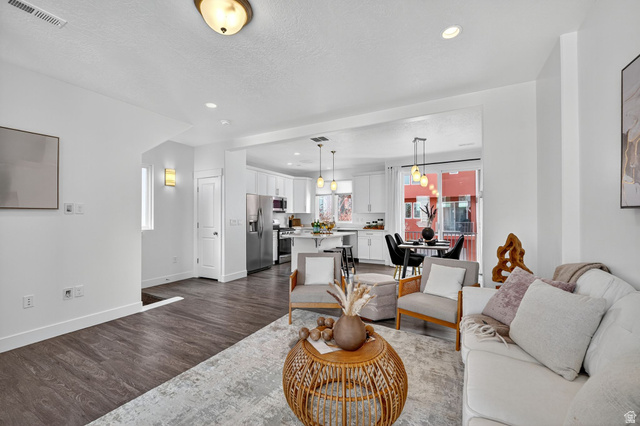
A great paint job changes how a room feels and how long it looks fresh. The smartest upgrades mix bold color choices with careful prep so the finish stays beautiful for years.

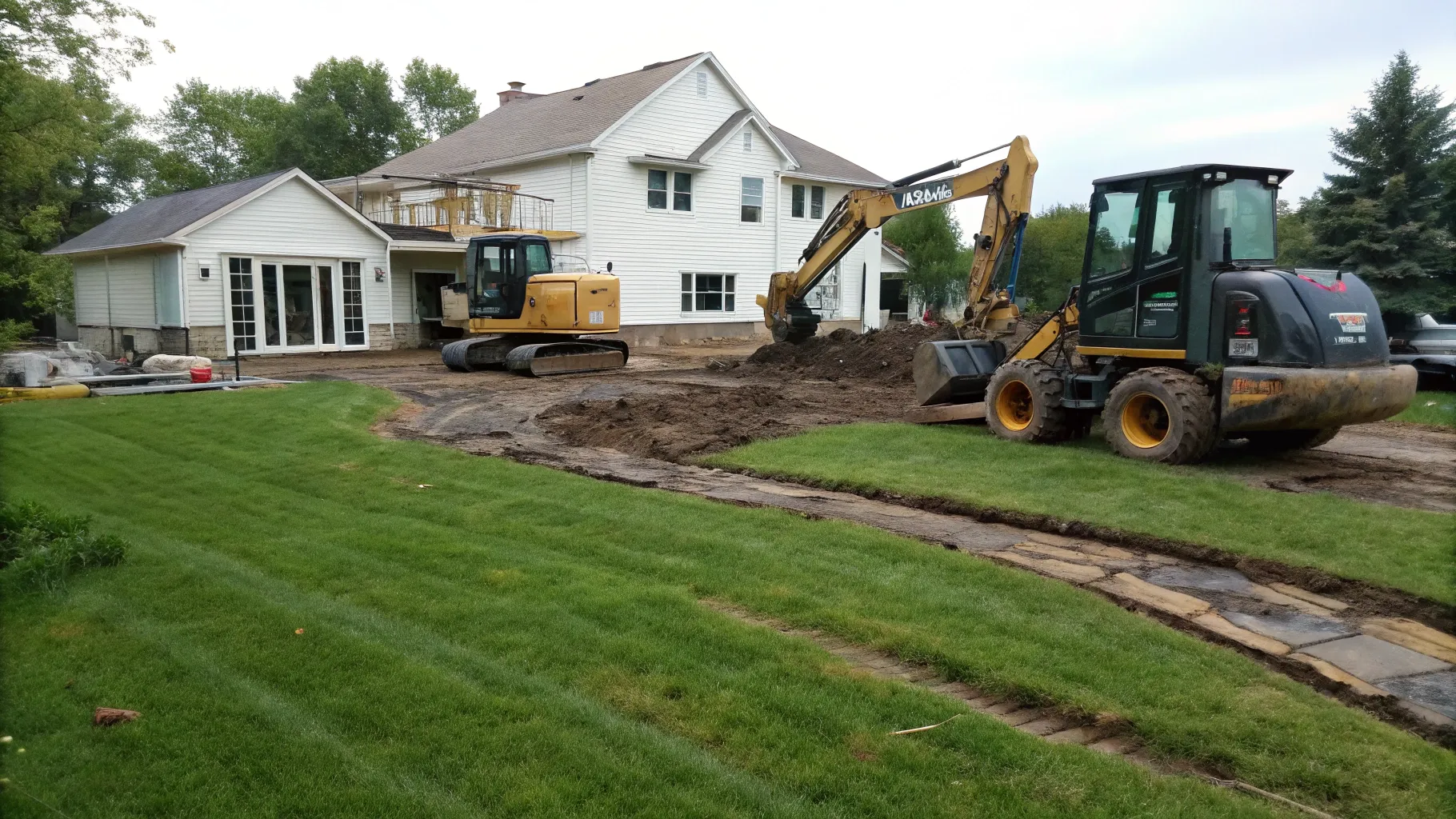
When tackling a major home or yard renovation, you’ll probably need to bring in some heavy equipment - think excavators, skid steers, dump trucks, or even large dumpsters for waste. Naturally, you might wonder if you can park all that big machinery right on your grass without ruining it. The answer isn’t one-size-fits-all. It really depends on your soil, the type and weight of the equipment, the weather, and the precautions you take. With a little planning, though, you can minimize damage and keep your lawn in good shape.
Start by taking a close look at your yard. Well-drained soils, like sandy or loamy types, can handle more weight than clay-heavy or wet soils, which are more likely to get ruts and become compacted. If your yard is soggy after rain, it’s especially at risk - wet ground is much more likely to get torn up. Try to avoid using heavy equipment on soaked lawns. If your soil is dry and firm, it’ll give better support.
The heavier the machinery, the more likely your lawn will take a hit. Smaller equipment like compact loaders (weighing 3,000–5,000 pounds) won’t press down as hard as large excavators or dump trucks, which can easily top out at 10,000–50,000 pounds. Waste Removal USAdumpsters, when full, can also be pretty hefty - somewhere between 2,000 and 10,000 pounds. If you have to use heavy equipment, tracked vehicles tend to spread their weight out better than ones with wheels or stationary dumpsters. When possible, choose equipment that puts less pressure on your lawn, and place dumpsters on hard surfaces like your driveway if you can.
Weather can make or break your lawn’s chance of coming out unscathed. Rainy periods soften the soil, making it more likely to get ruts and compacted. If your renovation lands during a rainy stretch, try to wait for things to dry out before moving heavy machinery. Even frozen ground can handle more weight, but repeated trips can still damage grass roots. If you can, time the equipment use for when the ground is dry and conditions are steady.
Short equipment visits - like just for a delivery or pickup - cause much less damage than leaving machinery parked on your lawn for days or weeks. Dumpsters left in one spot for a long time can really compact the soil if unprotected. Work with your contractor to reduce trips across the lawn and keep all activity to specific zones. Using your driveway or walkways for staging can go a long way in protecting your grass and cutting down on repair work later.
If your lawn does get damaged, don’t worry - there’s hope for recovery. Aerate compacted soil to help water and roots get through, then reseed or lay new sod as needed. Fill in any ruts with topsoil before reseeding. Be sure to water and fertilize your lawn regularly to help it bounce back. Of course, it’s cheaper and easier to prevent damage in the first place, so put your energy into good planning and protection.
In short, you can park heavy equipment and rented dumpsters on your lawn during a renovation if you take the right precautions. Assess your soil and weather, pick lighter or tracked equipment when possible, and always use protective boards or mats. Whenever you can, park on driveways or create sturdy temporary surfaces. With smart planning and good communication with your builder, you’ll keep your yard looking great - even after the big work is done.
A great paint job changes how a room feels and how long it looks fresh. The smartest upgrades mix bold color choices with careful prep so the finish stays beautiful for years.
Real estate once revolved around local knowledge, bank financing, and long holding periods. Investors now plug into global capital flows, digital platforms, and new ownership structures almost as easily as they browse stock quotes.
The St. George housing market is showing clear signs of transition. Months of inventory sits at 5.67, a 15 percent increase year over year, providing more choices for buyers and more room to negotiate.
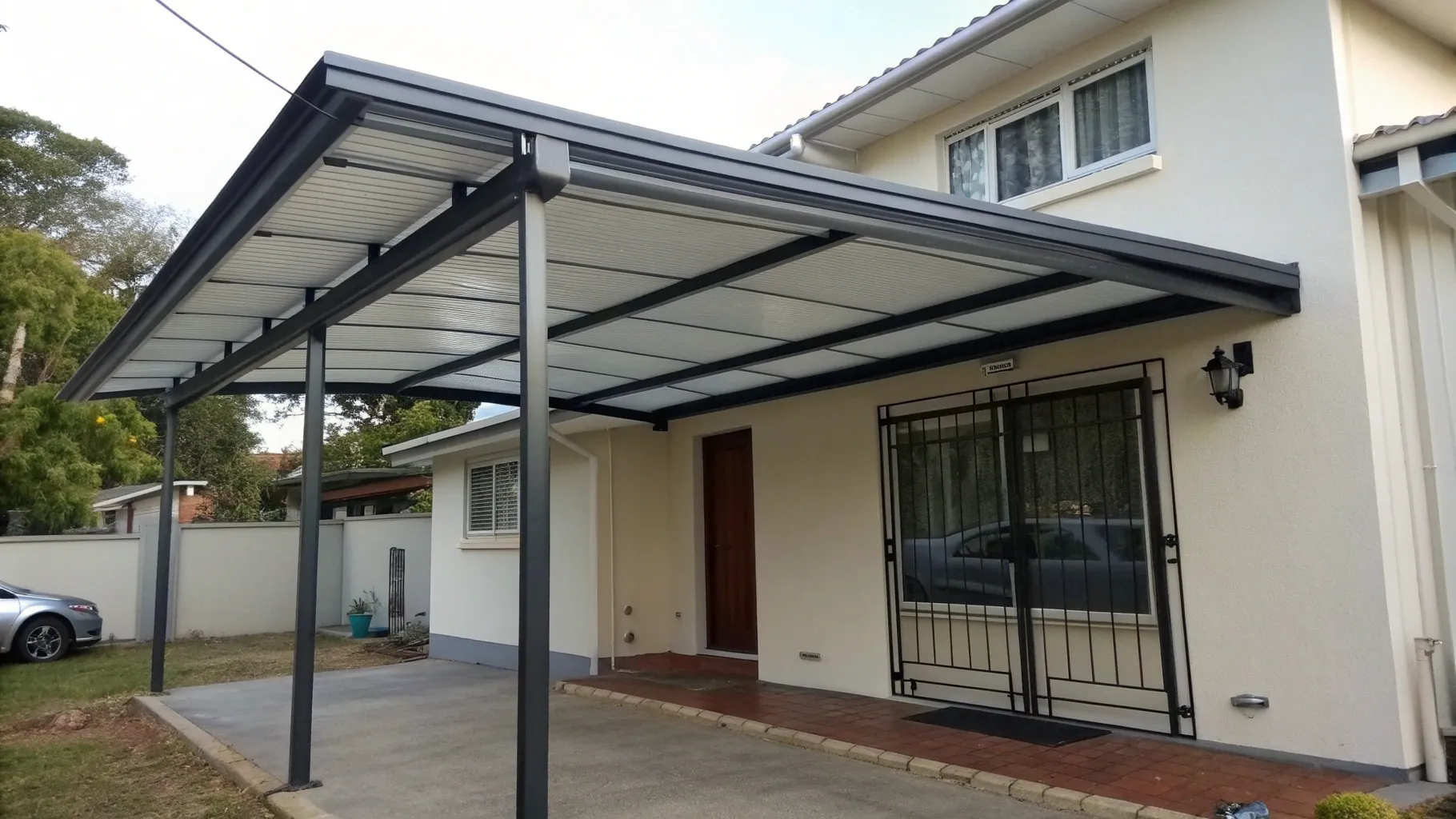
A steel canopy can add real utility to a home while keeping the overall footprint simple and efficient. Many residential owners look for ways to boost function without major construction, and this option fits that goal well.
Access all your saved properties, searches, notes and more.
Access all your saved properties, searches, notes and more.
Enter your email address and we will send you a link to change your password.
I agree to receive marketing and customer service calls and text messages from Best Utah Real Estate. Consent is not a condition of purchase. Msg/data rates may apply. Msg frequency varies. Reply STOP to unsubscribe. Privacy Policy & Terms of Service.

Your trusted MLS search companion