Why a Backyard Pond Is a Smart Investment for Homeowners
Discover how a backyard pond boosts value and calm. Get maintenance basics, oxygen tips, and why a solar aerator for 1/4 acre pond matters all year in any yard.
Why a Backyard Pond Is a Smart Investment for Homeowners
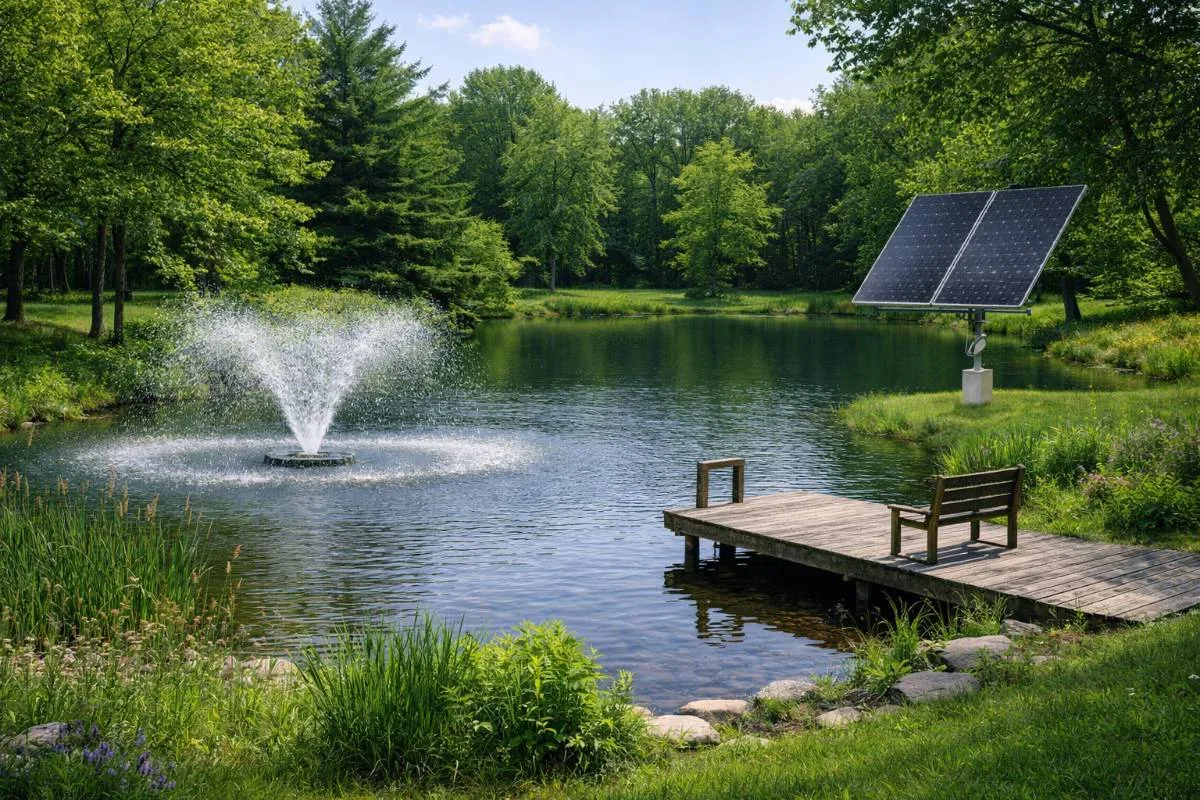
If you have ever toured a home that felt “fine” on paper but unforgettable in person, you already understand why outdoor features can sway buyers. A backyard pond does that. It creates sound, motion, and a sense of calm that photos never fully capture. For many homeowners, it also becomes the place where kids look for frogs after dinner, where friends linger longer, and where a stressful day ends with five quiet minutes by the water.
This guide breaks down why a pond can be a smart investment, how to keep it low-maintenance, and what actually protects water quality long-term, including practical options like a solar aerator for 1/4 acre pond when power access is limited.
Why Do Backyard Ponds Feel Like an “Upgrade” To Buyers?
A well-designed pond reads as lifestyle, not just landscaping. It signals that the yard is a place to use, not just to mow. That matters in real estate because buyers often pay for how a home makes them feel.
Outdoor improvements can return real value. The National Association of Realtors has reported very high cost recovery for basic landscape work, including 217% for standard lawn care service.
What Makes a Pond a “Smart” Investment Instead of a Future Headache?
A pond becomes a headache when it is built like a decorative bowl and treated as if it will run itself. Water is an ecosystem. The smartest ponds are set up to handle three realities:
-
Warm weather reduces oxygen.
-
Nutrients arrive whether you want them or not (wind, dust, runoff, leaves, fish food).
-
Still water stratifies, creating low-oxygen layers near the bottom.
From a management standpoint, the best “investment ponds” prioritize simple systems that prevent predictable problems. That means a plan for circulation, debris control, and oxygen, plus a realistic maintenance routine you can keep during busy weeks.
If you want a pond that protects value, aim for “boringly consistent” water quality. Buyers do not need to know the science. They just need to see clear water, healthy plants, and no odor.
How Does a Pond Support Curb Appeal and Livability Year-Round?
A pond earns its keep when it performs in every season, not just during a backyard party.
In spring and summer, moving water and a clean shoreline add polish, similar to landscape lighting or a well-kept patio. In the fall, a pond can still look great if you manage leaves and organic debris before they sink. In winter (depending on your climate), a pond can remain an attractive focal point even when planting beds are dormant.
This is also where energy choices matter. In areas where running electrical lines is expensive, solar-powered options can make the difference between “nice idea” and “actually practical.”
Why Is Oxygen the Quiet Factor That Determines Pond Success?
Most pond problems stem from oxygen levels and circulation. When oxygen levels drop, fish stress increases, beneficial bacteria slow, and algae gain a competitive advantage.
Low dissolved oxygen, commonly defined as less than about 2-3 mg/L, triggers the cascade of problems that pond owners want to avoid.
Dissolved oxygen below 3 ppm stresses warmwater fish, and levels below 2 ppm can be fatal to some species. Those thresholds are not “pond trivia.” They are the difference between a pond that looks inviting and one that suddenly has fish gasping near the surface after a hot spell.
This is why aeration is not just a “fish pond” thing. Even decorative ponds benefit from water movement, which keeps the water clearer and reduces the risk of odor.
What Does Aeration Actually Do, and When Does Solar Make Sense?
People hear “aeration” and picture bubbles. The real benefit is mixing and oxygen distribution.
Preventing stratification increases dissolved oxygen and limits phosphorus availability, thereby reducing algal pressure over time.
Solar aeration makes sense when:
-
The pond is far from power, and trenching electrical service is costly
-
You want to avoid ongoing energy draw for a small-to-midsize pond
-
The goal is steady water quality support, especially during warm months
It also depends on site conditions. Shade, panel placement, and pond depth all affect results, so this is always a “it depends” decision. In our experience, the best outcomes come from sizing the system to the pond’s surface area and depth, and pairing aeration with basic nutrient control.
What Ongoing Costs Should Homeowners Plan For?
A backyard pond can be a smart investment, but it is still a managed feature. Think of it like a fireplace or a hot tub. It adds value when it is cared for.
Most homeowners do well when they plan for:
-
Seasonal cleanup, especially leaves and sludge-prone debris
-
Basic water quality habits: avoid overfeeding fish, manage runoff, and control fertilizers nearby
-
Equipment checks: pumps, aeration, and intakes need occasional inspection
For a beginner-friendly overview of pond management basics, a university extension pond guide is a solid starting point
If you keep maintenance simple and predictable, the “cost” is mostly time, not constant emergency fixes.
How Do You Design A Pond That Fits Utah-Style Water Realities?
If you live in a drier region, water use and evaporation matter. The smartest approach is a pond that is appropriately sized, shaded where possible, and designed to reduce water loss.
These design choices help:
-
Place the pond away from constant afternoon sun if you can
-
Use plant coverage strategically to shade portions of the surface
-
Avoid over-aerating shallow water during extreme heat, balance mixing with evaporation realities
-
Keep runoff from driveways and fertilized lawns out of the pond
Treat the pond like a mini stormwater system. Even small ponds collect nutrients and sediment from their surroundings, and internal nutrient buildup can become complex quickly without clean inflows.
The takeaway for homeowners is simple: design for clean inflows, and you will fight fewer algae battles later.
Closing: What Should You Remember Before Building One?
A backyard pond is a smart investment when it is built for long-term stability, not just day-one beauty. If you want the pond to support your home’s appeal and avoid becoming a problem, focus on these takeaways:
-
A pond adds lifestyle value, and strong outdoor upkeep is consistently tied to ROI in housing markets.
-
Oxygen and circulation are the backbone of clear, low-odor water, especially in summer heat.
-
Aeration prevents stratification and reduces conditions that feed algae over time.
-
The best ponds are designed to be easy to maintain, with simple routines that fit real life.
Keep reading
More from the blog
Gas Line Installation: What Homeowners Need to Know First
Roof Timeline Guide for Buying an Older Utah Home
How to Choose Windows for a Utah Home With a Mountain View