Storage and Layout Innovations That Add Value to Residential Properties
Residential design increasingly prioritizes spatial efficiency and integrated storage as core determinants of long-term property value. Beyond surface aesthetics, the organization of interior space influences daily functionality, buyer perception, and resale performance.
Residential design increasingly prioritizes spatial efficiency and integrated storage as core determinants of long-term property value. Beyond surface aesthetics, the organization of interior space influences daily functionality, buyer perception, and resale performance. In markets where square footage commands premium pricing, layout clarity and structured storage systems function as measurable differentiators.
Modern homeowners seek environments that reduce friction in everyday routines. As a result, architectural planning now incorporates built-in cabinetry, multifunctional zones, and concealed storage solutions as structural elements rather than afterthoughts.
Practical Storage Integration
Well-designed storage transforms underutilized areas into functional assets. Built-in cabinetry, recessed shelving, and tailored closet systems maximize usable square footage without expanding a property’s footprint.
Abodian Cabinets reflects how custom cabinetry can integrate seamlessly into kitchens, mudrooms, and living spaces while maintaining architectural coherence. Tailored solutions allow homeowners to align storage design with spatial flow, improving both accessibility and visual consistency.
Integrated storage also reduces reliance on freestanding furniture, which can disrupt circulation patterns. When cabinetry is incorporated into original layouts, rooms maintain cleaner lines and clearer movement pathways.
Over time, such structural organization contributes to a property’s perceived quality and long-term livability.
Buyer Preferences and Market Trends
Consumer demand increasingly emphasizes functionality. Organized interiors allow prospective buyers to envision efficient daily routines and reduced clutter. Storage depth, closet capacity, and built-in systems often influence perceived value during property tours.
According to the National Association of Realtors, storage space consistently ranks among the most desired home features in buyer surveys. The ability to accommodate seasonal items, household equipment, and personal belongings without overcrowding interior rooms enhances market appeal.
Clear layout planning amplifies this effect. When storage systems are logically distributed throughout the home, each room appears purposeful and balanced.
Kitchen Efficiency and Workflow Design
Kitchens frequently determine overall buyer impressions. Storage innovation in this space directly affects usability and aesthetic clarity. Pull-out pantry systems, concealed appliance compartments, deep drawers, and corner optimization solutions enhance workflow efficiency.
Strategic placement of cabinetry reduces unnecessary movement during food preparation and cleaning. By organizing cooking tools and ingredients within ergonomic reach, layouts support smoother task sequencing.
Well-planned kitchen storage not only improves everyday experience but also reinforces perceptions of craftsmanship and thoughtful design.
Flexible Layouts and Multifunctional Living
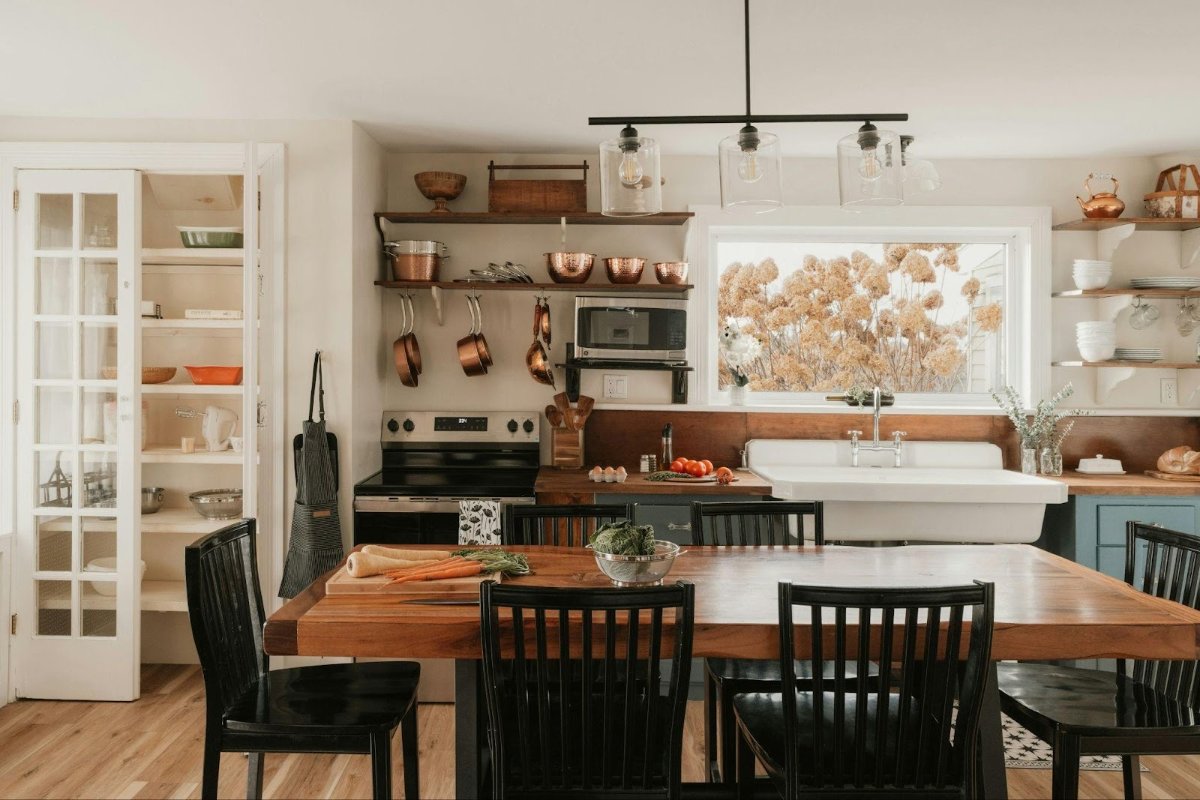
Open-plan living remains common in contemporary housing, yet openness alone does not guarantee practicality. Effective zoning strategies, such as partial partitions, integrated shelving, and adaptable room dividers, create defined spaces within broader layouts.
Homes increasingly accommodate hybrid functions, including remote work, study areas, and leisure zones. Storage infrastructure enables this adaptability by supporting multiple roles without visual clutter.
Multifunctional rooms depend on concealed storage to maintain flexibility. When equipment, documents, or personal items can be stored efficiently, spaces transition more easily between uses.
Utility Areas and Ancillary Spaces
Utility rooms, garages, and laundry spaces often influence daily convenience more than primary living areas. Integrated storage solutions in these zones streamline routine tasks and prevent overflow into central living spaces.
Overhead shelving, compartmentalized cabinets, and vertical storage systems increase capacity without expanding square footage. These improvements contribute to overall organization and long-term maintenance efficiency.
Buyers frequently assess these secondary spaces as indicators of overall property planning. Organized service areas signal attention to practical detail.
Perceived Space and Long-Term Value
Storage clarity significantly shapes spatial perception. Even modestly sized homes feel larger when belongings are systematically organized and concealed. Clear sight lines and reduced clutter amplify natural light and visual openness.
Design decisions that prioritize built-in solutions over temporary storage furniture often result in stronger long-term value retention. Unlike decorative finishes that may date quickly, functional layout improvements retain relevance across shifting trends.
As residential expectations evolve, storage and layout innovations function as structural investments rather than cosmetic upgrades. Properties designed around efficiency, flexibility, and integrated organization are better positioned to sustain market competitiveness and daily usability alike.
Keep reading
More from the blog
Gas Line Installation: What Homeowners Need to Know First

Roof Timeline Guide for Buying an Older Utah Home
How to Choose Windows for a Utah Home With a Mountain View