Why More People Are Choosing St. George, Utah — 5 Surprising Advantages
Discover five unexpected reasons people love living in St. George, Utah — from red-rock scenery and year-round outdoor access to mild winters, family-friendly neighborhoods, and affordability.
Why St. George stands out
St. George has become one of the fastest-growing areas in the country, drawing families, retirees, remote workers, and outdoor lovers to the southwest corner of Utah. It pairs dramatic red-rock scenery with practical, everyday advantages — a usable year-round climate, easy national-park access, and a cost of living below the major West Coast metros. Browse current St. George homes for sale, or read on for five reasons people keep choosing it.
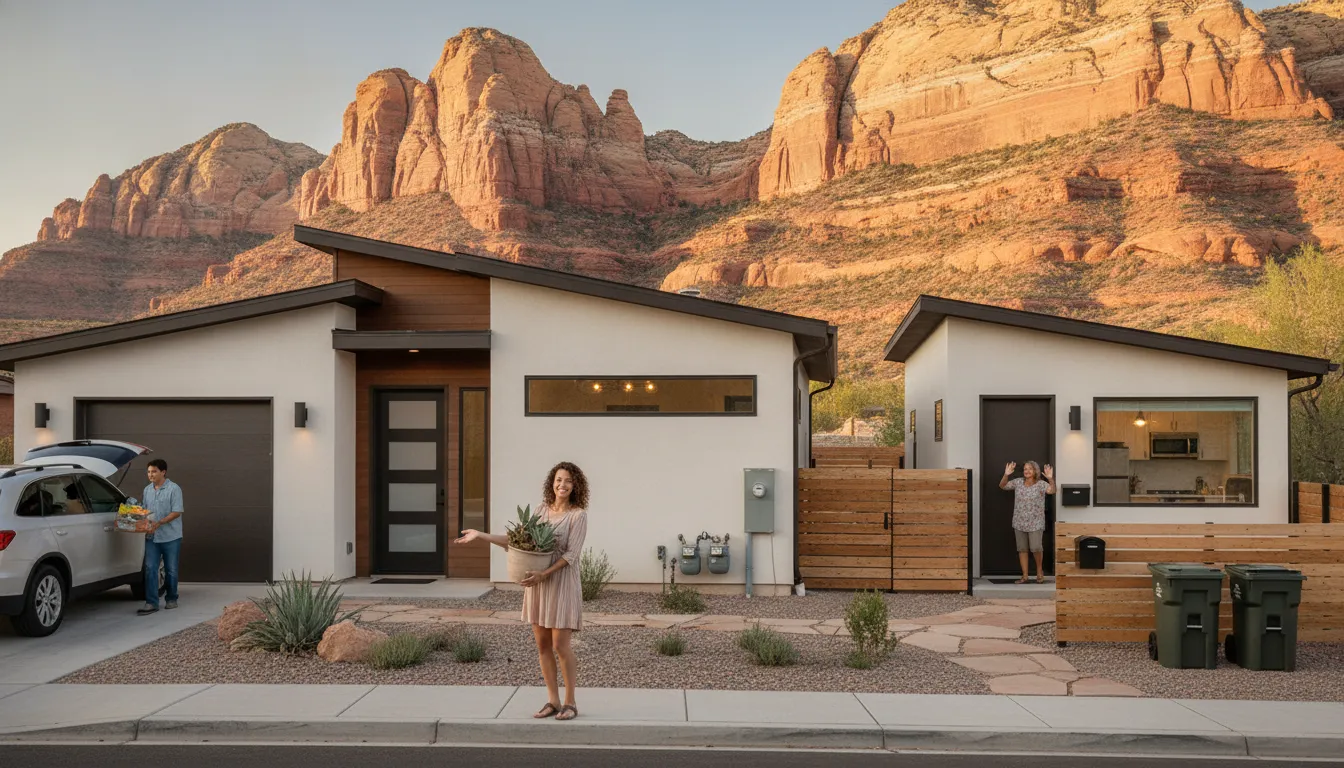
1. Unmatched desert beauty and scenic variety
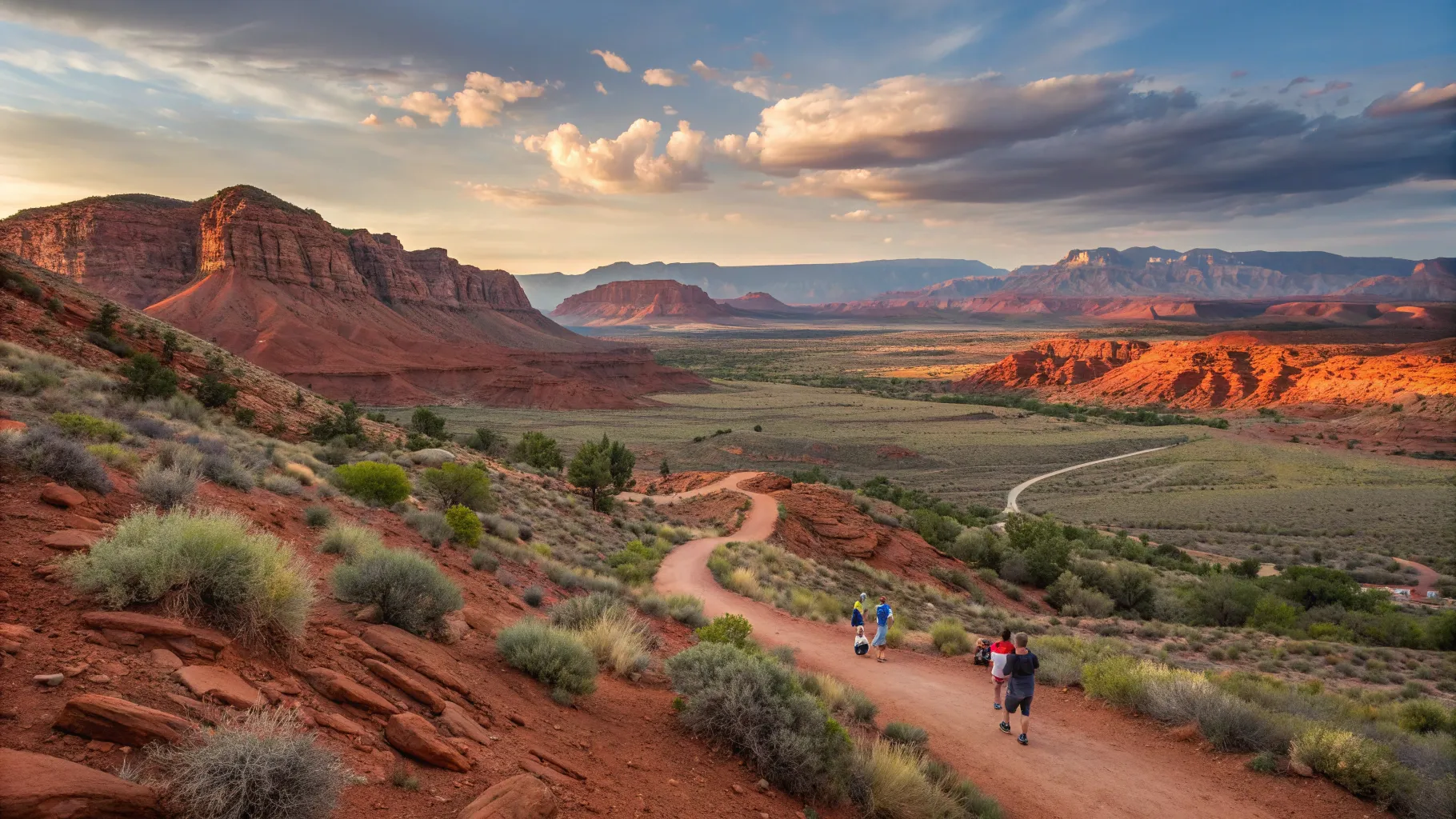
The landscape is the first thing people notice: vivid red Navajo sandstone, black volcanic ridges, and the 10,000-foot Pine Valley Mountains as a backdrop. Snow Canyon State Park sits practically in town, and trails, overlooks, and slickrock are woven right into the neighborhoods — scenery is part of daily life, not a weekend trip.
2. An outdoor lifestyle with national parks at the doorstep
Outdoor recreation defines the area. Mountain biking (Bearclaw Poppy, Zen Trail), hiking, rock climbing, and water sports at Sand Hollow and Quail Creek are all minutes away, and St. George is one of Utah's golf capitals with roughly a dozen courses playable nearly year-round. It is also a gateway to the parks: Zion National Park is about a 40-minute drive, with Bryce Canyon and the Grand Canyon's North Rim within day-trip range.

3. A climate built for outdoor living
St. George averages around 300 sunny days a year. Summers are hot — highs near 100°F — but low humidity and cool evenings make it manageable, and the real payoff is winter: daytime highs often in the 50s°F with little lasting snow in town, so the hiking and golf seasons barely pause. For buyers tired of long, gray winters, that usable outdoor calendar is a major draw. (More detail in our St. George weather guide.)
4. Quality of life: family-friendly, slower paced, and easy to get around
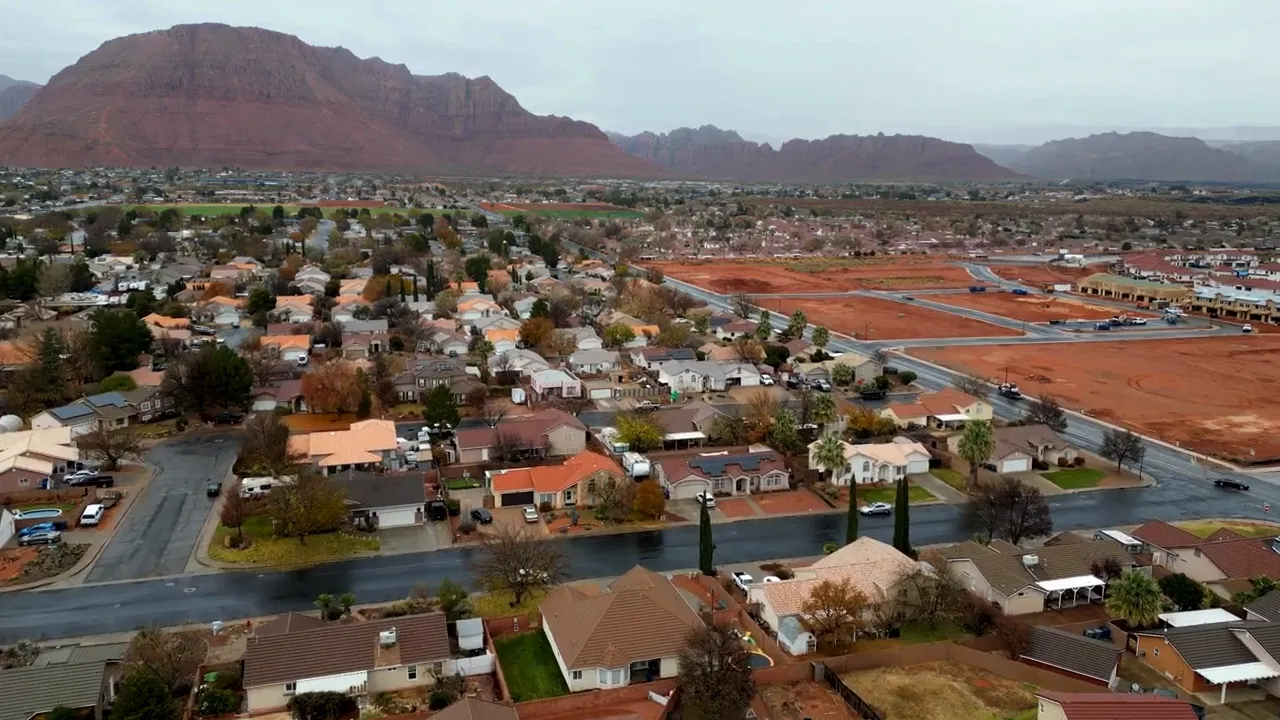
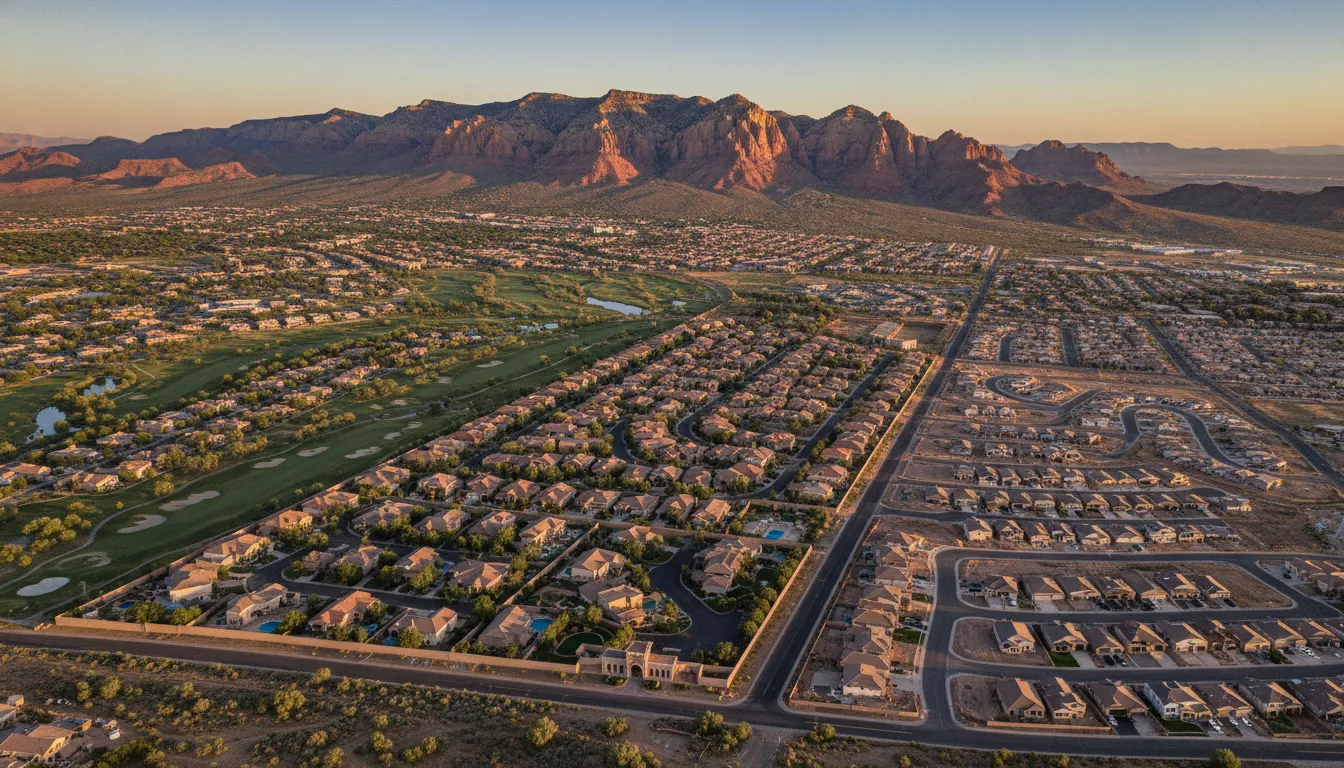
Newcomers consistently cite a better daily rhythm and a strong sense of community. Master-planned neighborhoods like Desert Color, Little Valley, and Green Valley cater to families, while 55-plus communities such as SunRiver draw active retirees — see St. George 55+ communities. Traffic is light compared with big-city commutes, and Intermountain's regional hospital plus a growing dining and shopping scene round out the day-to-day.
5. Cost of living and taxes that move the needle
Affordability is a big part of the draw. The median St. George home sells for about $503,500 — well below comparable Southern California, Las Vegas, or Front Range pricing — and everyday costs run lower than most West Coast metros. Utah's taxes help too: a single flat state income tax rate of 4.45% (one of the lowest in the region) and relatively modest property taxes on a primary residence. For the full breakdown, see the cost of living in St. George.
Tips for buyers, retirees, and investors
A few things to weigh before you buy in St. George:
- Buyers: Lead with lifestyle — proximity to trails and parks, single-level vs. multi-level for mobility, and access to healthcare and shopping. New-construction and master-planned communities are expanding fast; compare builder warranties, lot placement, and HOA rules.
- Retirees: Look hard at 55-plus communities for low-maintenance living and built-in social amenities, and factor Utah's low tax burden into your fixed-income math.
- Investors: Short-term-rental rules are strict and zone-specific in St. George — confirm a property is in an approved overlay before counting on nightly-rental income, as penalties for non-compliance are real. Luxury and resort-area homes are a distinct niche; see St. George luxury homes.
The bottom line
St. George blends spectacular red-rock scenery with mild winters, year-round outdoor access, family- and retiree-friendly neighborhoods, and a cost structure that beats most of the West. Whether you are raising a family, retiring somewhere sunny, or investing in a fast-growing market, it is an easy place to fall for. Start with our St. George relocation guide, browse current listings, or get a free home valuation to plan your move.
More St. George reading
- Why move to St. George, Utah
- The cost of living in St. George, Utah
- Inside the Desert Color master-planned community
Posted by Kristopher Larson
Frequently asked questions
Why are people moving to St. George, Utah?
St. George draws people with its red-rock scenery, roughly 300 sunny days a year, mild winters, abundant outdoor recreation, national-park access (Zion is about 40 minutes away), and a cost of living below most West Coast metros — plus Utah's low 4.45% flat income tax.
Is St. George, Utah a good place to live?
For many, yes. It is especially popular with families and active retirees thanks to its outdoor lifestyle, master-planned and 55-plus communities, lighter traffic than big cities, a regional hospital, and a growing dining and shopping scene.
How much do homes cost in St. George, Utah?
The median St. George home sells for about $503,500, generally below comparable Southern California, Las Vegas, and Front Range pricing. See our St. George cost of living guide for the full picture.
What is the weather like in St. George?
St. George has a warm desert climate with around 300 sunny days a year. Summers are hot (highs near 100°F) but low-humidity, while winters are mild with daytime highs often in the 50s°F and little lasting snow in town.
How far is St. George from Zion National Park?
About a 40-minute drive. St. George is also a convenient base for Snow Canyon State Park (in town), Sand Hollow, Bryce Canyon, and the Grand Canyon's North Rim.
Is St. George good for retirees?
Yes — mild winters, an active outdoor lifestyle, low-maintenance 55-plus communities like SunRiver, and Utah's low flat income tax make it a popular retirement destination. Browse St. George 55+ communities.
St George, Utah housing market
A quick read on what homes are doing in St George right now — pulled live from the MLS.
Keep reading
More from the blog

Why People Are Moving to St. George, Utah in 2026
Moving to St. George Utah: Where to Live and What to Check
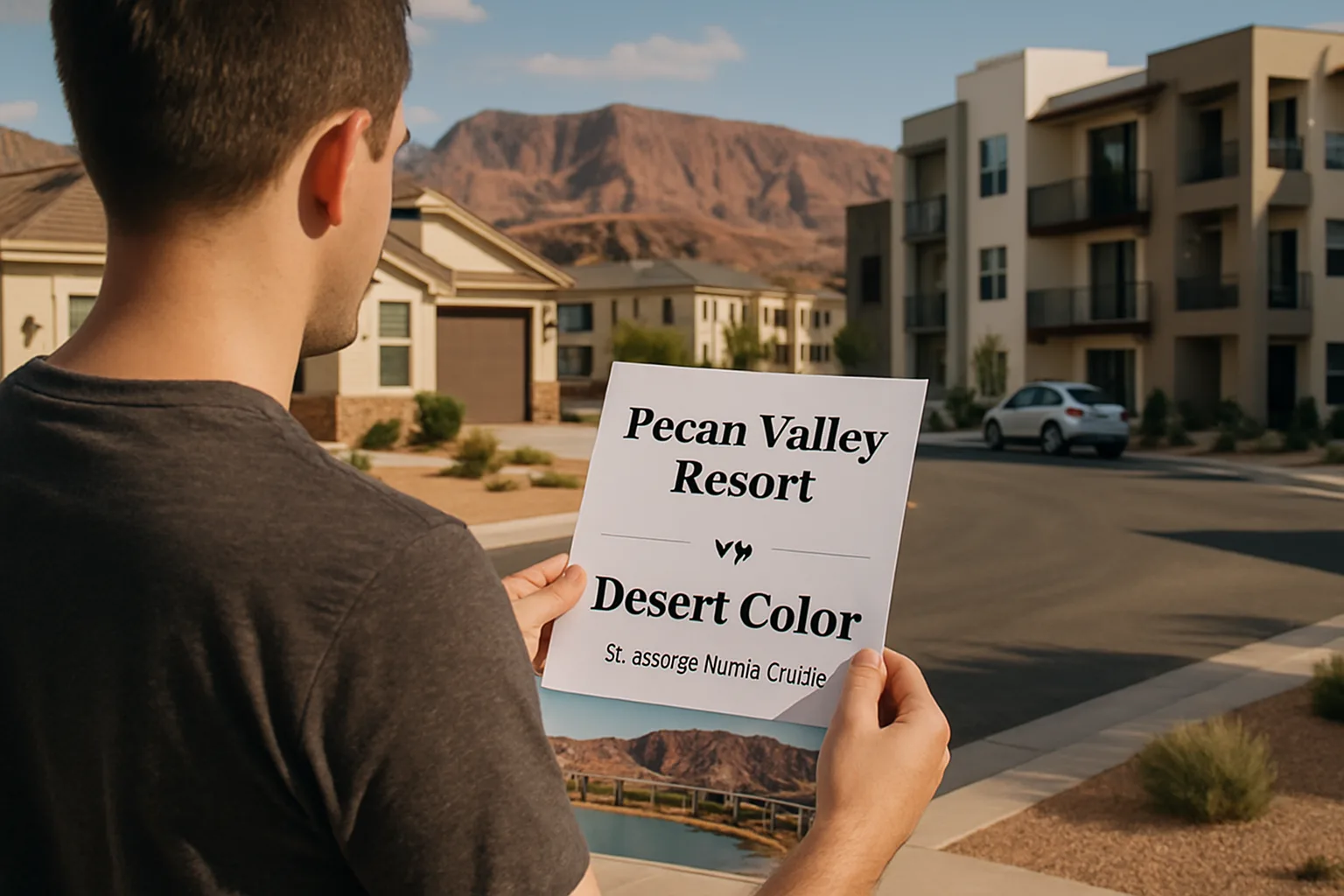
Pecan Valley Resort vs. Desert Color: St. George Rental Guide