
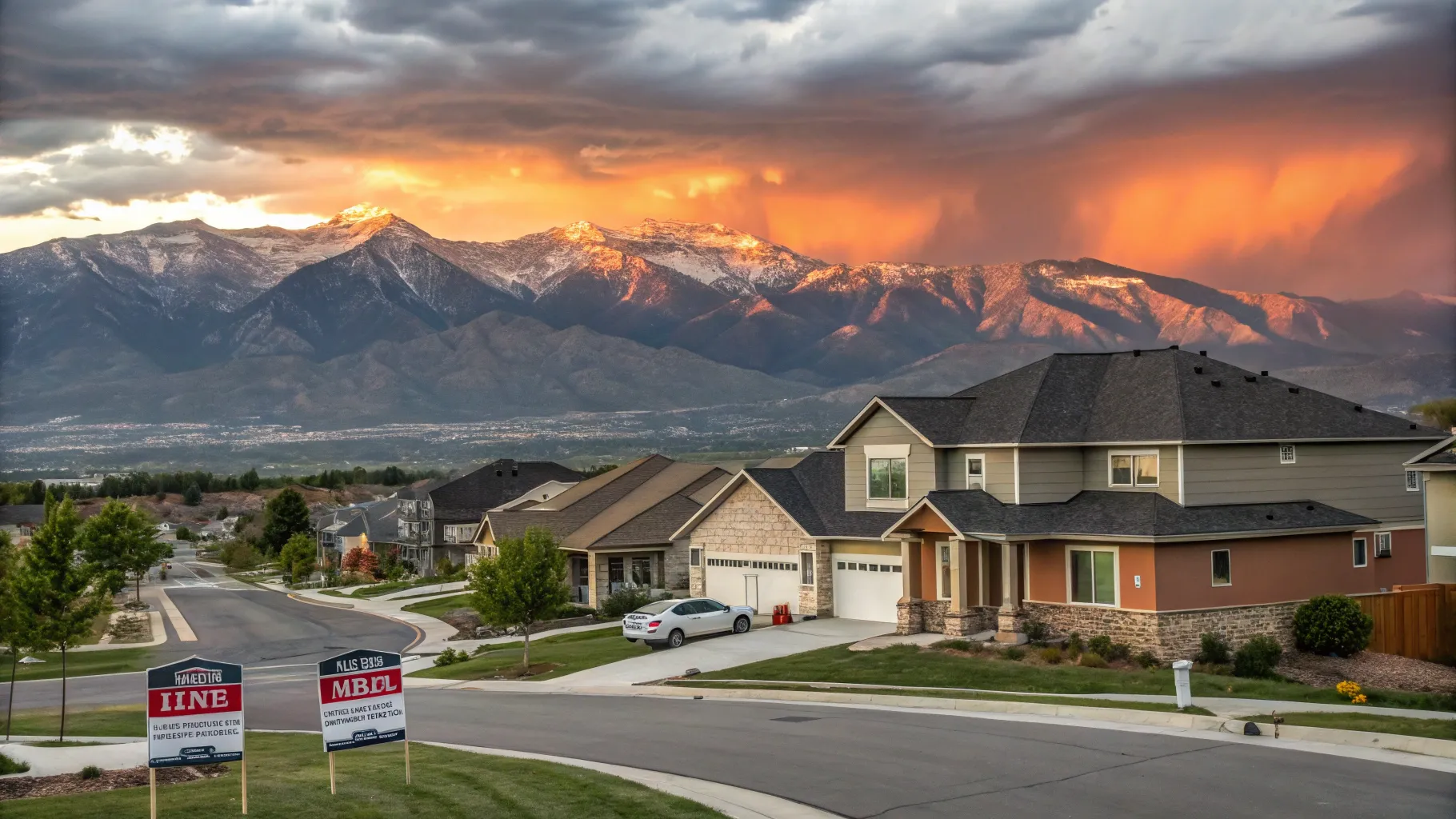
J.P. Morgan issues a stark warning about the potential pitfalls of home ownership
Explore the complexities of the Utah real estate market, highlighting the challenges faced by millennials and the implications of rising home prices and economic factors.
The Utah real estate market is facing unprecedented challenges as J.P. Morgan issues a stark warning about the potential pitfalls of home ownership. With many millennials grappling with buyer's remorse and rising costs, understanding the current landscape is crucial for anyone considering a move in this dynamic environment. Let's delve into the complexities of the market and what it means for future buyers and sellers in Utah. Ready to see what is on the market? Browse homes for sale in Morgan.
Introduction to the Current State of the Housing Market
The current state of the Utah real estate market reflects a complex tapestry woven from economic fluctuations, demographic shifts, and evolving buyer sentiments. The challenges are pronounced, especially for millennials who have experienced two significant financial crises in under two decades. This generation, which has long been kept off the property ladder, is now facing a dual-edged sword: the regret of not entering the market earlier and the burden of rising costs associated with home ownership.
As of December 2026, the median sales price for homes in the U.S. reached $427,388, marking a 6.1% increase year-over-year. Despite a temporary dip in sales, home prices continue to rise, driven by a persistent demand and limited inventory. For Utah residents, these trends are particularly palpable, with many grappling with the reality of affordability and the associated costs of homeownership, including homeowners association fees, property insurance, and property taxes.
The Warning from J.P. Morgan: What It Means
J.P. Morgan's recent warning regarding the housing market has sent ripples through the real estate community. The financial institution highlights the precarious position many buyers find themselves in, particularly as it relates to home affordability. With predictions suggesting a 3% increase in home prices for 2025, the market is expected to remain largely stagnant, further complicating the situation for prospective buyers.
One of the key takeaways from J.P. Morgan's analysis is the impact of immigration policies on housing supply. The tightening of immigration could exacerbate existing shortages in the housing market, as a significant portion of the construction workforce comprises immigrants. This labor supply issue, combined with high interest rates, presents a daunting challenge for buyers looking for affordable homes in Utah.
Understanding Home Buying Regret Among Millennials
Millennials are experiencing a profound sense of regret when it comes to home buying. According to recent studies, 82% of millennial homeowners express dissatisfaction with at least one aspect of their purchase. This regret stems from various factors, including compromised locations, unexpected costs, and the realization that their homes lack certain desired features.
A staggering 96% of millennials express concerns about buying a home, with 44% worried about finding an affordable option. These sentiments illustrate the emotional and financial turmoil many face as they navigate the housing market. The situation is further complicated by rising costs, making it crucial for potential buyers to approach the market with caution and a clear understanding of their financial limits.
The Financial Burden of Home Ownership
Owning a home in Utah is increasingly viewed as a financial burden rather than the American dream it once represented. Rising property taxes, insurance costs, and maintenance expenses contribute to this perception. Many homeowners find themselves caught in a cycle of financial strain, struggling to keep up with the costs associated with their properties.
Furthermore, the emotional toll of homeownership cannot be understated. As homeowners face the reality of their financial commitments, many are left questioning whether the investment was worth it. This sentiment is particularly prevalent among millennials, who are often navigating the complexities of student loans and other financial obligations alongside their mortgage payments.

Current Market Trends: Rising Home Prices
The upward trajectory of home prices in Utah presents both challenges and opportunities for buyers and investors alike. As the market continues to experience a scarcity of affordable homes, those looking to enter the market may find themselves competing for limited inventory. This competitive landscape can lead to bidding wars and inflated prices, further complicating the home-buying process.
Investors and potential homeowners must stay informed about market trends and be prepared to act quickly. The importance of understanding the nuances of the Utah real estate market cannot be overstated. By keeping a close eye on price movements and inventory levels, buyers can position themselves strategically to secure favorable deals.
The Impact of Interest Rates on Home Buying
Interest rates play a pivotal role in shaping the housing market, and the current environment is no exception. With rates hovering around 7%, potential buyers are faced with increased borrowing costs that can significantly affect their purchasing power. As these rates fluctuate, so too does the landscape of home affordability in Utah.
For many buyers, understanding the long-term implications of interest rates is essential. While lower rates may seem attractive, the overall cost of homeownership includes additional factors such as property taxes, insurance, and maintenance. Therefore, prospective homeowners must consider their total financial picture when evaluating their options in the current market.
Millennials and the Struggle for Affordable Housing
Millennials in Utah are facing an uphill battle when it comes to finding affordable housing. With student loan debt at an all-time high and wages not keeping pace with the skyrocketing cost of living, many in this generation feel caught in a bind. Recent surveys indicate that nearly 67% of millennials who do not own a home regret not purchasing when prices were lower, yet those who have taken the plunge often find themselves questioning their choices. The reality is that the dream of home ownership is increasingly out of reach for many young adults.
In Utah, where the median home price has risen significantly over the past few years, the situation is dire. For instance, in the Salt Lake City area, the average home price has surged to over $800,000, leaving many millennials to either compromise on their ideal living situation or remain renters indefinitely. This sentiment is echoed in discussions about community and lifestyle, as many young adults are forced to consider the implications of long-term renting versus home ownership.
The Role of Inventory in the Housing Market
Inventory levels play a crucial role in shaping the housing market dynamics in Utah. Currently, the state is experiencing an inventory shortage, which has led to increased competition among buyers. With fewer homes available, prices continue to rise, creating a challenging environment for first-time buyers. The current inventory crisis is exacerbated by a combination of factors, including high interest rates and the reluctance of existing homeowners to sell their properties, often due to the low mortgage rates they currently enjoy.
As of early 2026, the inventory of available homes in Utah has dipped to below three months' worth of supply, which is considered critically low. This lack of inventory not only drives up prices but also results in bidding wars, where homes can sell for tens of thousands over the asking price. For potential buyers, understanding the importance of inventory and its impact on pricing can help inform their strategies in navigating this competitive market.
Analyzing Home Ownership vs. Renting: A New Perspective
The traditional view of home ownership as the ultimate goal is being challenged as financial realities shift. Increasingly, potential buyers are weighing the costs of home ownership against the benefits of renting. With expenses such as property taxes, insurance, and maintenance costs climbing, many are reconsidering their long-term commitments. In Utah, where housing costs have risen dramatically, the financial burden of owning a home has led to a reevaluation of the American dream.
For many millennials, the flexibility that comes with renting is appealing, especially in a rapidly changing job market. The ability to relocate for better job opportunities without the burden of a mortgage can be a significant advantage. Furthermore, with the rise of remote work, individuals are finding that they can afford to live in more affordable areas outside of major urban centers, thereby reducing their overall cost of living. This shift in mindset is prompting a new generation to rethink what it means to invest in their future.
The Implications of Immigration Policies on Housing Supply
Immigration policies have a profound impact on the housing market, particularly in a state like Utah, which has seen significant population growth. The construction industry, heavily reliant on immigrant labor, faces challenges that could further tighten housing supply. Recent discussions have highlighted how restrictive immigration policies may lead to a decrease in available labor, which in turn affects the pace of new home construction.
As demand for housing continues to outstrip supply, the implications of these policies become even more pronounced. If fewer homes are being built, prices will inevitably rise, making it even harder for first-time buyers and millennials to enter the market. Understanding the link between immigration, labor supply, and housing availability is essential for stakeholders looking to navigate these turbulent waters effectively.
The Importance of Financial Literacy in Home Buying
Understanding financial literacy is pivotal for anyone considering entering the Utah real estate market. With the complexities surrounding home ownership today, potential buyers must equip themselves with knowledge about mortgages, interest rates, and the total cost of home ownership. This goes beyond just the purchase price. It encompasses understanding property taxes, homeowners association fees, insurance, and maintenance costs.
Many first-time buyers fall into the trap of viewing home ownership solely as a monthly mortgage payment. However, true financial literacy involves recognizing that expenses can fluctuate. For instance, property taxes can increase, and insurance rates may rise based on various factors, including market conditions and personal claims history. By preparing financially, buyers can avoid the common pitfalls that lead to regret later on.
Practical Tips for Navigating the Utah Real Estate Market
As the Utah real estate market continues to evolve, potential buyers and sellers must adopt practical strategies to navigate this challenging landscape effectively. Here are some actionable tips to consider:
- Research Local Market Trends: Understanding local market trends is essential. For instance, cities like Saratoga Springs have seen notable growth, making it a desirable area for families. Monitoring these trends can help buyers identify when to enter the market.
- Get Pre-Approved for a Mortgage: Before house hunting, obtaining a mortgage pre-approval can streamline the buying process. This step gives buyers a clear idea of their budget and strengthens their position in negotiations.
- Work with a Local Real Estate Agent: A knowledgeable agent can provide invaluable insights into neighborhoods, market conditions, and potential properties. They can also assist in navigating the complexities of offers and counteroffers.
- Be Prepared for Bidding Wars: Given the competitive nature of the market, especially in sought-after areas, buyers should be prepared for bidding wars. This means having a clear strategy in place and being willing to act quickly when a desirable property becomes available.
- Consider Future Resale Value: When purchasing a home, it's crucial to consider its future resale value. Factors like location, school districts, and community amenities can significantly impact a home's value over time.
Conclusion: Making Informed Decisions in a Complex Market
Navigating the Utah real estate market is no small feat. With rising prices, fluctuating interest rates, and economic uncertainties, potential buyers must approach the market with caution and a well-informed strategy. Financial literacy is not just an asset; it is a necessity in today's environment.
By conducting thorough research, understanding the total costs associated with home ownership, and working with experienced professionals, buyers can position themselves for success. Remember, the goal is not just to buy a home but to make a sound investment that aligns with both current and future financial goals.
FAQ: Common Questions About the Utah Real Estate Market
What are the current trends in the Utah real estate market?
The Utah real estate market has seen a consistent increase in home prices, primarily driven by high demand and low inventory. As of early 2026, the median home price in Utah has reached approximately $800,000 in certain areas, making it crucial for buyers to stay informed about market fluctuations.
How can I improve my chances of securing a home in a competitive market?
To improve your chances, consider getting pre-approved for a mortgage, working with a knowledgeable local real estate agent, and being prepared to make competitive offers quickly. Understanding the local market dynamics can also give you an edge.
Is it a good time to buy a home in Utah?
While the market is competitive, many experts suggest that potential buyers should consider their financial situation, long-term goals, and current market conditions. It's important to weigh the pros and cons and make a decision that aligns with your personal circumstances.
What should I look for in a neighborhood?
When choosing a neighborhood, consider factors such as school quality, safety, amenities, and proximity to work or activities that you enjoy. Neighborhoods like Salt Lake City offer vibrant community life with access to various amenities, making them desirable for families and young professionals alike.
Related Articles:
Frequently asked questions
What are the current trends in the Utah real estate market?
How can I improve my chances of securing a home in a competitive market?
Is it a good time to buy a home in Utah?
What should I look for in a neighborhood?
Morgan, Utah housing market
A quick read on what homes are doing in Morgan right now — pulled live from the MLS.
Keep reading
More from the blog
Housing Market Slowdown Signals: What Buyers Should Watch
Utah Housing Market 2026: Crash, Boom, or a Stalled Market?
5 Neighborhood Filters to Use Before Buying a Home in Utah